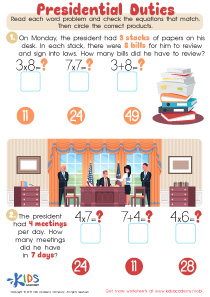
Understanding citizenship Good Citizenship Worksheets for Ages 5-9
5 filtered results
-
From - To
Explore our engaging “Understanding Citizenship Good Citizenship Worksheets” designed for children ages 5-9! These thoughtfully crafted resources help young learners grasp essential concepts of citizenship, community, and social responsibility. Our worksheets encourage children to reflect on what it means to be a good citizen through fun activities, including coloring pages, simple readings, and interactive questions. These resources foster valuable skills like critical thinking, empathy, and cooperation, making learning about civic duties enjoyable and impactful. Perfect for classrooms or at-home learning, these worksheets empower children to develop a strong sense of participation and connection within their communities. Start your journey into citizenship today!
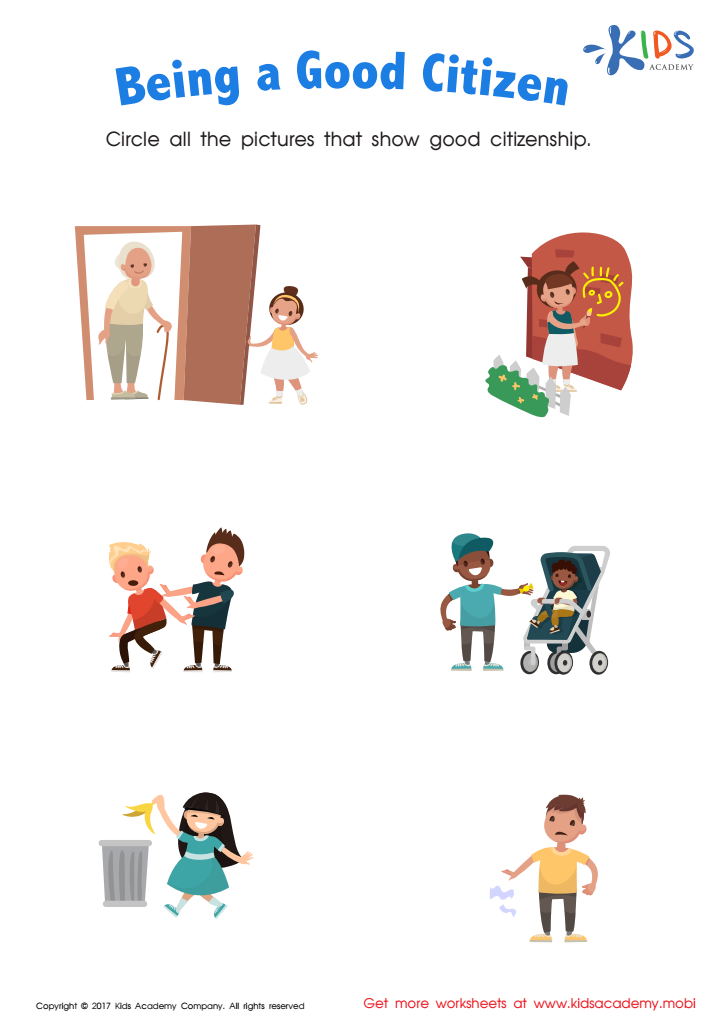
Being a Good Citizen Printable
 Assign to My Students
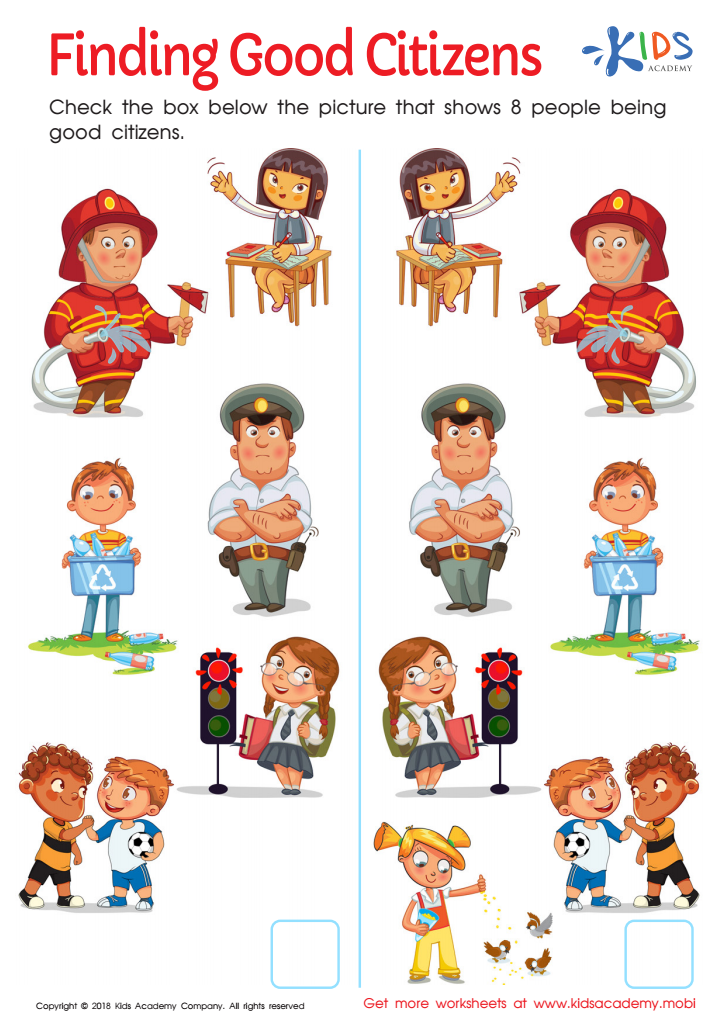
Finding Good Citizens Worksheet
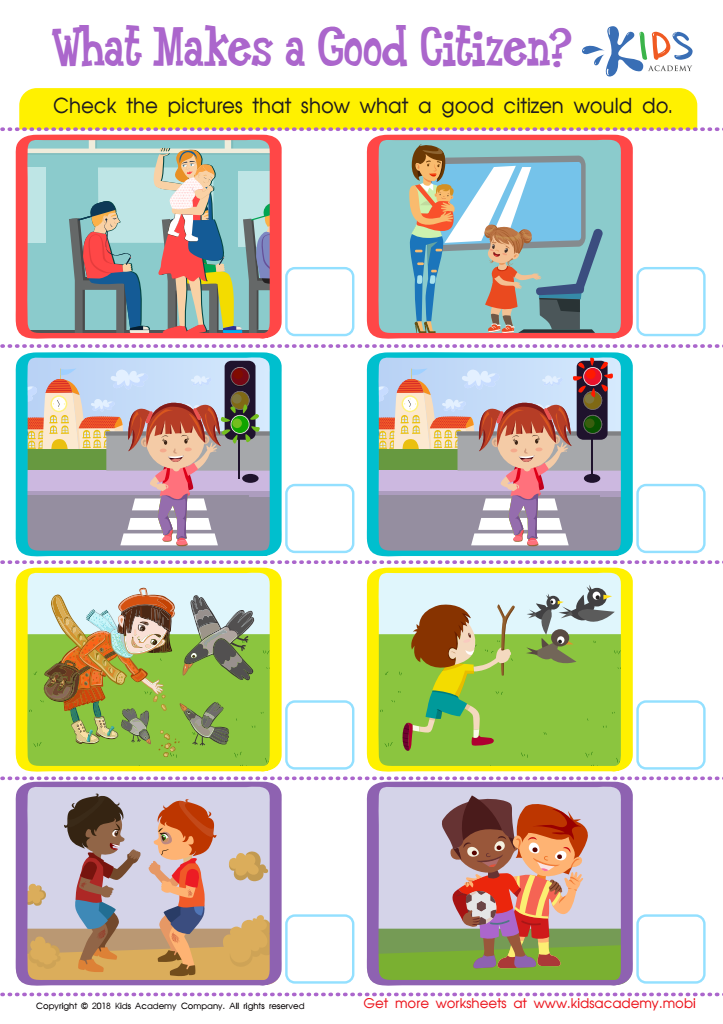
What Makes a Good Citizen? Worksheet
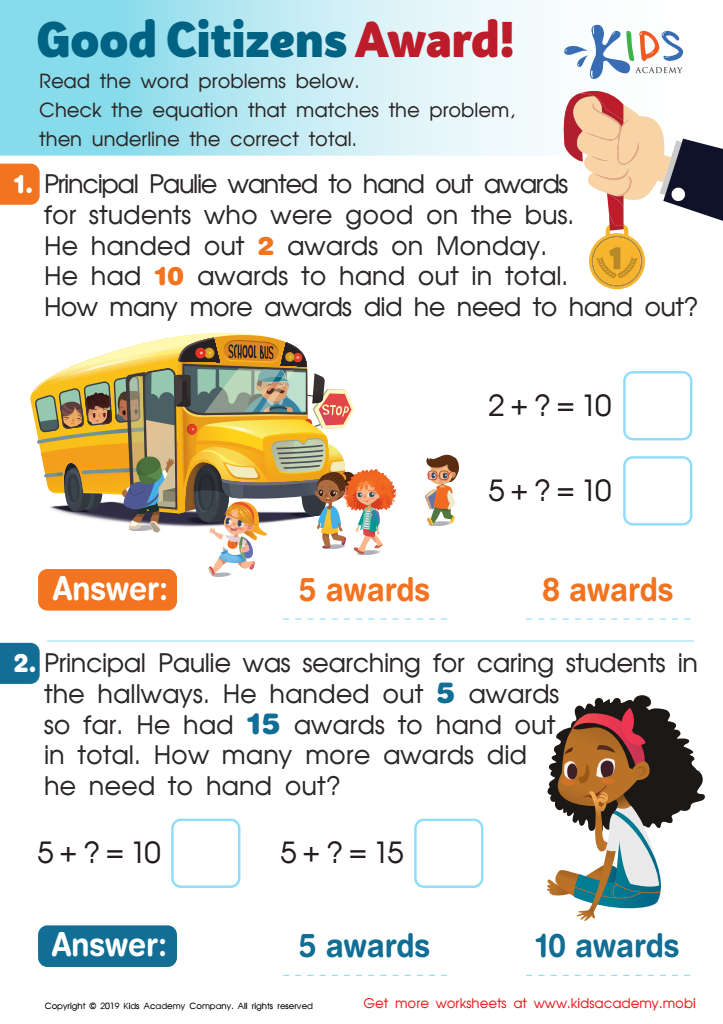
Good Citizens Award! Worksheet
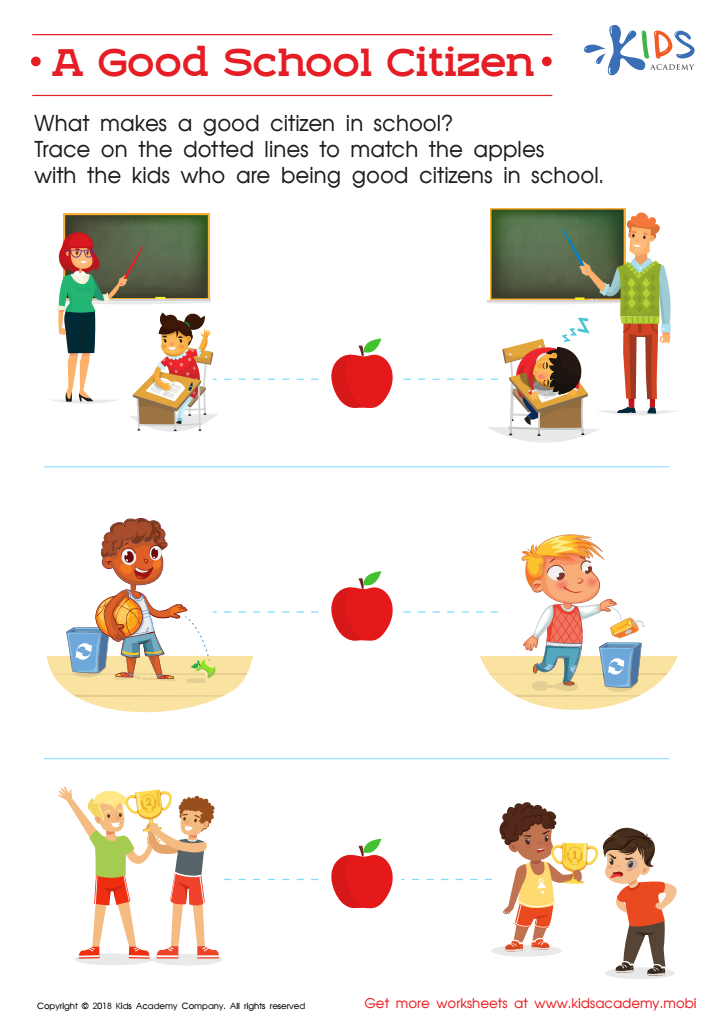
A Good School Citizen Worksheet



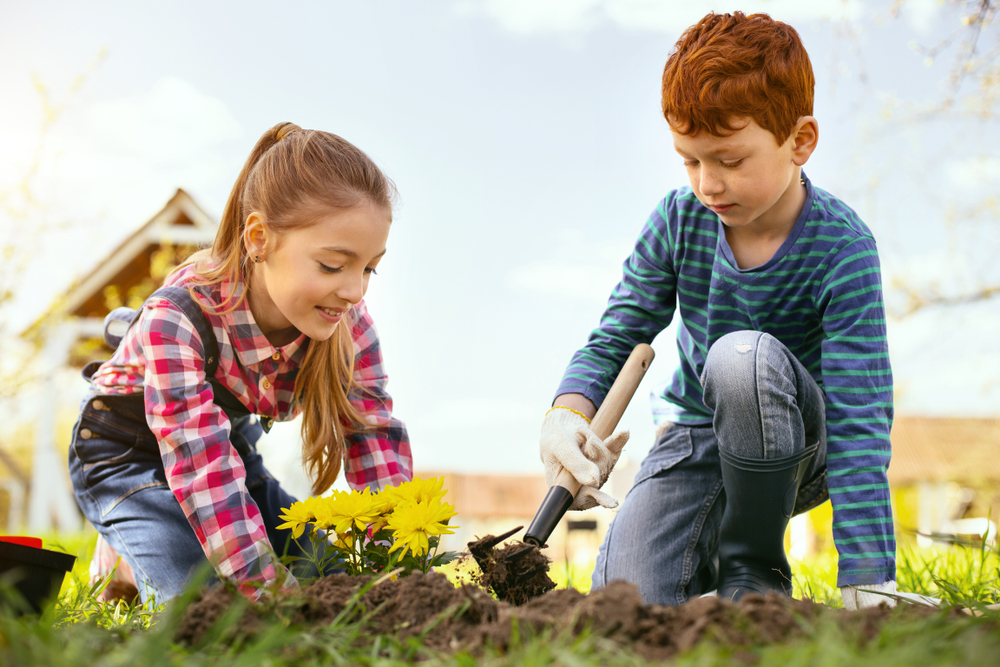
Understanding citizenship and promoting good citizenship among children aged 5-9 is vital for several reasons. Firstly, early exposure to the concepts of citizenship helps children recognize their role within a community. This foundational knowledge leads to developing respect for others and an appreciation for diversity. It encourages empathy as they learn about the rights and responsibilities of being a citizen, helping them understand the importance of treating others with kindness and fairness.
Moreover, teaching good citizenship fosters crucial social skills and civic responsibility. Children learn the significance of making responsible choices, participating in community activities, and appreciating the rule of law, which lays the groundwork for informed, active participation in society as adults.
Additionally, in today’s globalized world, understanding citizenship can help children navigate and respect various cultural perspectives, promoting inclusivity from a young age. Engaging activities, shared discussions about values, and practical community involvement can transform abstract concepts into tangible actions.
Ultimately, when parents and teachers prioritize these lessons, they contribute to raising a generation of responsible, compassionate citizens who are equipped to shape a harmonious and responsible society. Such groundwork not only enriches individuals but strengthens community bonds and promotes a positive social environment.