Multiplication practice History Worksheets for Ages 5-9
8 filtered results
-
From - To
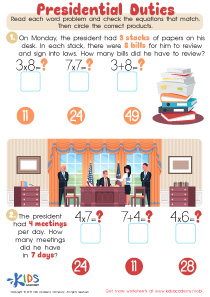
Our "Multiplication Practice History Worksheets for Ages 5-9" offer a unique blend of math and history to engage young learners. These meticulously crafted worksheets not only help children comprehend multiplication but also introduce them to essential historical events and figures. Each worksheet seamlessly integrates math problems with intriguing historical facts, making learning both educational and entertaining. Perfect for home or classroom use, they foster critical thinking and a love for both subjects. Parents and educators will appreciate how these resources enhance multiplication skills while sparking curiosity about history. Get ready to explore the past and master math with our interactive worksheets!
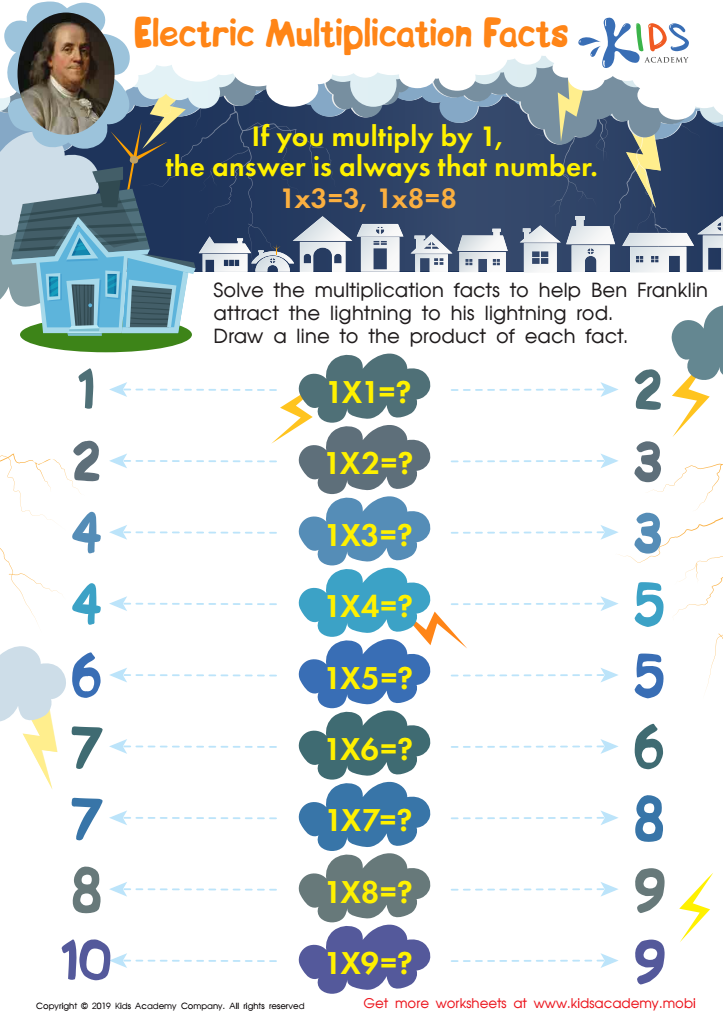
Electric Multiplication Facts Worksheet
 Assign to My Students
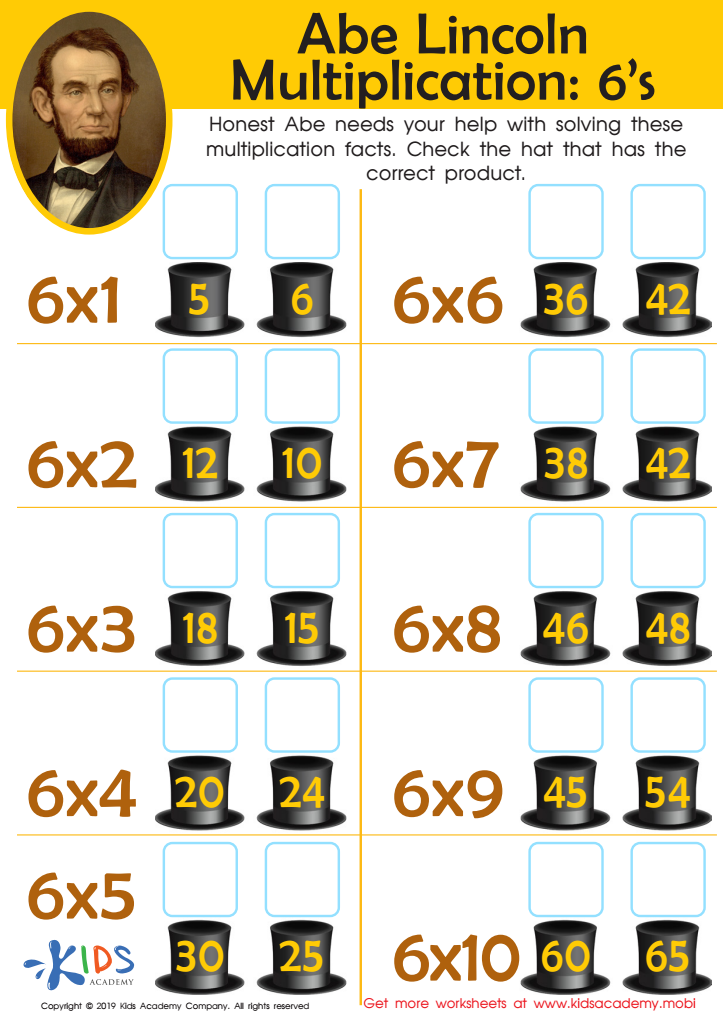
Abe Lincoln Multiplication: 6’s Worksheet
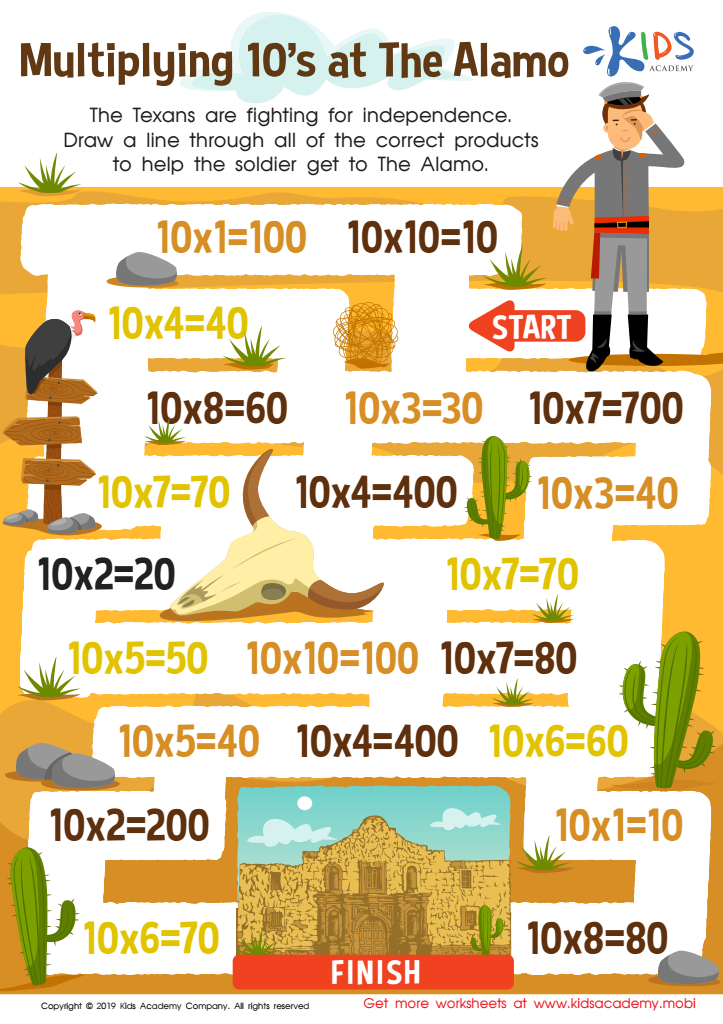
Multiplying 10’s at The Alamo Worksheet
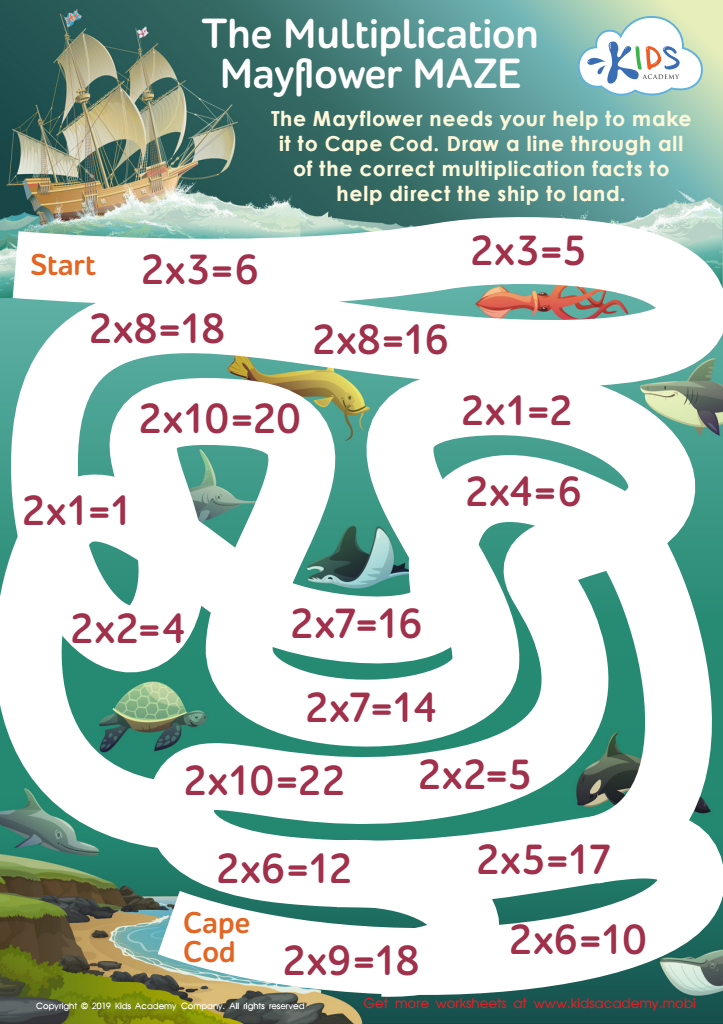
The Multiplication Mayflower Maze Worksheet
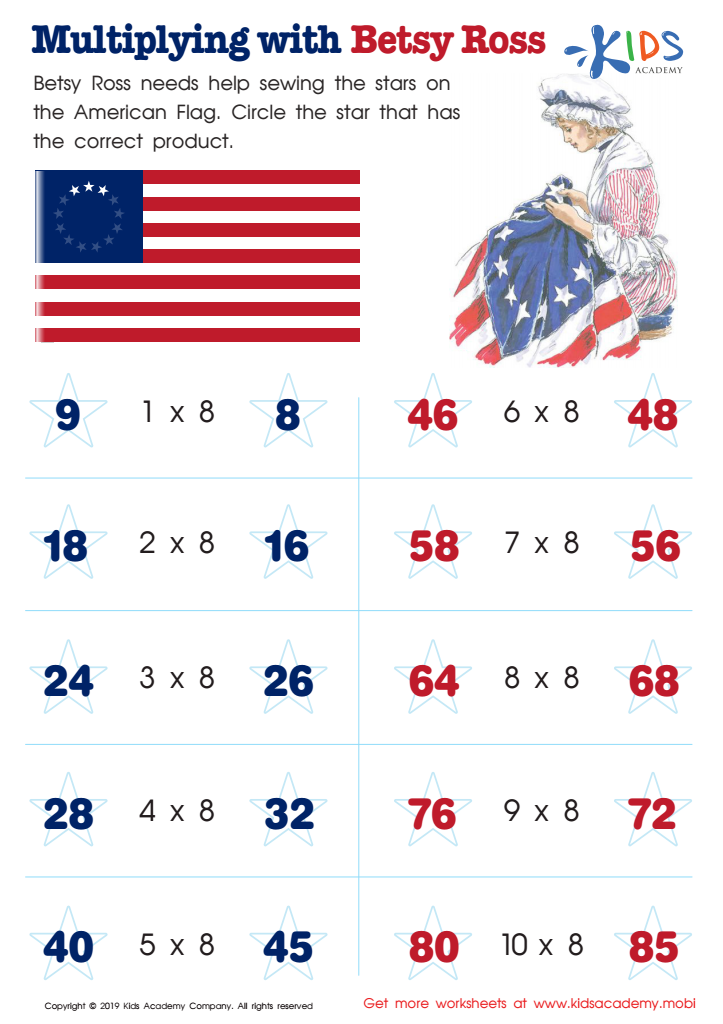
Multiplying with Betsy Ross Worksheet
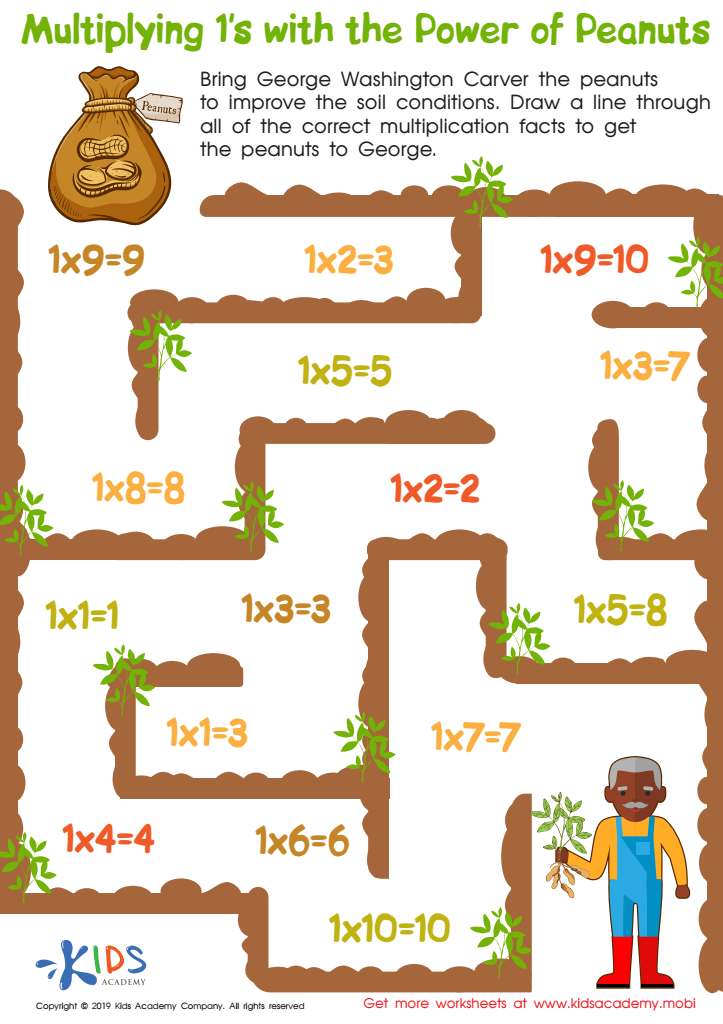
Multiplying 1’s With the Power of Peanuts Worksheet
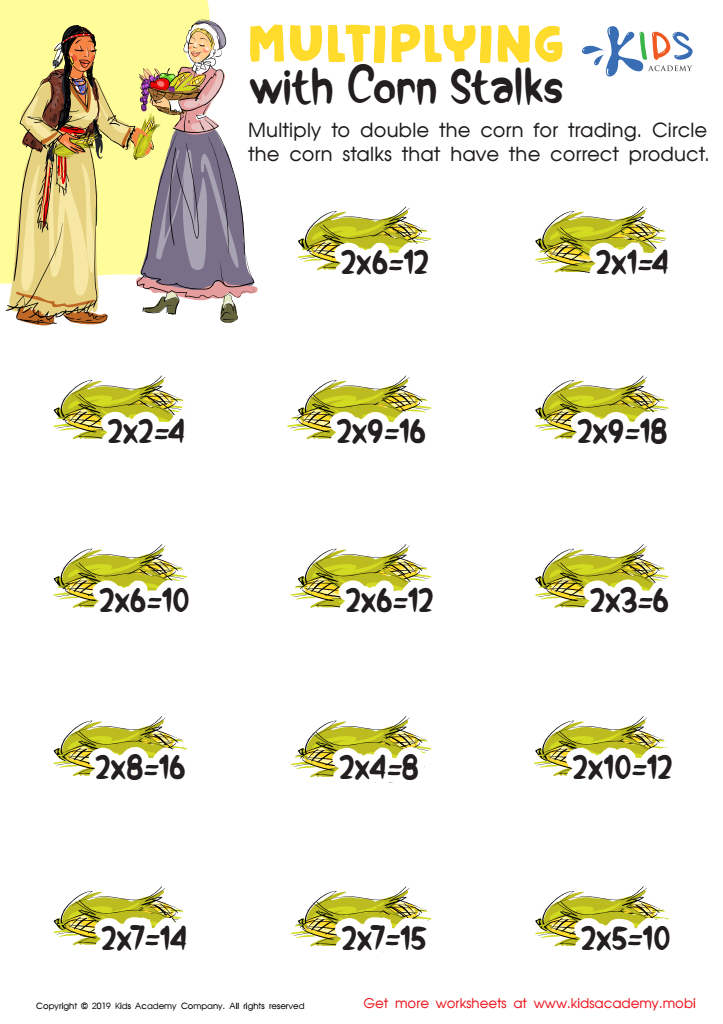
Multiplying With Corn Stalks Worksheet
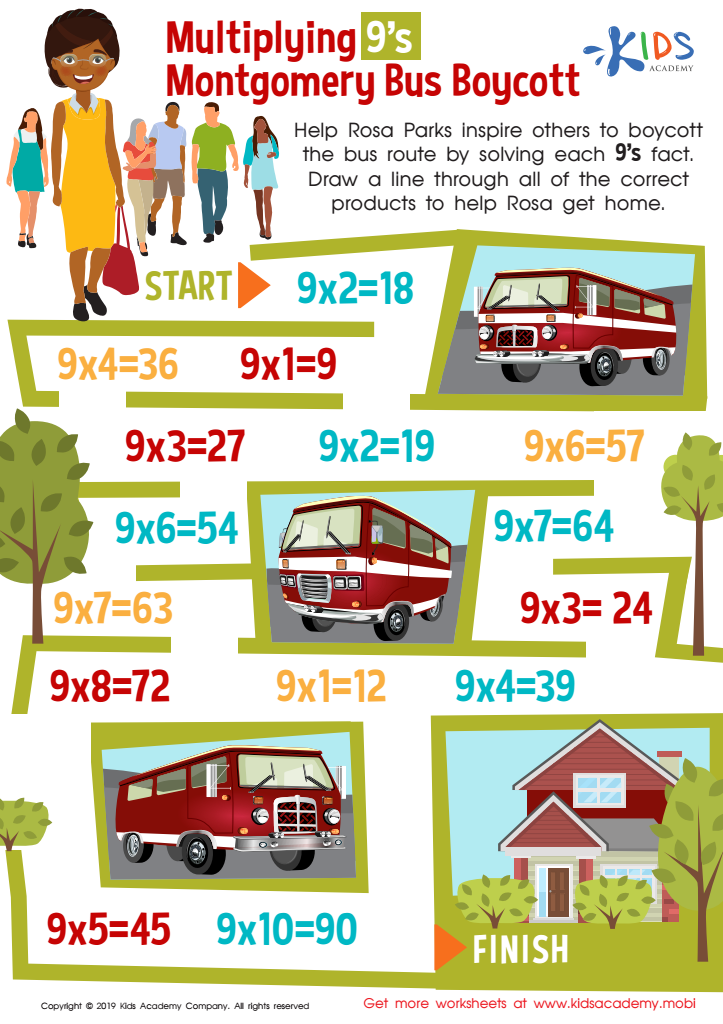
Multiplying 9’s Montgomery Bus Boycott Worksheet






.jpg)

Understanding the history of multiplication practice for children aged 5-9 helps parents and teachers appreciate the evolving methodologies designed to enhance arithmetic skills. Historically, multiplication has been a cornerstone of elementary mathematics due to its fundamental role in higher-level math and everyday problem-solving. Early education techniques, such as rote memorization of times tables and the use of manipulatives, laid the groundwork for building numerical fluency and conceptual understanding.
Recognizing these historical practices underscores the importance of adaptive teaching methods. For instance, early educators utilized physical objects, like beads or blocks, to visually demonstrate multiplication concepts. This hands-on approach is still relevant and effective, fostering a deeper comprehension of abstract concepts in young children.
Parents and teachers should care about these historical practices to leverage time-tested strategies and innovative technologies in teaching multiplication effectively. Understanding past methods can also shed light on the necessity of personalized learning experiences, acknowledging that children learn at different paces and through varying styles.
Embracing the historical context of multiplication practice enables educators to blend traditional and modern techniques, ensuring that foundational math skills are robust and accessible to every child. This balance is crucial for fostering confidence, enthusiasm, and long-term success in mathematics.