Vocabulary enhancement History Worksheets for Ages 5-9
6 filtered results
-
From - To
Discover our engaging Vocabulary Enhancement History Worksheets designed for children ages 5-9! These educational resources combine history lessons with vocabulary building, ensuring your young learner not only understands historical events but also expands their language skills. Through fun activities and interactive challenges, kids will explore important historical periods, figures, and events, enhancing their reading comprehension and communication abilities. Perfect for classroom or home learning, these worksheets cater to curious minds, making history both enjoyable and educational. Set your child on a path to academic success with our comprehensive vocabulary and history learning tools!
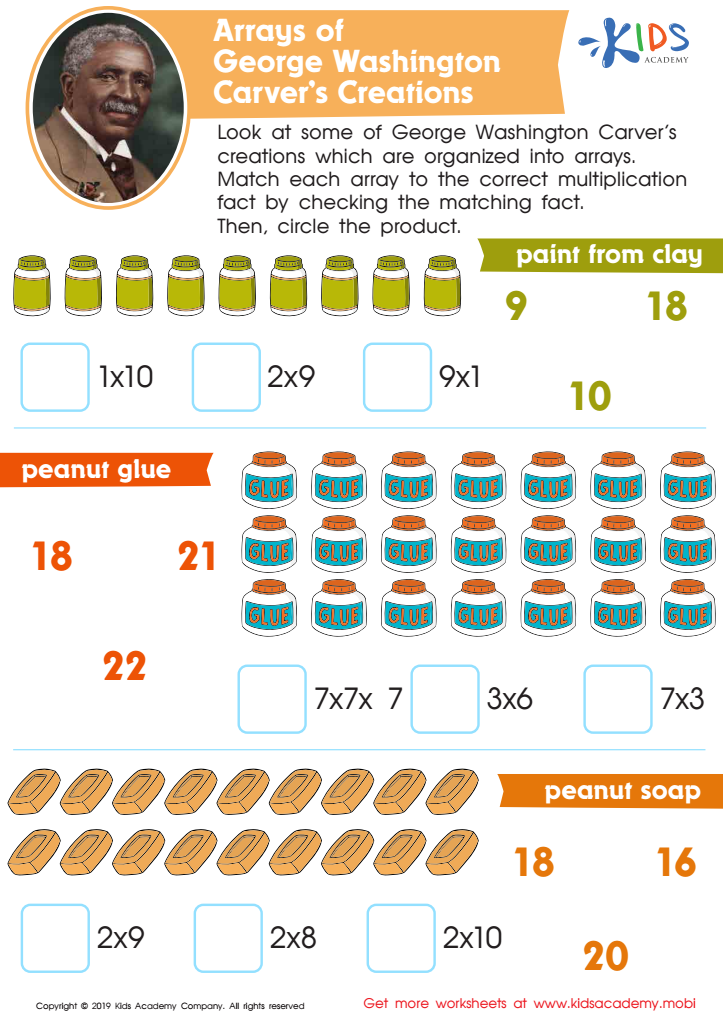
Arrays of George Washington Carver’s Creations Worksheet
 Assign to My Students

Thanksgiving Holiday Printable
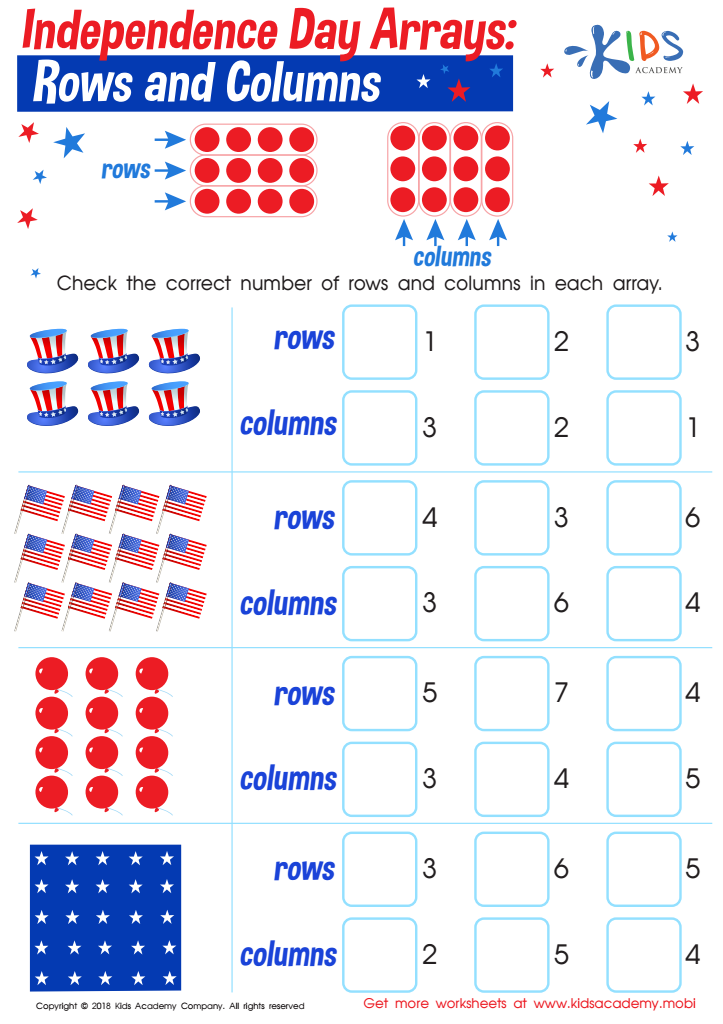
Independence Day Arrays: Rows and Columns Worksheet
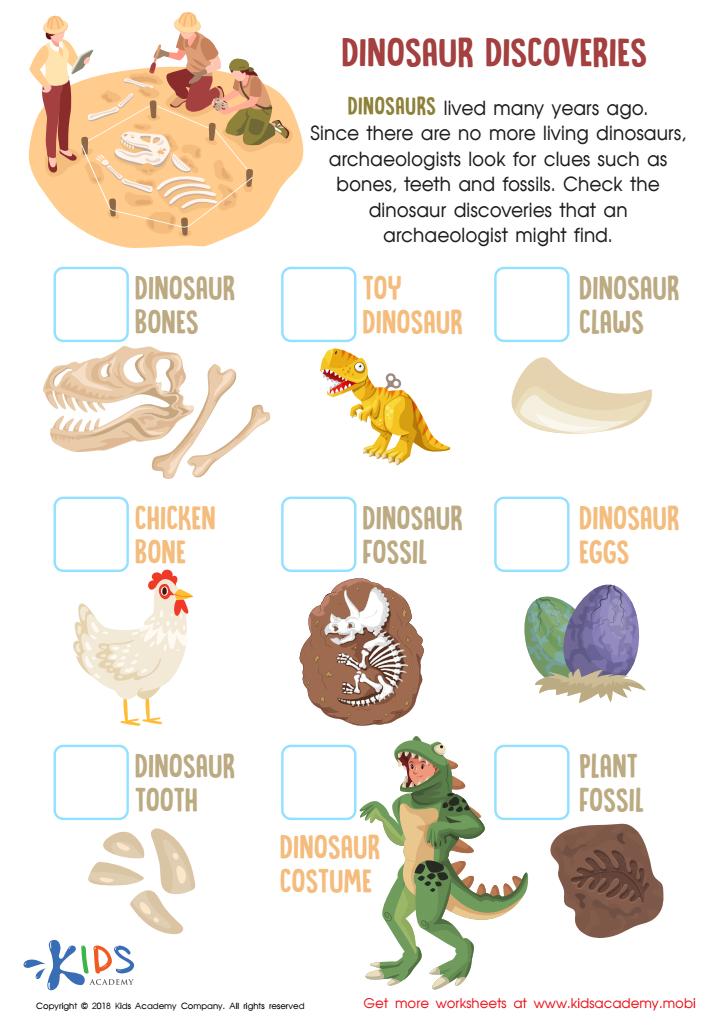
Dinosaur Discoveries Worksheet
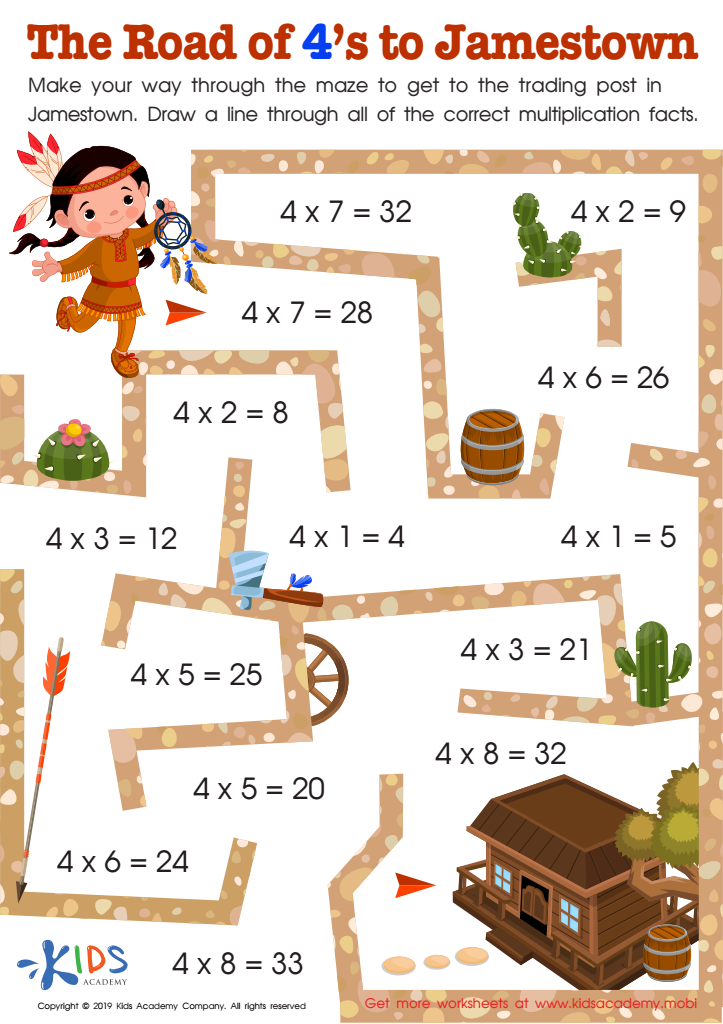
The Road of 4’s to Jamestown Worksheet
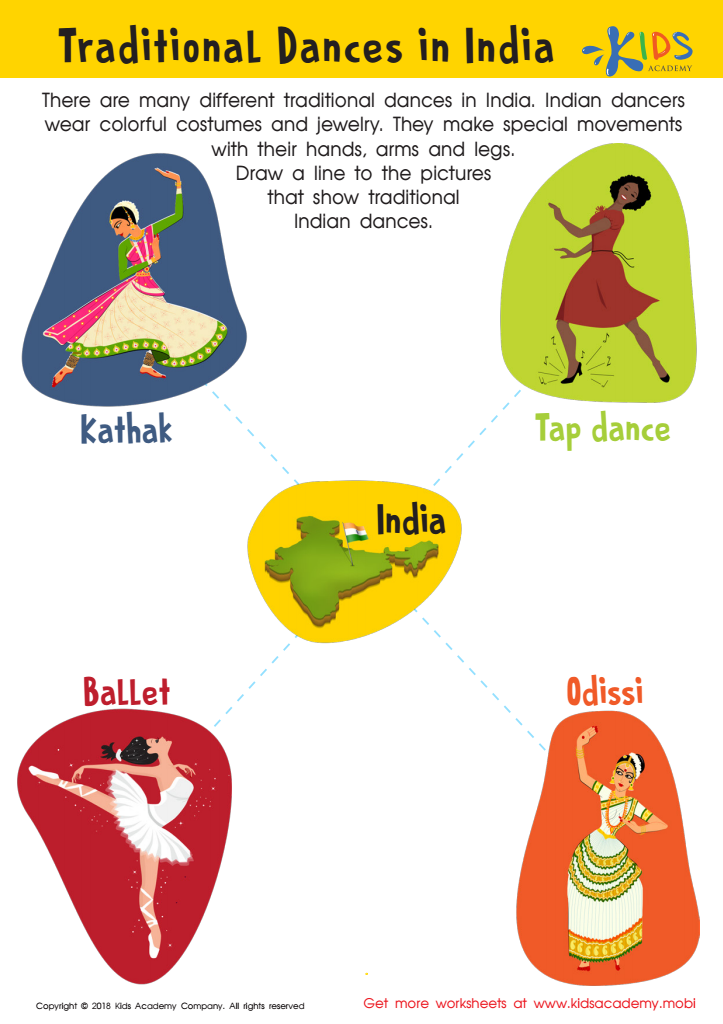
Traditional Dances in India Worksheet




.jpg)



Vocabulary enhancement is crucial during the formative years of ages 5-9, serving as a foundation for effective communication and cognitive development. Research shows that a robust vocabulary at an early age is closely linked to reading comprehension skills, academic success, and overall language proficiency.
For parents and teachers, investing in vocabulary enhancement means providing children with the tools to better understand and express their thoughts, emotions, and engage more effectively in their learning environments. Enhanced vocabulary allows children to comprehend instructions, participate in discussions, and grasp new concepts more readily, which can foster a love for learning and boost their self-confidence.
Moreover, vocabulary development during these early years can have long-lasting impacts. Children who enter school with a strong vocabulary are more likely to perform well academically, as they are equipped to decode the meaning of new words and text as they encounter them. They’re also more likely to develop critical thinking and problem-solving skills, as they can articulate and explore complex ideas more effectively.
In addition, a strong vocabulary can support social and emotional development. It enables children to communicate their needs and feelings better, navigate relationships, and understand the world around them. Consequently, parents and teachers should prioritize vocabulary enhancement by engaging children in rich verbal interactions, reading diverse and challenging texts together, and creating a language-rich environment that stimulates curiosity and learning.








