Counting skills World Around Us Worksheets for Ages 5-9
5 filtered results
-
From - To
Counting Skills World Around Us Worksheets for Ages 5-9 make learning math exciting and relevant. These engaging activities help children connect counting with real-life scenarios, enhancing their ability to recognize numbers and comprehend quantities in familiar environments. Perfect for early learners, these worksheets combine colorful visuals with practical counting exercises. Kids will count objects, explore patterns, and solve simple math problems, all while exploring everyday settings. Ideal for both classroom and home use, these worksheets support cognitive development, enhance critical thinking, and build a strong foundation in arithmetic. Cultivate your child’s math skills with real-world applications.
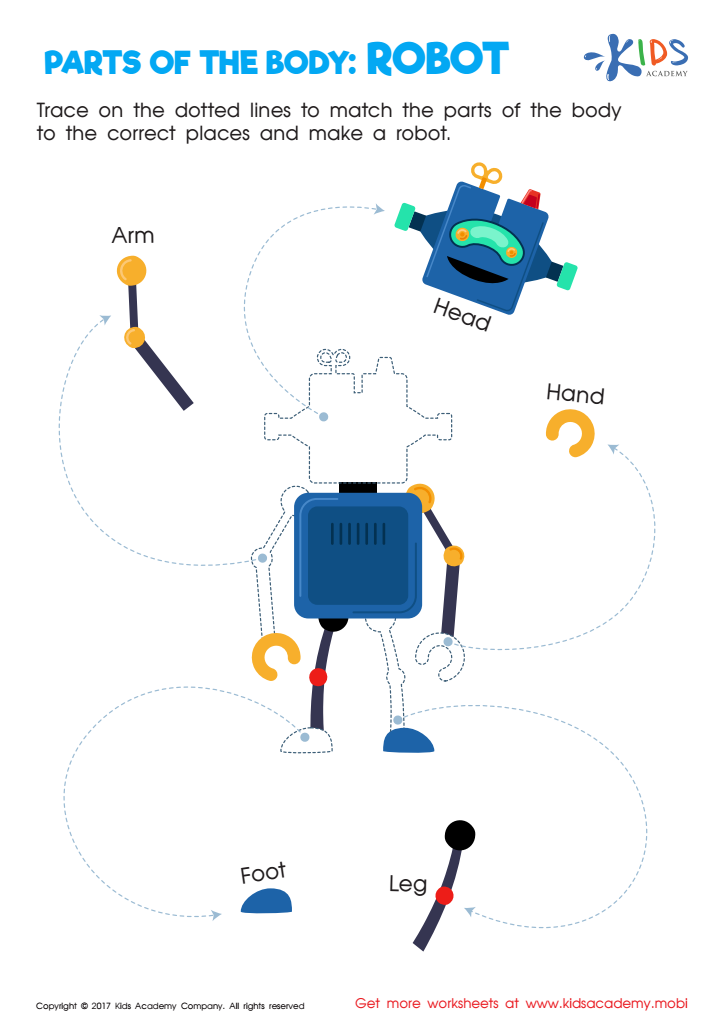
Robot Printable
 Assign to My Students
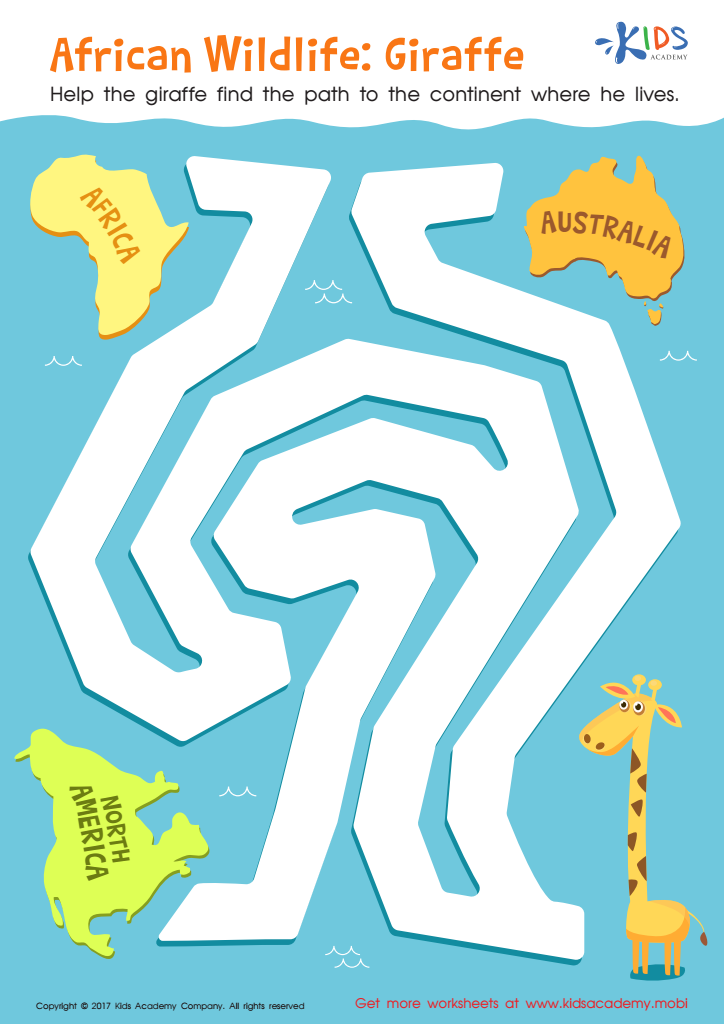
African Wildlife: Giraffe Worksheet
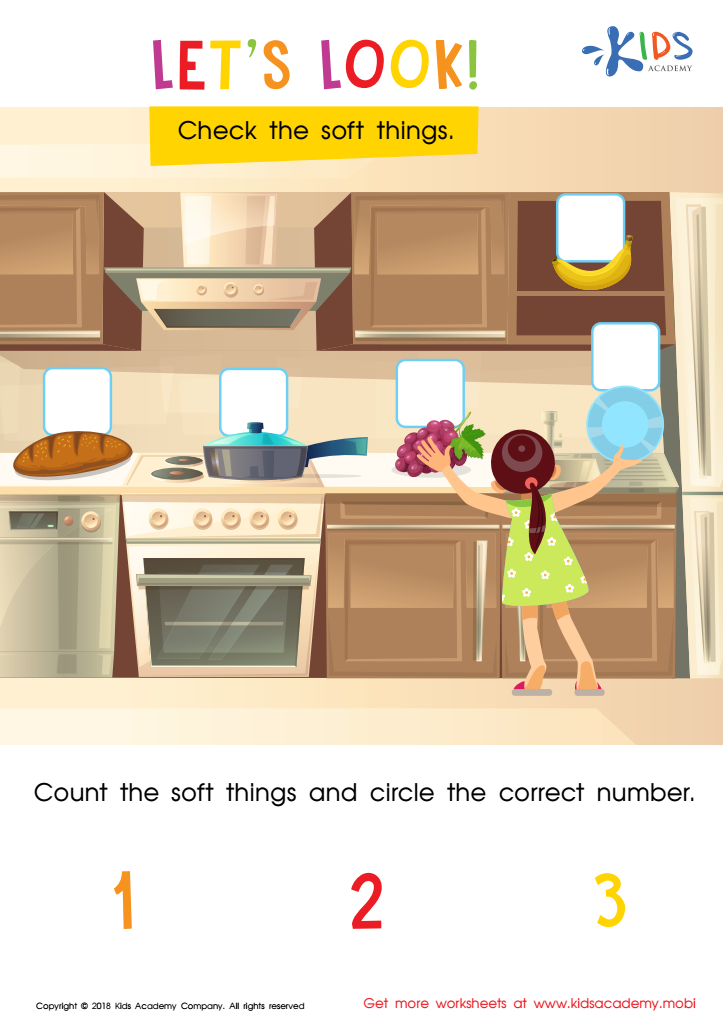
Let's Look! Assessment Worksheet
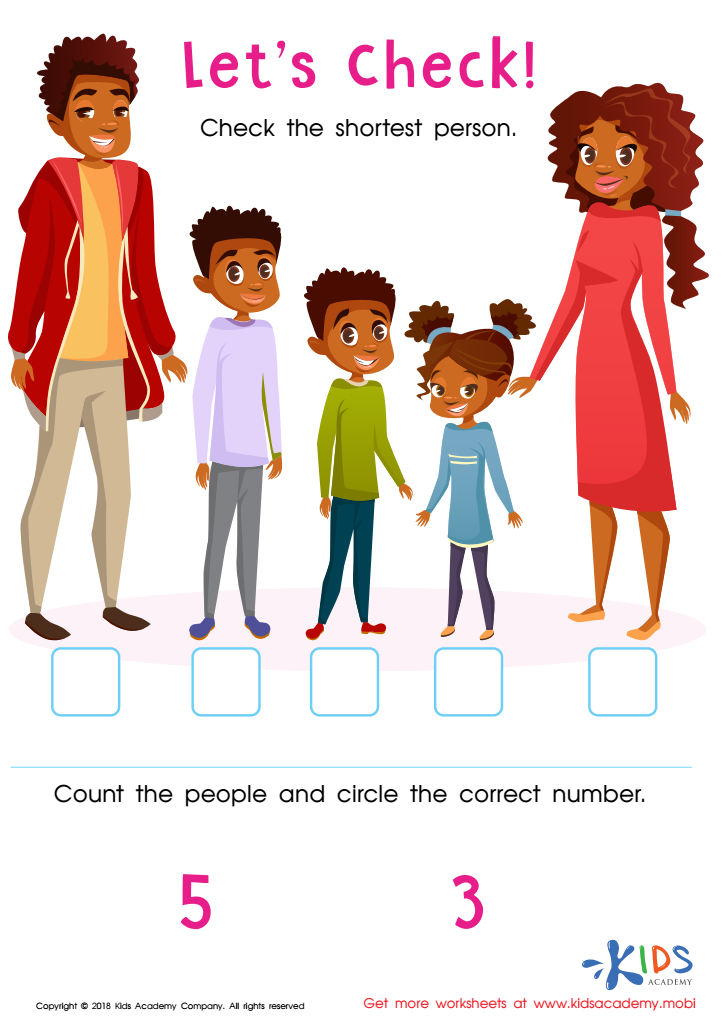
Let's Check! Assessment Worksheet
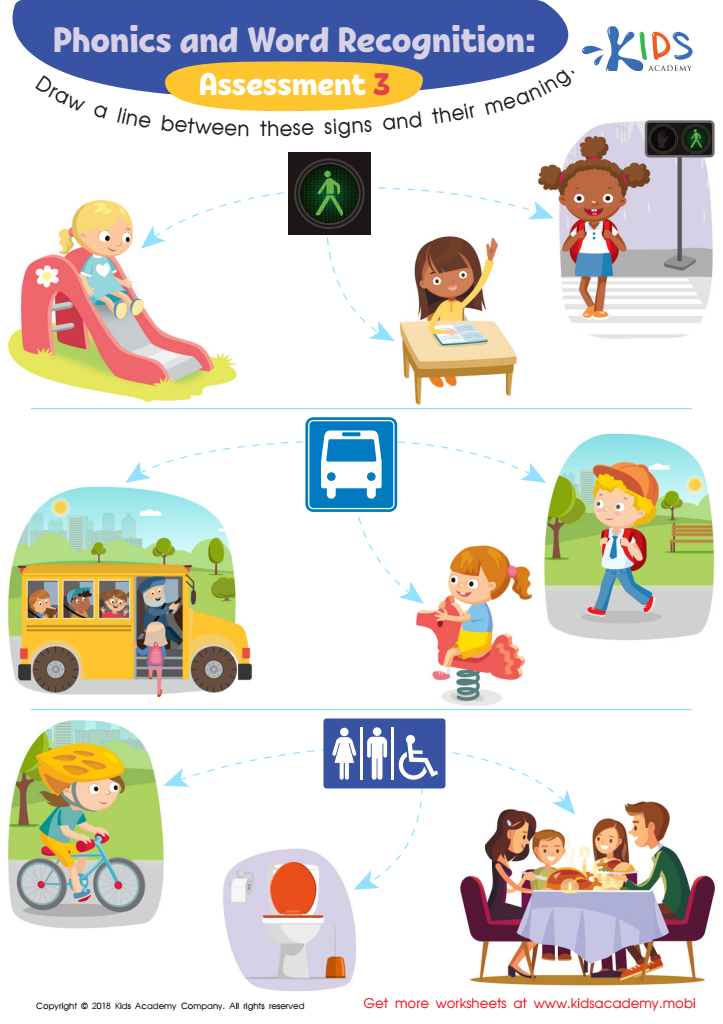
Phonological Awareness: Assessment 3 ELA Worksheet






Counting skills form the foundation of early mathematics, serving as a gateway to more complex concepts. For children aged 5-9, mastering counting is crucial not only in academics but also in everyday life. When parents and teachers prioritize developing these skills, they foster a child's ability to understand numbers, relationships, and patterns, which are vital cognitive abilities.
Incorporating counting into everyday life—such as counting steps, sorting objects, or measuring ingredients—makes learning relatable and practical. It instills a sense of curiosity and excitement about math, while also enhancing problem-solving and logical thinking skills. These experiences create a confident attitude towards future mathematical challenges and build a strong educational foundation.
Counting is also fundamental to understanding the World Around Us. It involves recognizing quantities, which is essential for everything from doing arithmetic to understanding concepts in science, economics, and even arts like music and visual design. It trains children to observe, compare, and organize information efficiently.
Parents and teachers must focus on making counting fun and engaging through games, activities, and real-life situations. When children see math as a seamless part of their daily lives, they're more likely to develop adaptive skills that transcend the classroom and prepare them for a successful future in a numeracy-driven world.