Letter-sound association Alphabet Worksheets for 5-Year-Olds
11 filtered results
-
From - To
Discover our engaging Letter-Sound Association Alphabet Worksheets designed specifically for 5-year-olds! These interactive resources help young learners connect letters with their corresponding sounds, a crucial skill for early literacy development. Our worksheets incorporate playful activities, colorful illustrations, and fun exercises that keep children motivated while building phonemic awareness. Perfect for home or classroom use, these worksheets foster a love for language and pave the way for successful reading. Whether your child is just starting their alphabet journey or needs reinforcement, our carefully crafted worksheets will provide the support and excitement needed for mastering letter-sound associations. Start learning and playing today!
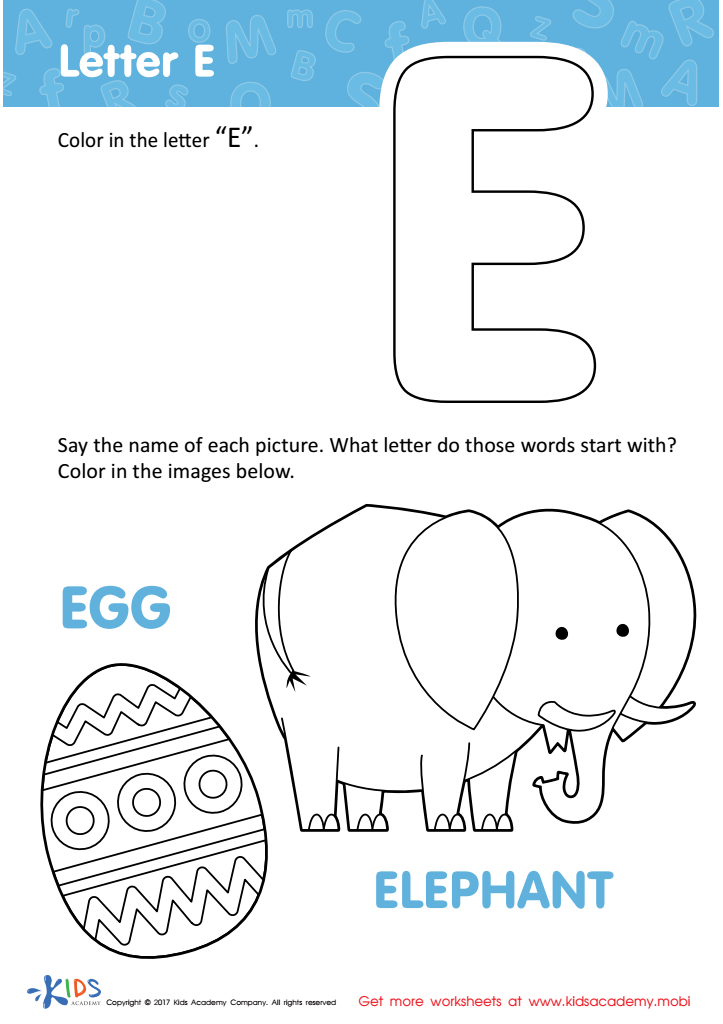
Letter E Coloring Sheet
 Assign to My Students
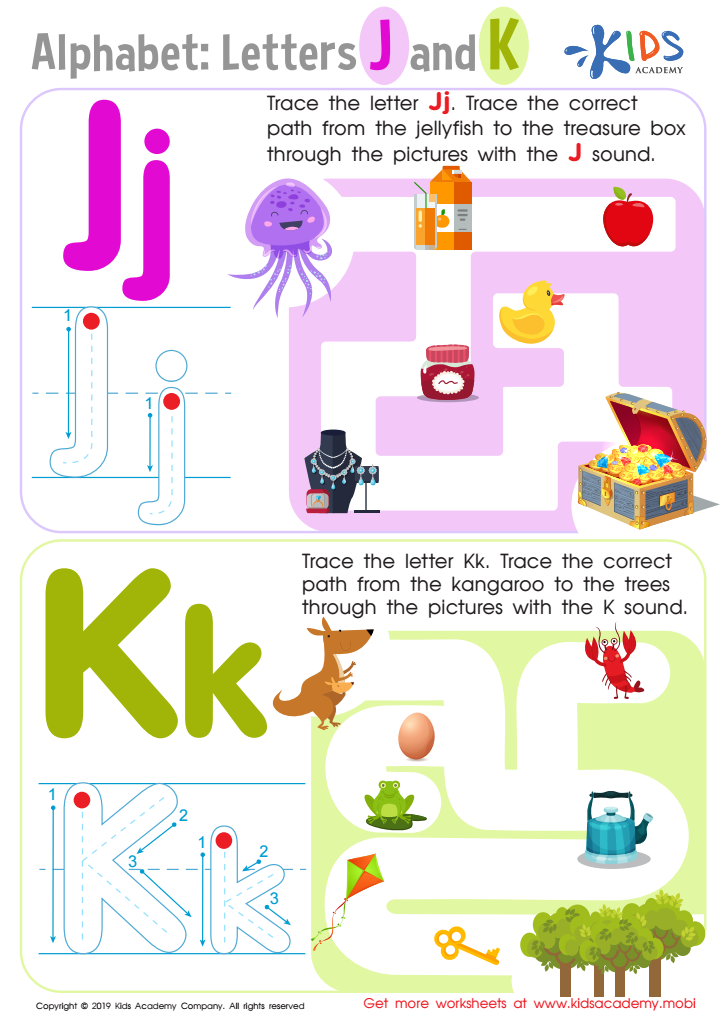
Letters J and K Tracing Worksheet
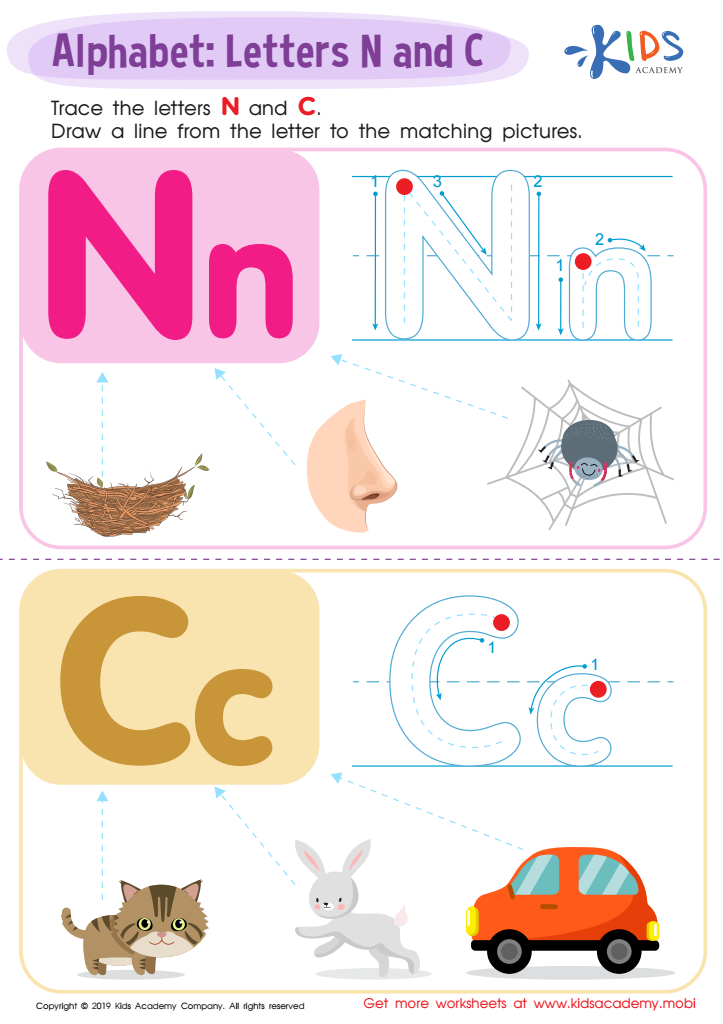
Letter N and C Tracing Worksheet
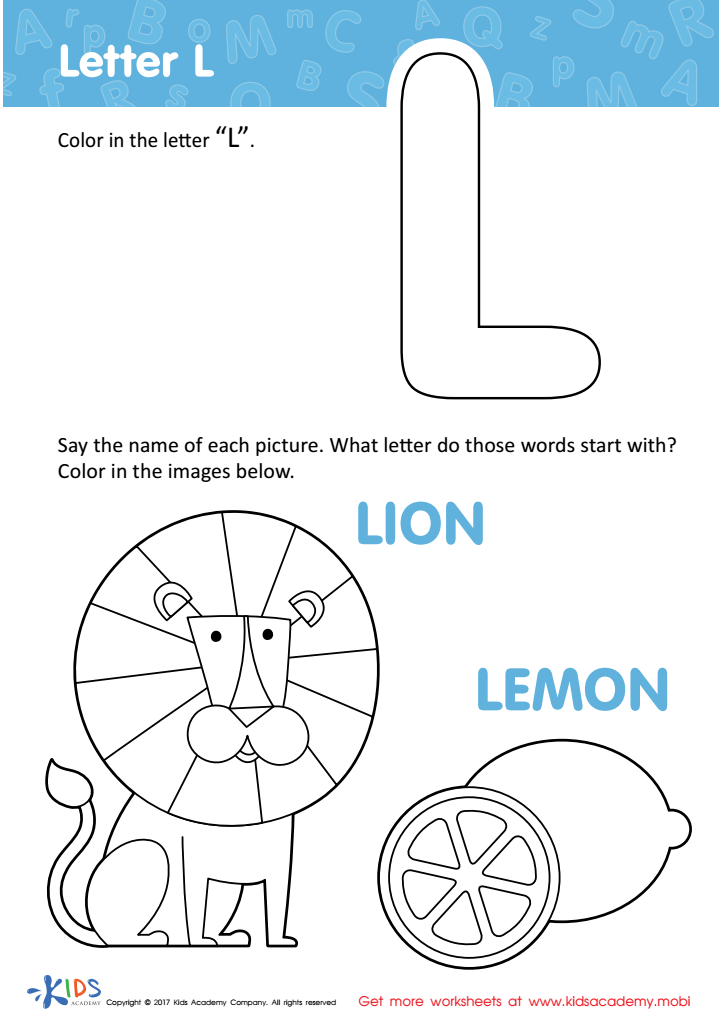
Letter L Coloring Sheet
Assign to My Students
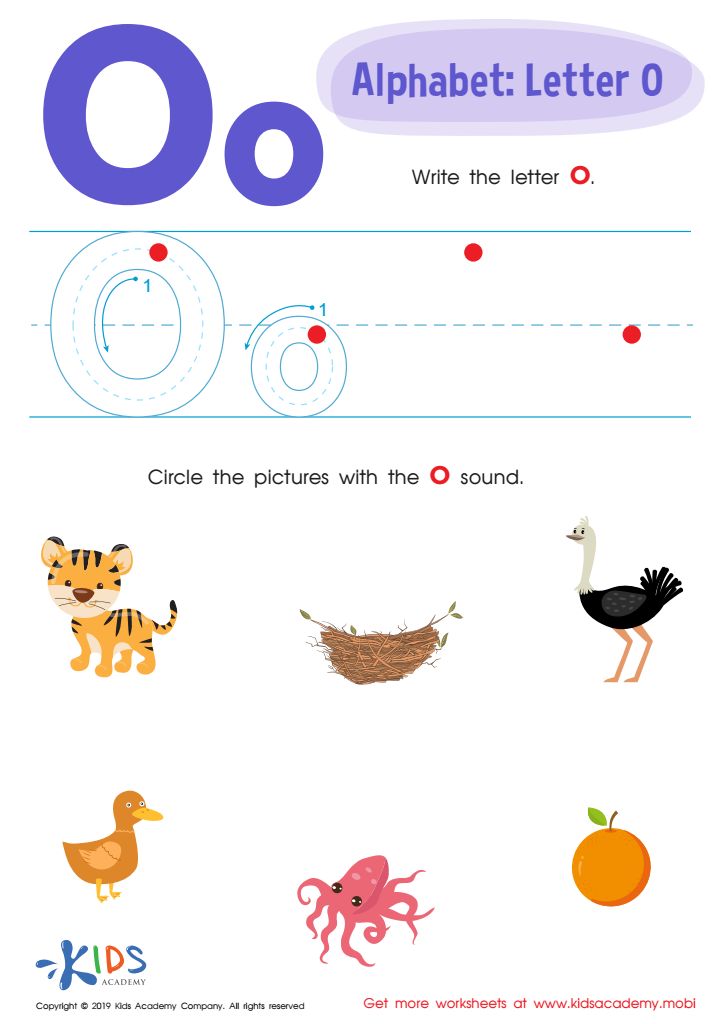
Letter O Tracing Worksheet
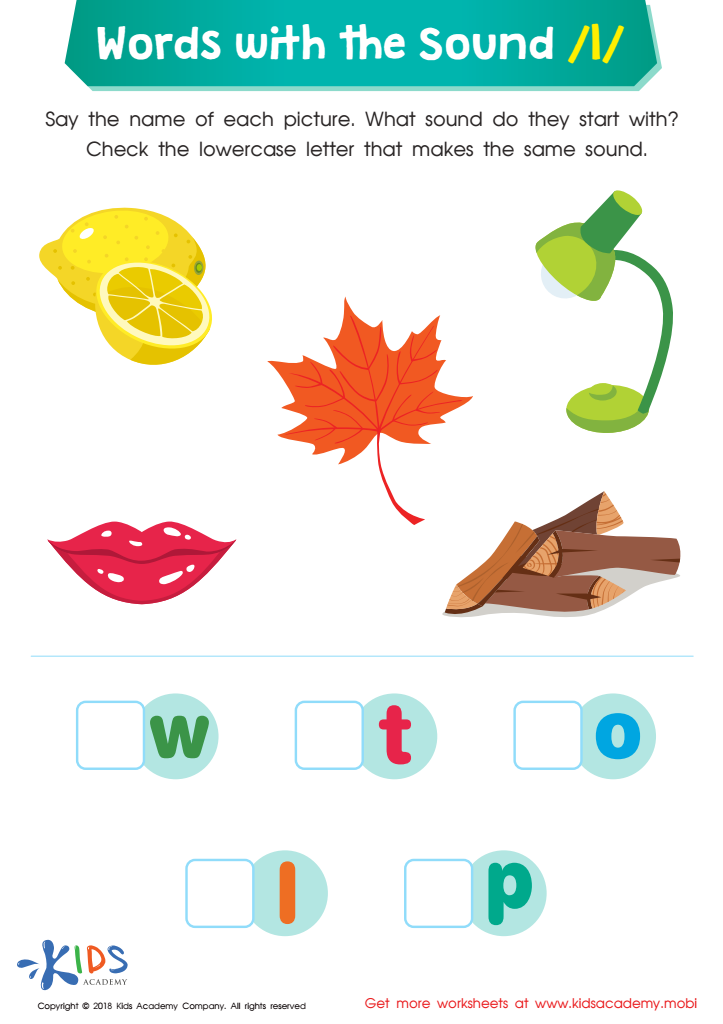
Words with Sound L Reading Worksheet
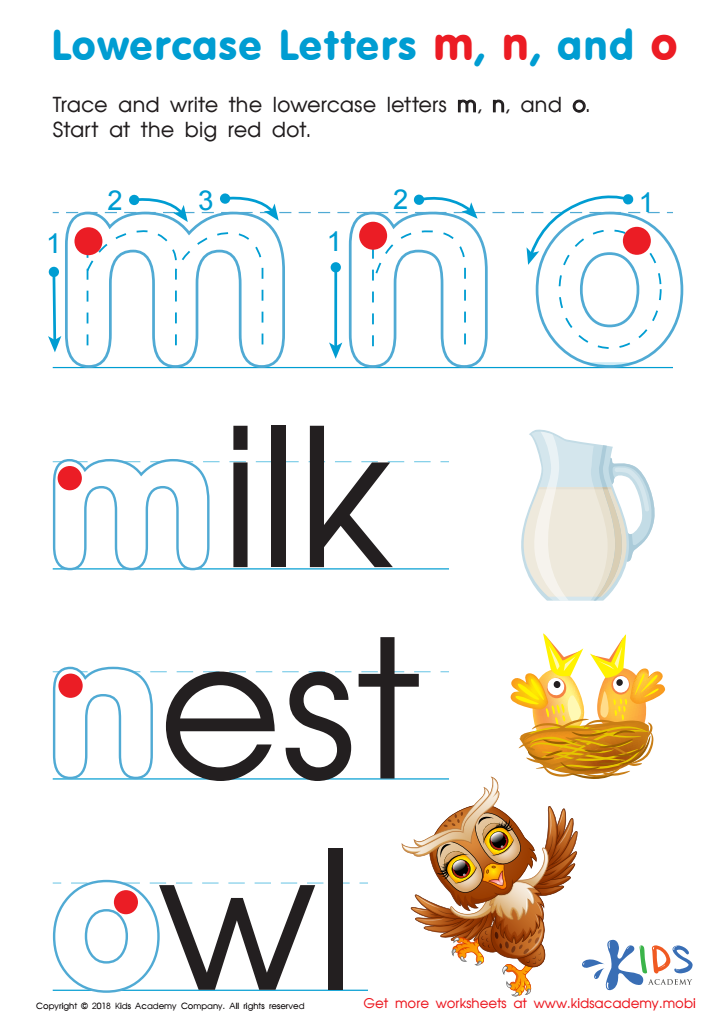
Lowercase Letters m n o Worksheet
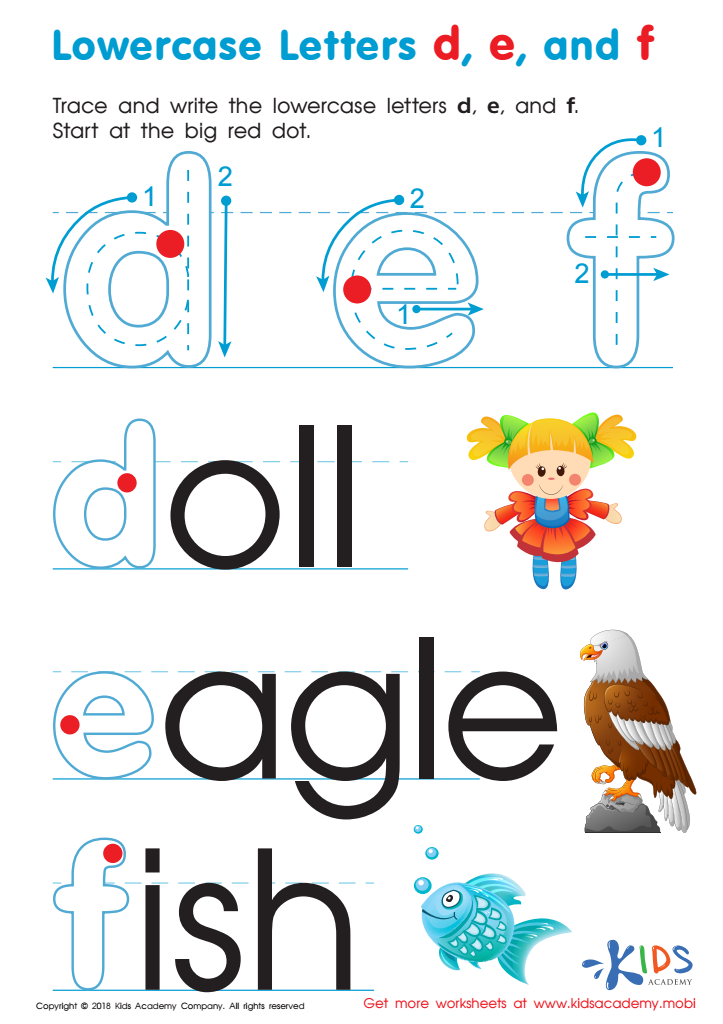
Lowercase Letters d e f Worksheet
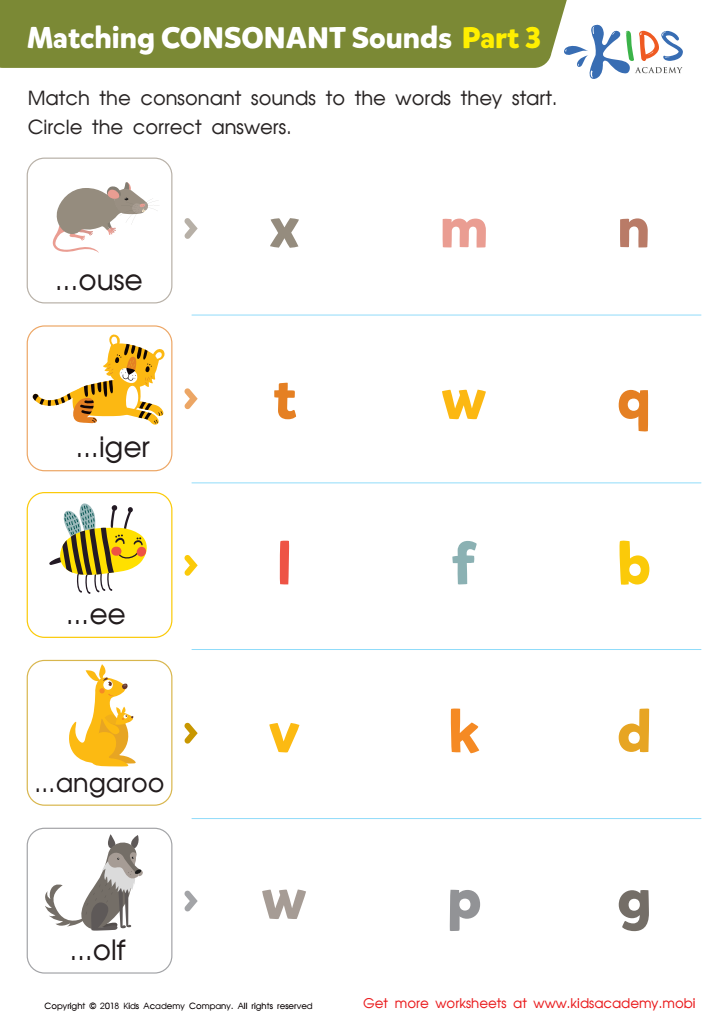
Matching Consonant Sounds: Part 3 Worksheet
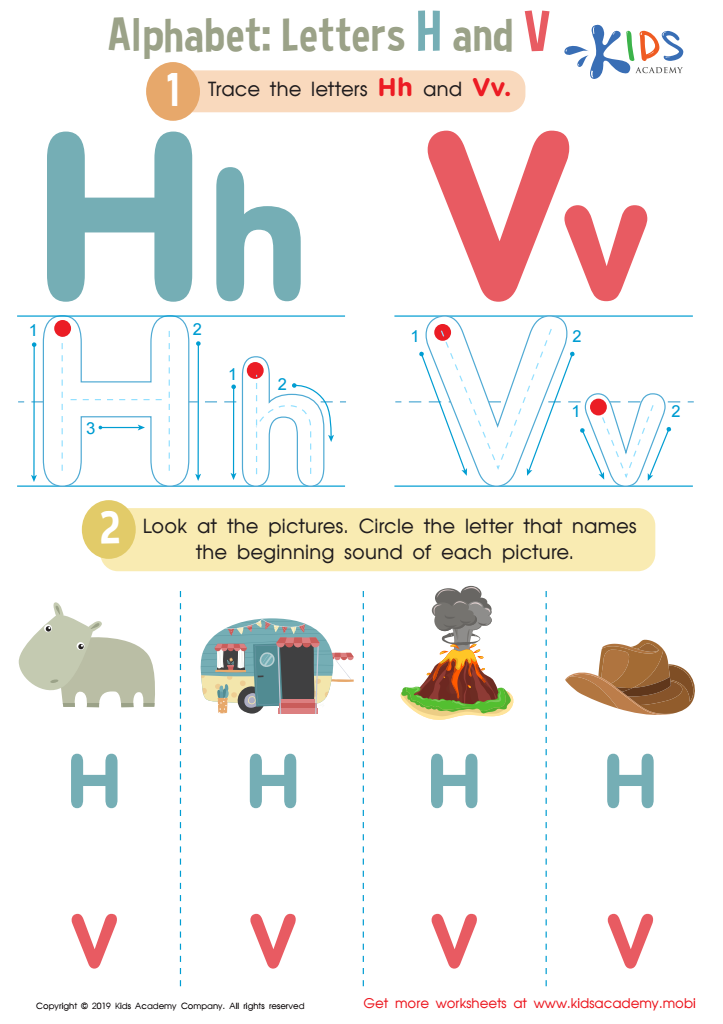
Letters H and V Tracing Worksheet
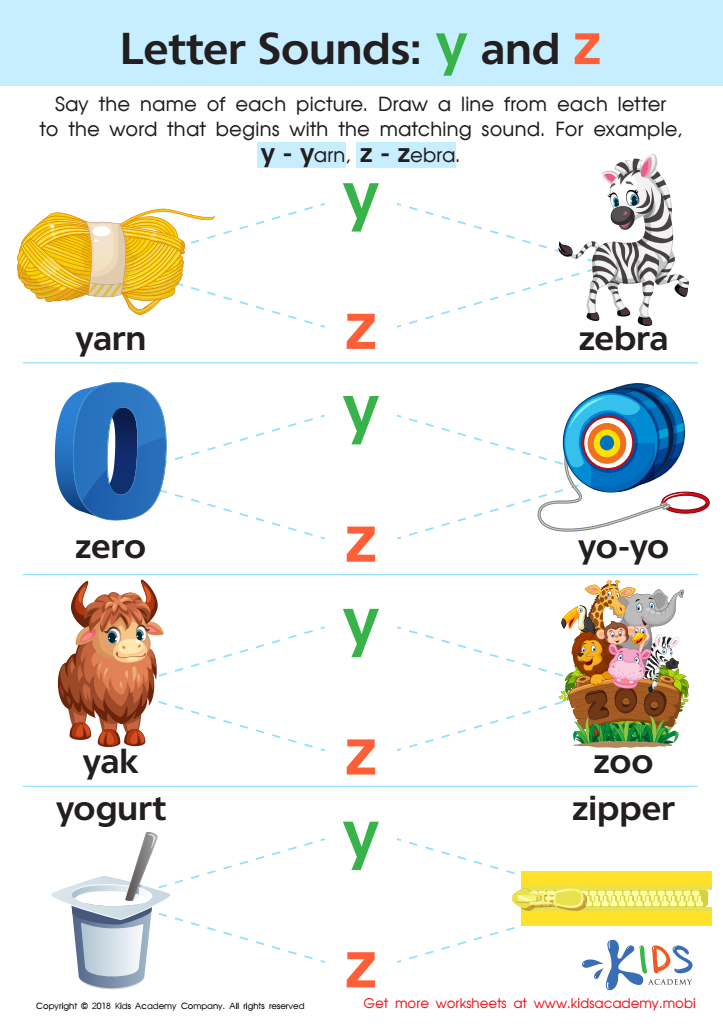
Letter Y and Z Sounds Worksheet





Letter-sound association is a foundational skill in early literacy that significantly impacts a child's reading abilities. For 5-year-olds, understanding this connection lays the groundwork for future reading and writing. When children learn the sounds associated with letters, they become equipped to decode words, facilitating their ability to read independently. This skill also enhances their spelling and vocabulary development, which are critical for effective communication.
Teachers and parents should prioritize letter-sound association because children who struggle with this basic skill may face challenges later in their educational journey. By fostering strong phonetic skills at an early age, adults can help children develop confidence in their reading abilities, making learning more enjoyable. Furthermore, engaging in letter-sound activities can strengthen the home-school connection, providing a cohesive approach to literacy.
Moreover, early exposure to letter-sound relationships can reduce literacy gaps among children from diverse backgrounds. Remember, mastering letter-sound association not only sets the stage for reading success but also cultivates a lifelong love for reading and learning. By caring about this crucial aspect of literacy development, parents and teachers can empower young learners and set them on a path toward academic achievement.







