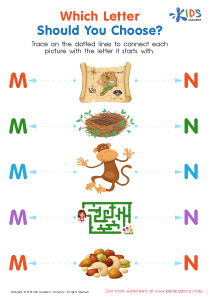
Letter recognition Lowercase/Small Letters Worksheets for 5-Year-Olds
11 filtered results
-
From - To
Discover our engaging lowercase letter recognition worksheets designed specifically for 5-year-olds! These fun and interactive activities help young learners identify and familiarize themselves with small letters through cutting, coloring, and tracing exercises. Our thoughtfully crafted worksheets encourage creativity while reinforcing essential early literacy skills. Perfect for both at-home practice and classroom settings, these resources make learning enjoyable and effective. Watch your child gain confidence in recognizing lowercase letters as they complete each colorful page. Begin your child's educational journey today with our comprehensive range of printable worksheets that ignite a passion for learning the alphabet! Explore now and foster early reading skills!
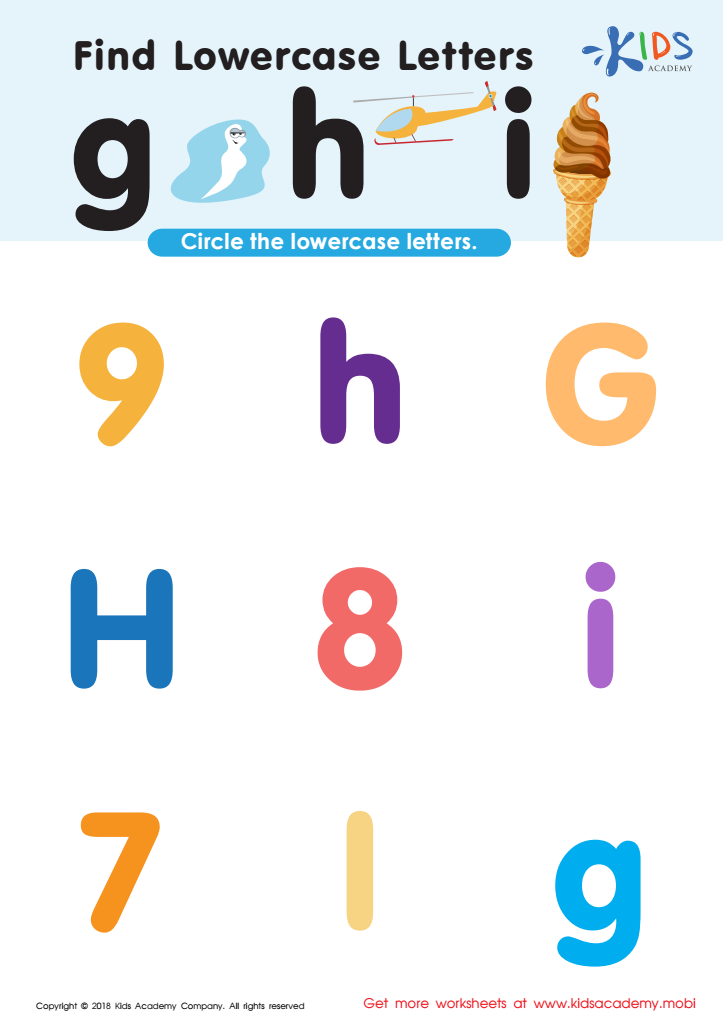
Find Lowercase Letters g h i Worksheet
 Assign to My Students
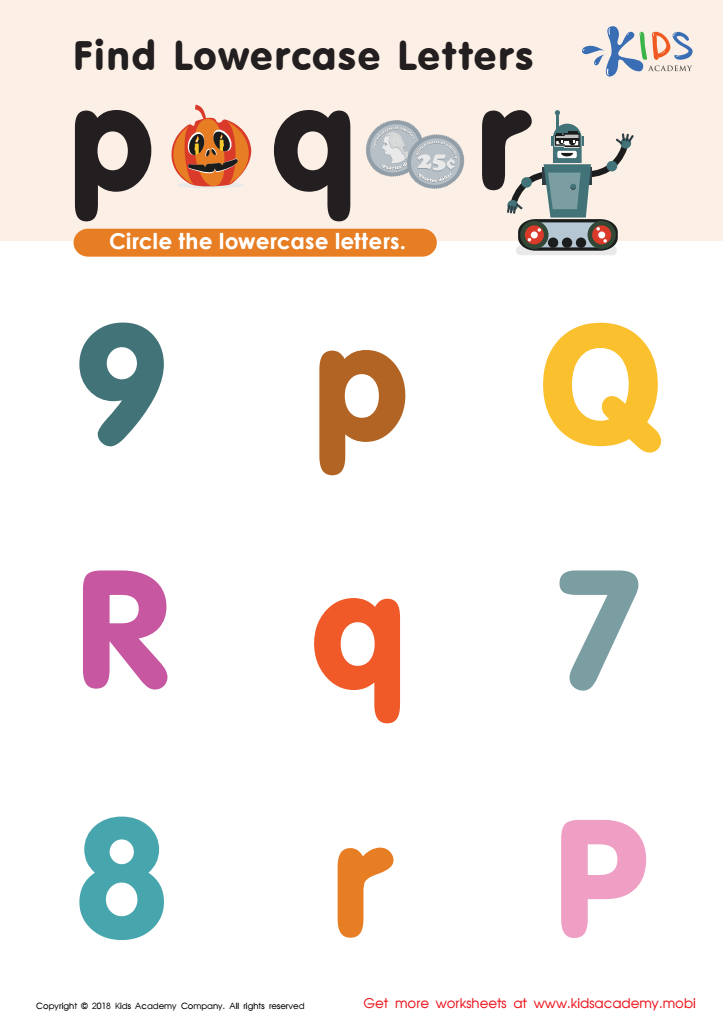
Find lowercase Letters p q r Worksheet
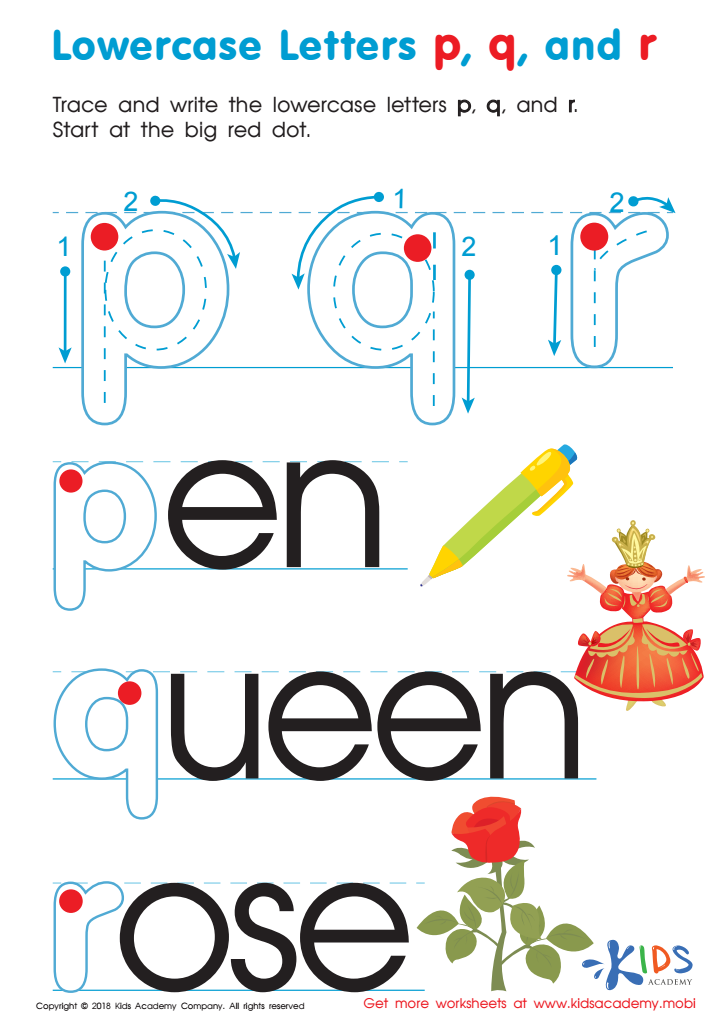
Lowercase Letters p q r Worksheet
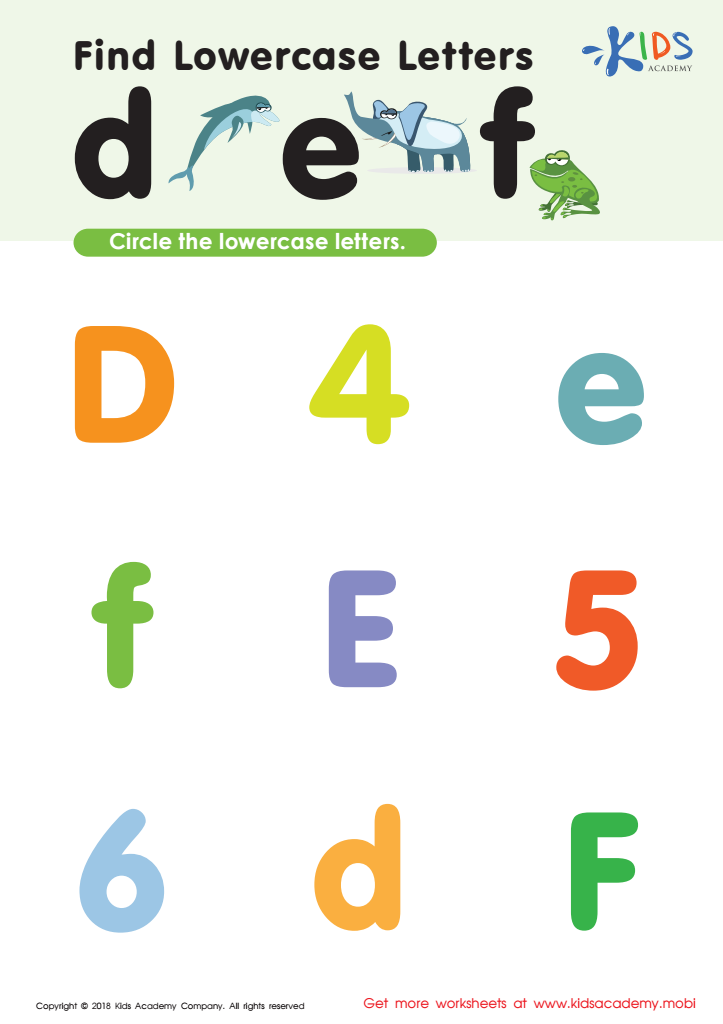
Find Lowercase Letters d e f Worksheet
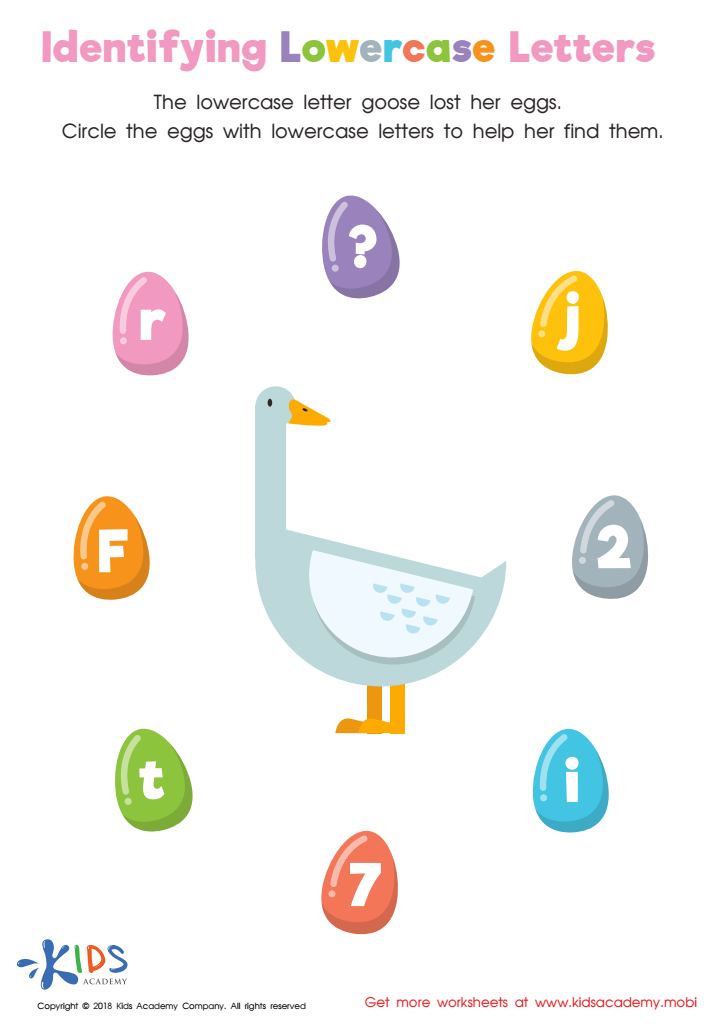
Identifying Lowercase Letters Worksheet
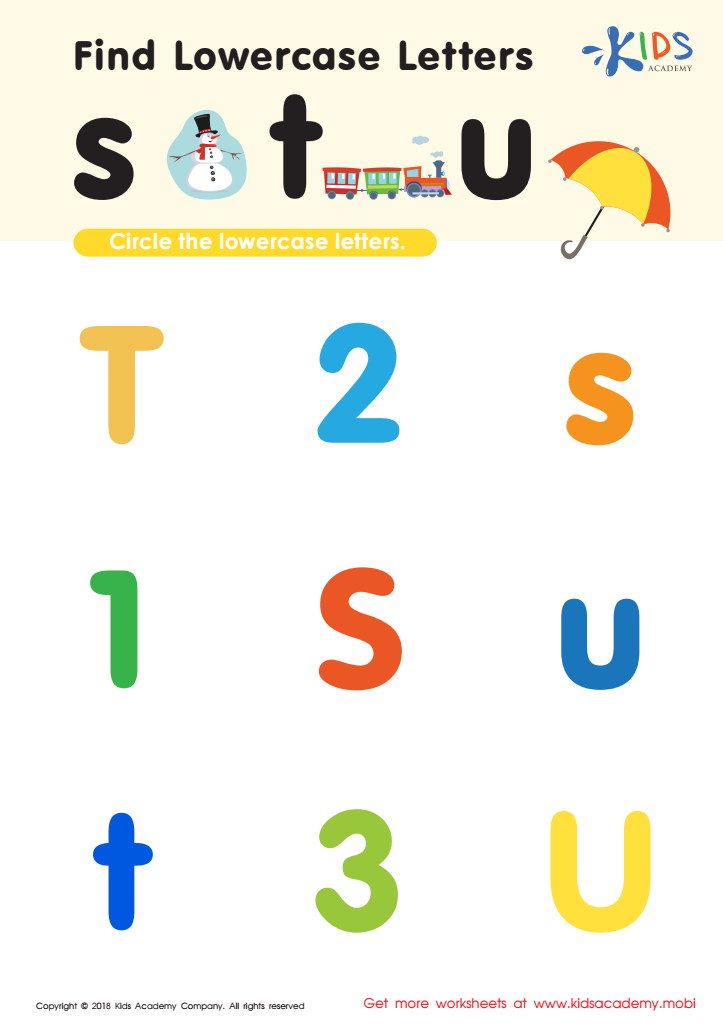
Find lowercase Letters s t u Worksheet
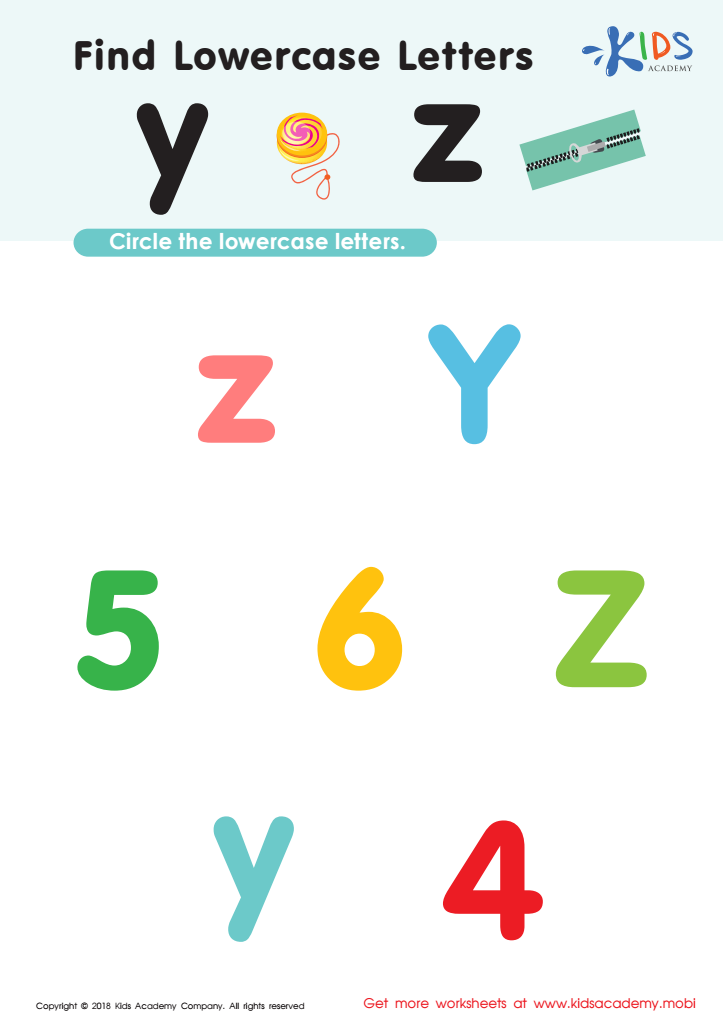
Find Lowercase Letters y z Worksheet
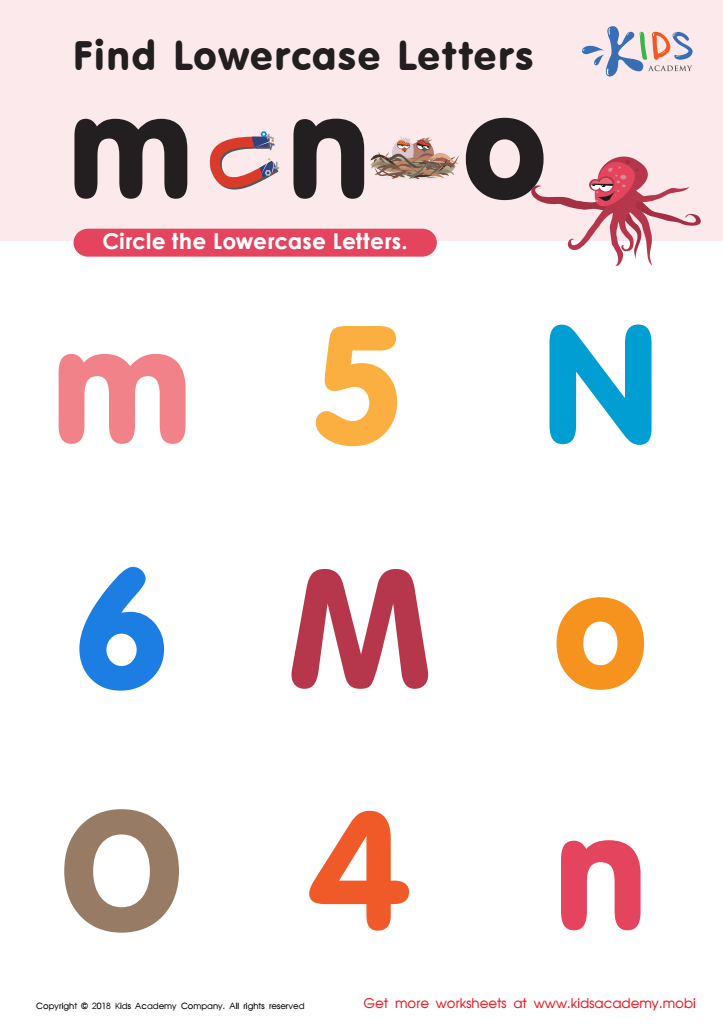
Find Lowercase Letters m n o Worksheet

Find lowercase letters a b c Worksheet
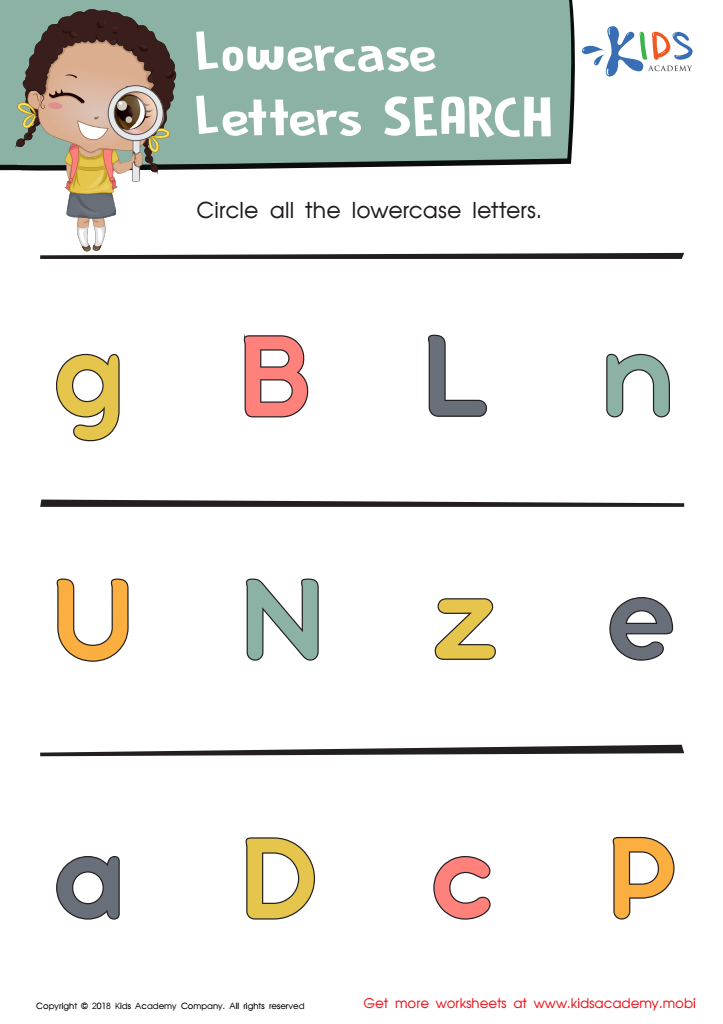
Lowercase Letters Search: Assessment Worksheet

Find Lowercase Letters v w x Worksheet


Letter recognition, particularly of lowercase letters, is crucial for 5-year-olds as it lays the foundation for successful reading and writing skills. At this age, children develop their phonemic awareness, which is essential for understanding how letters represent sounds. Recognizing lowercase letters helps children make connections between written language and spoken sounds, enhancing their ability to blend phonemes and decode words.
Moreover, most texts children encounter are written in lowercase. When kids are familiar with small letters, they can access a broader range of books and educational materials, allowing them to practice and enhance their reading comprehension skills.
Parents and teachers should also recognize that mastering lowercase letters promotes overall cognitive development. Engaging in letter recognition activities fosters curiosity, boosts memory retention, and encourages problem-solving skills.
Additionally, being able to distinguish between uppercase and lowercase letters is vital for effective communication and literacy. Since aspects like writing their names and forming simple sentences usually involve lowercase letters, swift recognition directly contributes to a child's confidence in their literacy abilities.
In summary, supporting lowercase letter recognition in young learners is essential for their cognitive, social, and academic development, paving the way for lifelong literacy and learning success.