Fine Motor Skills Phonics Worksheets for 5-Year-Olds
5 filtered results
-
From - To
Enhance your child's development with our "Fine Motor Skills Phonics Worksheets for 5-Year-Olds!" These engaging, printable worksheets seamlessly combine phonics practice with fine motor skill activities. Designed specifically for preschoolers, our resources help young learners strengthen their hand-eye coordination, handwriting, and dexterity while exploring letters and sounds. From tracing and cutting to coloring and matching games, each worksheet promotes early literacy and fine motor development in a fun and interactive way. Perfect for parents and educators, our materials are an excellent addition to any early childhood curriculum. Start your child’s learning journey today and watch their skills flourish!

Baa Baa Black Sheep Printable
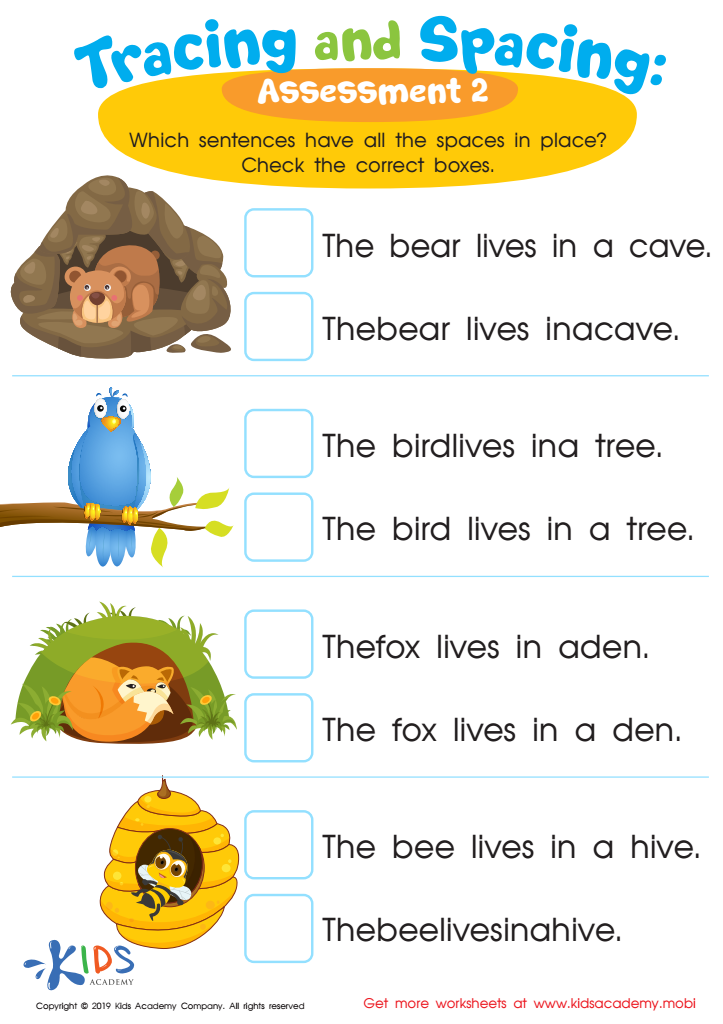
Tracing and Spacing: Assessment 2 Worksheet
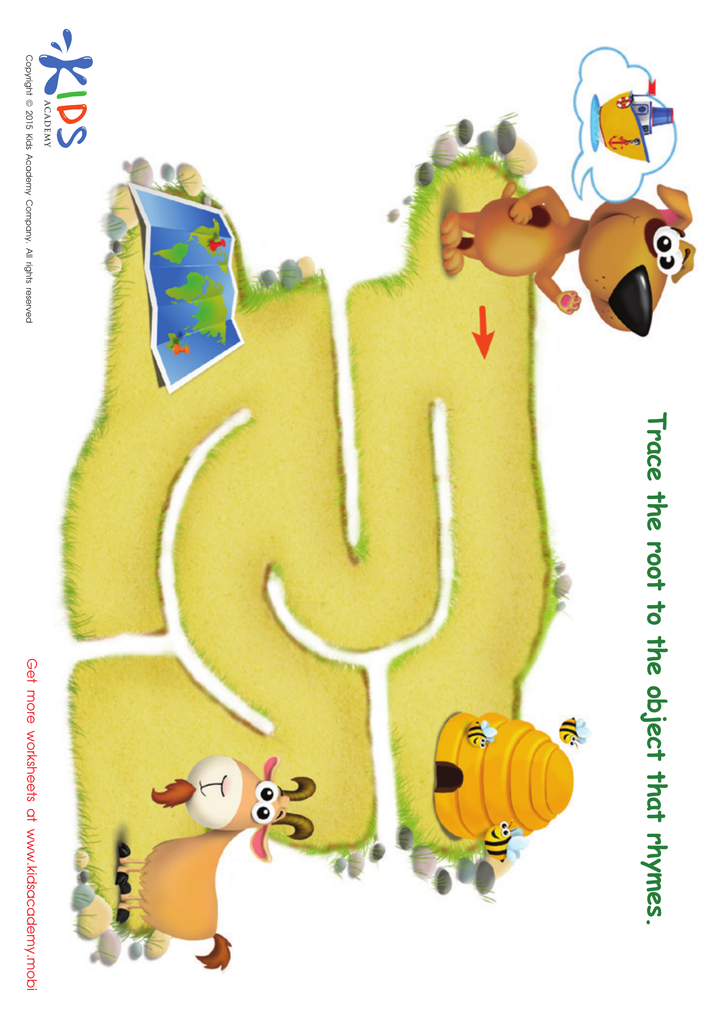
Boat Rhyming Words Worksheet
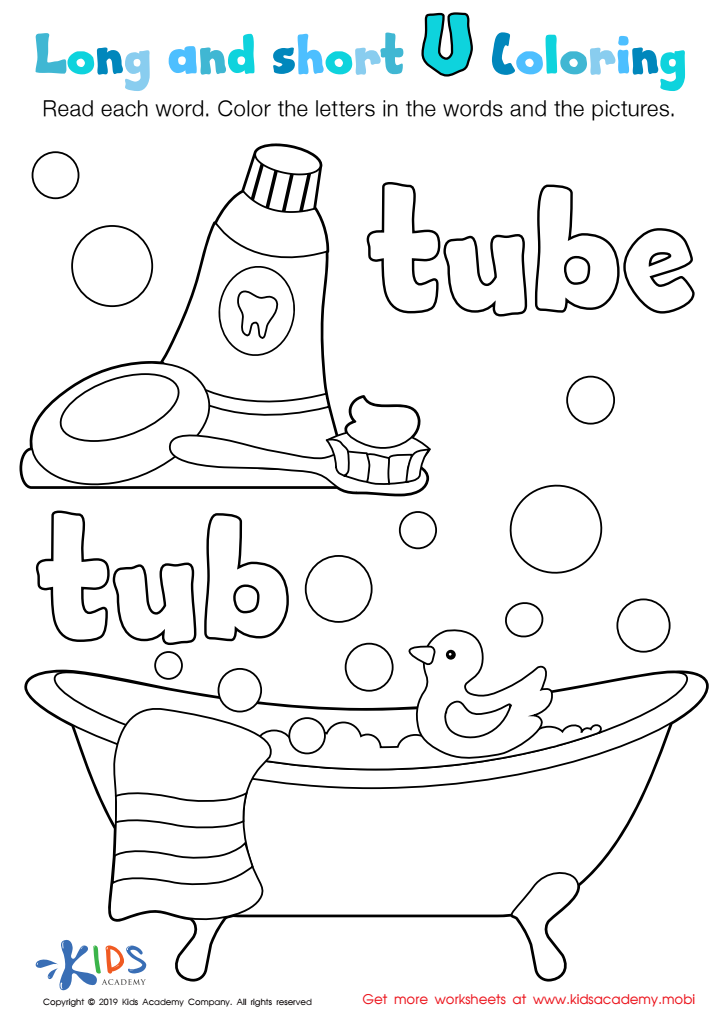
Long and Short U Worksheet
 Assign to My Students
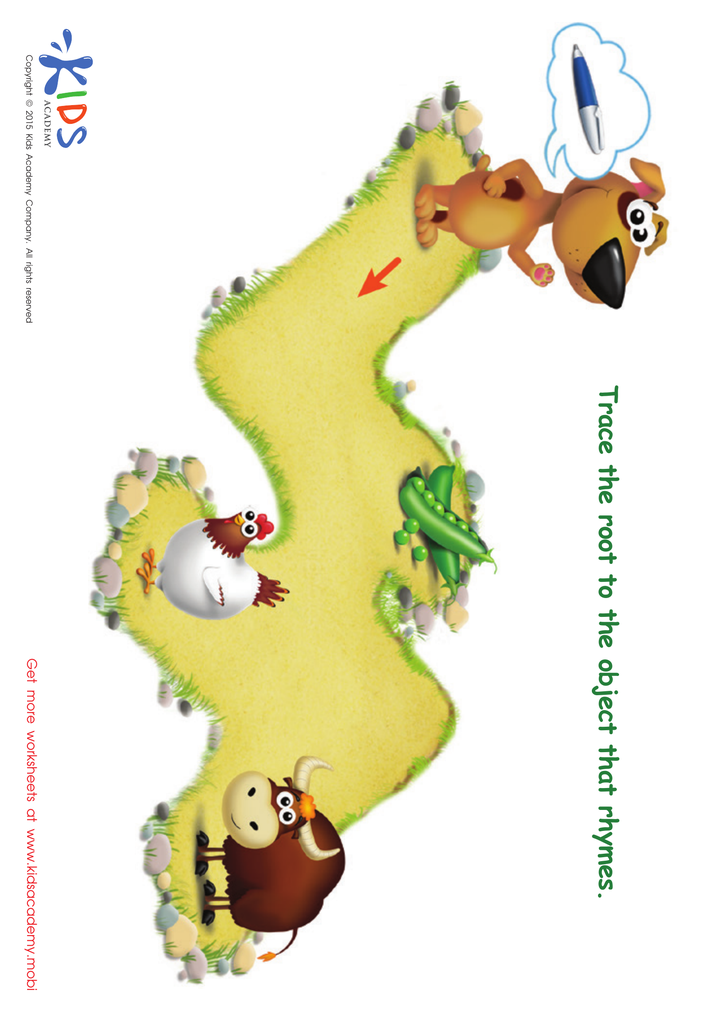
Pen Rhyming Words Worksheet








Fine motor skills are essential for early childhood development, as they are critical for tasks involving small muscle movements, such as writing, drawing, and manipulating classroom materials. For 5-year-olds, fine motor skills form a foundation for academic success, particularly in phonics learning. Phonics, the relationship between letters and sounds, requires children to engage with writing, which includes letter formation and using writing tools effectively.
When parents or teachers emphasize fine motor skills alongside phonics, they help children develop the necessary hand-eye coordination and dexterity to form letters and words. This skill set not only supports literacy but also boosts overall confidence in reading and writing activities, making learning more enjoyable for young learners.
Moreover, children who struggle with fine motor skills may experience frustration in phonics-related tasks, potentially leading to a lack of enthusiasm for reading and writing. By incorporating fine motor skill activities, such as playing with manipulatives, coloring, or cutting, educators and parents can create a more supportive learning environment. Ultimately, fostering fine motor skills nurtures a child's ability to communicate effectively and engage fully in their educational journey, reinforcing the importance of this essential developmental aspect.







