Associative learning Worksheets for 5-Year-Olds
3 filtered results
-
From - To
Discover our engaging Associative Learning Worksheets designed specifically for 5-year-olds! These interactive resources enhance critical thinking by encouraging young learners to identify connections between words, images, and concepts. Our worksheets promote vocabulary development and strengthen comprehension skills through fun activities like picture matching, categorization exercises, and pattern recognition. Ideal for preschool or homeschool settings, these downloadable worksheets provide a perfect blend of education and entertainment, making learning enjoyable for young minds. Foster creativity and boost cognitive skills as your child builds their understanding of relationships between different objects and ideas. Start your child's journey to lifelong learning with our Associative Learning resources today!
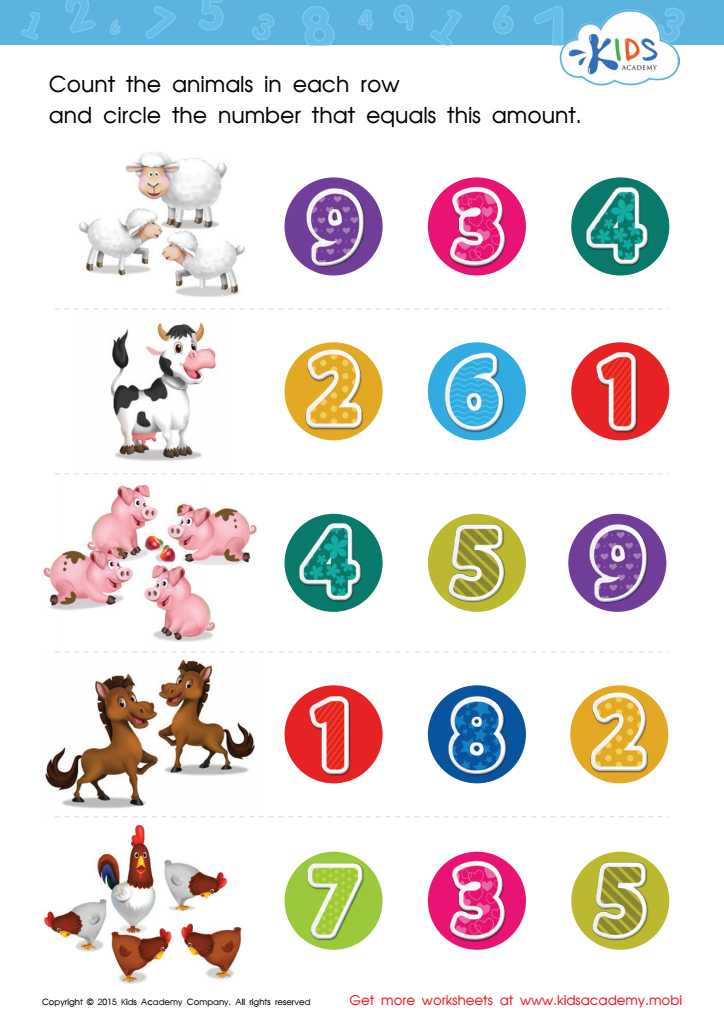
Count and Match 1 – 5 Math Worksheet
 Assign to My Students
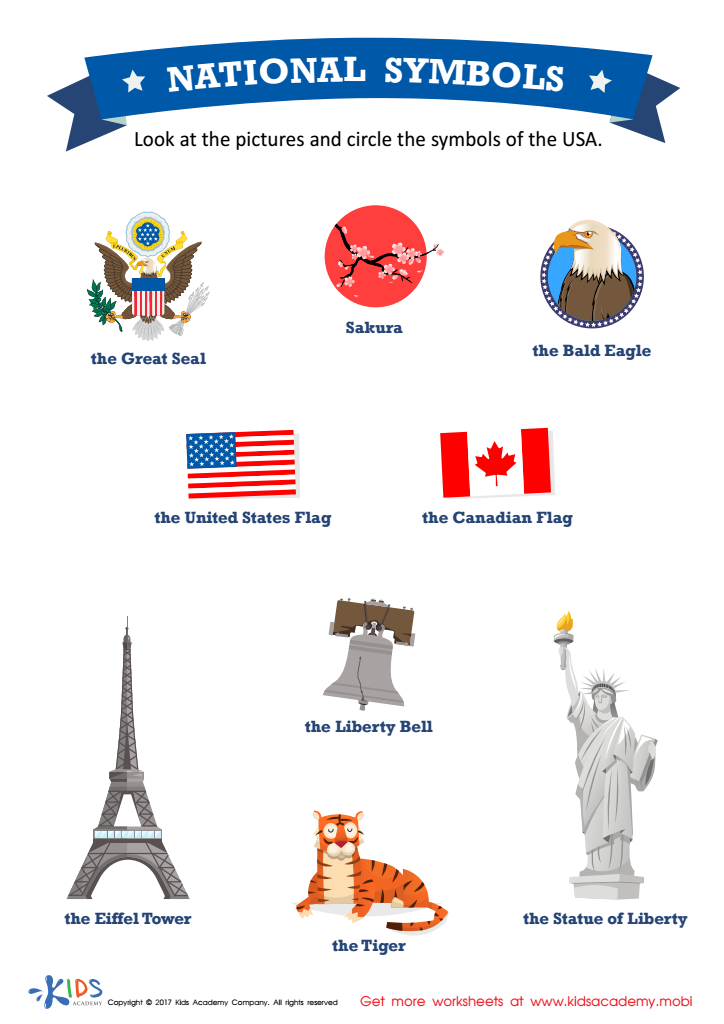
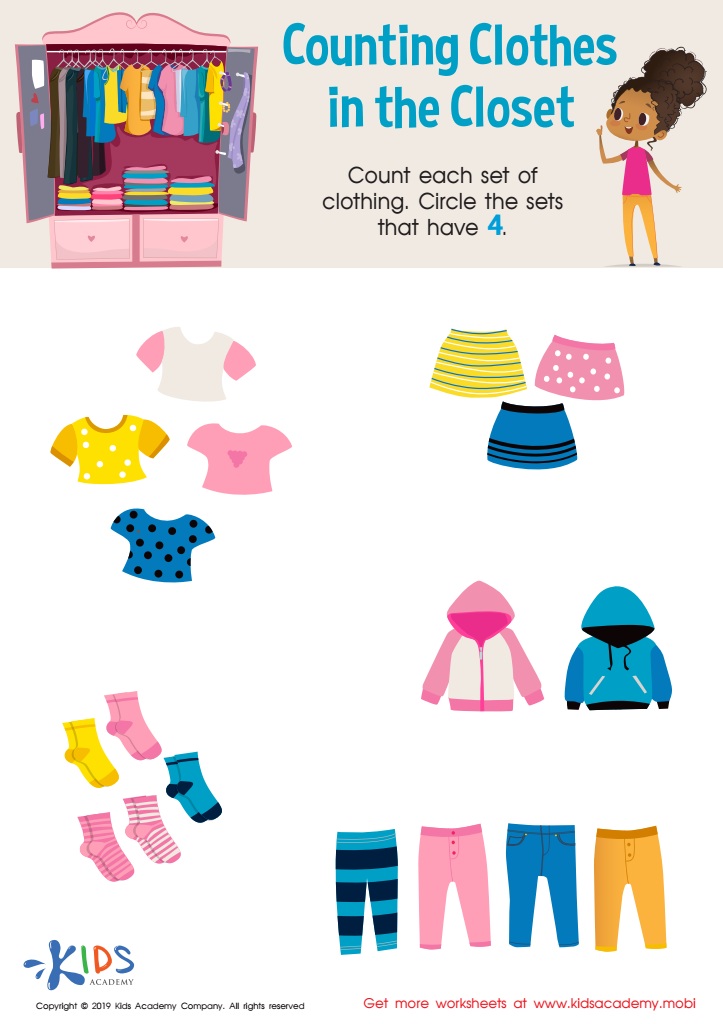
Counting Clothes Worksheet


.jpg)





Associative learning is a fundamental process through which children make connections between ideas, experiences, and emotions. For 5-year-olds, this type of learning is crucial as it forms the foundation for their cognitive and social development. Parents and teachers should care about associative learning because it enhances children's ability to understand relationships between concepts, thereby improving problem-solving and critical thinking skills.
At this stage, children often learn through play, experimenting with cause and effect, and recognizing patterns. By fostering a rich learning environment where associative learning is encouraged, adults can help children build vocabulary, enhance memory retention, and develop effective communication skills. For example, when children associate specific sounds with letters or relate math concepts to everyday situations, they gain a deeper understanding of how the world operates.
Moreover, associative learning supports emotional and social intelligence. Children learn to decode social cues and respond appropriately, which is essential for healthy interactions. By guiding this learning process, parents and teachers can nurture empathy and cooperative behavior. Ultimately, prioritizing associative learning in early childhood creates a strong foundation for lifelong learning, preparing children not just academically, but also socially and emotionally for future challenges.








