Building vocabulary Worksheets for 5-Year-Olds
3 filtered results
-
From - To
Welcome to our vibrant collection of vocabulary worksheets designed especially for 5-year-olds! Our engaging materials focus on expanding young learners' language skills through fun activities. Each worksheet encourages kids to explore words, boost their understanding, and enhance communication. With colorful illustrations and interactive exercises, these worksheets make learning enjoyable and effective. Perfect for at-home practice or classroom use, our resources cater to different learning styles, ensuring every child can thrive. Unlock the joy of words and help your child build a strong vocabulary foundation today! Browse our printable worksheets and watch their language skills flourish!
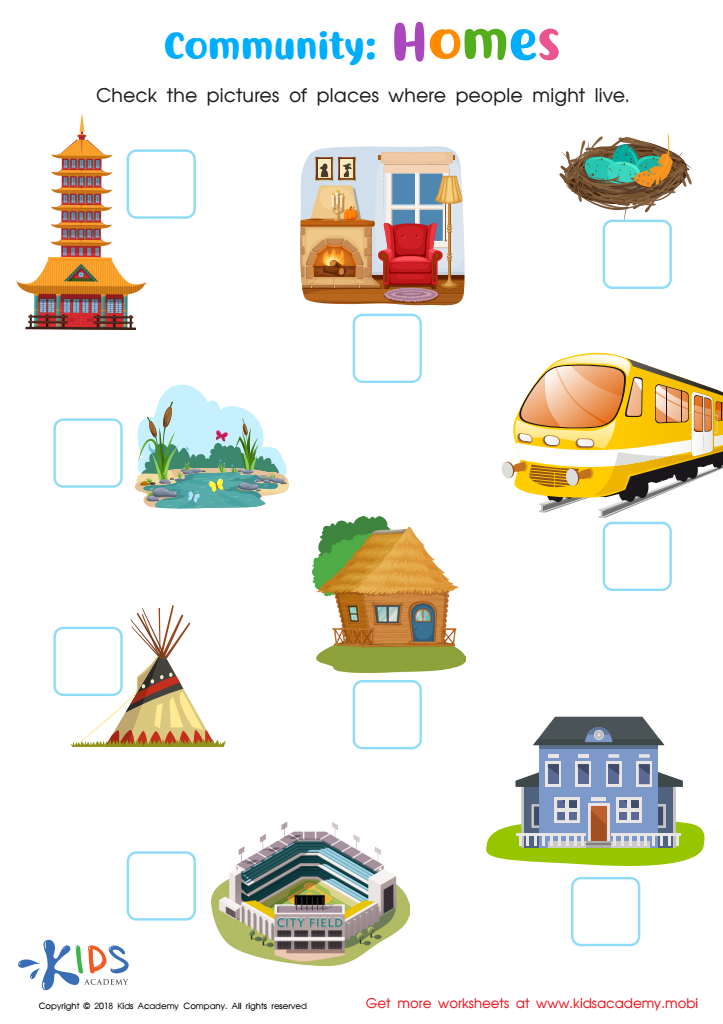
Community: Homes Worksheet
 Assign to My Students
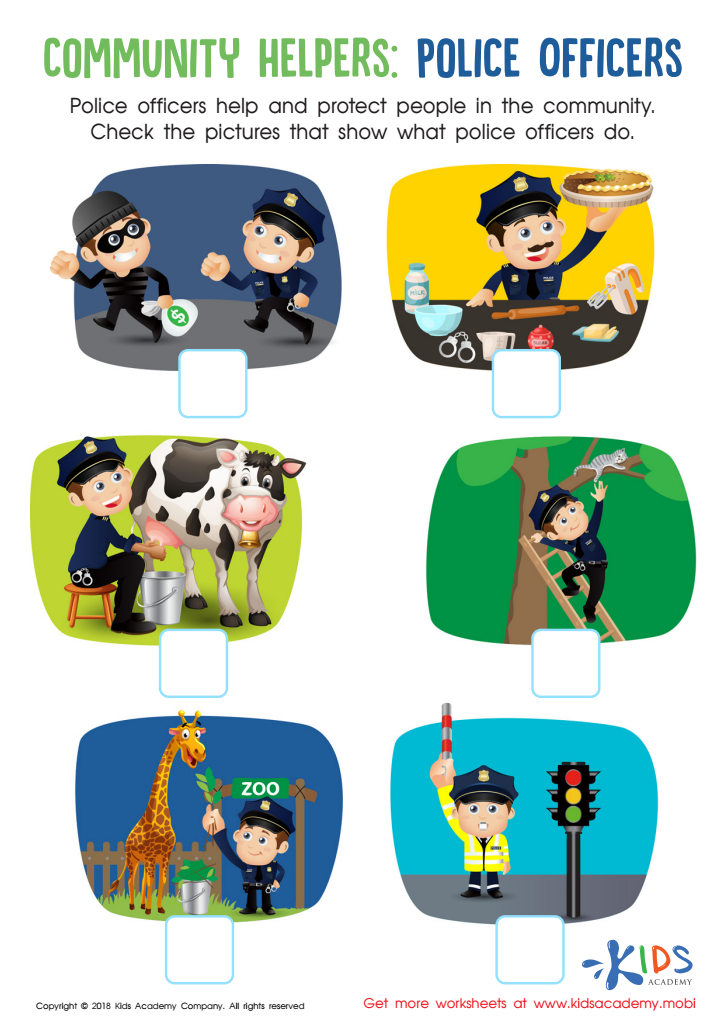
Police Officers Community Helpers Worksheet








Building vocabulary for 5-year-olds is crucial for multiple reasons, impacting their development and future academic success. At this age, children's brains are rapidly developing, making them highly receptive to language learning. A strong vocabulary lays the foundation for effective communication, enabling children to express their thoughts and feelings clearly.
Furthermore, vocabulary acquisition directly influences reading comprehension. As children encounter new words in stories or discussions, they are better equipped to understand context, themes, and character motivations. Parents and teachers play vital roles in this process by engaging children in rich conversations, reading diverse books, and encouraging them to ask questions.
Additionally, a robust vocabulary boosts a child's confidence and social skills. Being able to articulate ideas helps children connect with peers and adults, making them feel more competent in social situations. This social confidence further encourages participation in group activities, enriching their learning experiences.
Lastly, early vocabulary development can lead to long-term academic success. Children with a broader vocabulary at a young age are often better prepared for school, resulting in improved performance across subjects. Prioritizing vocabulary growth is essential for fostering well-rounded, confident, and competent learners.








