Counting proficiency Worksheets for 5-Year-Olds
12 filtered results
-
From - To
Help your 5-year-old master foundational math skills with our Counting Proficiency Worksheets! Designed by educational experts, these engaging resources make learning numbers fun and interactive. Each worksheet features colorful illustrations and varied activities that inspire young learners to practice counting, number recognition, and simple arithmetic. Our collection caters to different learning styles, ensuring every child can find exercises that suit their needs. Whether at home or in the classroom, these worksheets provide the perfect balance of challenge and enjoyment to promote confidence in early math skills. Boost your child's counting proficiency and set the stage for future success!
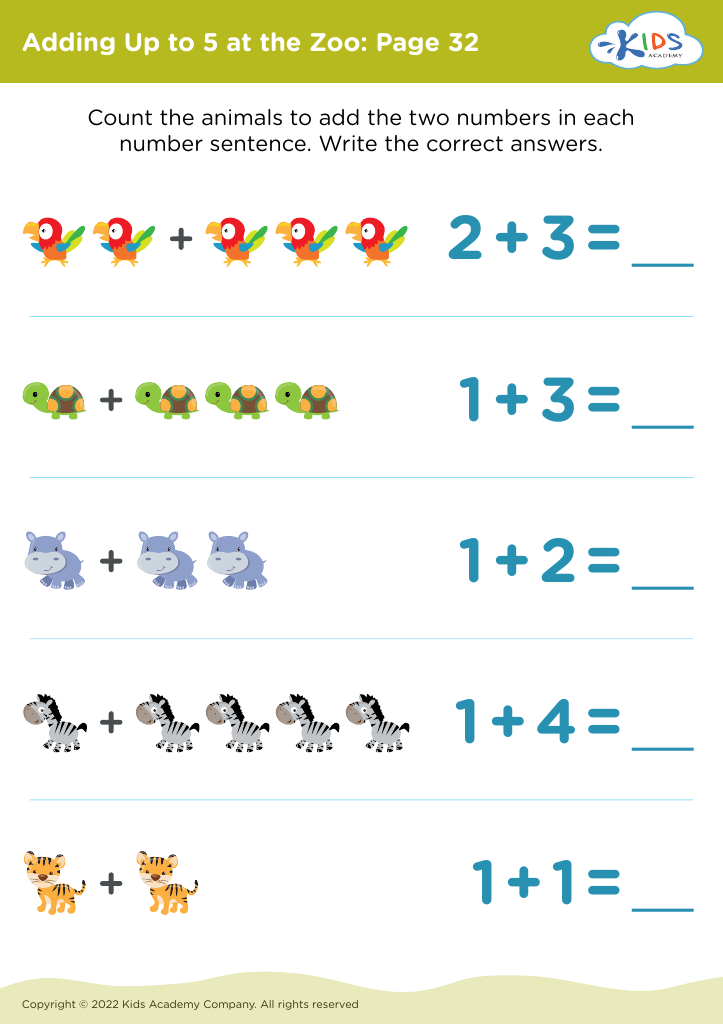
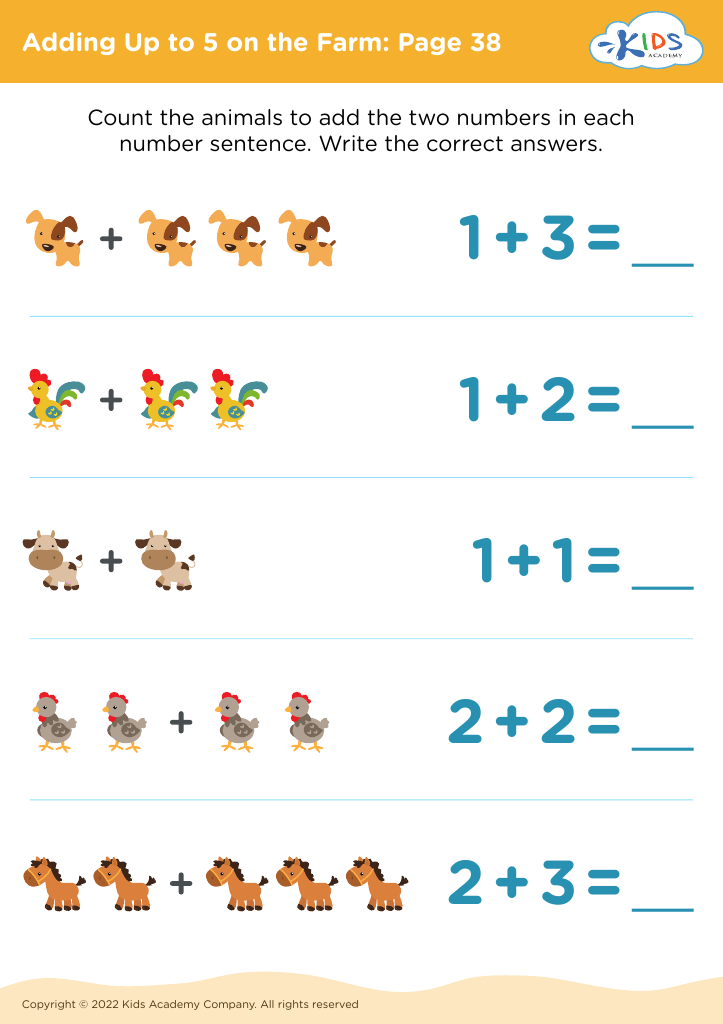
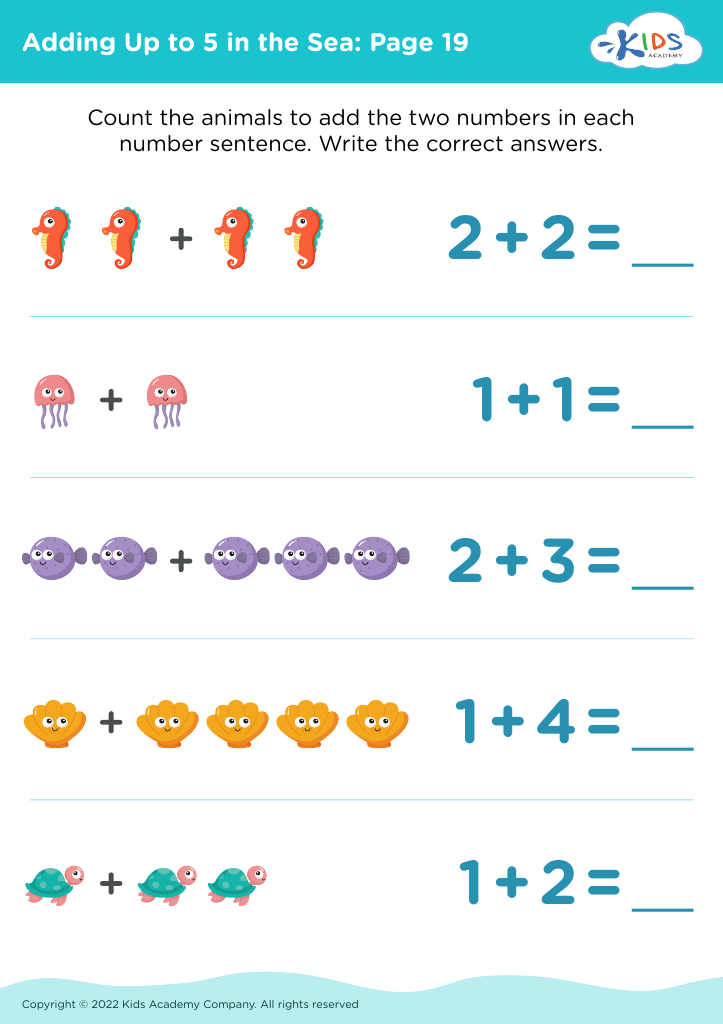
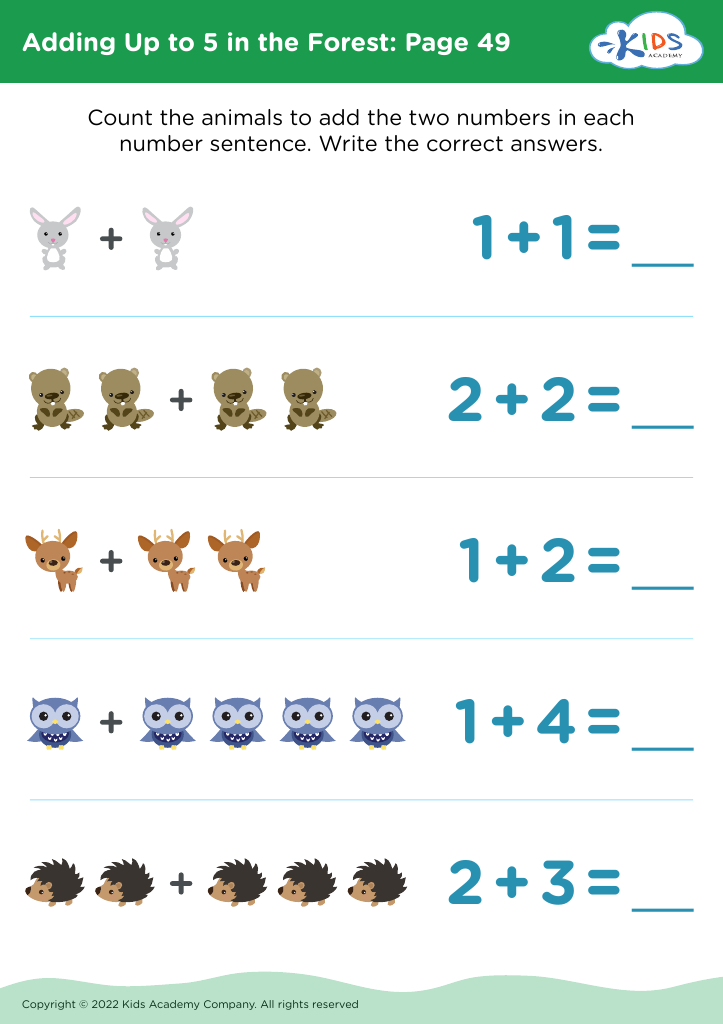
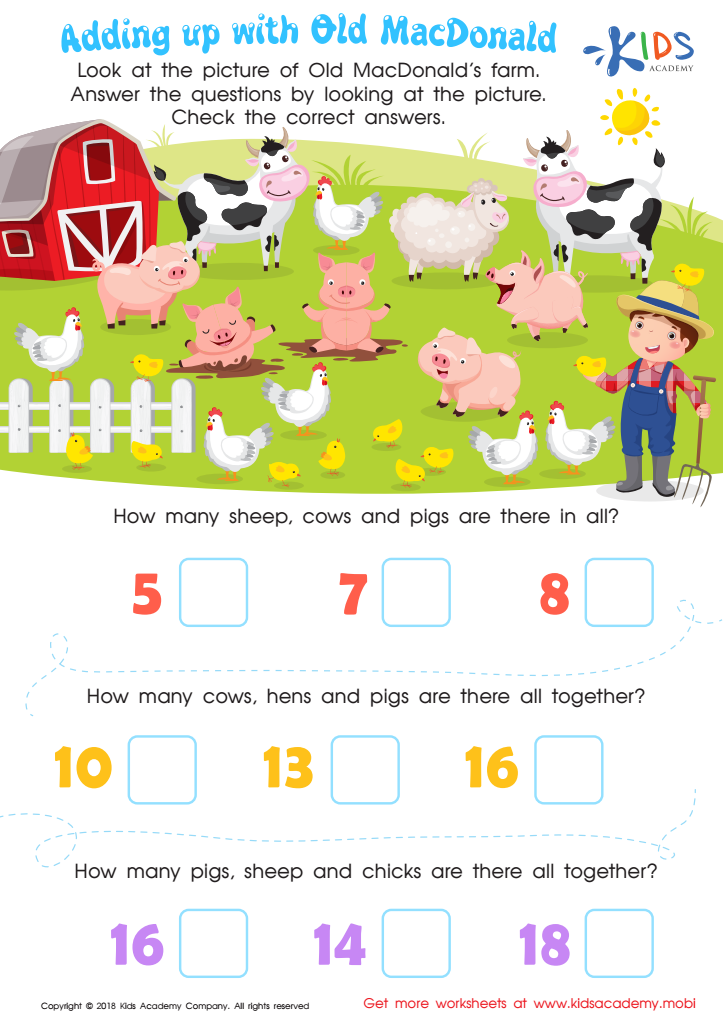
Adding Up with Old MacDonald Worksheet
 Assign to My Students
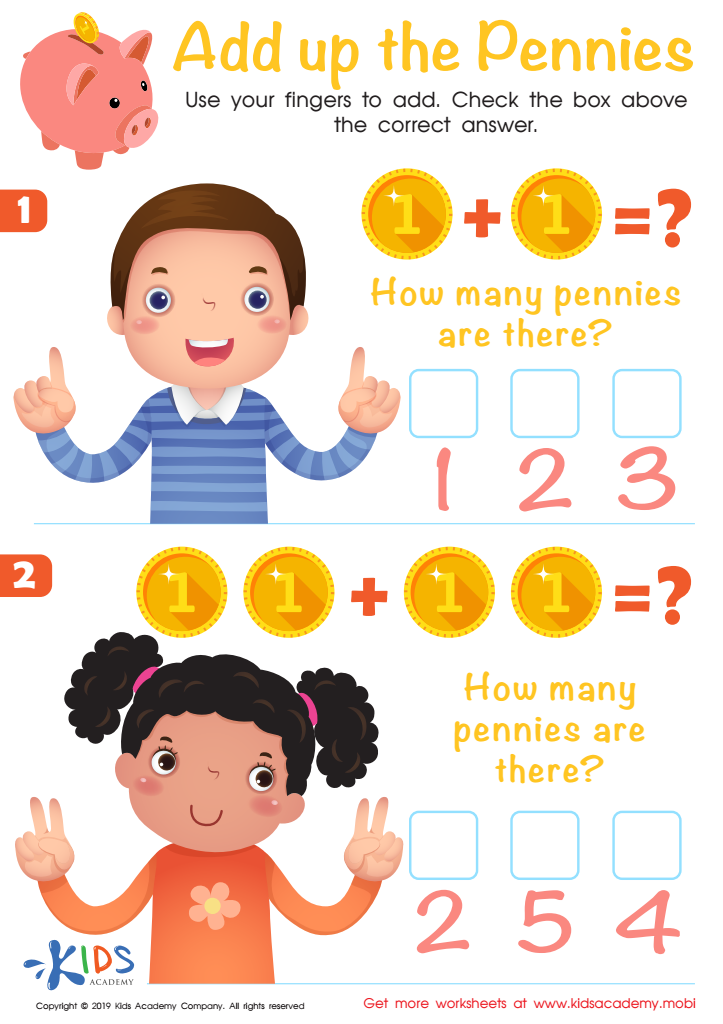
Add up the Pennies Worksheet
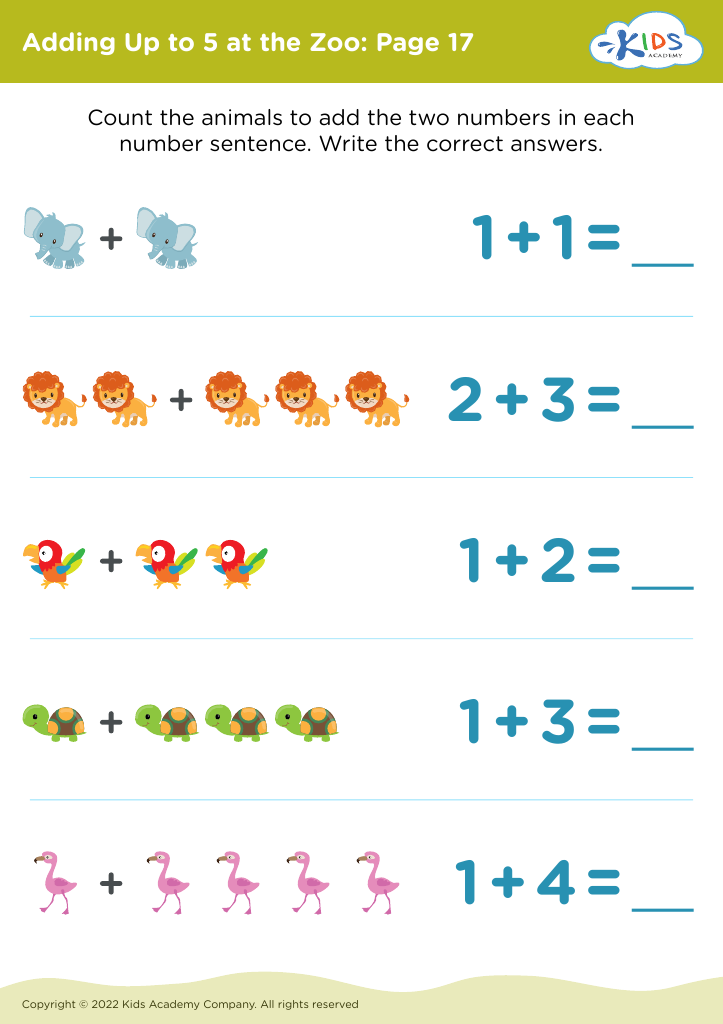
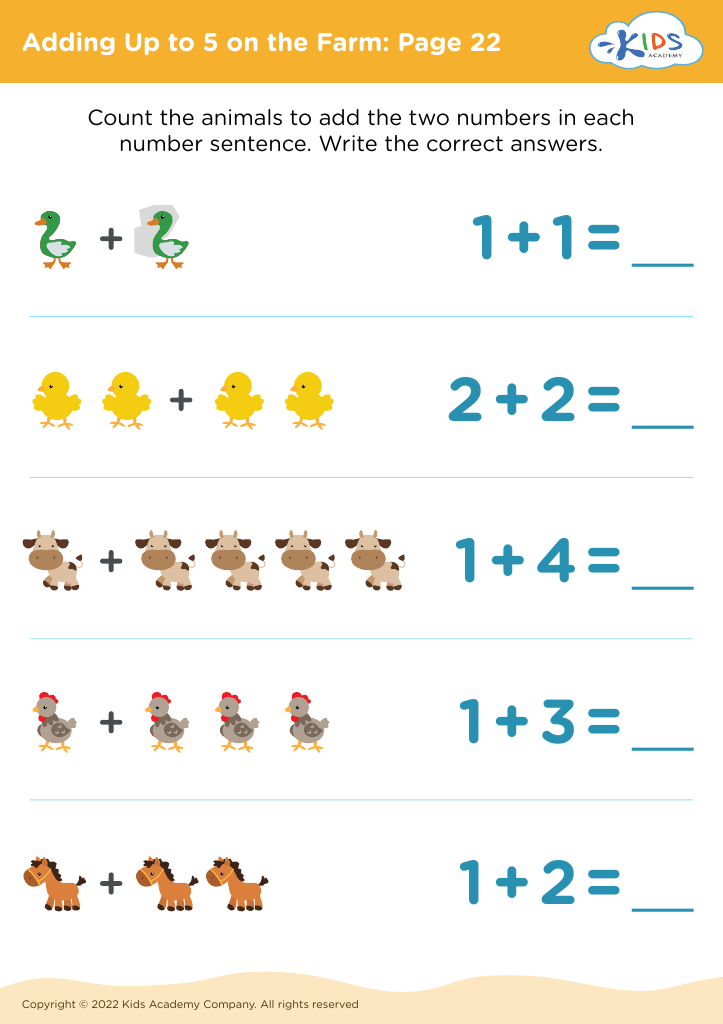
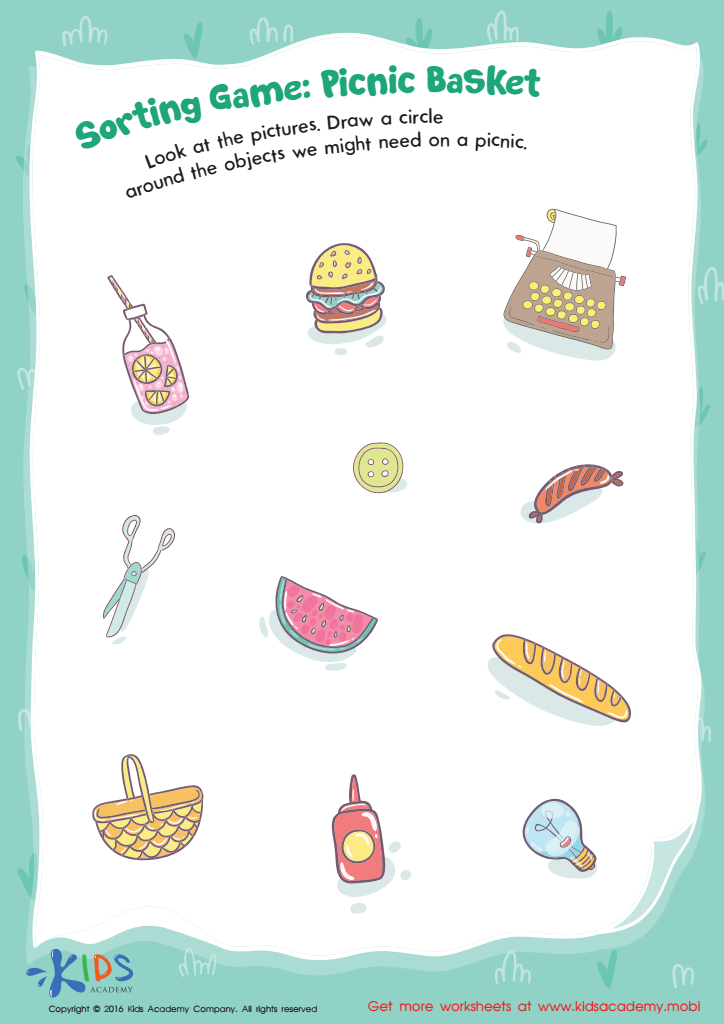
Picnic Basket Sorting Worksheet
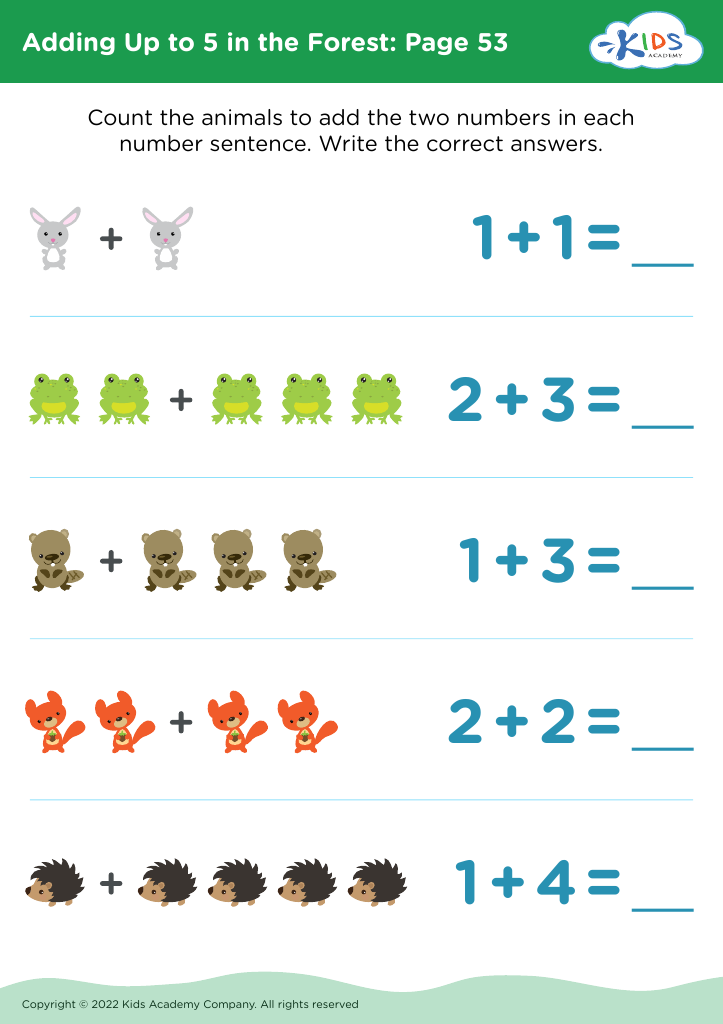
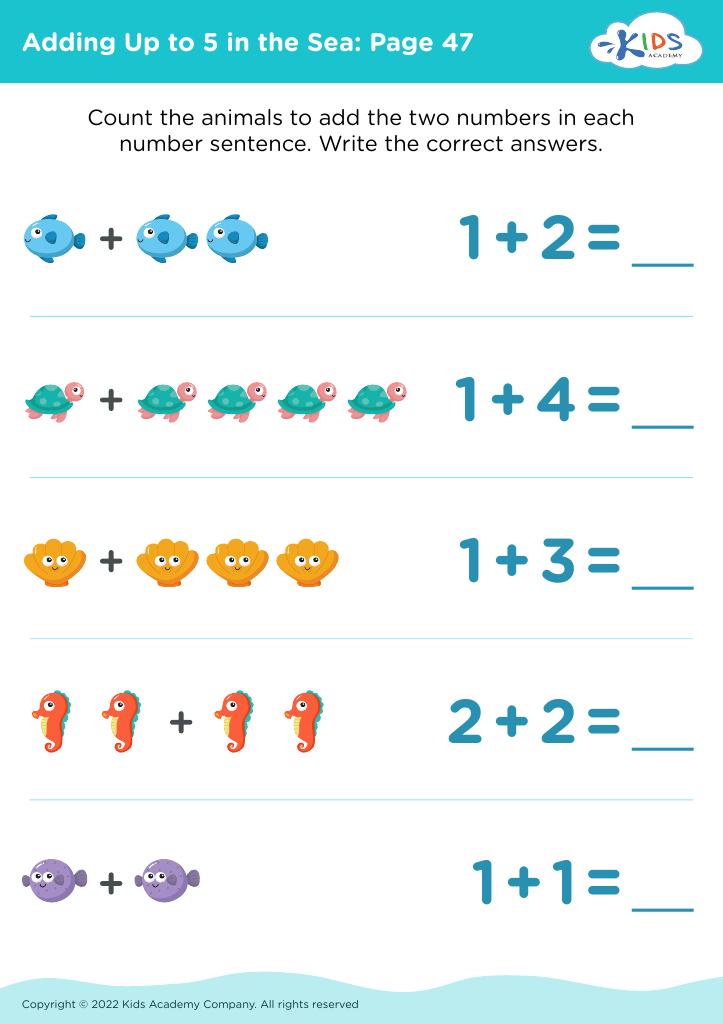
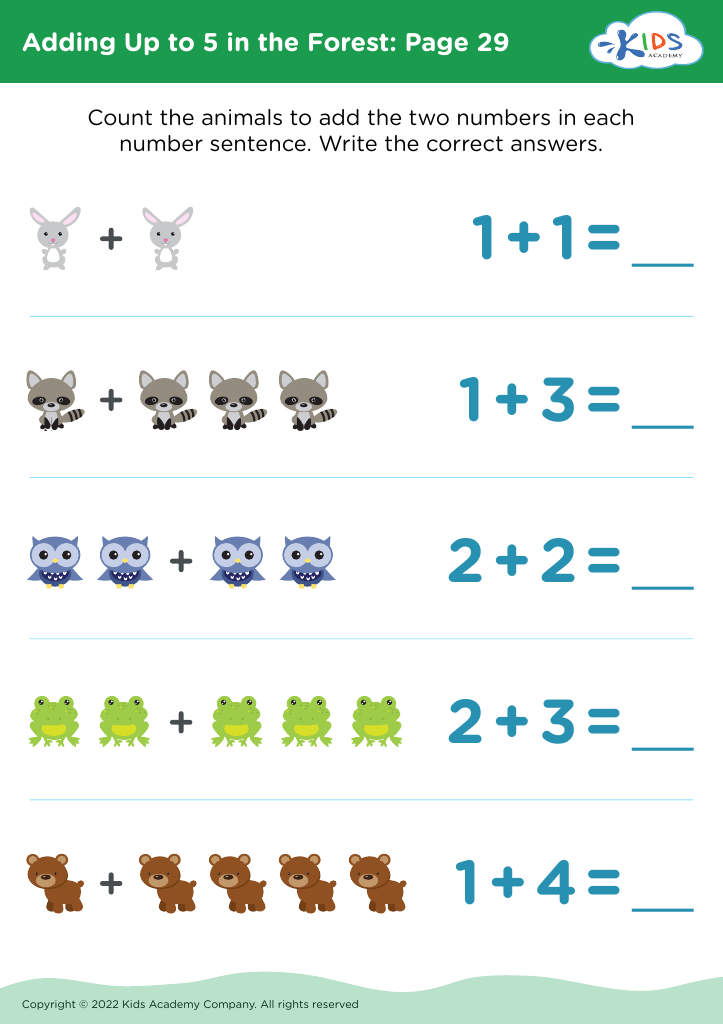



.jpg)




Counting proficiency in 5-year-olds is a fundamental building block for early mathematical development, which has long-term implications for academic success. First, mastering counting skills fosters numerical literacy, helping children understand numbers, their relationships, and basic arithmetic operations. This foundational knowledge is crucial as more advanced math principles build on these early skills.
Additionally, counting proficiency enhances cognitive development. When children count objects, they sharpen their attention to detail, practice memorization and recall, and improve their problem-solving skills. These cognitive abilities are not just essential for math but for overall intellectual development and future learning in all academic areas.
From a practical standpoint, counting proficiency aids in everyday tasks. Simple activities like following a recipe, measuring ingredients, telling time, or understanding money are easier for children who are adept at counting.
Moreover, developing these skills in a supportive environment fosters a positive attitude towards learning and increases a child's confidence and interest in math. Educators and parents who emphasize counting can create a strong mathematical foundation that not only complements academic progress but also promotes a lifelong understanding and appreciation of mathematics. In such a nurturing environment, children are also likely to experience lower levels of math anxiety as they grow.








