Identification skills Worksheets for 5-Year-Olds
7 filtered results
-
From - To
Enhance your 5-year-old's learning journey with our engaging Identification Skills Worksheets! Designed specifically for young learners, these worksheets help children develop critical skills by exploring objects, shapes, colors, and basic concepts in a fun and interactive way. As children engage with these activities, they build their observational skills, boost their confidence, and prepare for future learning challenges. Each sheet is creatively illustrated, making it enjoyable for kids while reinforcing essential identification skills essential for kindergarten readiness. Explore our collection of printable worksheets today and empower your little one to discover the world around them with ease and enthusiasm!
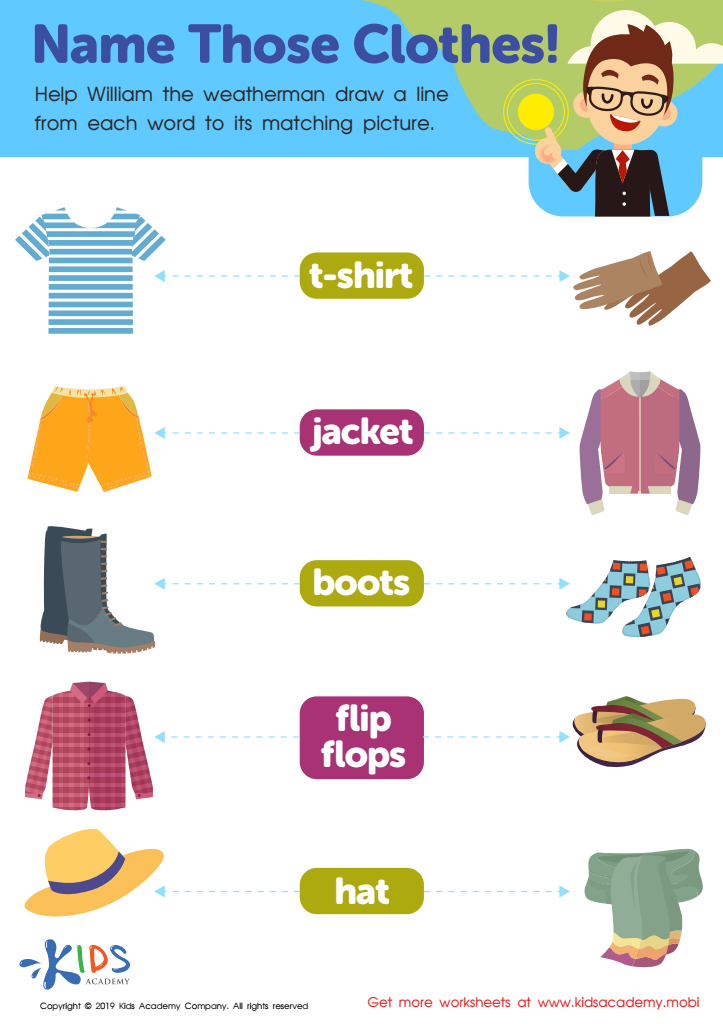
Name Those Clothes Worksheet
 Assign to My Students
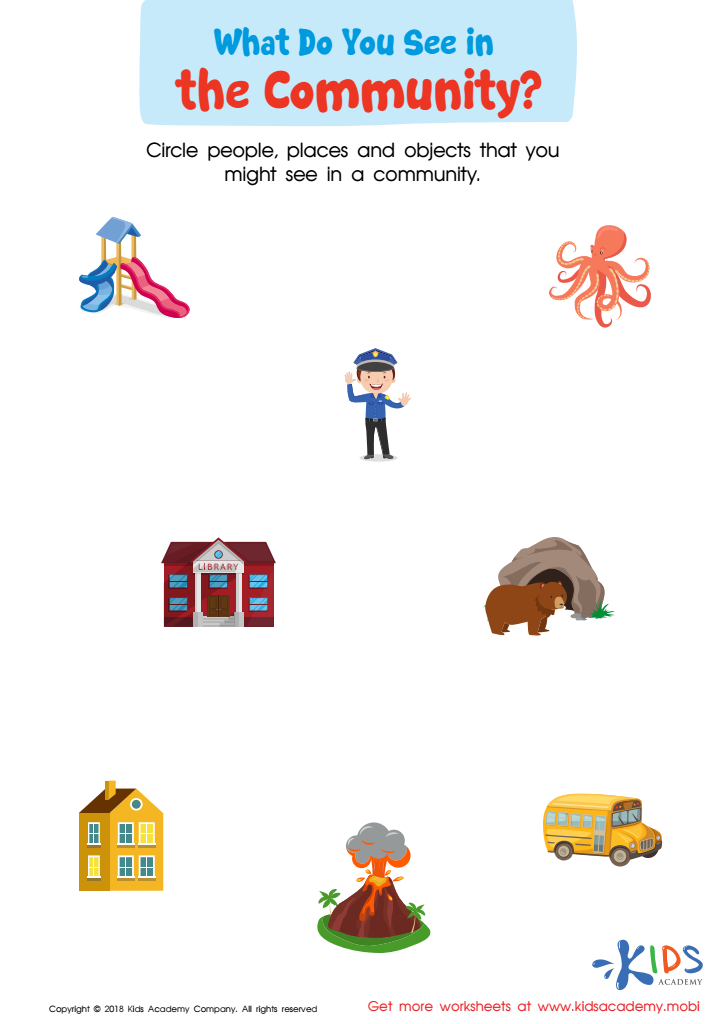
What Do You See in the Community Worksheet
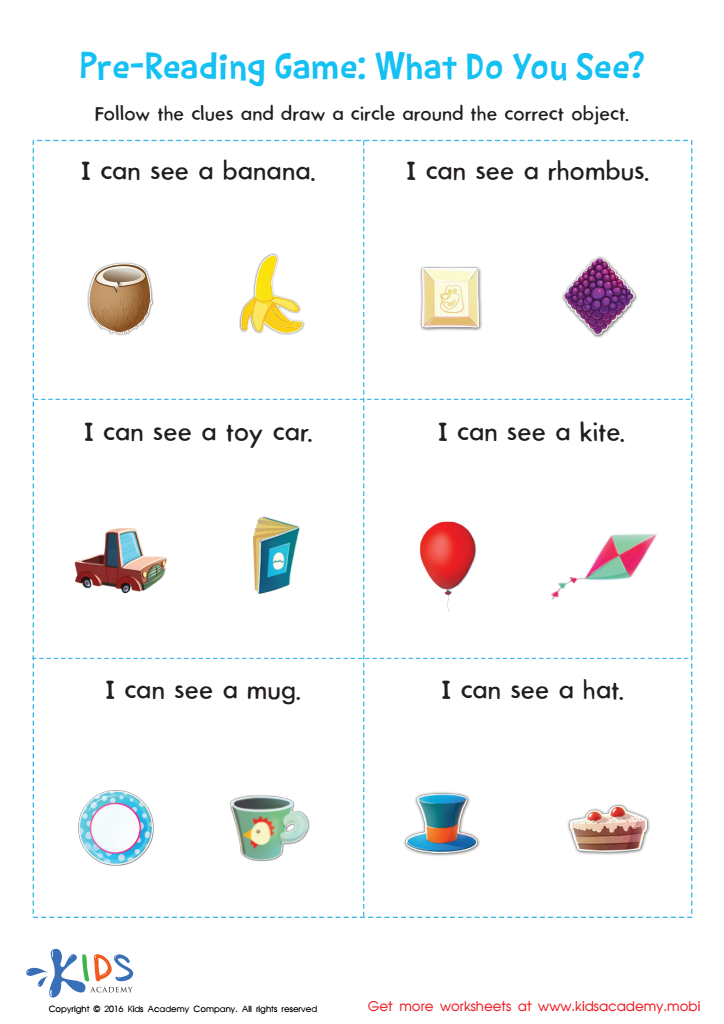
Pre–reading Worksheet: What Do You See?
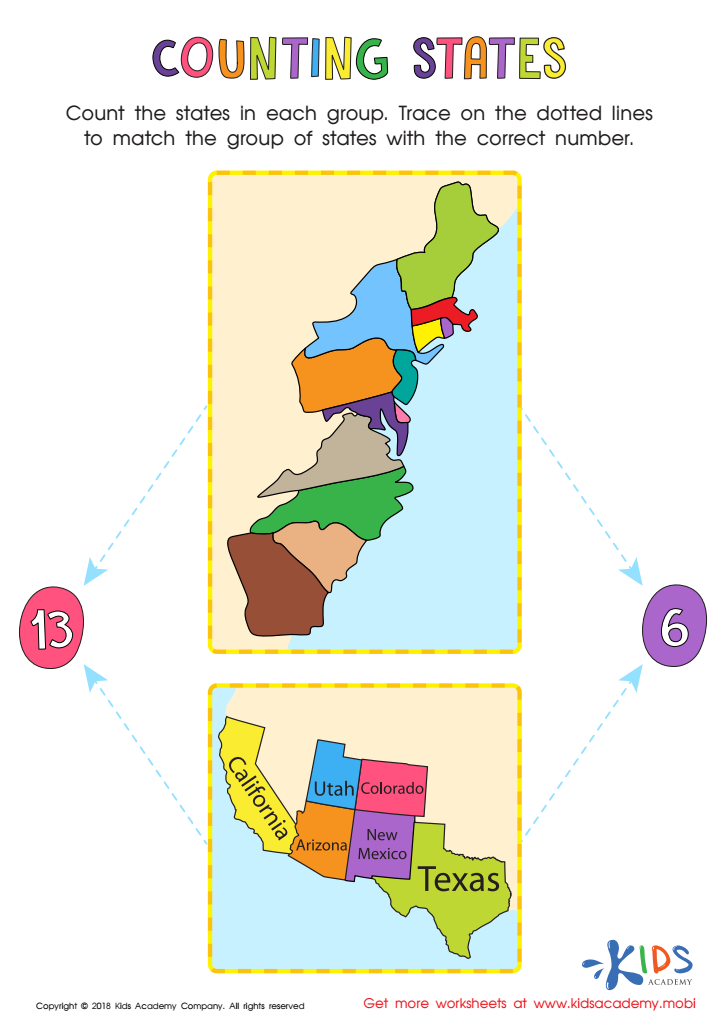
Counting States Worksheet
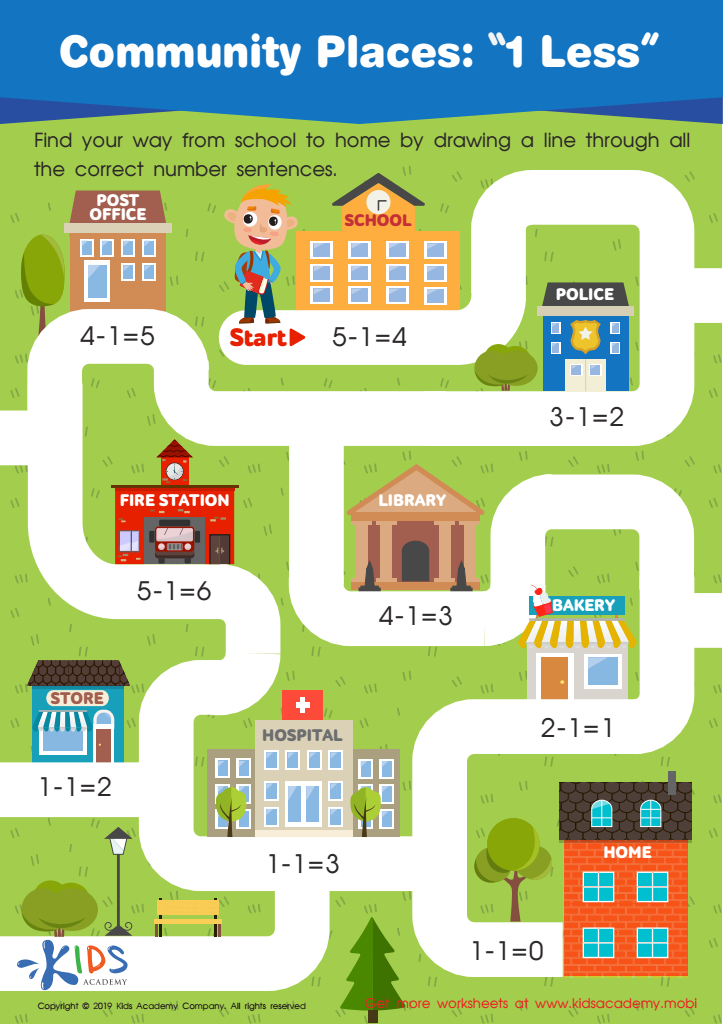
Community Places: 1 Less Worksheet
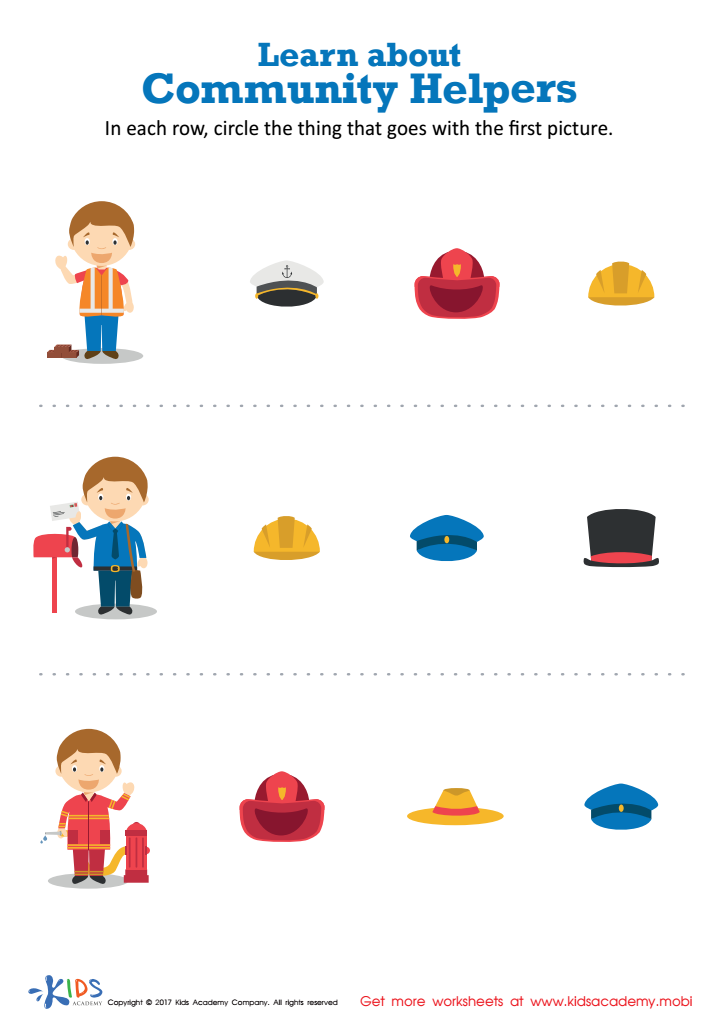
Learn about Community Helpers Printable


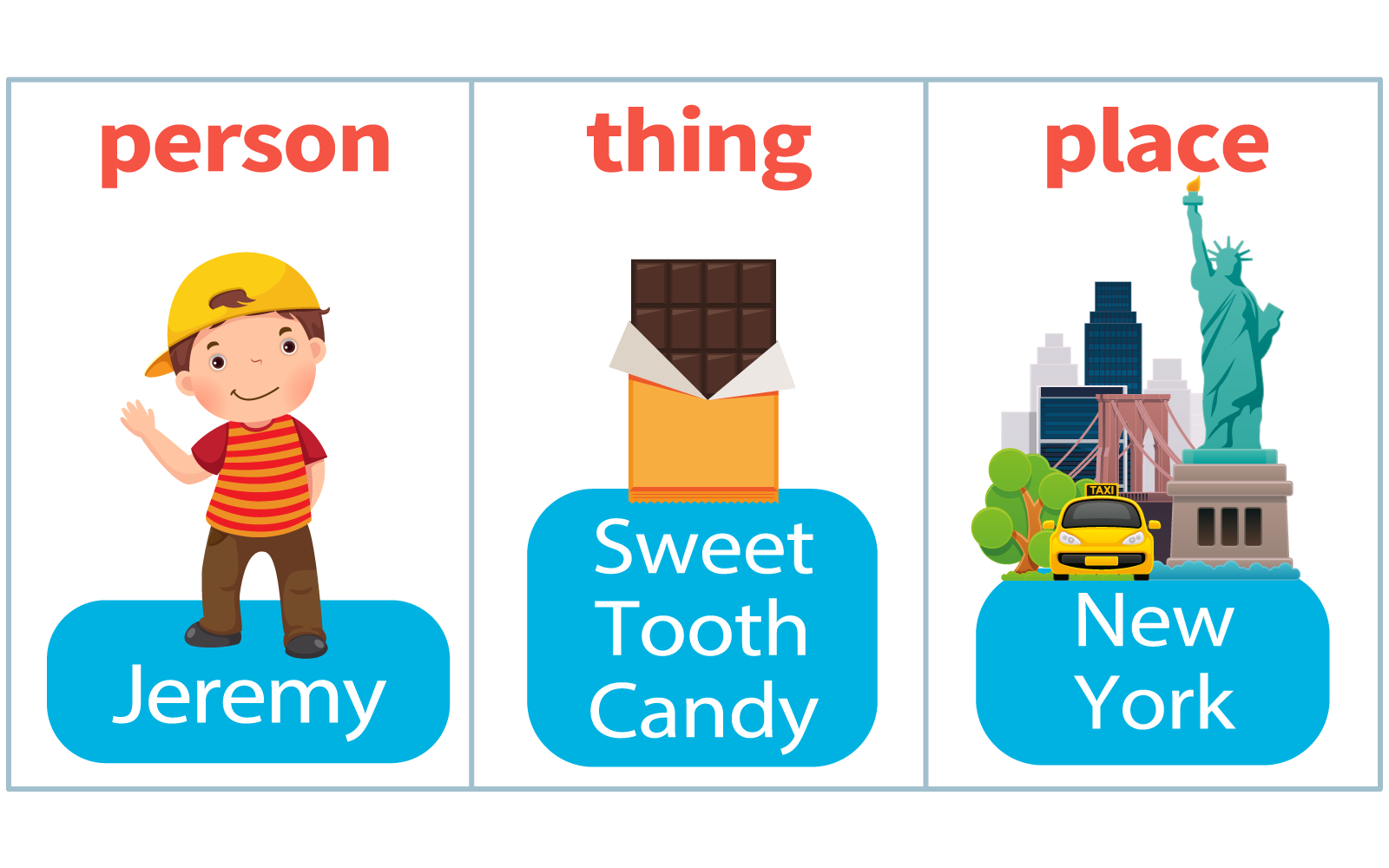




Identification skills are crucial for 5-year-olds as they form the foundation for cognitive and social development. These skills enable young children to recognize and understand their surroundings, including letters, numbers, shapes, and even emotions. This early recognition is not just academic; it enhances their ability to interact with peers and adults, builds self-confidence, and fosters a sense of independence.
Parents and teachers should prioritize identification skills because they directly impact reading readiness and language development. When children can identify letters and sounds, they are better prepared to start reading, which is a vital skill for lifelong learning. Furthermore, recognizing shapes and colors is essential in mathematics and can make learning engaging and fun.
Additionally, identification skills help children point out and label their feelings and those of others, promoting emotional intelligence. This is important in developing empathy and social skills, which are key to creating healthy relationships with peers.
By focusing on identification skills, parents and teachers lay a solid groundwork for academic success and overall development, enabling children to navigate their world with confidence and curiosity. Investing time in fostering these skills can yield transformative benefits for children in their formative years.








