Plant identification Worksheets for 5-Year-Olds
3 filtered results
-
From - To
Introduce your little ones to the wonders of nature with our engaging Plant Identification Worksheets for 5-Year-Olds! Designed to spark curiosity, these worksheets provide a fun and interactive way for young learners to explore different plants, their characteristics, and their environments. Each activity encourages observation and critical thinking while enhancing vocabulary with plant-related terms. Perfect for classroom or home use, these worksheets foster a love of nature and support early scientific inquiry skills. Help your child develop a lifelong appreciation for the outdoors—download our Plant Identification Worksheets today and watch them bloom into nature enthusiasts!
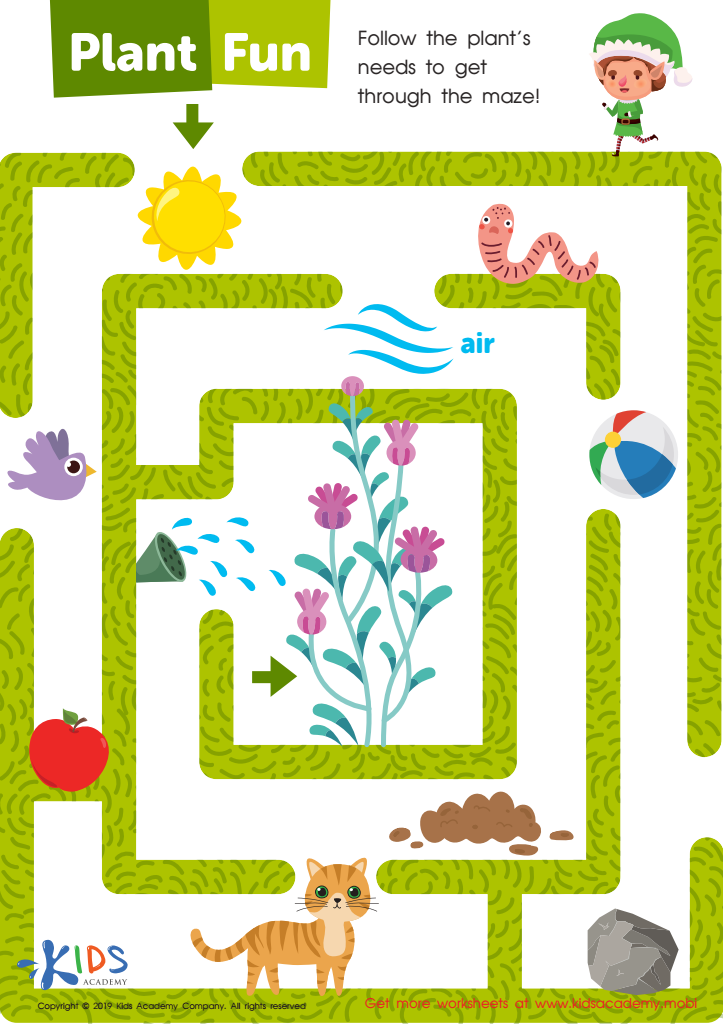
Plant Fun Worksheet
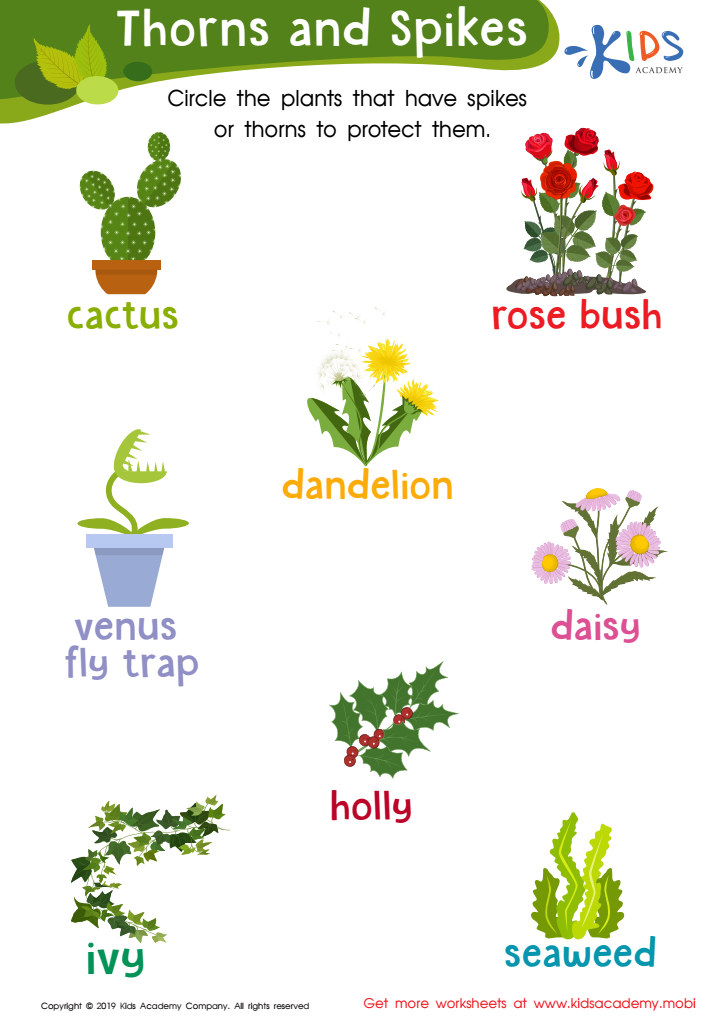
Thorns and Spikes Worksheet
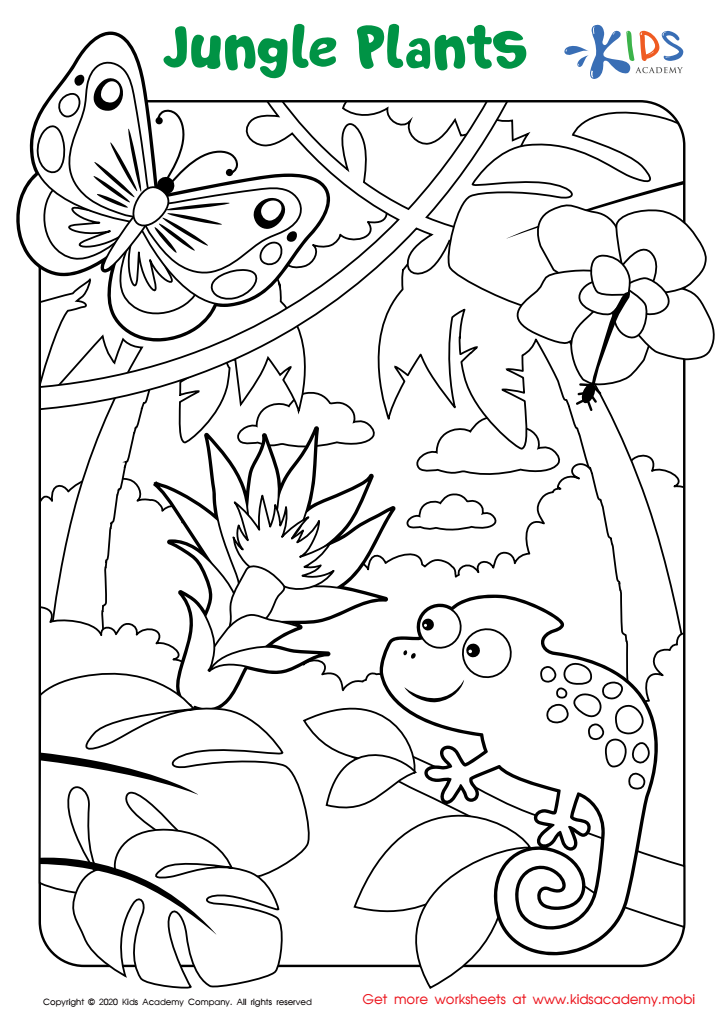
Jungle Plants Worksheet
 Assign to My Students








Plant identification for 5-year-olds is crucial for several reasons. First, it fosters a deep connection with nature. By helping children recognize different plants, we instill a sense of wonder and curiosity about the natural world. This connection can promote environmental stewardship as they grow, helping them appreciate the importance of preserving our ecosystems.
Second, it enhances cognitive development. Learning to identify plants engages their observation skills and vocabulary. As children sort and describe plants, they improve their ability to categorize, compare, and express their thoughts – skills foundational for later academic success.
Additionally, plant identification encourages physical activity. Outdoor exploration promotes movement, coordination, and health, guiding children to develop lifelong habits of outdoor play and nature appreciation. Furthermore, knowledge about local plants can be crucial for safety, teaching children to recognize which plants are edible or possibly harmful.
Finally, engaging in this hands-on learning activity fosters collaboration. Whether through family outings or classroom projects, identifying plants allows for shared experiences that bond parents, teachers, and children, strengthening their relationships while nurturing a responsible, nature-loving generation. By prioritizing plant identification, adults set the groundwork for healthy, curious, and environmentally conscious individuals.








