Problem-solving practice Worksheets for 5-Year-Olds
8 filtered results
-
From - To
Discover our engaging problem-solving practice worksheets designed specifically for 5-year-olds! These printable resources foster critical thinking and enhance cognitive skills through fun, interactive activities. Each worksheet encourages young learners to approach challenges with creativity and confidence while mastering essential problem-solving techniques. From puzzles to scenarios that promote logical reasoning, our diverse activities cater to various learning styles. Tailored to support early education, these worksheets not only make learning enjoyable but also help children develop essential life skills. Perfect for home or classroom use, our problem-solving practice worksheets empower kids to explore, think critically, and gain a strong foundation in tackling real-world situations!
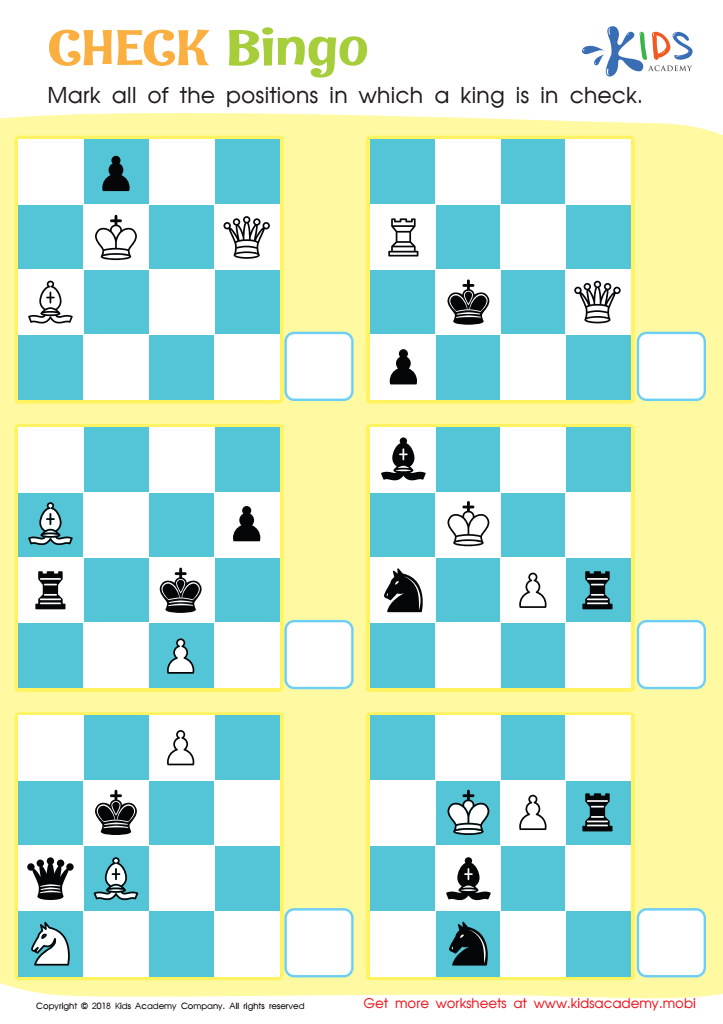
Check Bingo Worksheet
 Assign to My Students
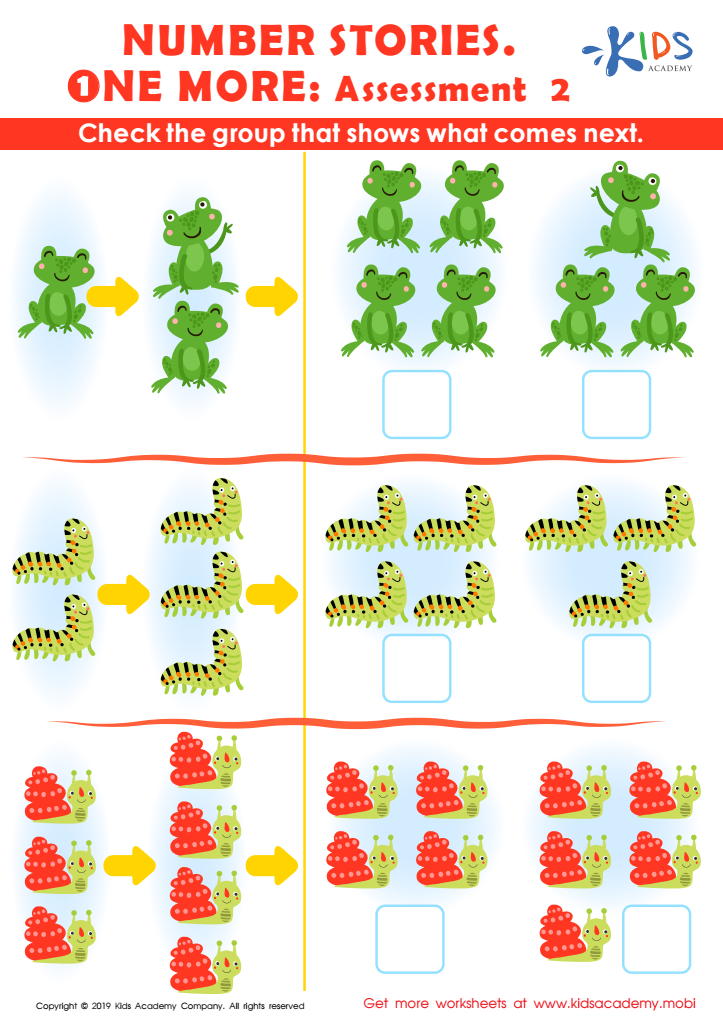
Number Stories One More – Assessment 2 Worksheet
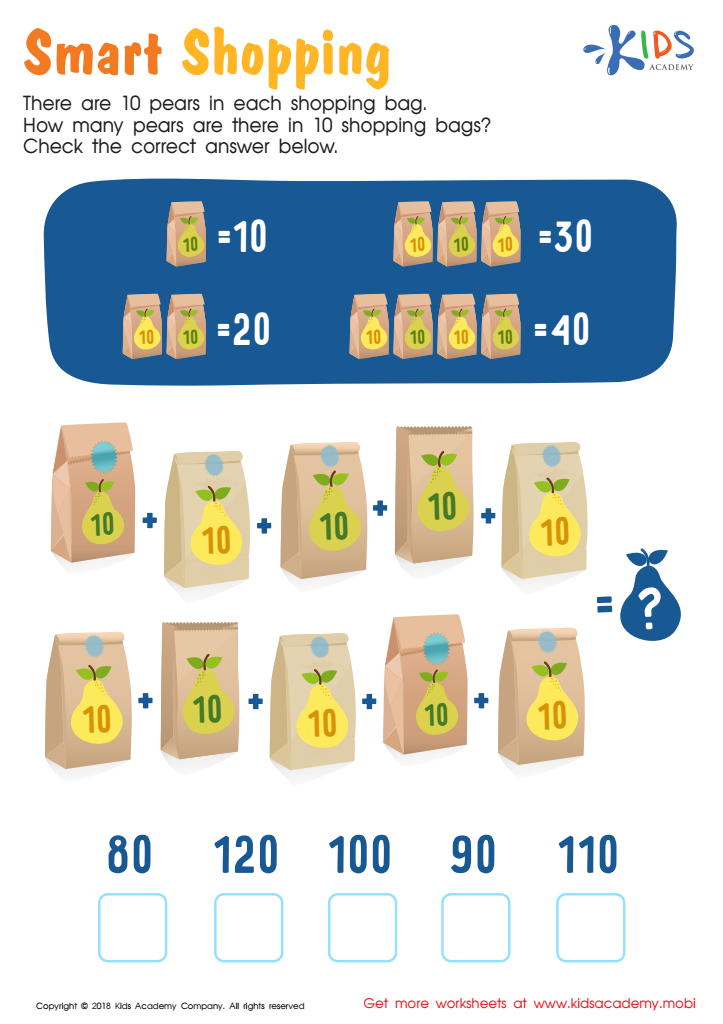
Smart Shopping: Trade Tens for a Hundred Worksheet
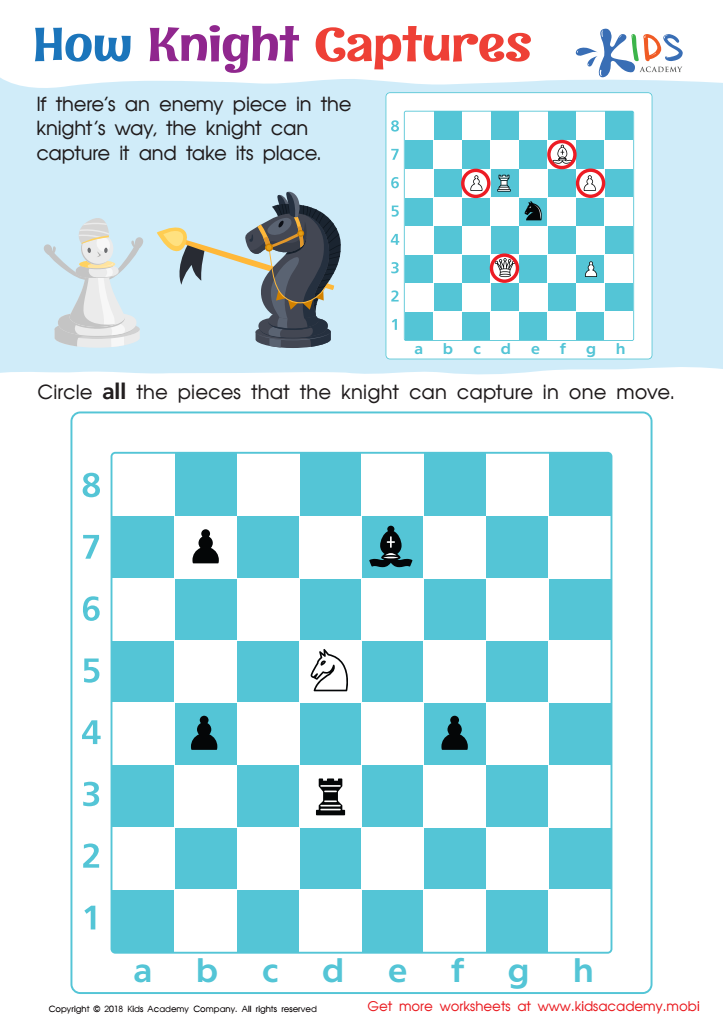
How Knight Captures Worksheet
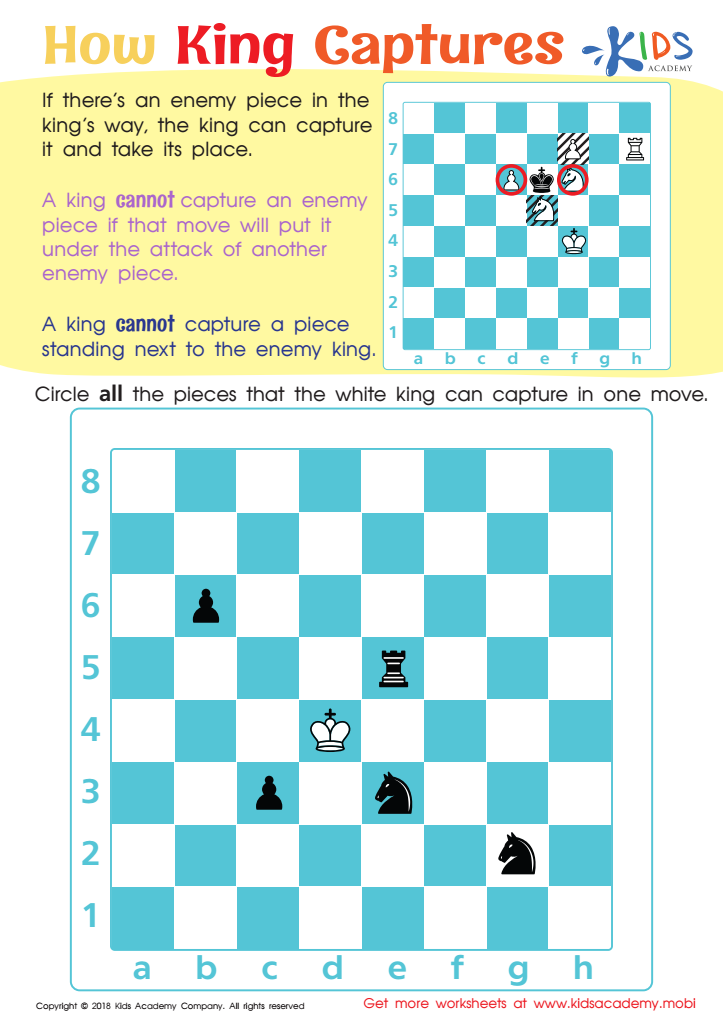
How King Captures Worksheet


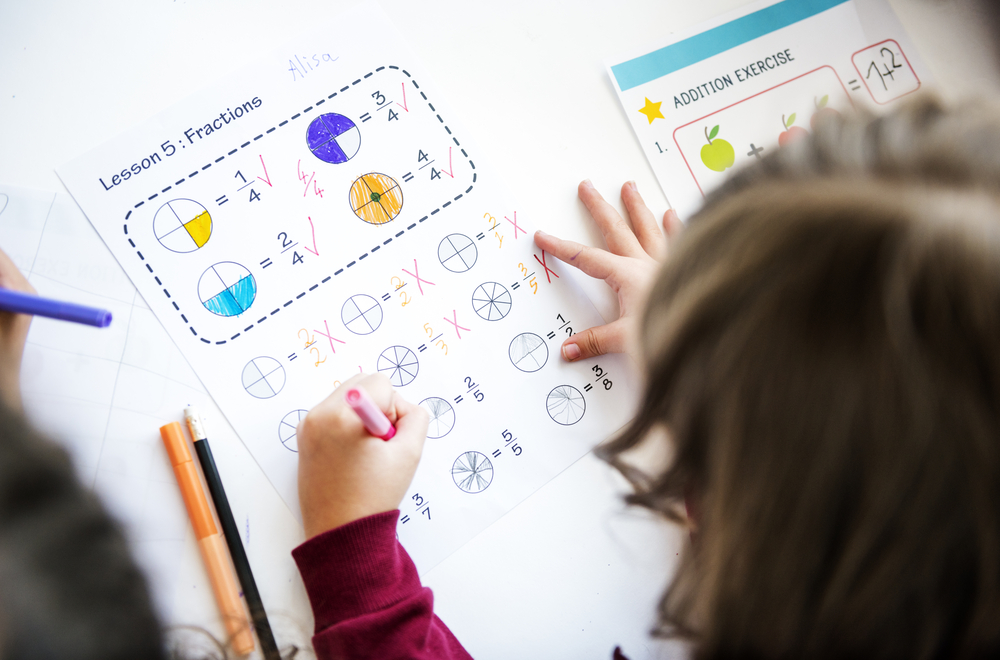





Problem-solving practice for 5-year-olds is essential as it lays the foundation for critical thinking and independence. At this age, children are naturally curious and eager to understand how things work, making it an ideal time to cultivate their problem-solving skills. When parents and teachers engage young learners in problem-solving activities, they're helping them develop cognitive abilities such as reasoning, decision-making, and creativity.
Furthermore, problem-solving tasks encourage resilience. Children learn that it’s okay to make mistakes and that challenges can be addressed through persistence and strategy. This mindset fosters a growth attitude essential for future academic success and personal development. Engaging in collaborative problem-solving also enhances social-emotional skills; children learn to communicate, share ideas, and respect differing opinions while working towards a common goal.
Incorporating practical, hands-on activities into play—like puzzles, building blocks, or simple science experiments—can turn learning into a fun experience. Such playfulness will not only motivate children but also strengthen their ability to tackle complex tasks as they grow older. Overall, nurturing problem-solving skills in early childhood is a strong investment in a child’s future learning and adaptability in an ever-changing world.








