Problem-solving practice Addition & Subtraction Worksheets for 5-Year-Olds
4 filtered results
-
From - To
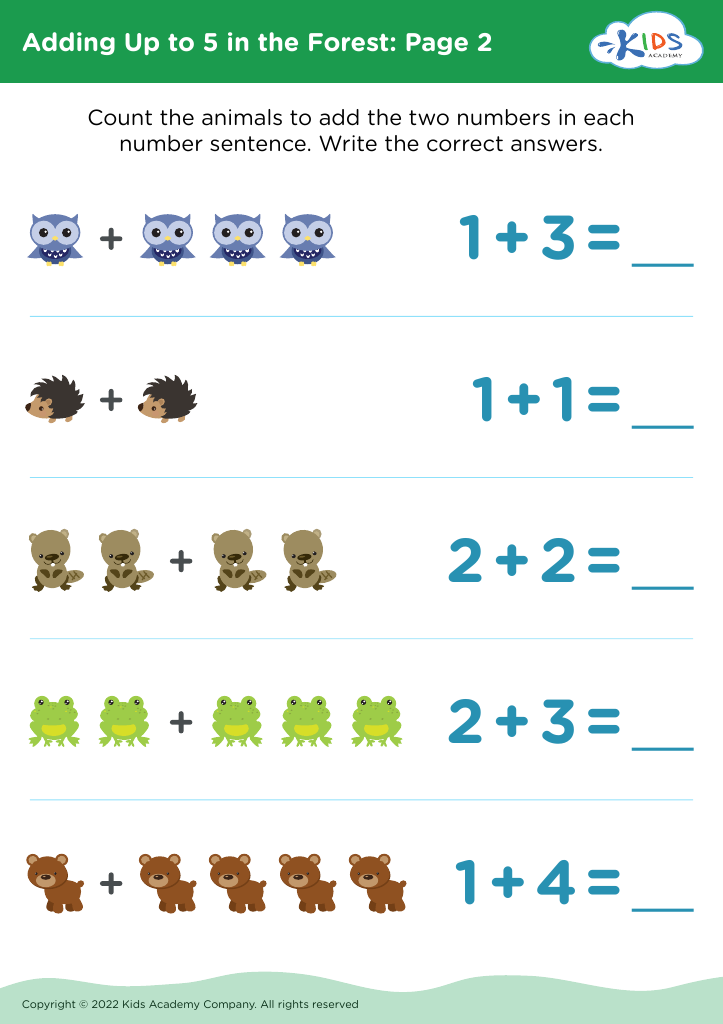
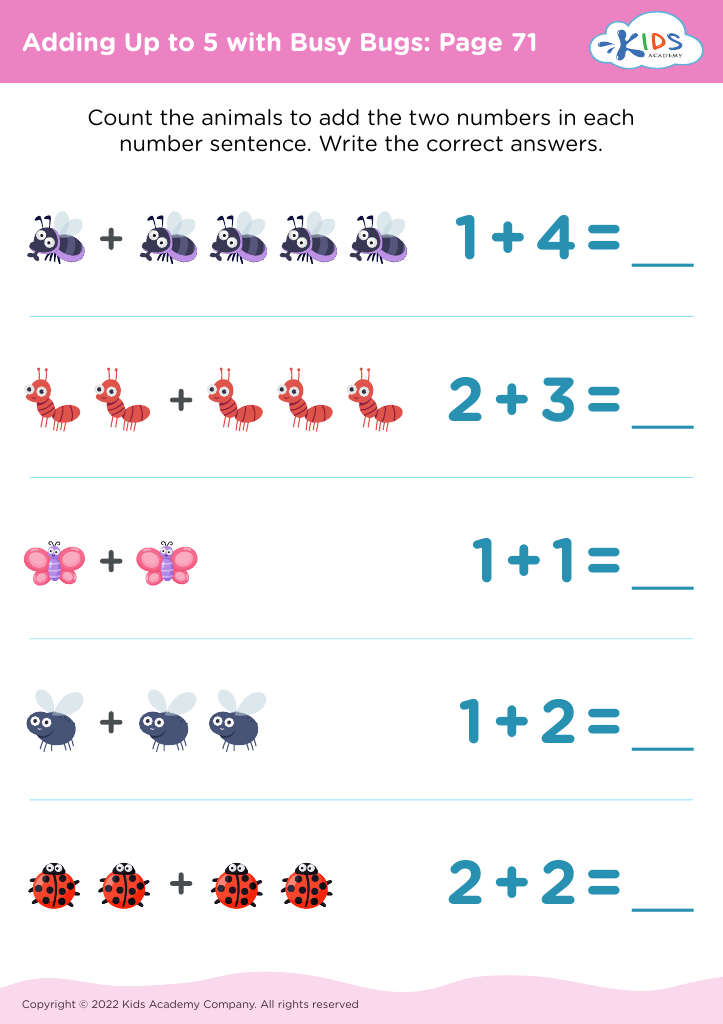
Welcome to our Problem-Solving Practice Addition & Subtraction Worksheets for 5-Year-Olds! These engaging and interactive worksheets are designed to help young learners develop essential math skills through fun problem-solving activities. Each worksheet features colorful illustrations and relatable scenarios that make addition and subtraction enjoyable for your child. By working through these exercises, students will enhance their critical thinking and analytical skills while building foundational math knowledge. Our printables are perfect for at-home practice or classroom activities, ensuring that your little ones gain confidence in their math abilities. Get ready to foster a love for learning with our exciting math worksheets!
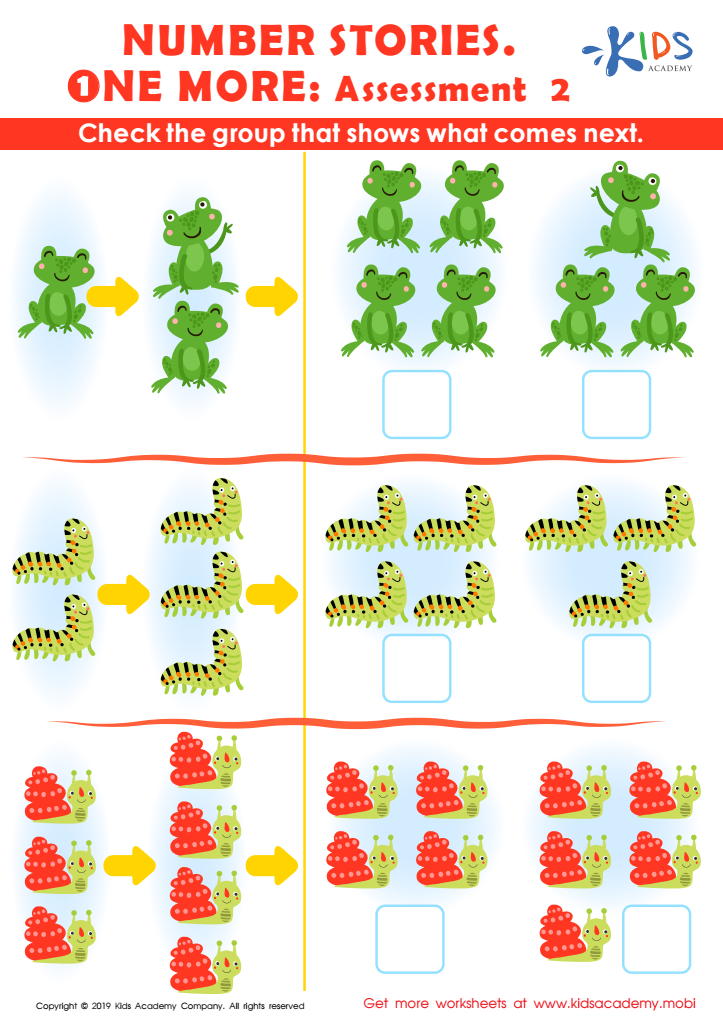
Number Stories One More – Assessment 2 Worksheet
 Assign to My Students
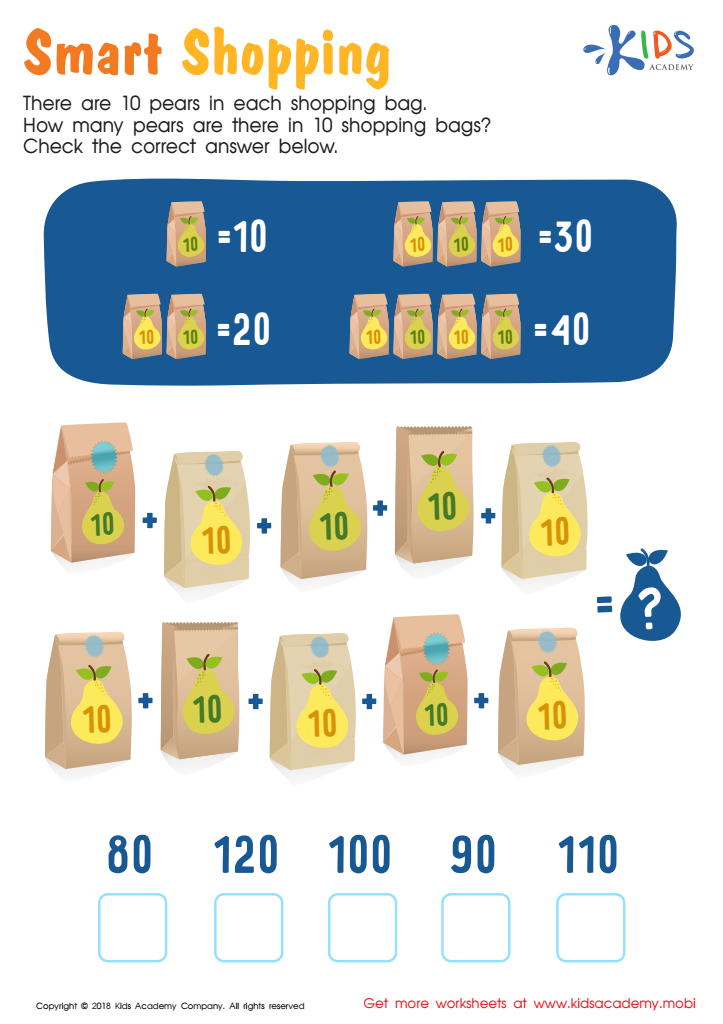
Smart Shopping: Trade Tens for a Hundred Worksheet








Parents and teachers should prioritize problem-solving practice in addition and subtraction for 5-year-olds because it lays the foundational skills critical for future mathematics success. At this young age, children are naturally curious and eager to explore concepts through hands-on activities. Engaging in problem-solving helps them develop critical thinking skills and enhances their ability to reason logically.
Moreover, when children practice addition and subtraction using real-world scenarios, such as sharing snacks or counting toys, they can relate math to daily life. This contextual learning not only makes math enjoyable but also reinforces its practicality, fostering a positive attitude towards the subject.
Additionally, early mastery of these skills contributes to cognitive development, as children learn to plan, test hypotheses, and find solutions—key components of the problem-solving process. It also aids in building persistence, as they understand that mistakes are part of learning. Overall, promoting problem-solving in addition and subtraction cultivates both mathematical proficiency and essential life skills, preparing young learners for future academic challenges and increasing their confidence in their abilities. Such foundational practices benefit not only the individual child but also contribute to a more supportive and understanding learning environment.








