Basic Addition Numbers Worksheets for 5-Year-Olds - Page 2
31 filtered results
-
From - To
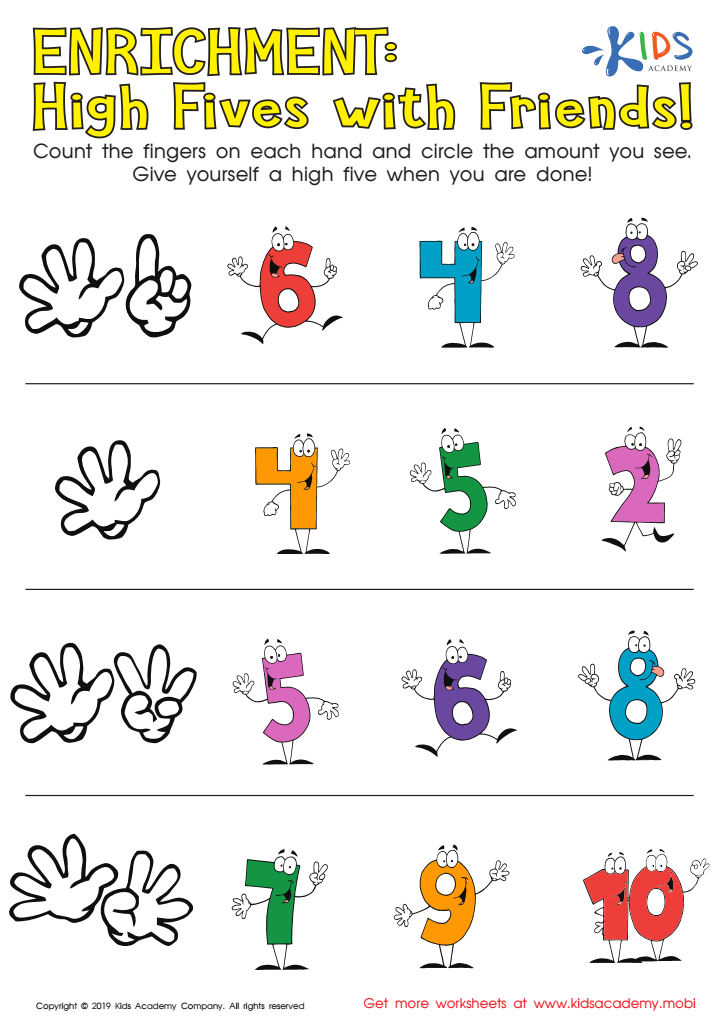
Enrichment: High Fives with Friends! Worksheet
 Assign to My Students
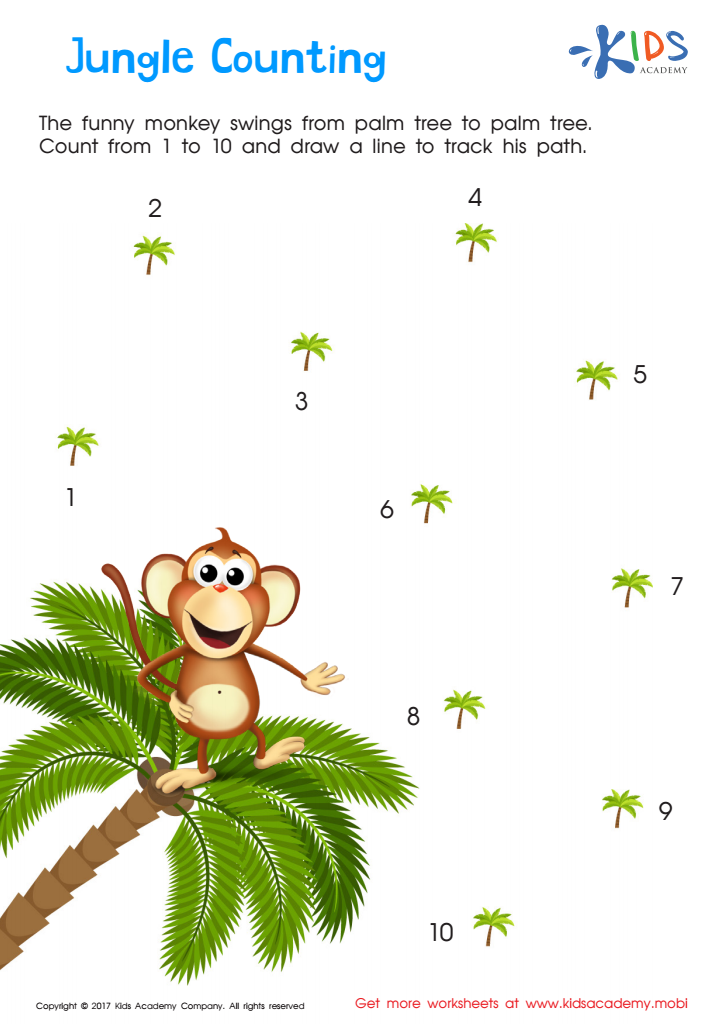
Jungle Counting Connect Dots Worksheet
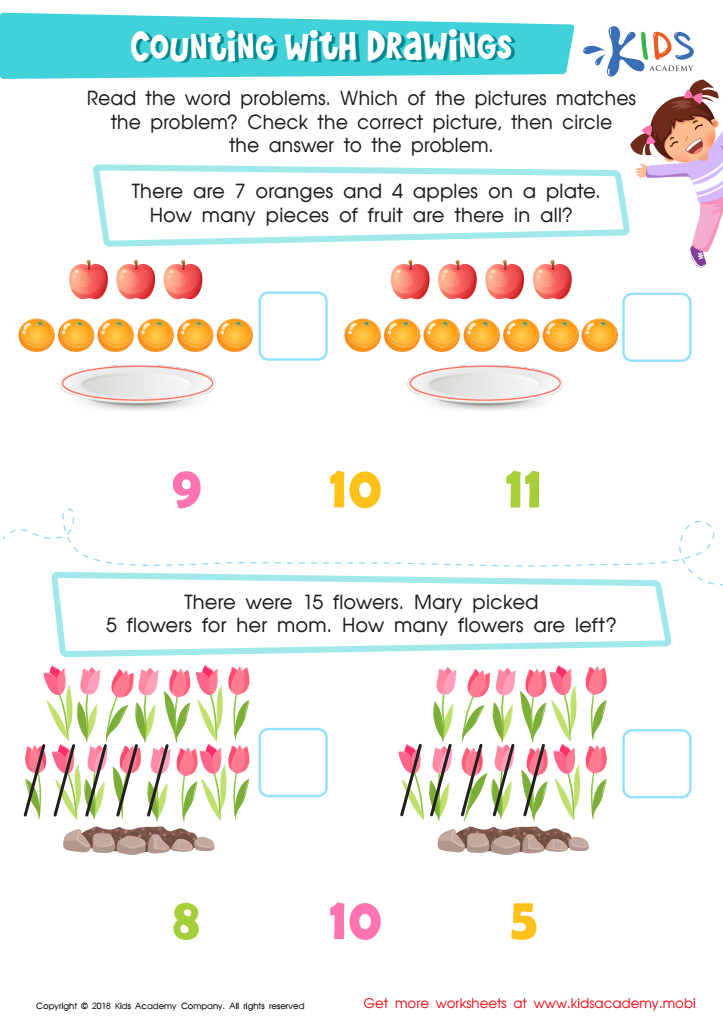
Counting with Drawings:Fruits & Flowers Worksheet
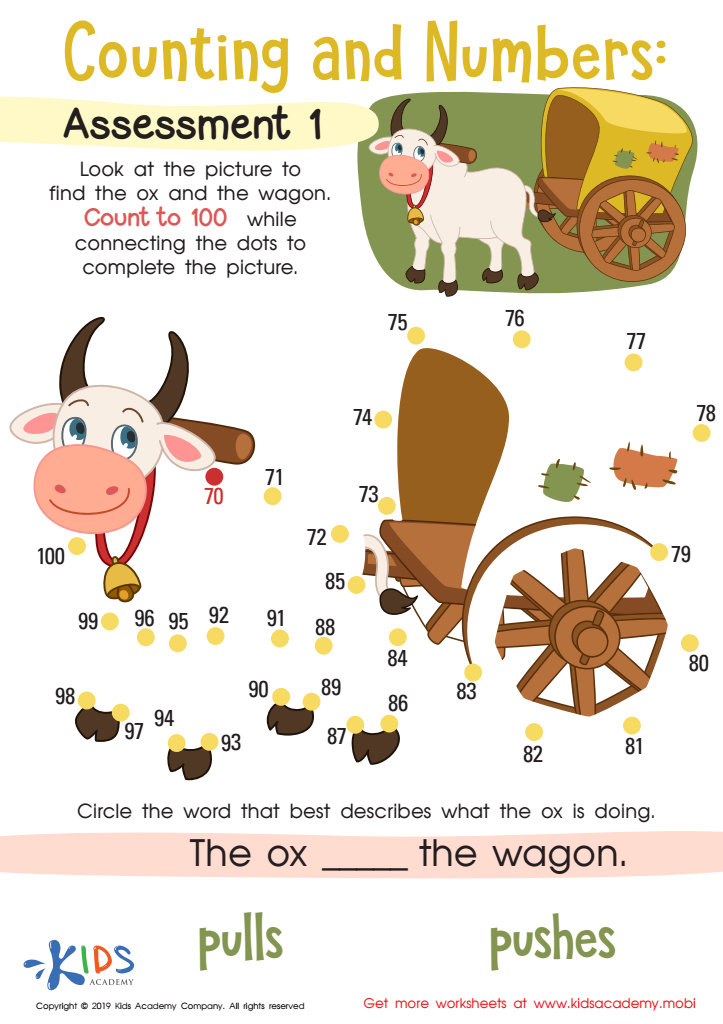
Counting and Numbers: Assessment 1 Worksheet
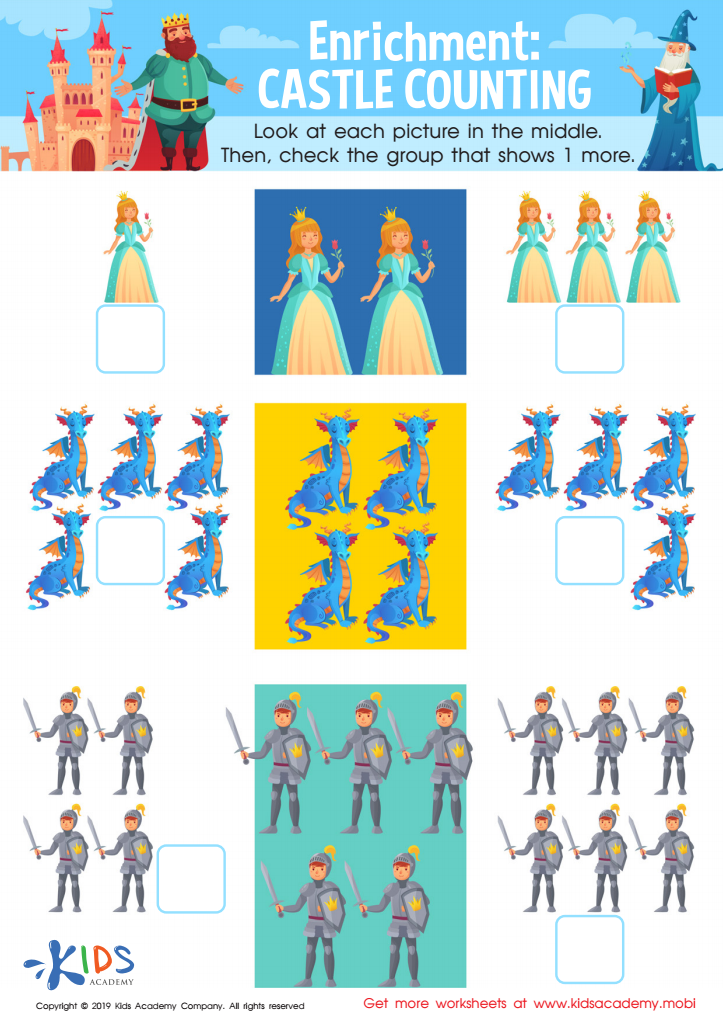
Enrichment: Castle Counting Worksheet
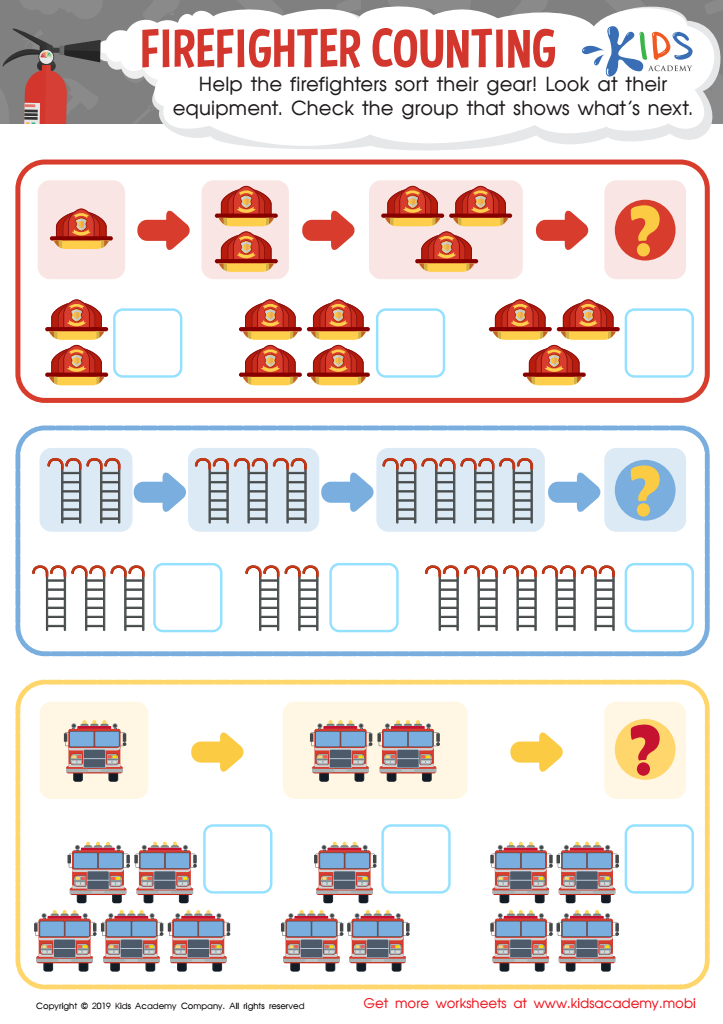
Firefighter Counting Worksheet
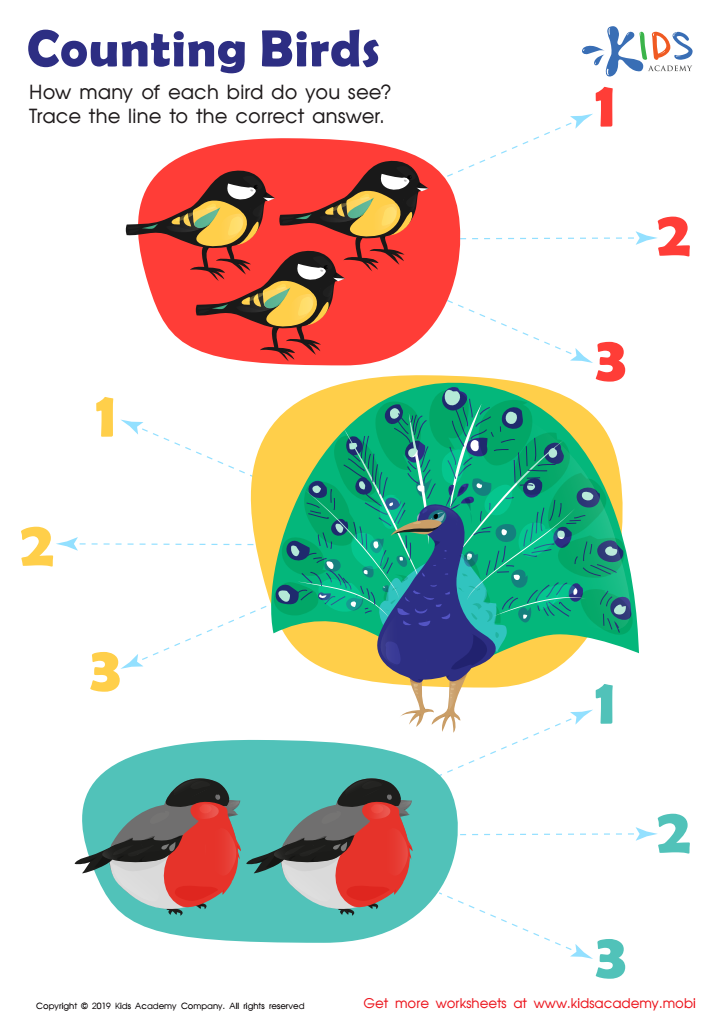
Counting Birds Worksheet








Basic addition is a foundational skill that sets the stage for a child's future mathematical understanding. When parents and teachers prioritize teaching basic addition to 5-year-olds, they are investing in critical cognitive development. This early exposure to math helps children enhance their problem-solving skills and logical thinking, which are essential in everyday life.
At this age, children are naturally curious and eager to learn. Introducing basic addition in a fun and engaging way can foster a love for math, making them more likely to embrace learning throughout their education. Activities such as counting objects, using fingers, and playing math games can help young learners visualize numbers and understand the concept of combining quantities.
Furthermore, mastering basic addition contributes to children's confidence and self-esteem. When they grasp these fundamental concepts, they are more prepared to tackle more complex arithmetic tasks in the future. Additionally, early math skills can positively influence academic achievement in other subjects, as math often intersects with science and logical reasoning.
In essence, parents and teachers should prioritize basic addition for 5-year-olds to foster cognitive skills, build confidence, and lay the groundwork for future learning, ensuring children have a strong foundation for their educational journey.








