Color recognition Math Worksheets for 5-Year-Olds
19 filtered results
-
From - To
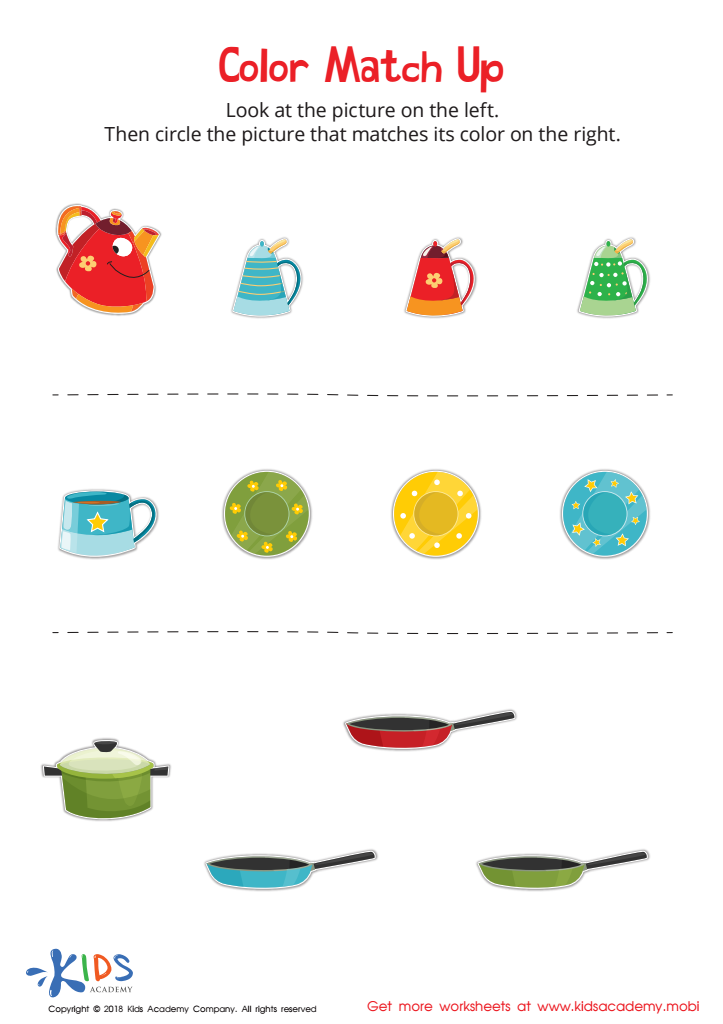
Help your 5-year-old embark on a colorful journey of learning with our engaging Color Recognition Math Worksheets! Designed to enhance early math skills while fostering color identification, these printable worksheets are perfect for young learners. Children will explore numbers, shapes, and exercises that encourage them to match colors, sort objects, and solve simple math problems—all while having fun! Our resources are aligned with educational standards, making them great tools for both teachers and parents. Encourage creativity and critical thinking in your child as they color their way through these skill-building activities. Start enriching their educational experience today!
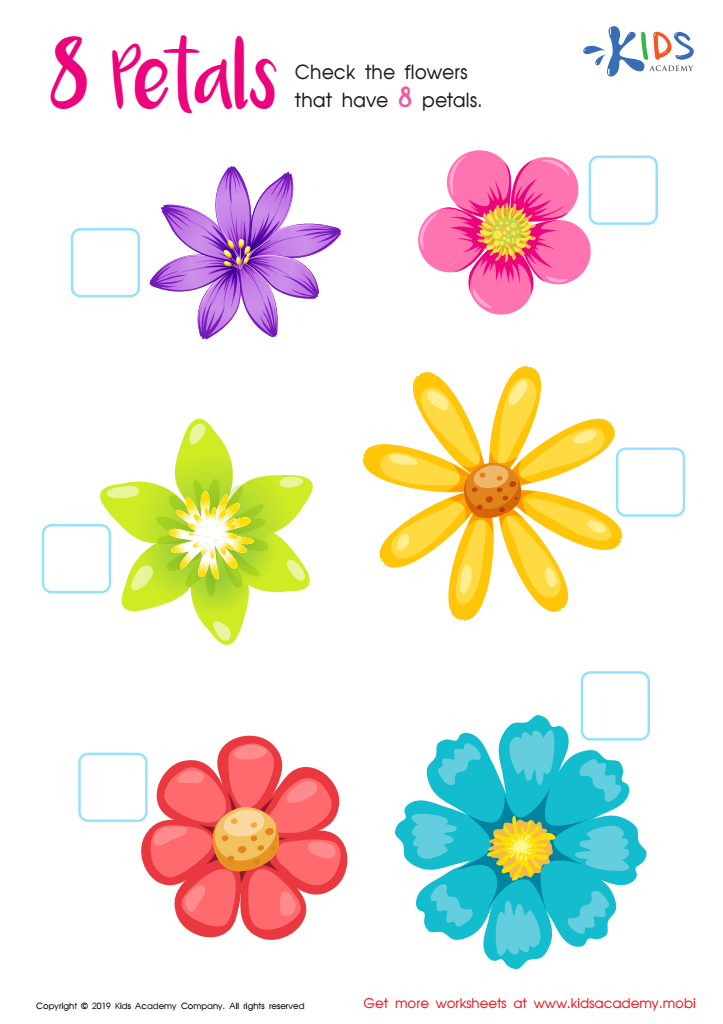
8 Petals Worksheet
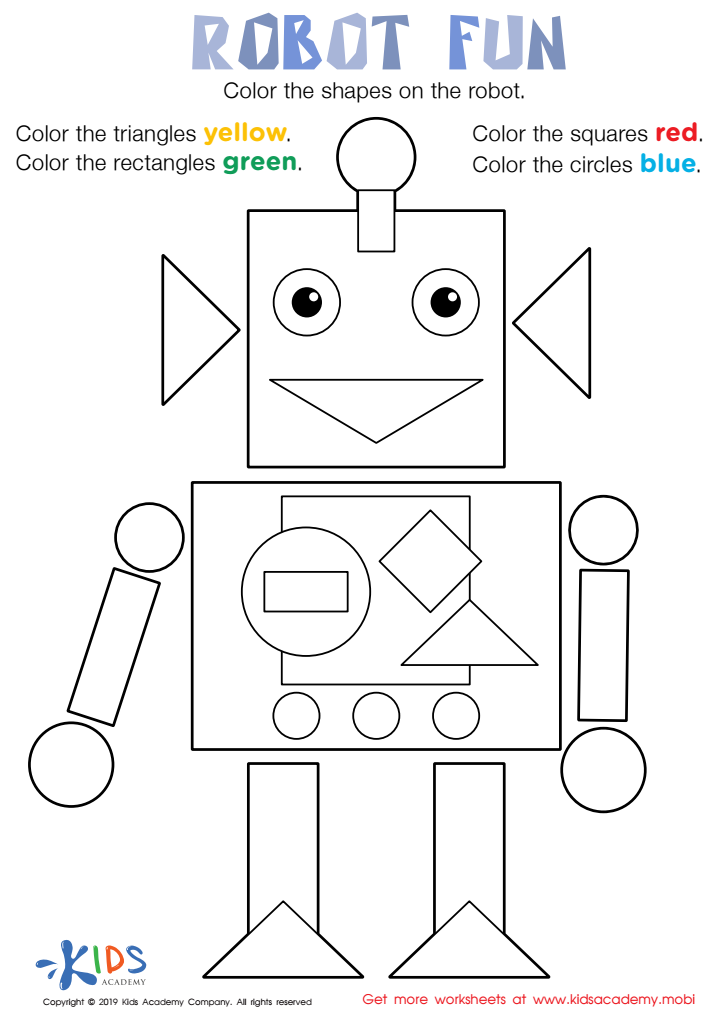
Robot Fun Worksheet
 Assign to My Students
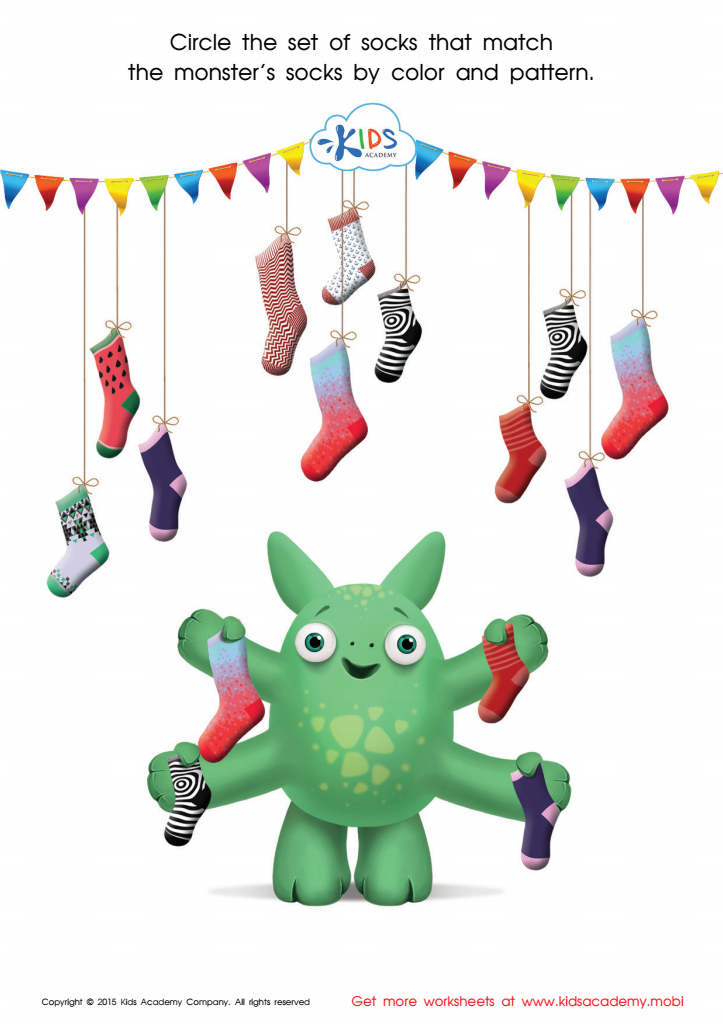
Sort the Monster's Socks Worksheet
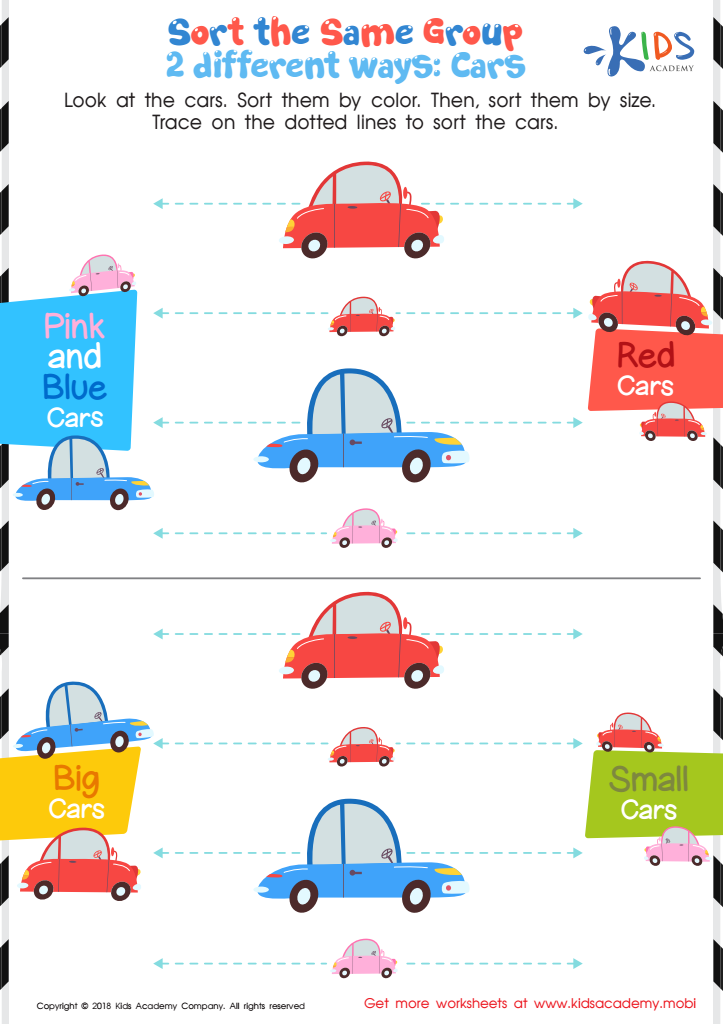
Sort the Same Group 2 Different Ways: Cars Worksheet
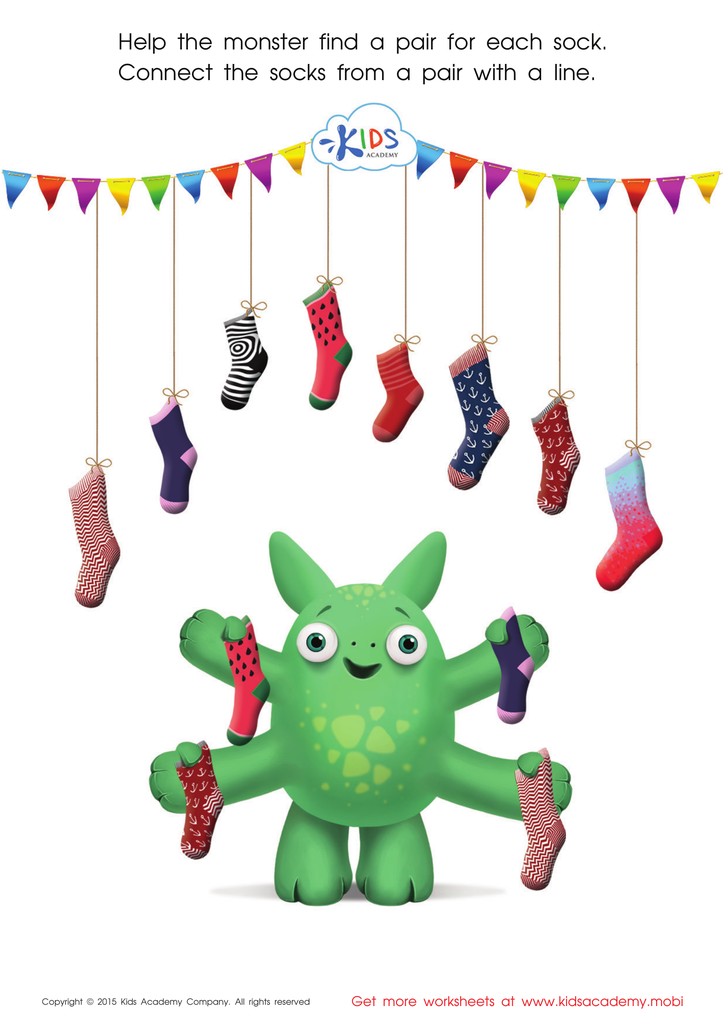
Math Matching Game: Monsterв's Socks Worksheet
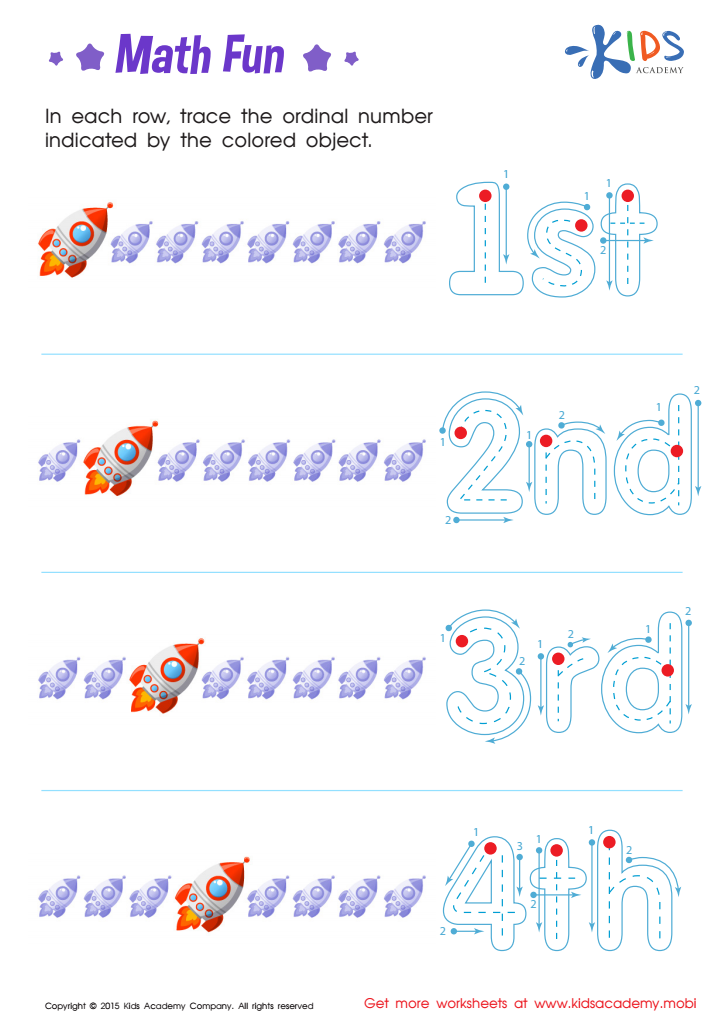
Ordinal Numbers: Math Fun Worksheet
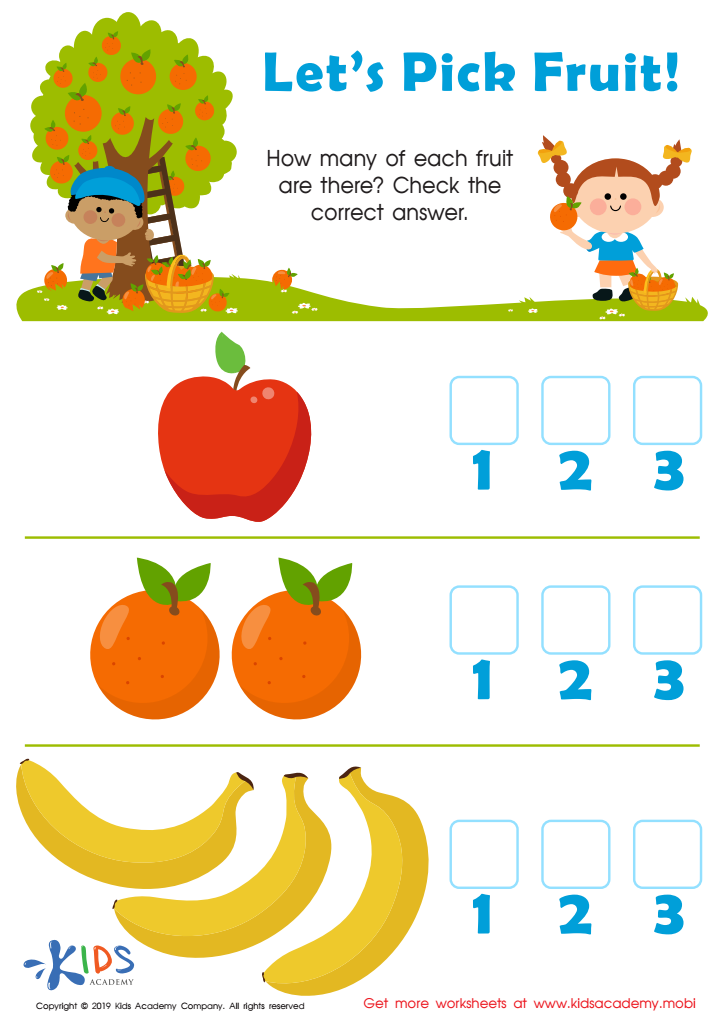
Let's Pick Fruit Worksheet
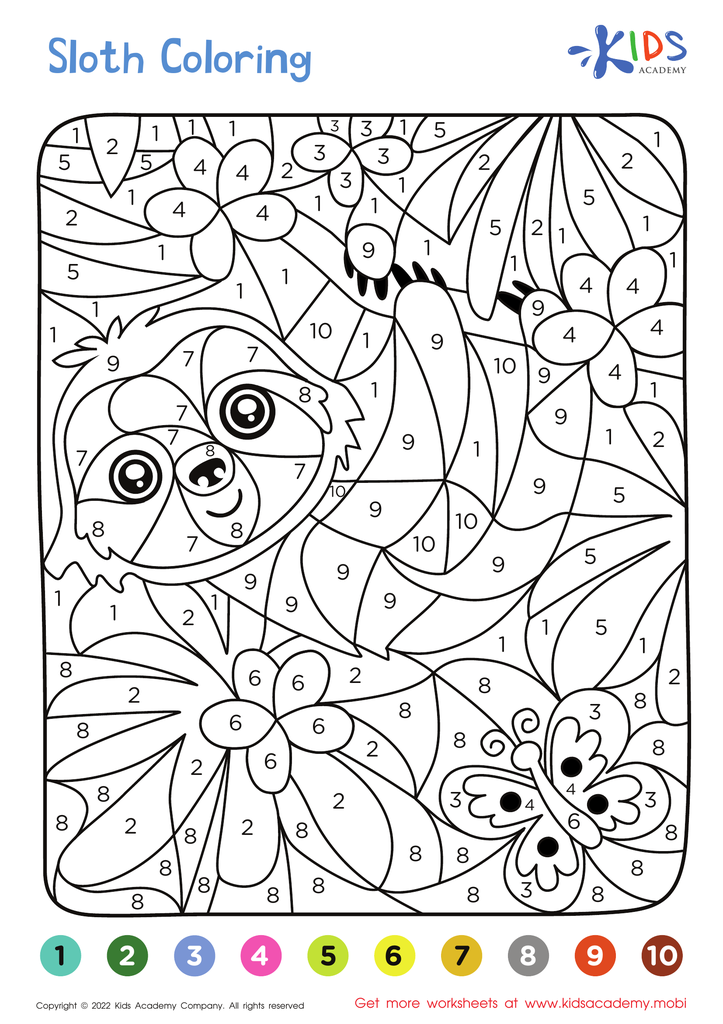
Sloth – Coloring by Numbers
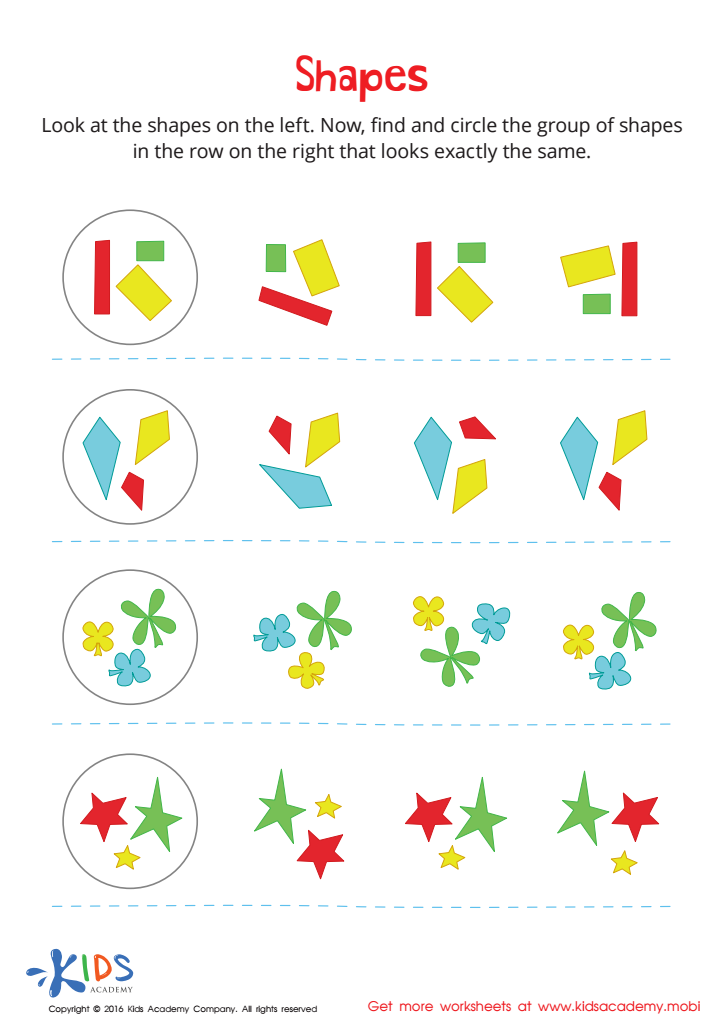
Shapes Worksheet
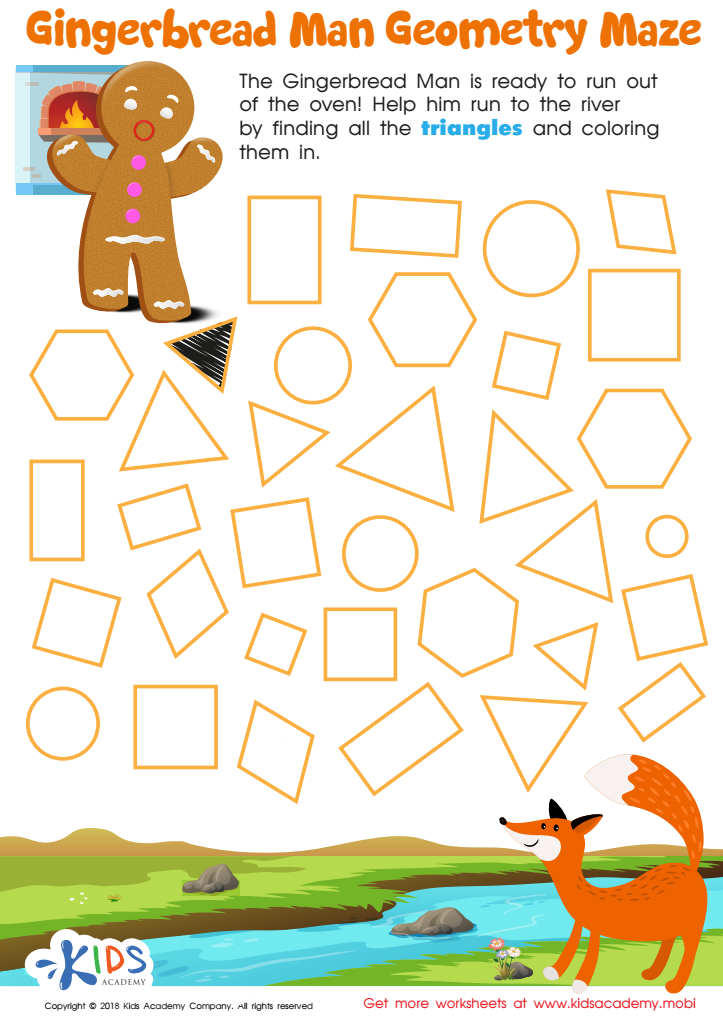
Gingerbread Man Geometry Maze Worksheet
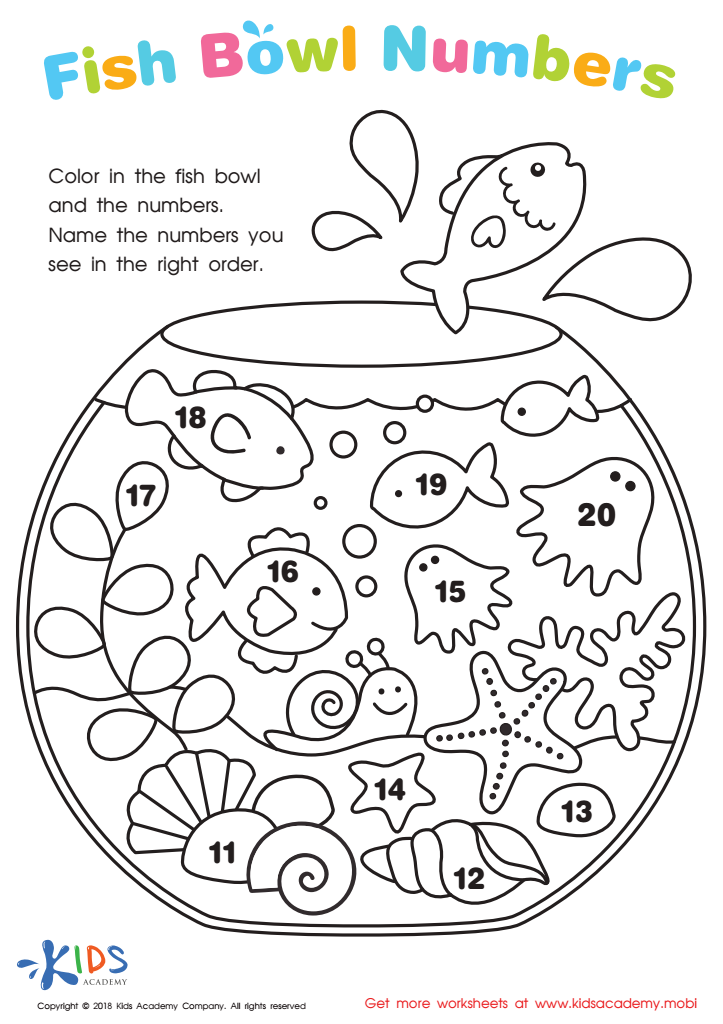
Fish Bowl Numbers Worksheet
Assign to My Students
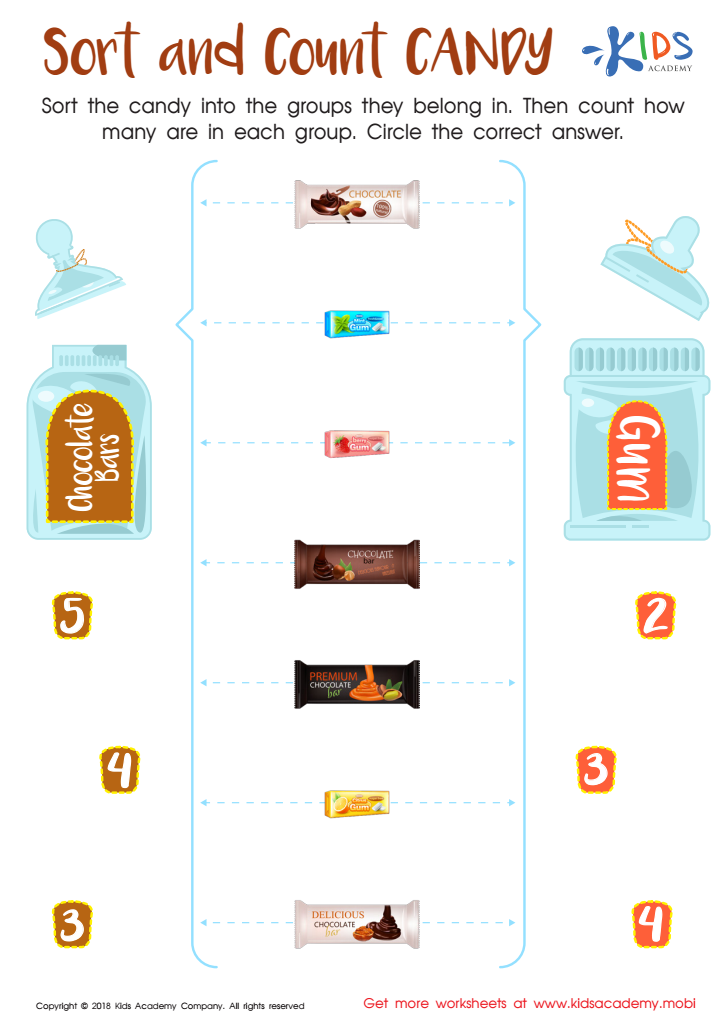
Sort and Count Candy Worksheet
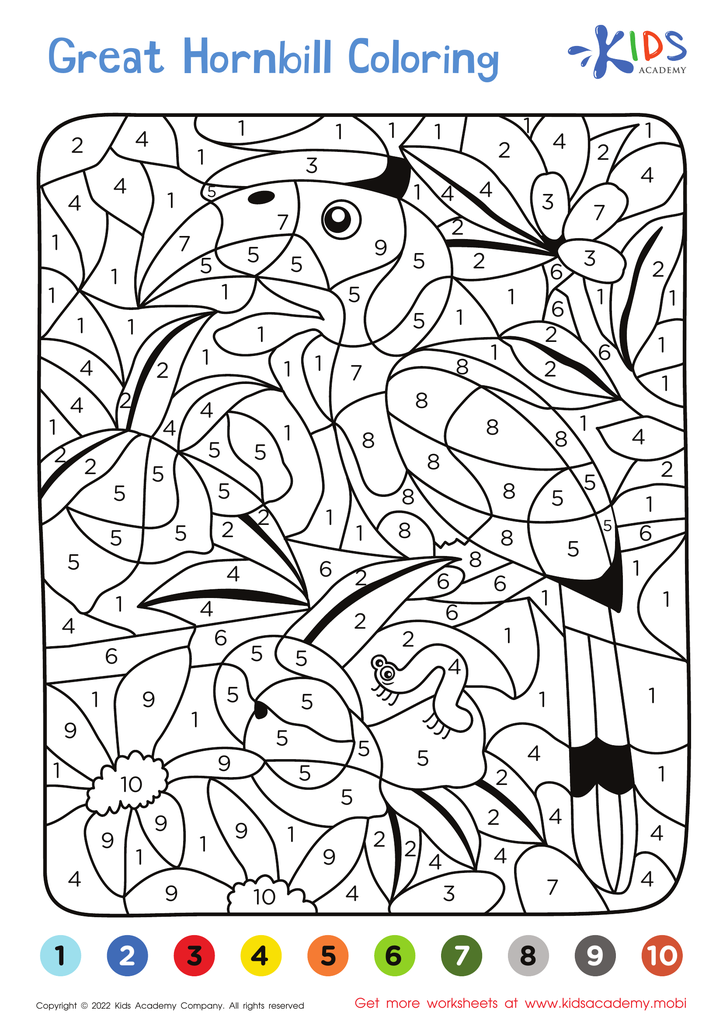
Great Hornbill – Coloring by Numbers
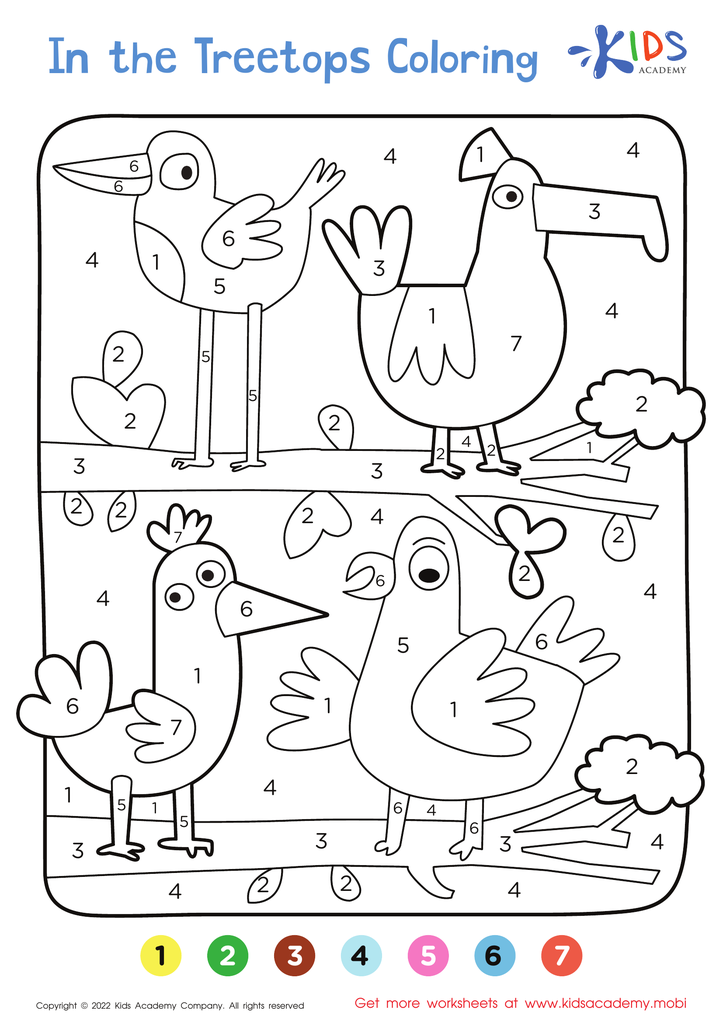
In the Treetops – Coloring Page
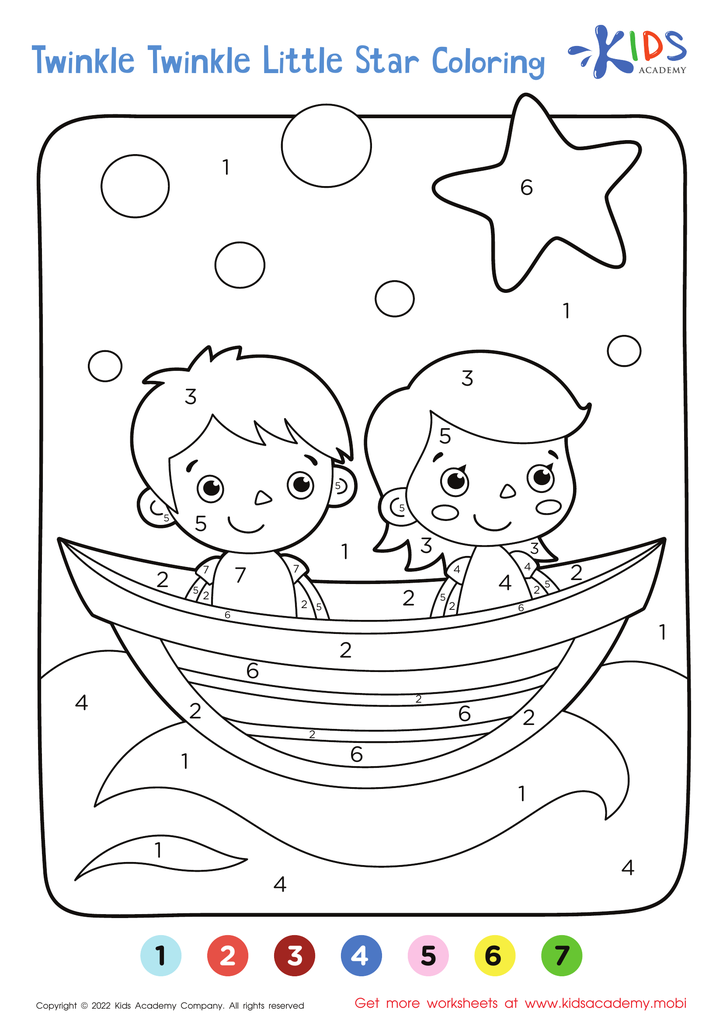
Twinkle, Twinkle, Little Star – Coloring by Numbers
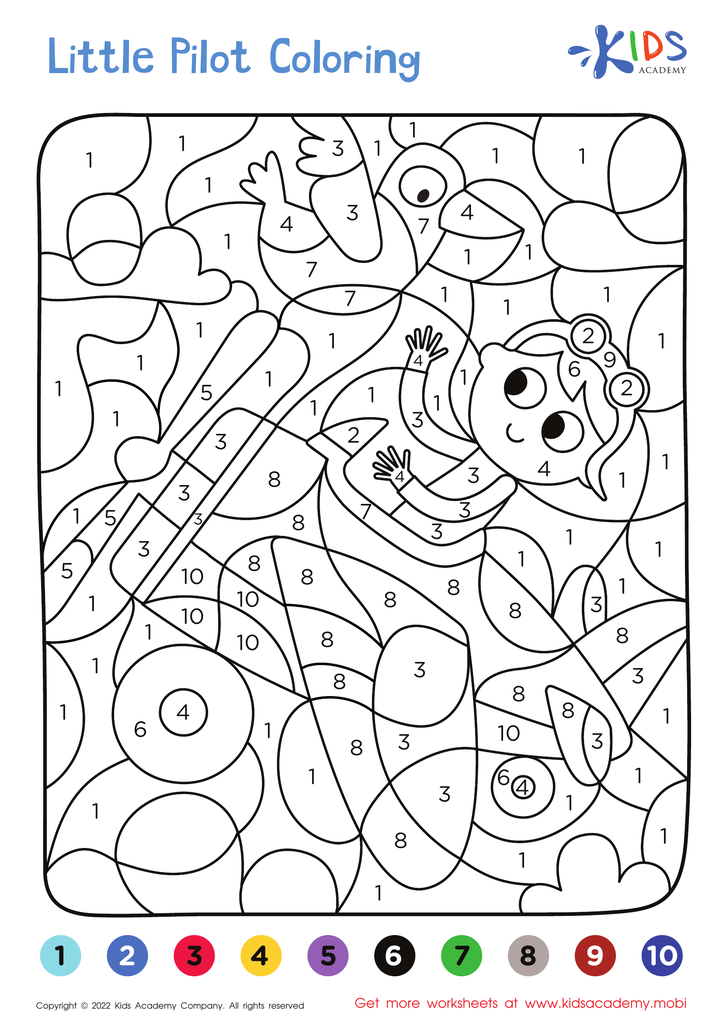
Little Pilot – Coloring by Numbers
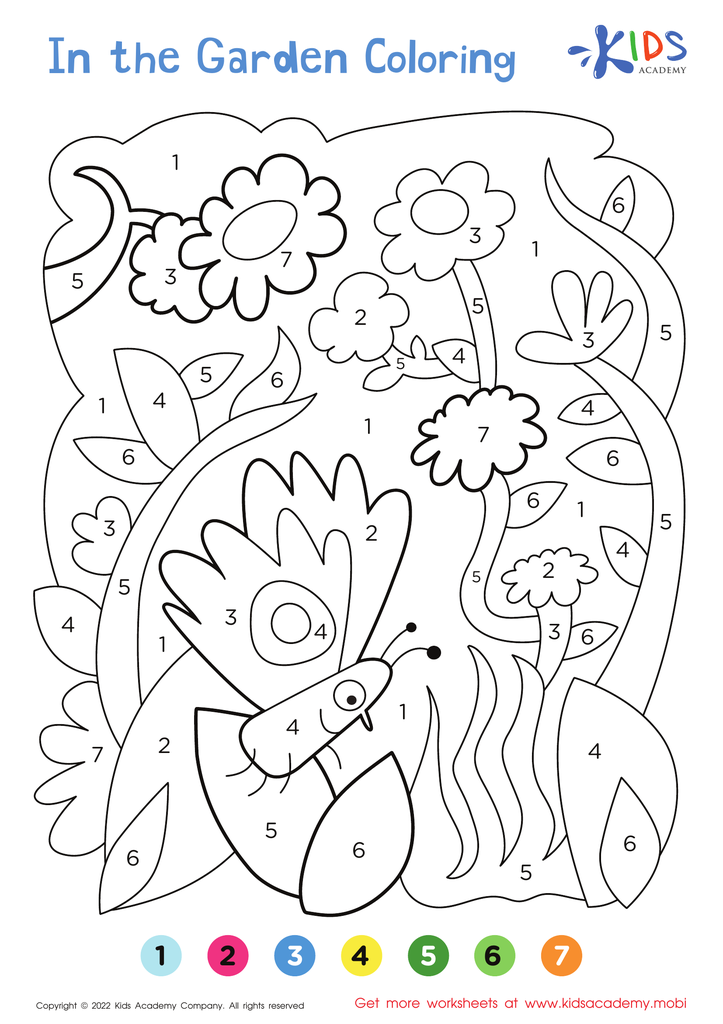
In the Garden – Coloring by Numbers
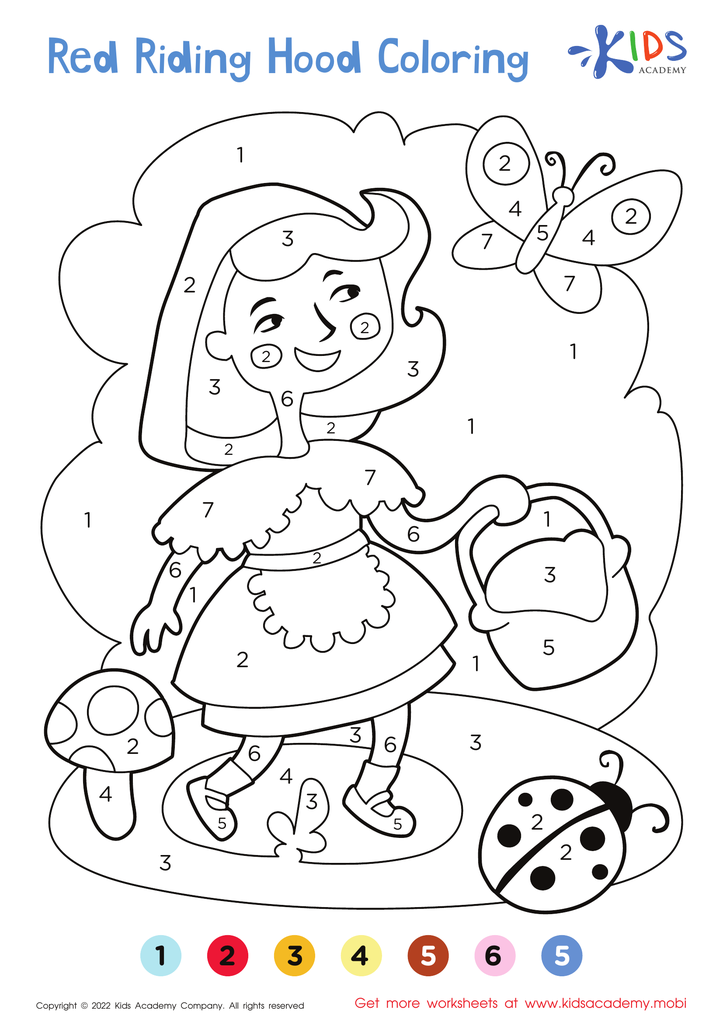
Little Red Riding Hood – Coloring by Numbers







Color recognition is a foundational skill for young learners, and it plays a crucial role in early mathematics education for 5-year-olds. Understanding colors helps children categorically organize their world, laying the groundwork for mathematical concepts such as sorting, grouping, and problem-solving. When children can recognize and manipulate colors, it enhances their ability to differentiate objects, which is essential for developing patterns—a key principle in mathematics.
Moreover, color recognition fosters language development as children learn to describe and compare items based on color. This vocabulary expansion supports comprehension and cognitive development. Activities that incorporate color, such as counting colored blocks or creating patterns with colored beads, reinforce mathematical concepts while making learning engaging and enjoyable.
Additionally, teaching color recognition through playful activities can spark children's interest in STEM (science, technology, engineering, and mathematics) fields from an early age. Structured guidance from parents and teachers can enhance these activities, ensuring children gain confidence in their mathematical abilities.
Ultimately, nurturing color recognition benefits overall cognitive, social, and emotional development, equipping young learners with essential skills for future academic success and lifelong learning. By emphasizing color as a joyful part of math, educators and parents can create a positive learning environment that promotes growth.








