Fine Motor Skills (coloring) Math Worksheets for 5-Year-Olds
4 filtered results
-
From - To
Enhance your 5-year-old's fine motor skills and math proficiency with our expertly designed coloring math worksheets. Crafted to engage young minds, these activities combine the joy of coloring with foundational math concepts. Each worksheet is strategically created to develop your child’s hand-eye coordination, pencil grip strength, and precision. With fun themes and interactive elements, children will enjoy practicing counting, number recognition, simple addition, and subtraction while honing their motor skills. Perfect for preschool and kindergarten readiness, these worksheets are a fantastic resource for parents and teachers aiming to build essential early learning skills in an enjoyable way.
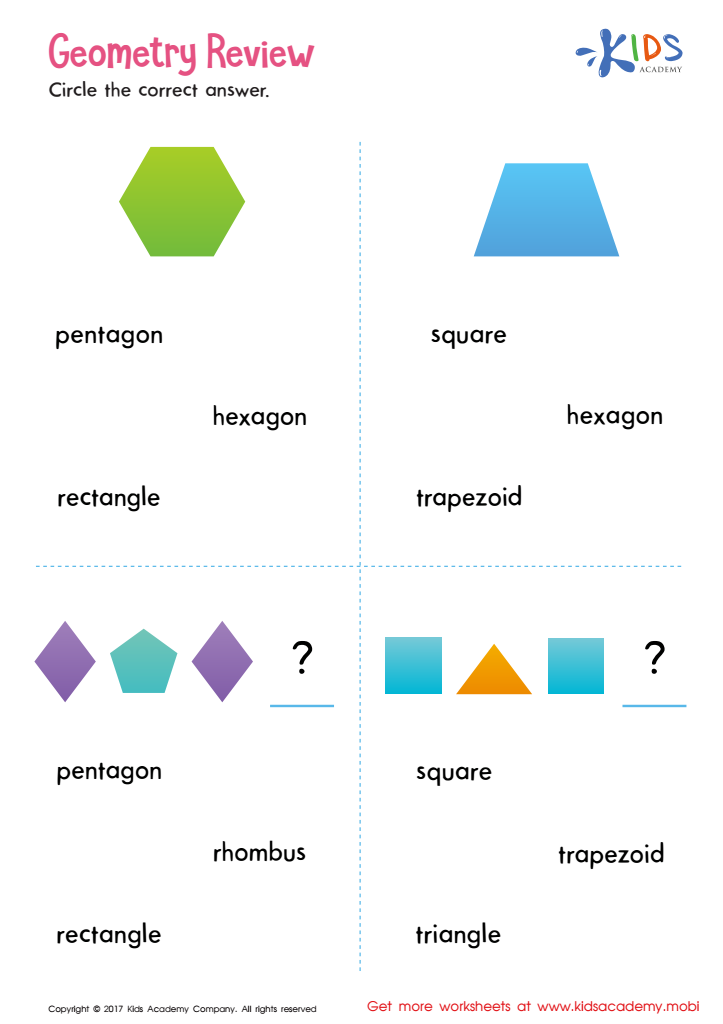
Geometry Review Printable
 Assign to My Students
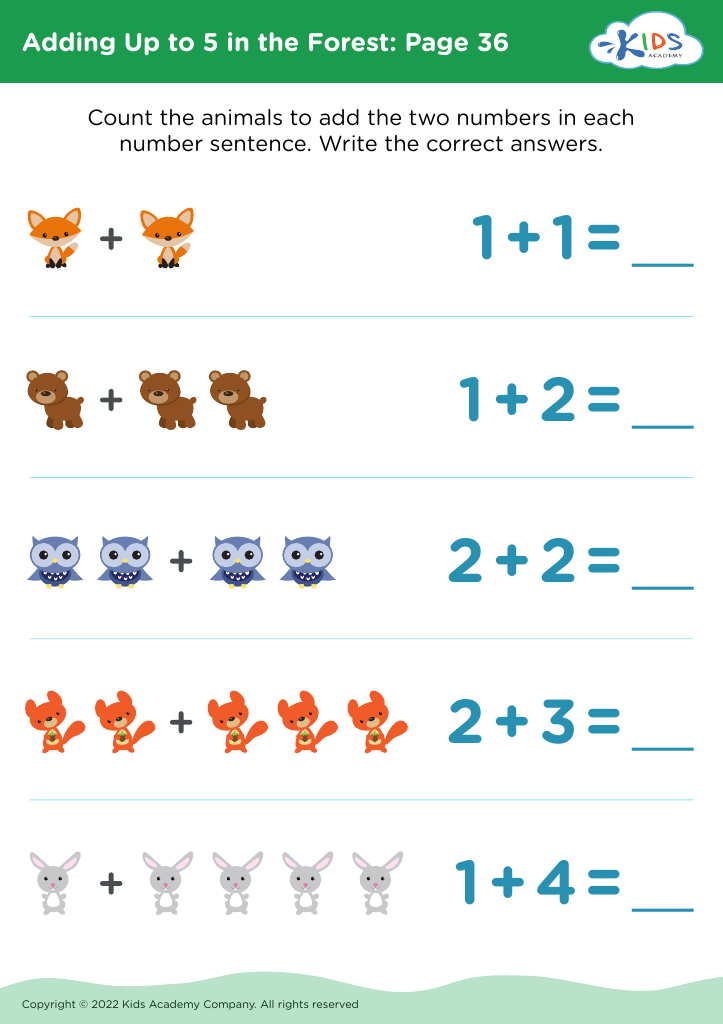
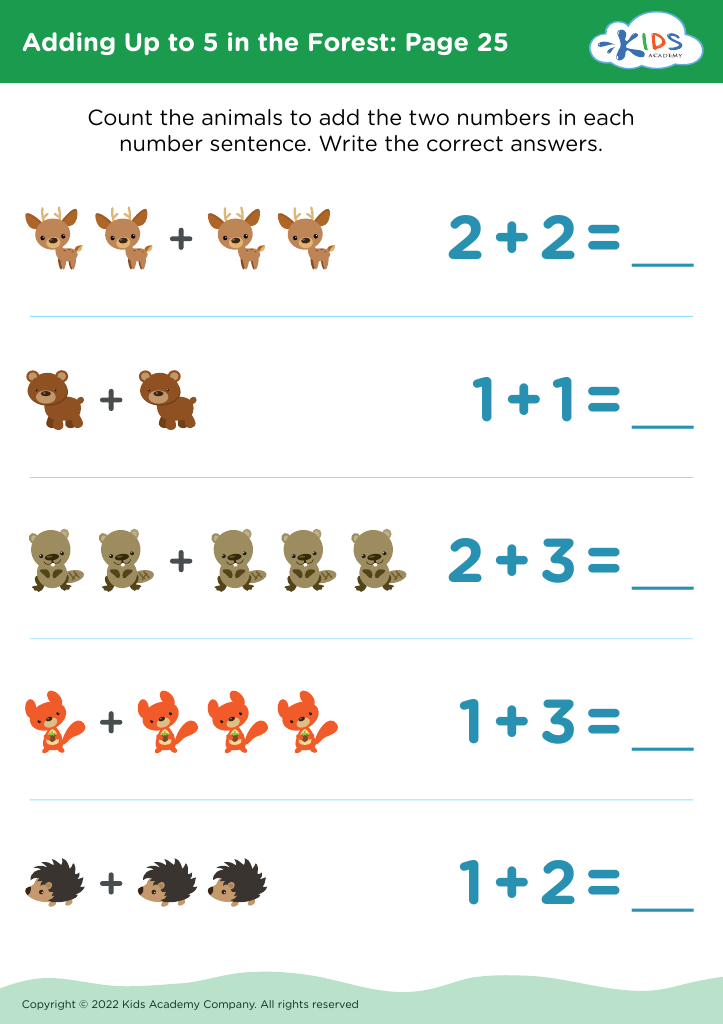
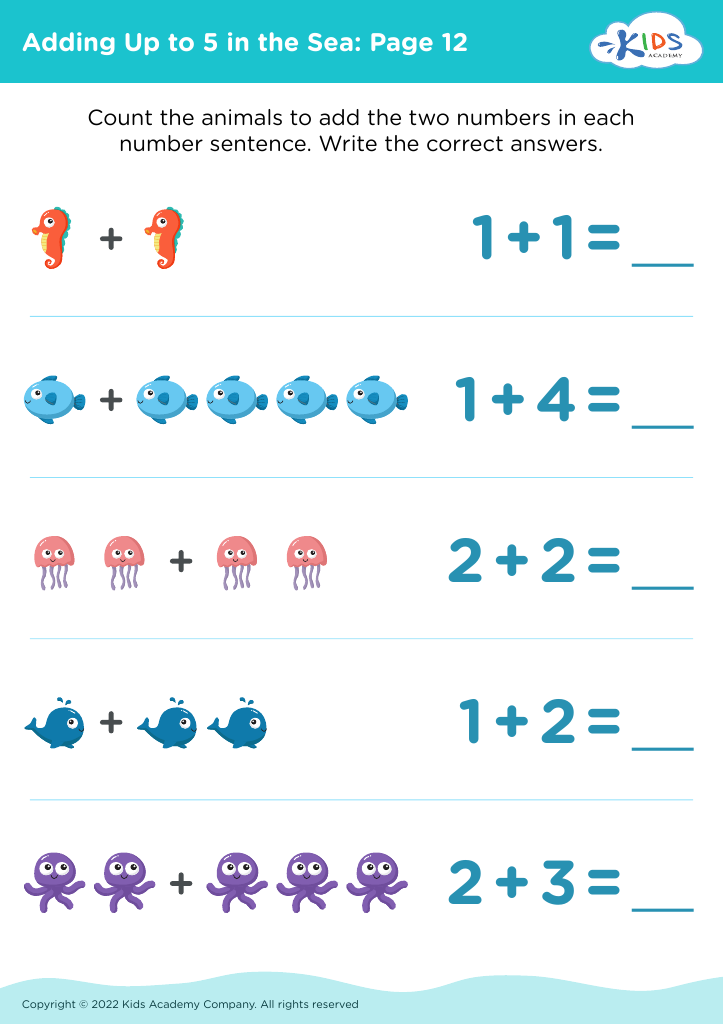





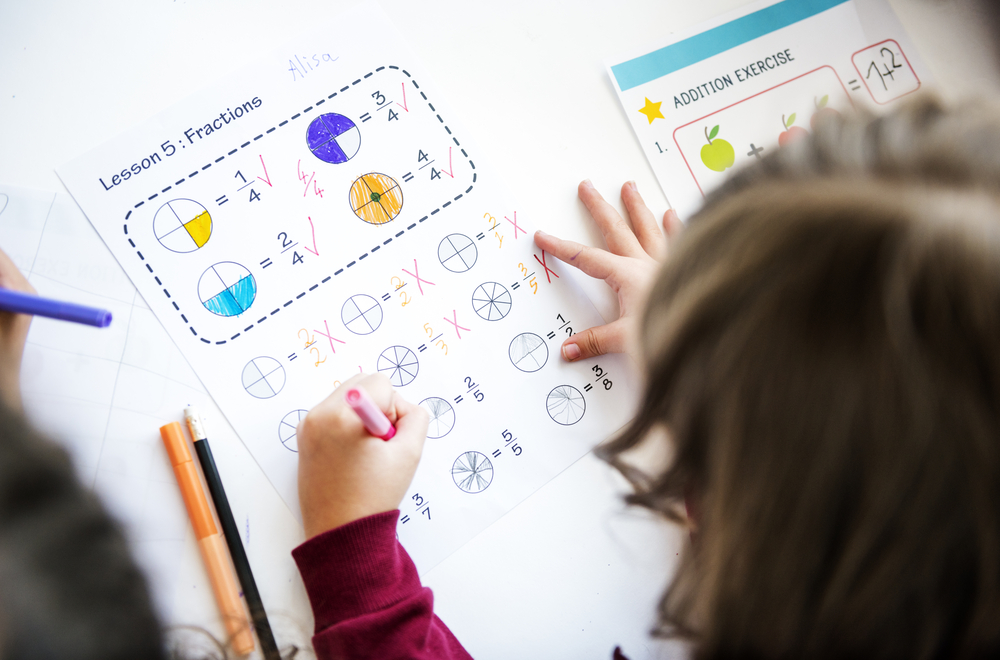


Fine motor skills, such as coloring, play a critical role in a child's overall development, particularly for 5-year-olds. These skills involve the coordination of small muscles, mainly in the hands and fingers, which are essential for performing precise actions. Developing fine motor skills early on lays the foundation for crucial everyday tasks like writing, buttoning clothes, and using utensils.
Incorporating math activities, like coloring math worksheets, not only enhances fine motor skills but also reinforces cognitive abilities. Coloring within specific boundaries while solving simple mathematical problems teaches children about shapes, numbers, and patterns in a fun and engaging way. It improves hand-eye coordination and promotes the ability to focus, aiding both academic and practical future tasks.
Fostering these skills at a young age boosts a child's confidence and independence, which carries over into other areas of learning and daily life. Parents and teachers should pay attention to fine motor development because these skills are interconnected with literacy, mathematics, and emotional self-regulation. Activities that blend fine motor development with math, like coloring numbered sections or drawing shapes, enrich a child's educational experience, making the learning process both effective and enjoyable.








