Fine Motor Skills Math Worksheets for 5-Year-Olds - Page 6
137 filtered results
-
From - To
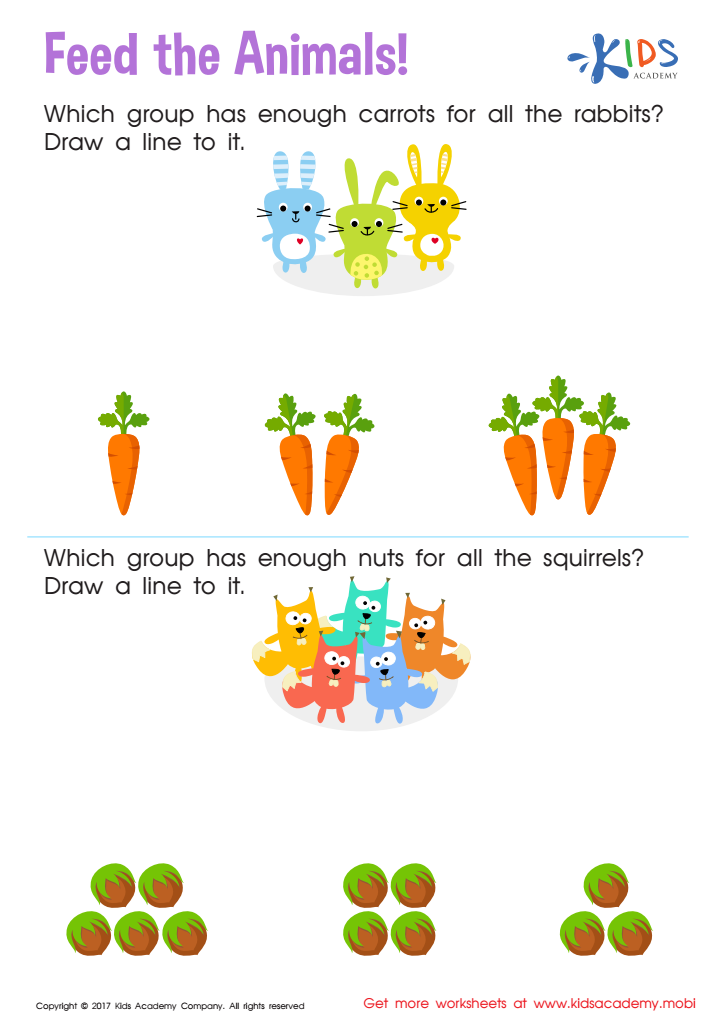
Count and Match: Feed the Animals Worksheet
 Assign to My Students
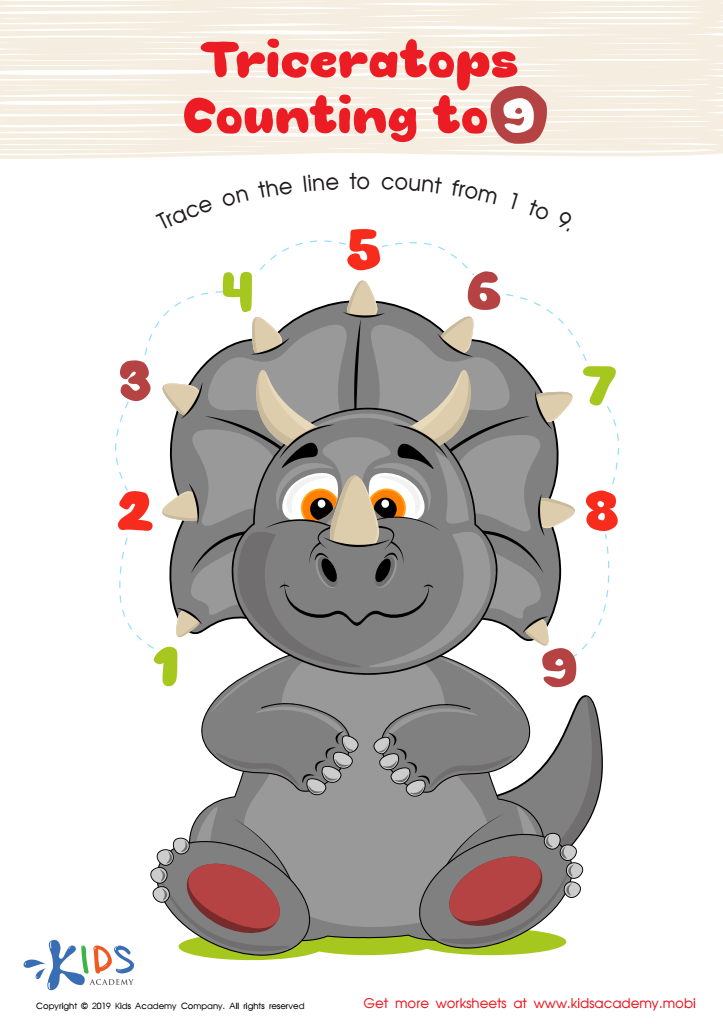
Triceratops Counting to 9 Worksheet
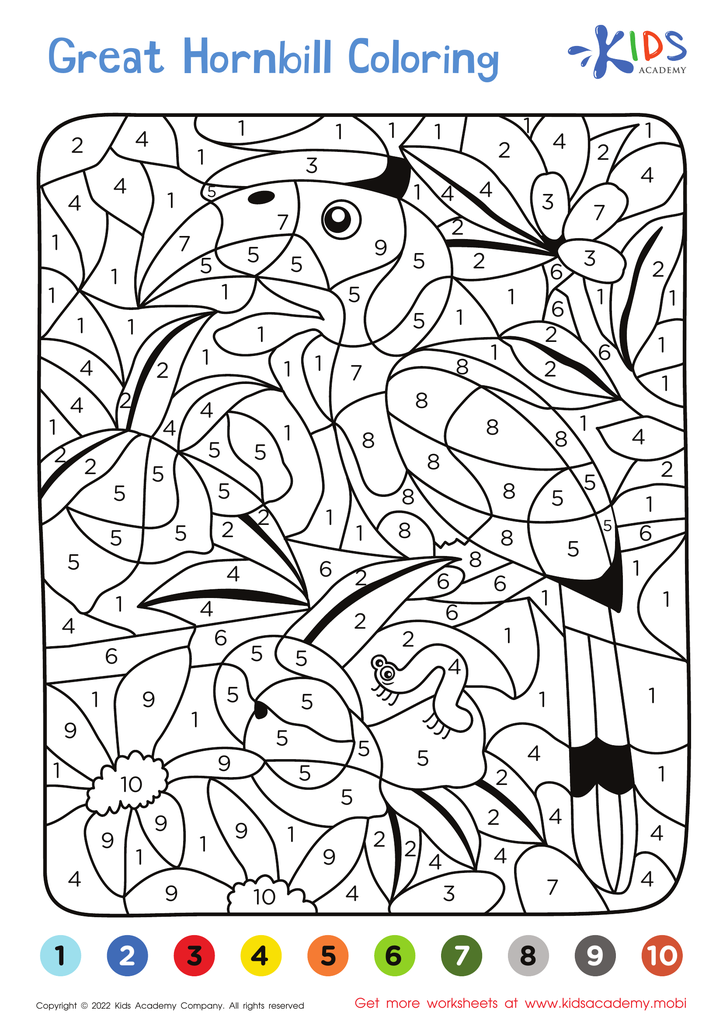
Great Hornbill – Coloring by Numbers
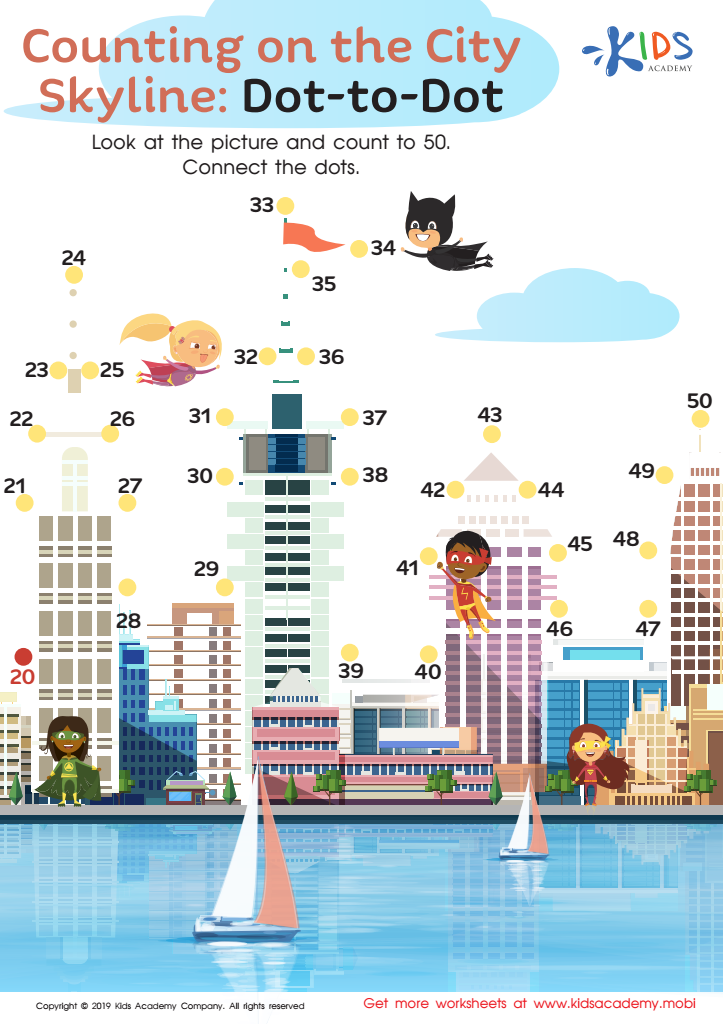
Counting on the City Skyline: Dot-to-Dot Worksheet
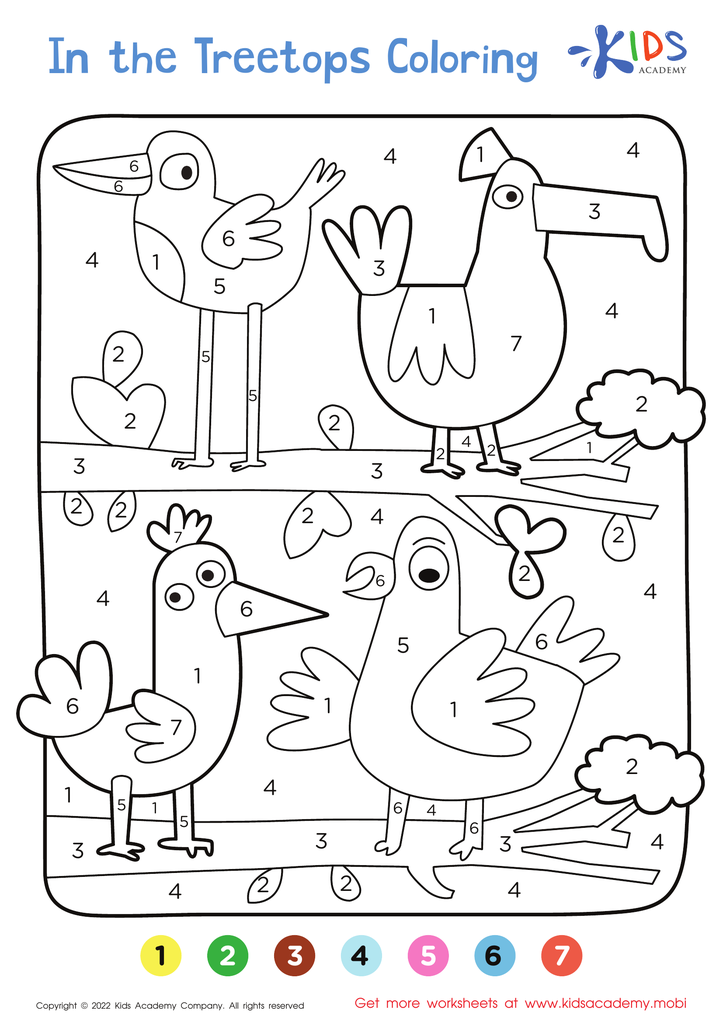
In the Treetops – Coloring Page
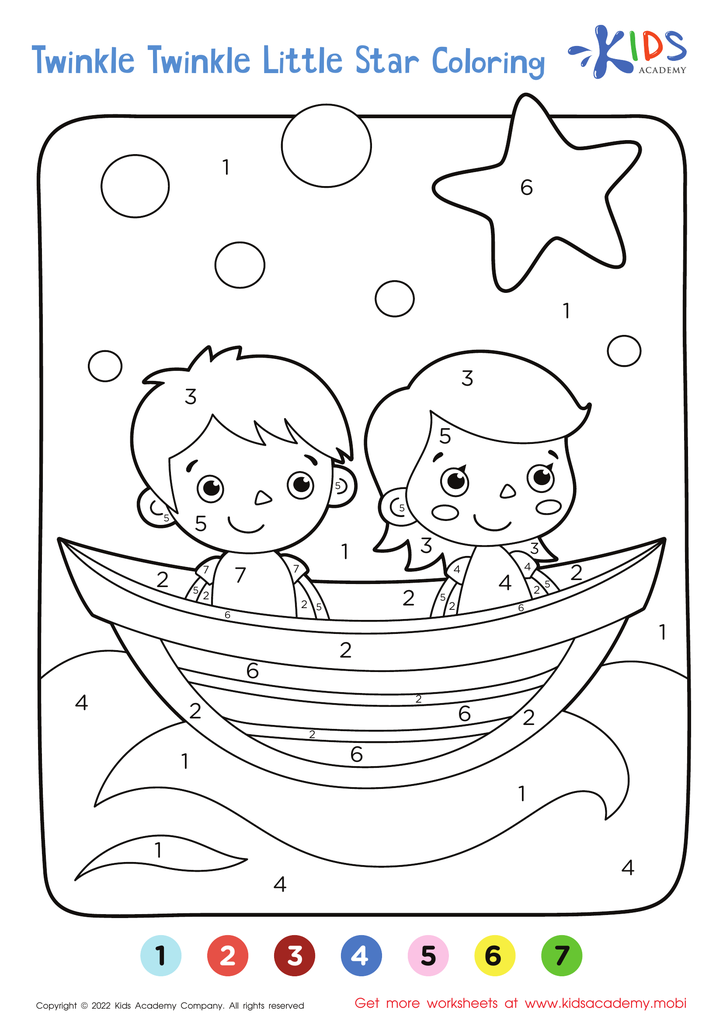
Twinkle, Twinkle, Little Star – Coloring by Numbers
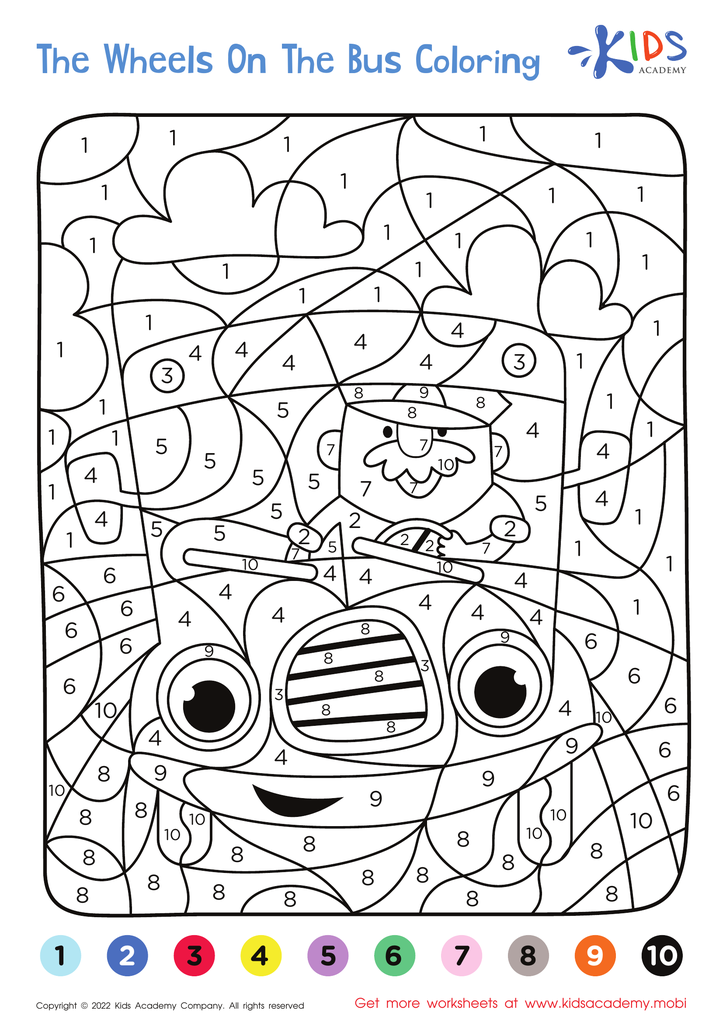
Wheels on the Bus – Coloring by Numbers
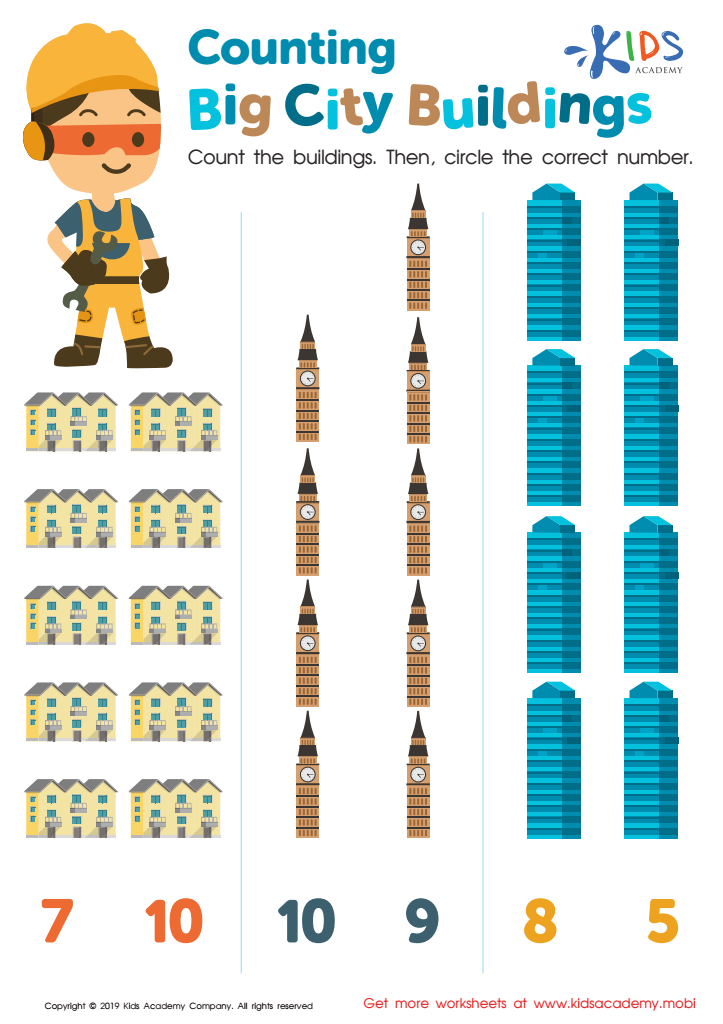
Counting Big City Buildings Worksheet
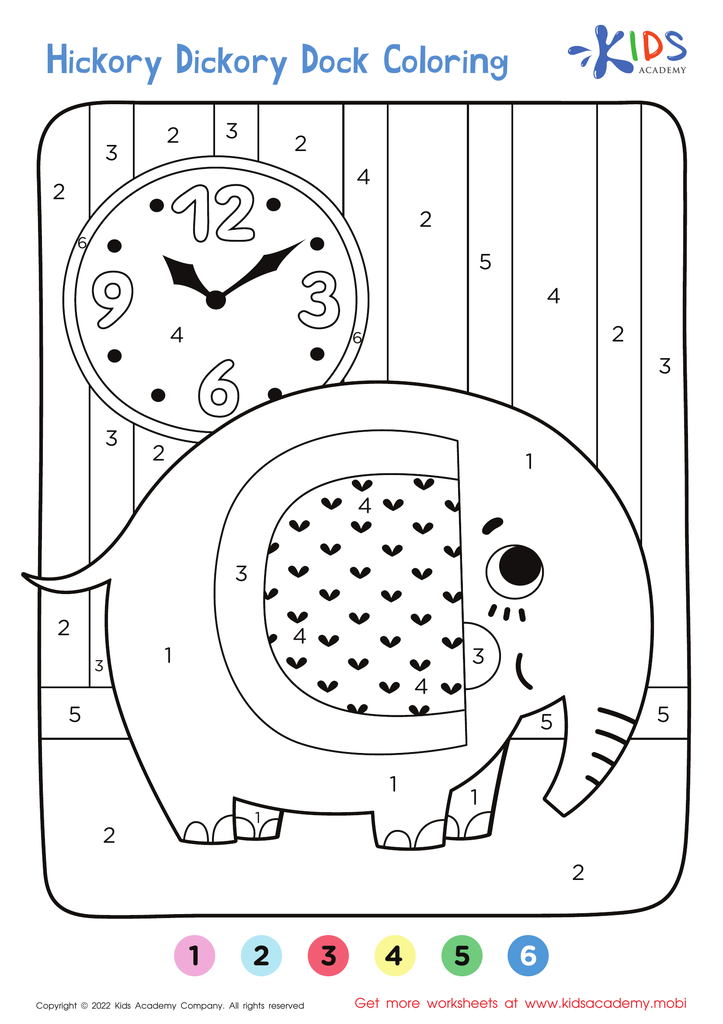
Hickory Dickory Dock – Coloring by Numbers
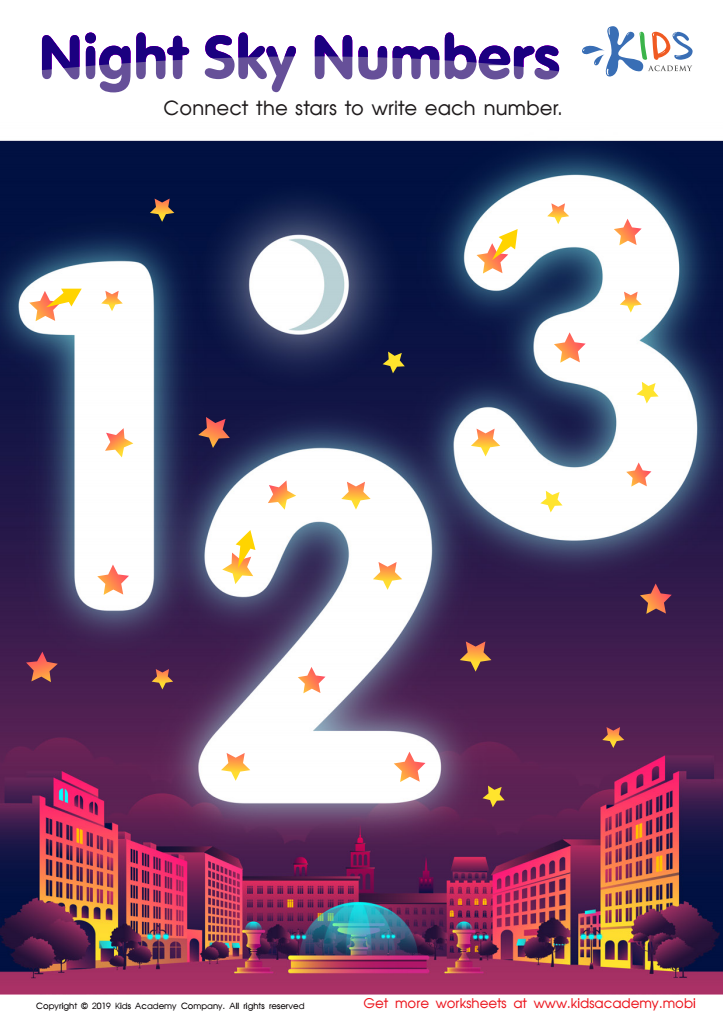
Night Sky Numbers Worksheet
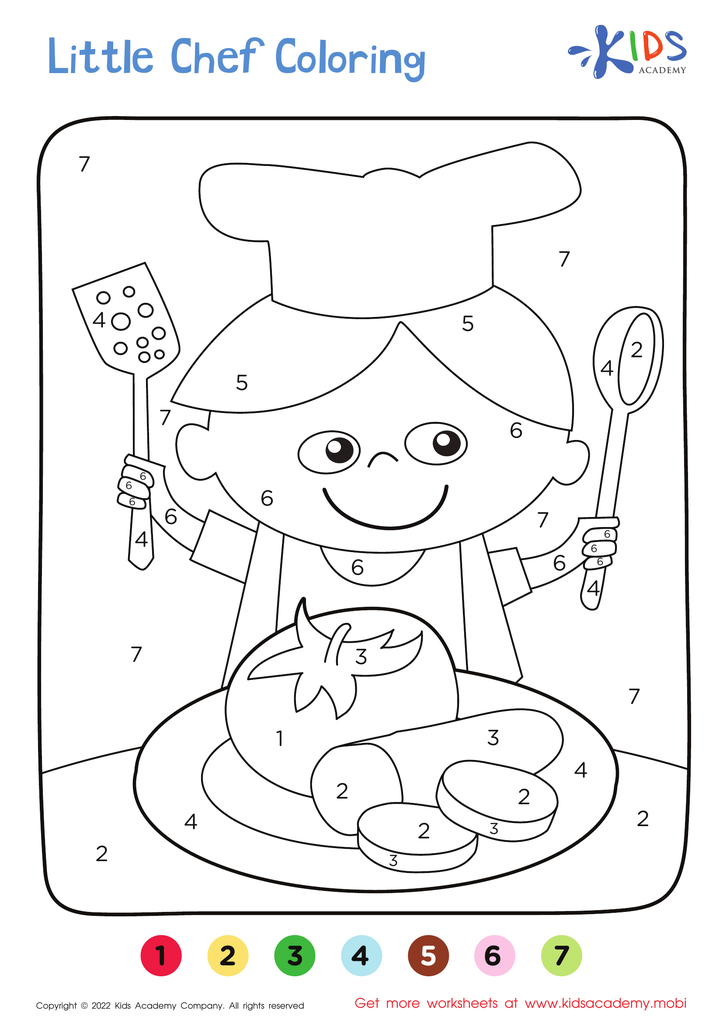
Little Chef – Coloring by Numbers
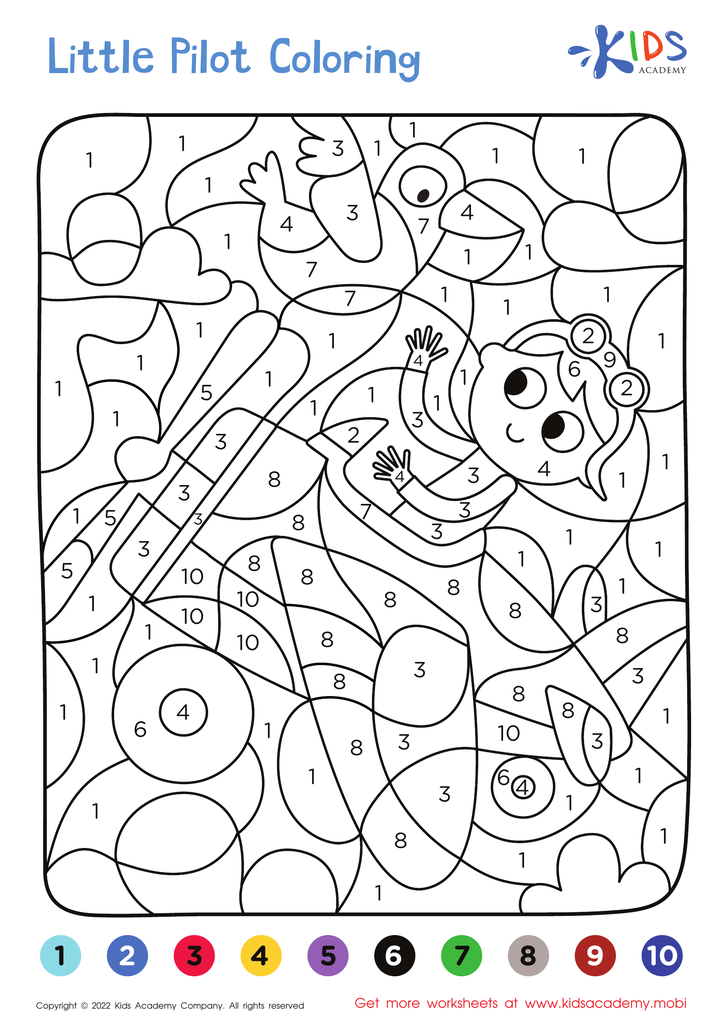
Little Pilot – Coloring by Numbers
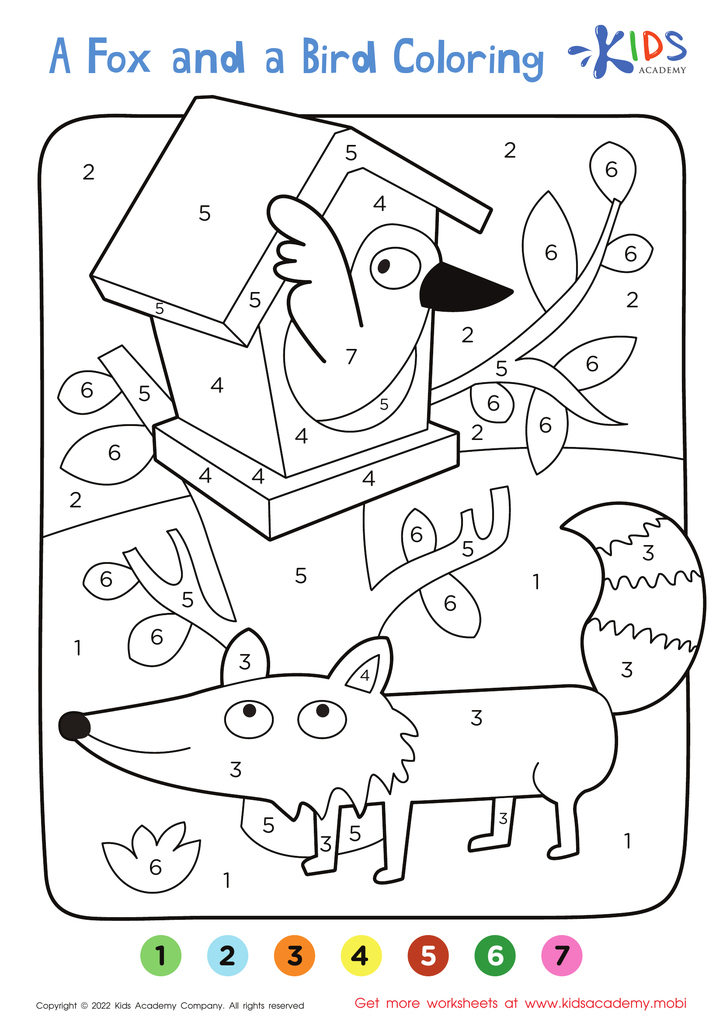
A Fox and a Bird – Coloring by Numbers
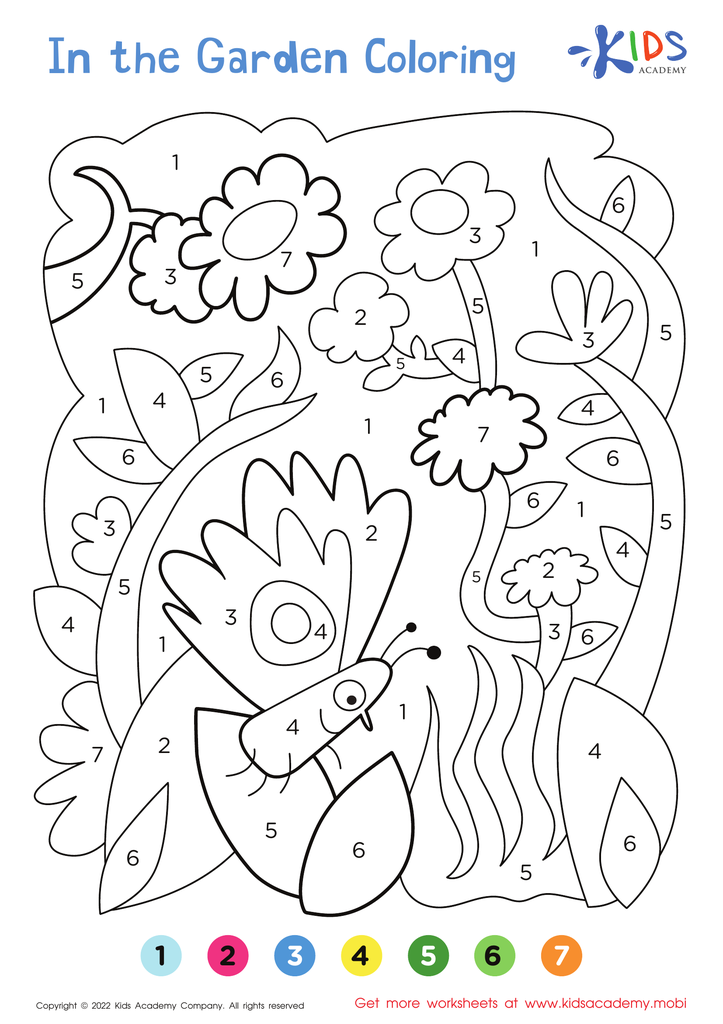
In the Garden – Coloring by Numbers
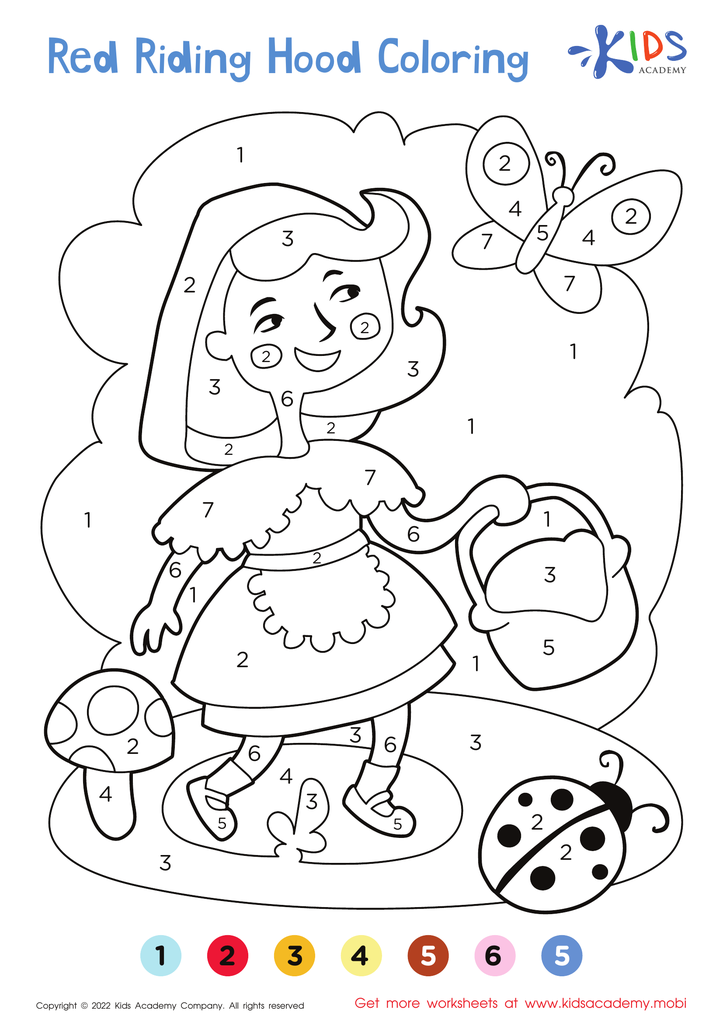
Little Red Riding Hood – Coloring by Numbers








Fine motor skills and math are interconnected foundations for young children's development, particularly for 5-year-olds. At this age, children are rapidly developing their physical, cognitive, and social abilities, and fine motor skills play a vital role in their ability to engage with mathematical concepts. When children manipulate small objects, manipulate scissors, or use writing tools, they enhance dexterity, hand-eye coordination, and precision—all essential for tasks like counting, sorting, measuring, and drawing shapes.
Enabling children to develop fine motor skills can therefore enhance their mathematical learning experiences. For instance, activities such as threading beads or playing with building blocks incorporate both fine motor practice and early math concepts like patterns, sequences, and spatial awareness. By fostering these skills, parents and educators help children become more confident and capable learners.
Moreover, fine motor skills are not just about physical development; they support broader academic readiness. Children with strong fine motor abilities are often better equipped for writing tasks and other classroom activities, leading to improved overall performance. Therefore, prioritizing fine motor skill development through engaging math-related activities can set the stage for a solid foundation in both math and related academic areas, encouraging a curious, competent attitude towards learning.








