Understanding numeracy Math Worksheets for 5-Year-Olds
4 filtered results
-
From - To
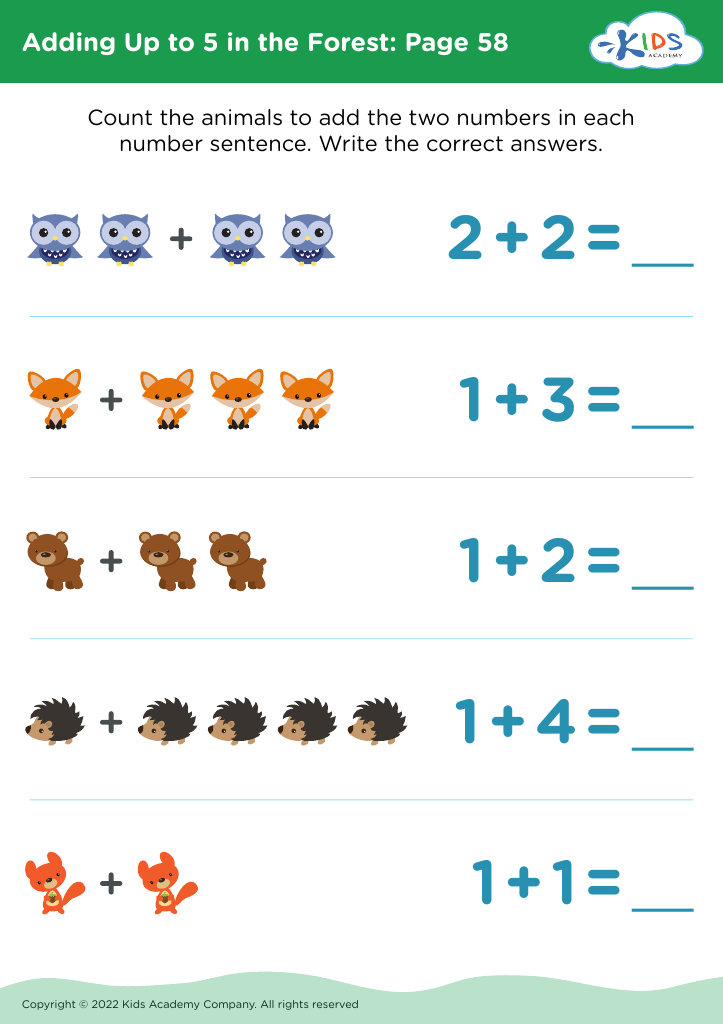
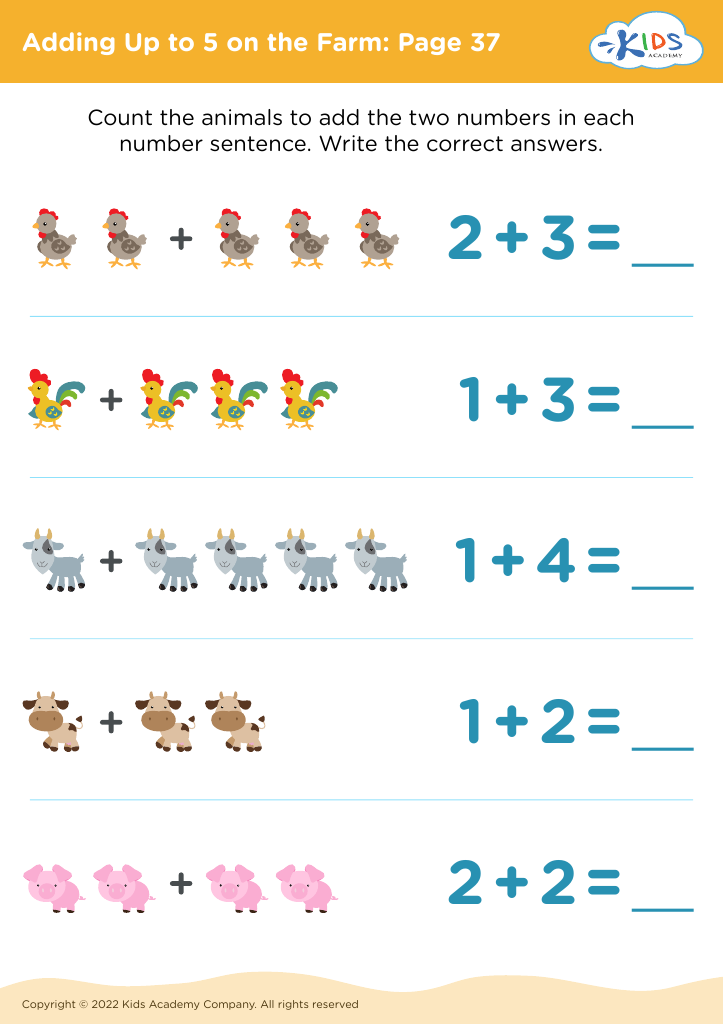
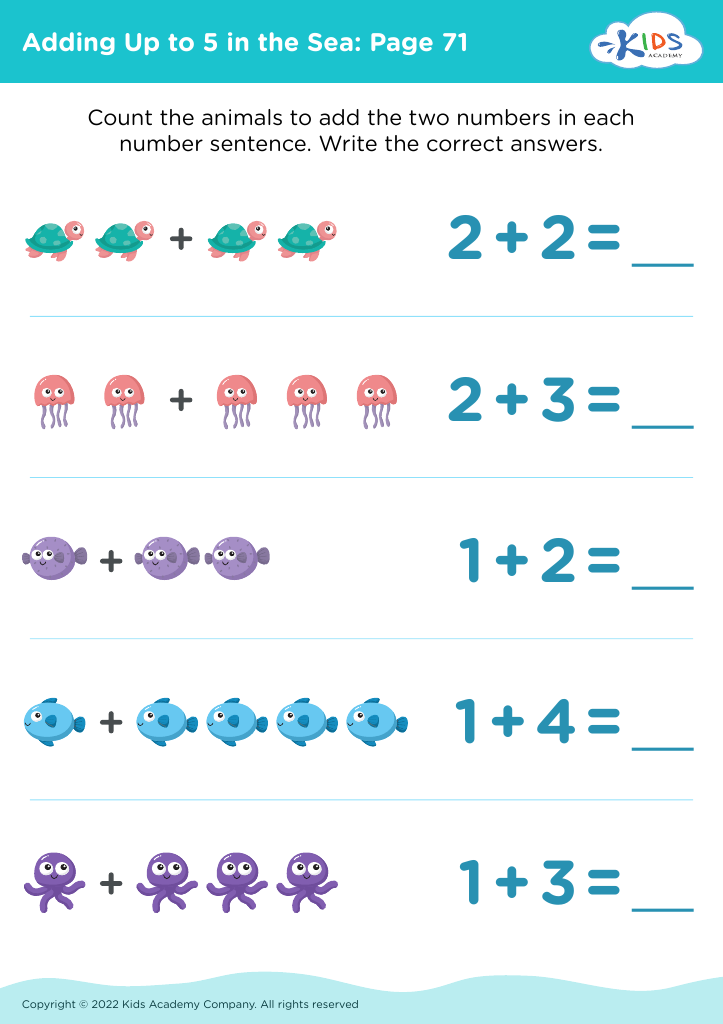
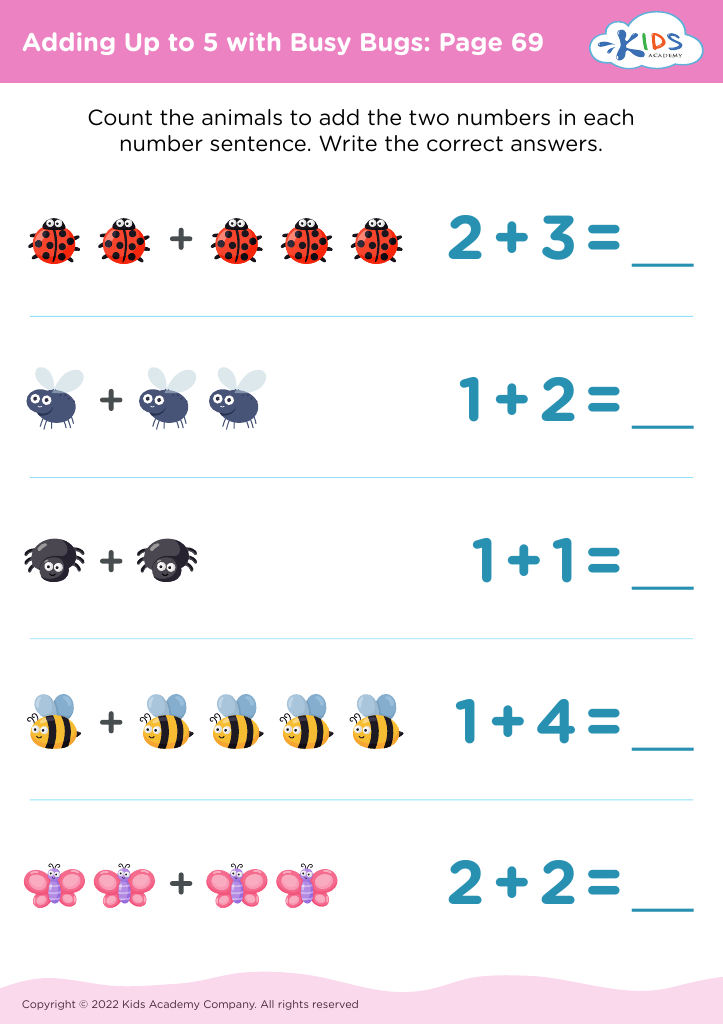
Discover the world of numeracy with our engaging math worksheets designed specifically for 5-year-olds! These resources foster a solid foundation in essential math concepts through playful and interactive activities. Focused on understanding numbers, counting, and basic operations, our worksheets help young learners develop critical early math skills. Each activity promotes hands-on learning, encouraging children to visualize numbers and problem-solve in a fun way. Ideal for teachers and parents, these printable worksheets can easily be integrated into any learning environment. Let your little ones embark on an exciting journey to numeracy success as they build confidence and a love for math!




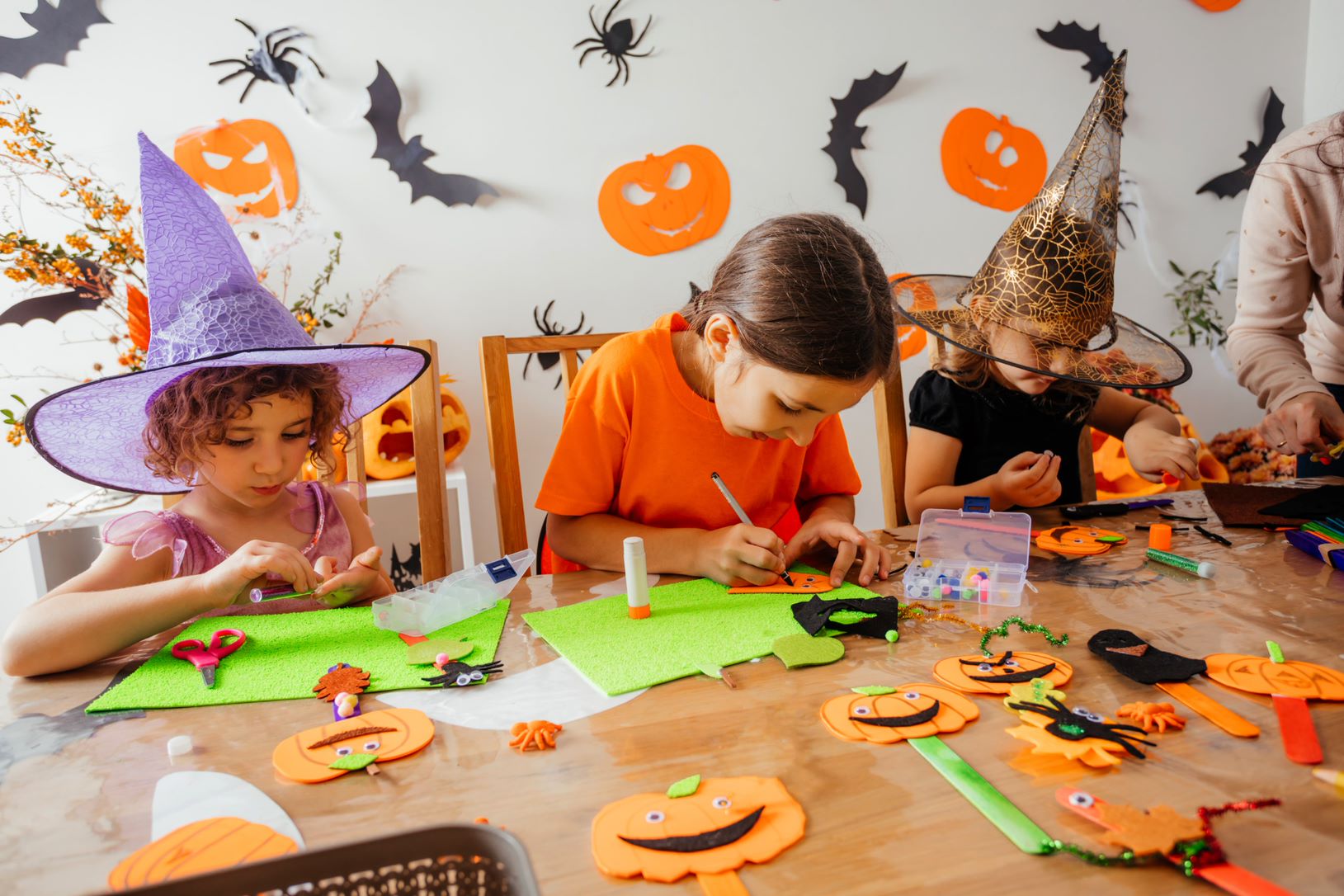



Understanding numeracy and mathematics for 5-year-olds is crucial for several reasons. First, early math skills form the foundation for future academic success. Research shows that children who develop strong numeracy skills before age six are more likely to excel in subjects like math and science later in school. By focusing on math concepts early, parents and teachers can foster a positive attitude towards learning that lasts a lifetime.
Second, numeracy develops essential life skills. Everyday decision-making, problem-solving, and logical reasoning are rooted in basic math. When children grasp concepts like counting, addition, subtraction, and spatial awareness, they enhance their ability to navigate the world around them. This understanding supports tasks such as budgeting and measuring, which are essential as they grow older.
Lastly, engaging with math can bolster coping capabilities, particularly in stressful situations or new environments. A solid math foundation encourages kids to tackle challenges optimistically, knowing they possess the skills to access information and seek solutions.
In summary, parents and teachers who prioritize early numeracy help children build a strong academic and practical foundation for a successful future, nurturing confident, capable learners.








