
Fine Motor Skills Matching Worksheets for 5-Year-Olds
9 filtered results
Difficulty Level
Grade
Age
-
From - To
Subject
Activity
Standards
Discover our engaging Fine Motor Skills Matching Worksheets, specifically designed for 5-year-olds to enhance their hand-eye coordination and dexterity. These worksheets feature fun matching activities that encourage children to connect images, shapes, and objects, making learning enjoyable and interactive. Ideal for preschool and kindergarten readiness, our printable resources foster essential motor skills through playful engagement and creative exercises. Watch as your child develops confidence and concentration while mastering the challenges on each page. Perfect for at-home learning or classroom use, these worksheets provide a wonderful foundation for future academic success. Begin your child’s journey to fine motor brilliance today!
Favorites
With answer key
Interactive
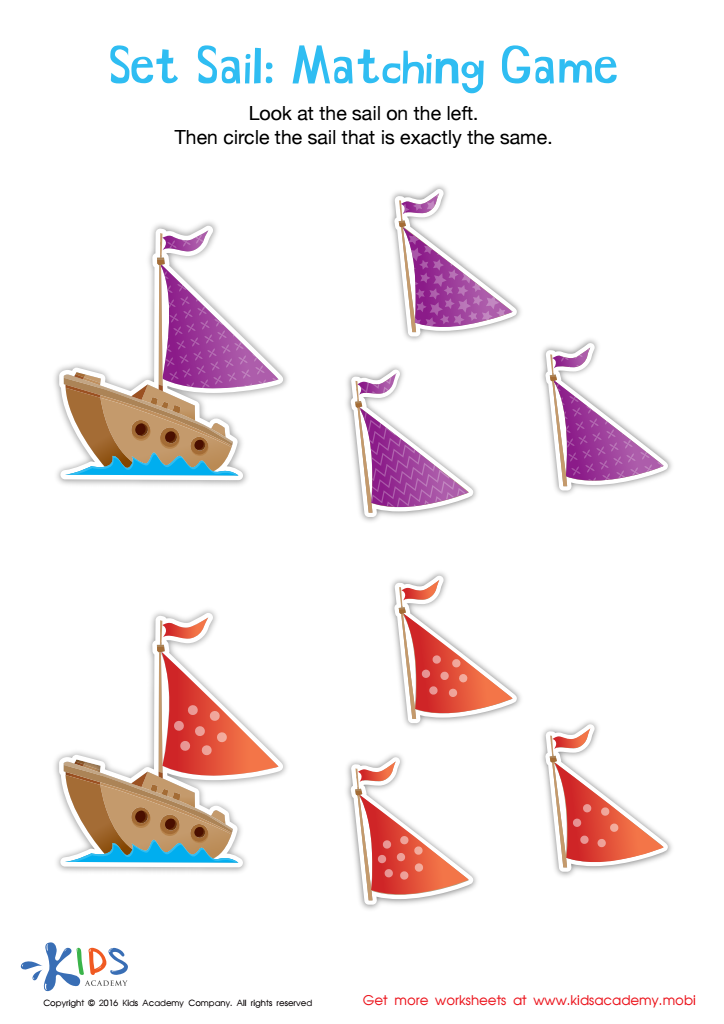
Set Sail Worksheet
Set sail with this fun matching game for toddlers! Kids will love finding the same pattern on the sails, improving their problem-solving and counting skills. Enjoy this bright and engaging worksheet!
 Assign to My Students
Set Sail Worksheet
Worksheet
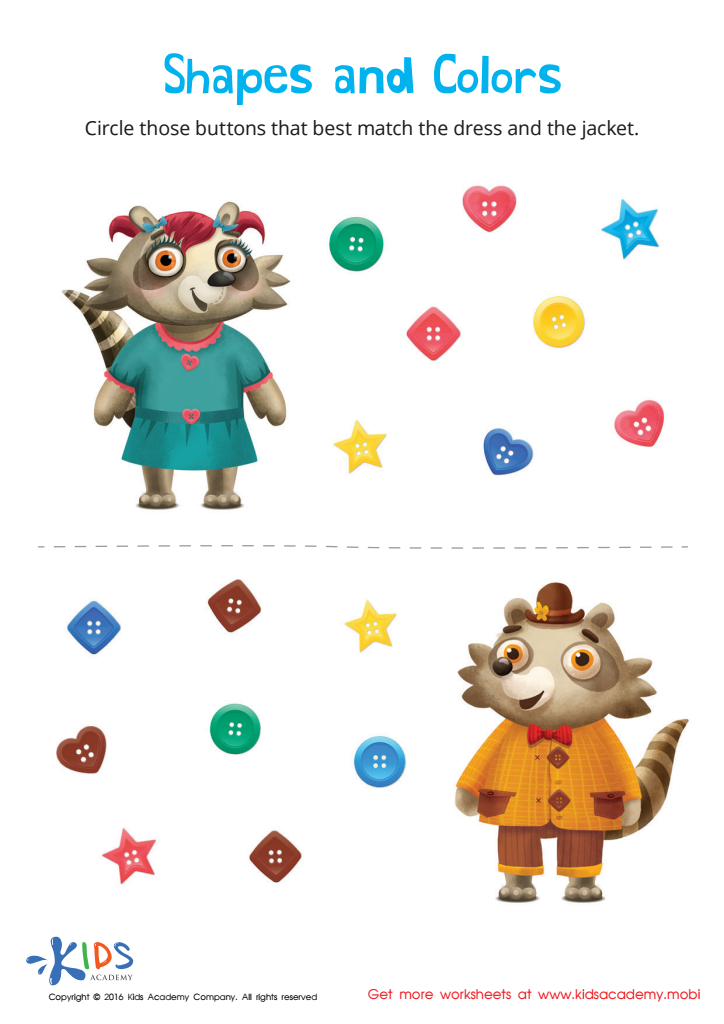
Matching: Shapes and Colors Worksheet
Help Mr. and Mrs. Raccoon find the right buttons to match their shirts! Kids will identify shapes and colors and learn to match them correctly.
Matching: Shapes and Colors Worksheet
Worksheet
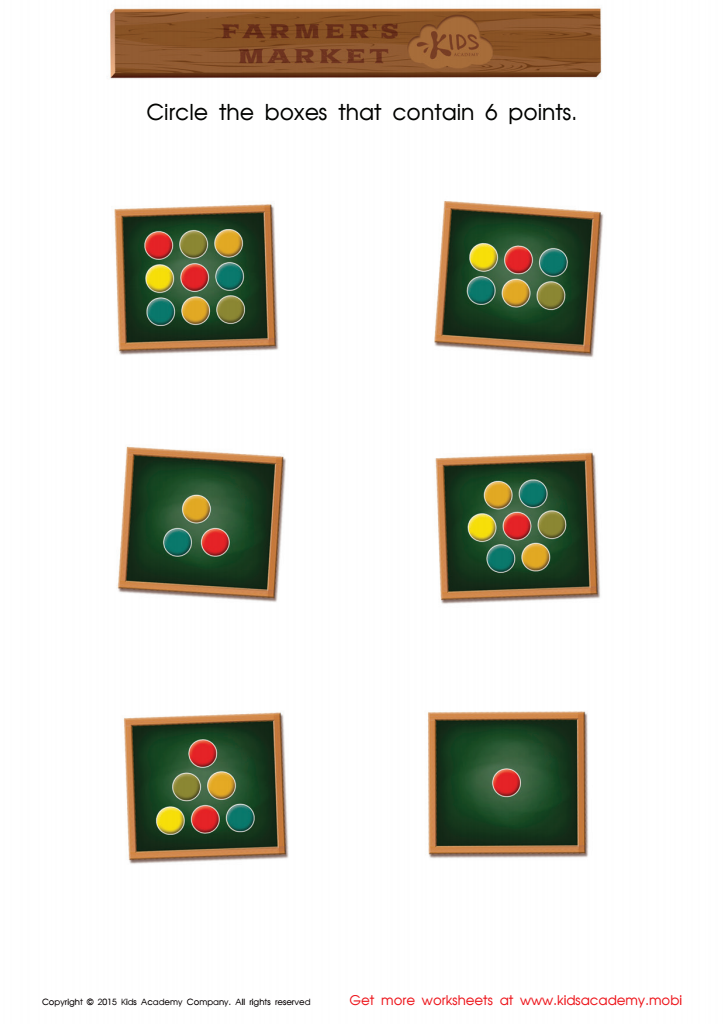
Count and Match Points 6 Math Worksheet
Help your child with mathematics by guiding them with this fun printable worksheet. They will practice counting numbers by looking at all the boxes and circling the ones containing 6 dots. Together you will gain a better understanding of mathematics.
Count and Match Points 6 Math Worksheet
Worksheet
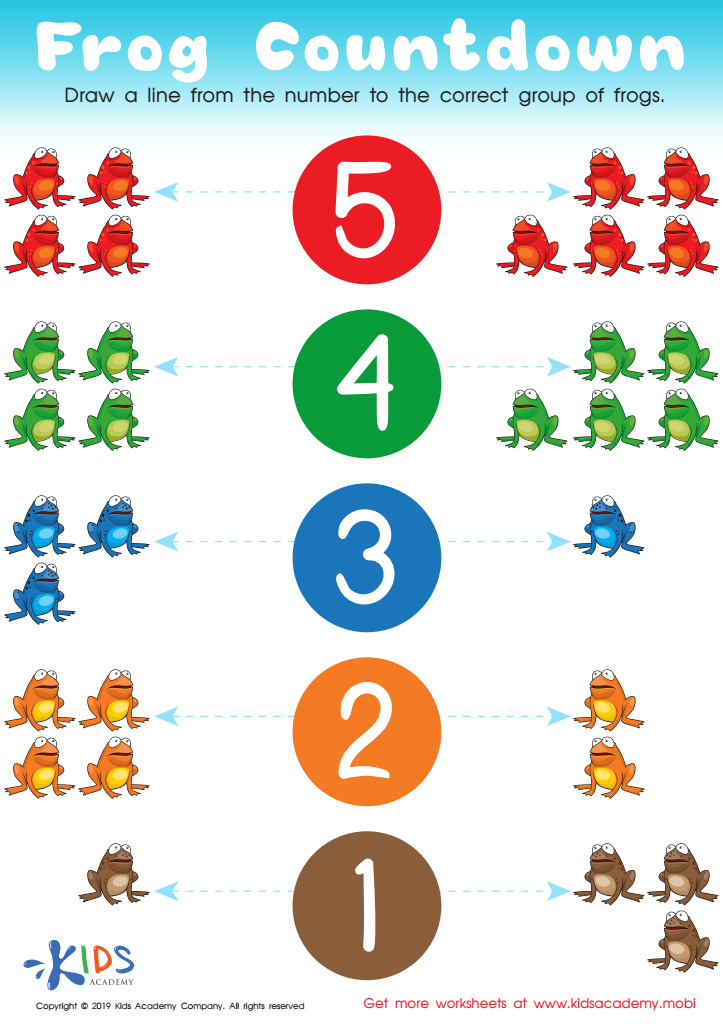
Frog Countdown Worksheet
Make learning fun for kids with traceable printouts! This exercise has kids counting frogs and drawing a line to match the number. Expand their knowledge with activities like this, beyond the basics they learn in school. Help them explore new ways of learning and make it enjoyable.
Frog Countdown Worksheet
Worksheet
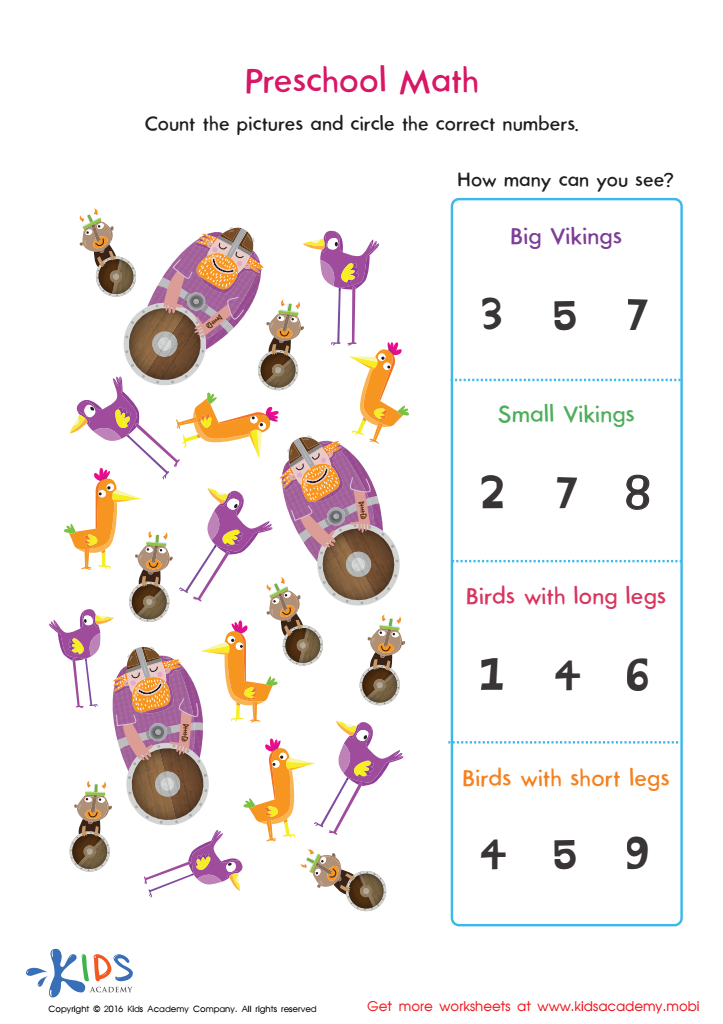
Counting Worksheet: Preschool Math
Worksheet
Join Kids Academy for Free
Who is primarily going to use this learning content?








Fine motor skills are essential for 5-year-olds as they serve as the building blocks for many daily tasks and academic activities. These skills involve the coordinated use of small muscles, primarily in the hands and fingers. When parents and teachers prioritize the development of fine motor skills, they are helping children gain control over their movements, which is vital for tasks such as writing, drawing, buttoning clothes, and using scissors.
Developing these skills also impacts a child’s ability to participate in activities like playing with puzzles, building with blocks, and completing art projects, all of which enhance cognitive growth and creativity. Fine motor skills are closely linked to a child's self-esteem and independence; when children can perform tasks independently, they feel a sense of accomplishment.
Additionally, fine motor skills are associated with academic readiness, particularly in writing and other school-related activities. Early development in this area can predict better academic outcomes. For parents and teachers, fostering fine motor skills means providing children with engaging and purposeful activities, laying a strong foundation for their future learning and everyday life skills. Investing time in fine motor skill development can lead to greater long-term benefits in a child’s life and overall functioning.








