Number Recognition Matching Worksheets for 5-Year-Olds
14 filtered results
-
From - To
Enhance your child's numerical skills with our Number Recognition Matching Worksheets for 5-Year-Olds. Designed to engage and educate, these worksheets help young learners identify and match numbers, fostering early math readiness through fun activities. Perfect for preschool and kindergarten-aged kids, the vibrant illustrations and interactive exercises make learning numbers a joyful experience. By using these worksheets, children develop critical thinking, boost memory retention, and build a strong mathematical foundation. Ideal for parents and teachers alike, these worksheets are a perfect addition to any educational routine. Download and start learning today!
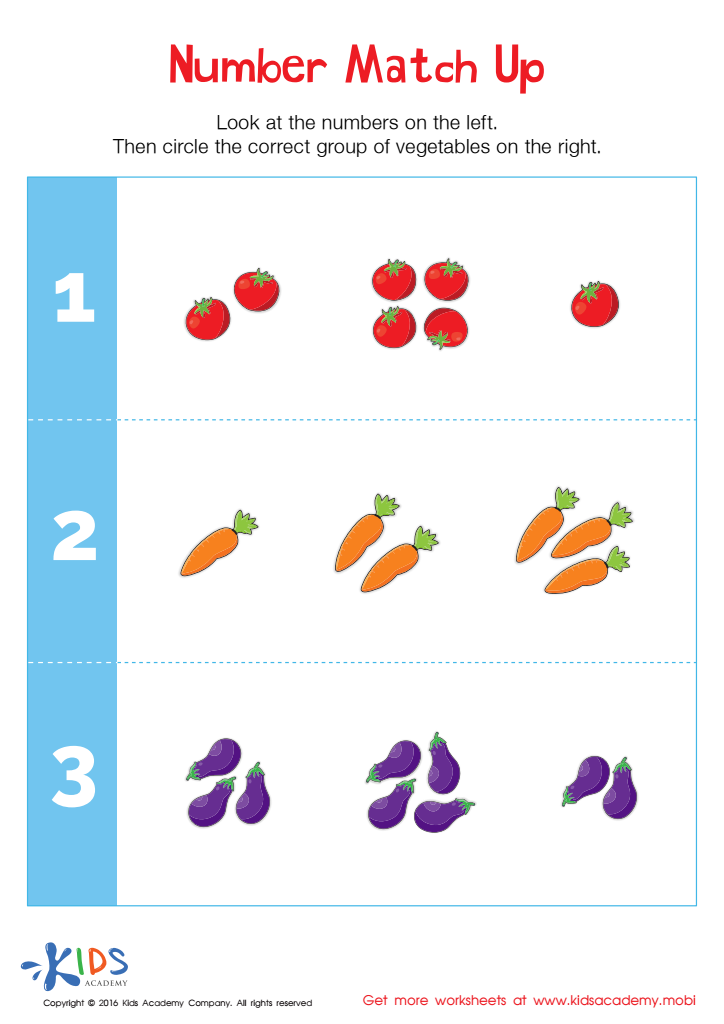
Number Match Up Worksheet
 Assign to My Students
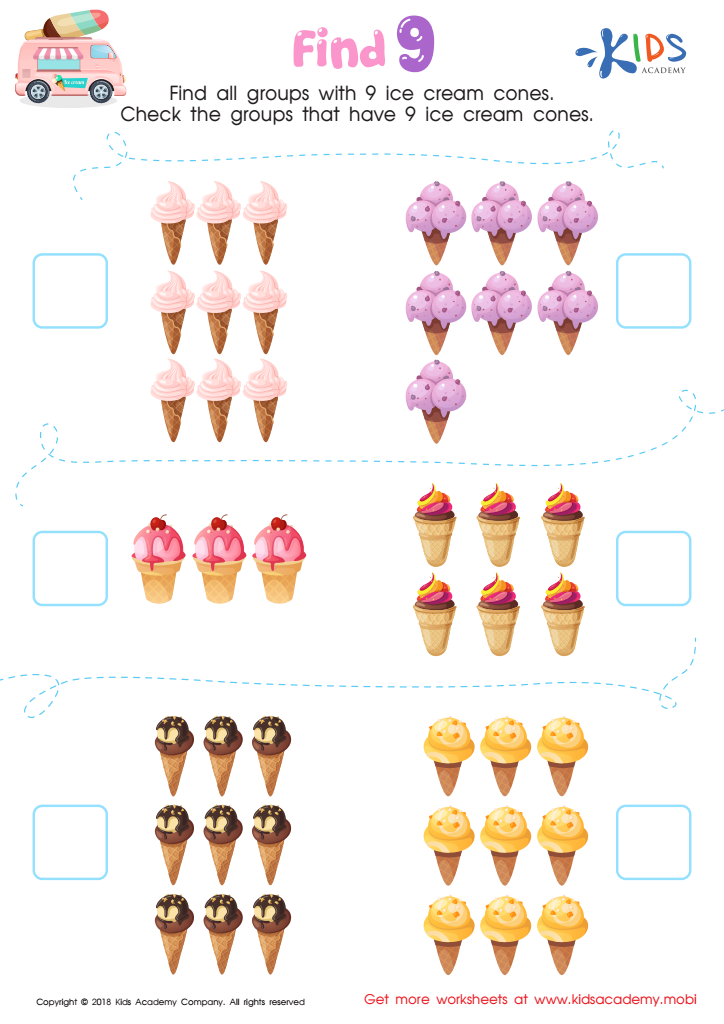
Find 9 Worksheet
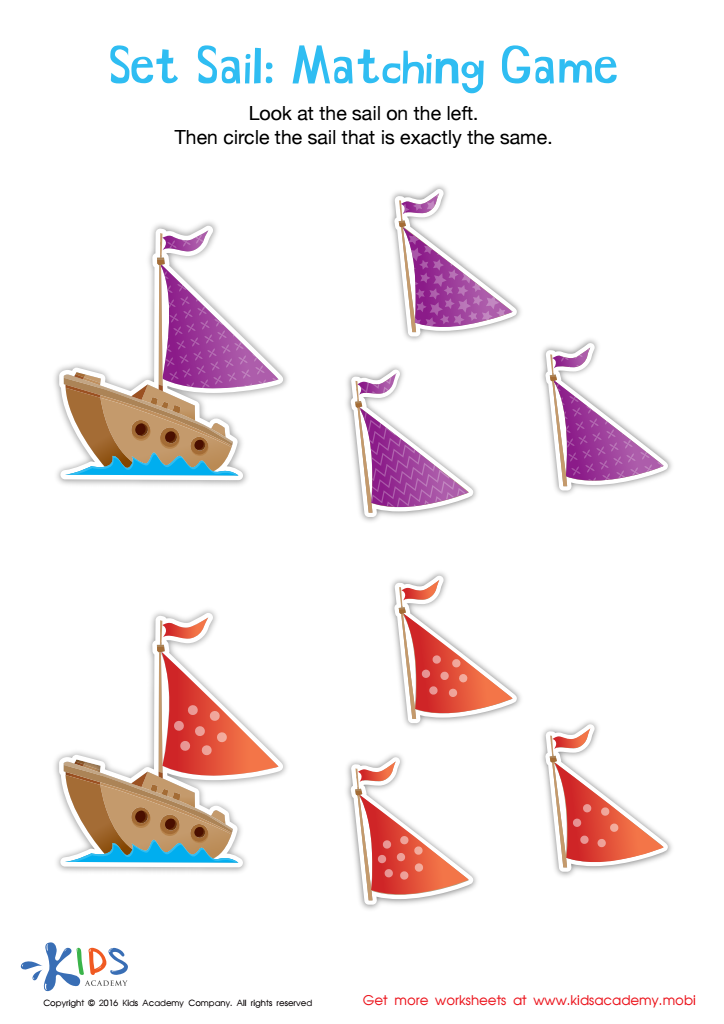
Set Sail Worksheet
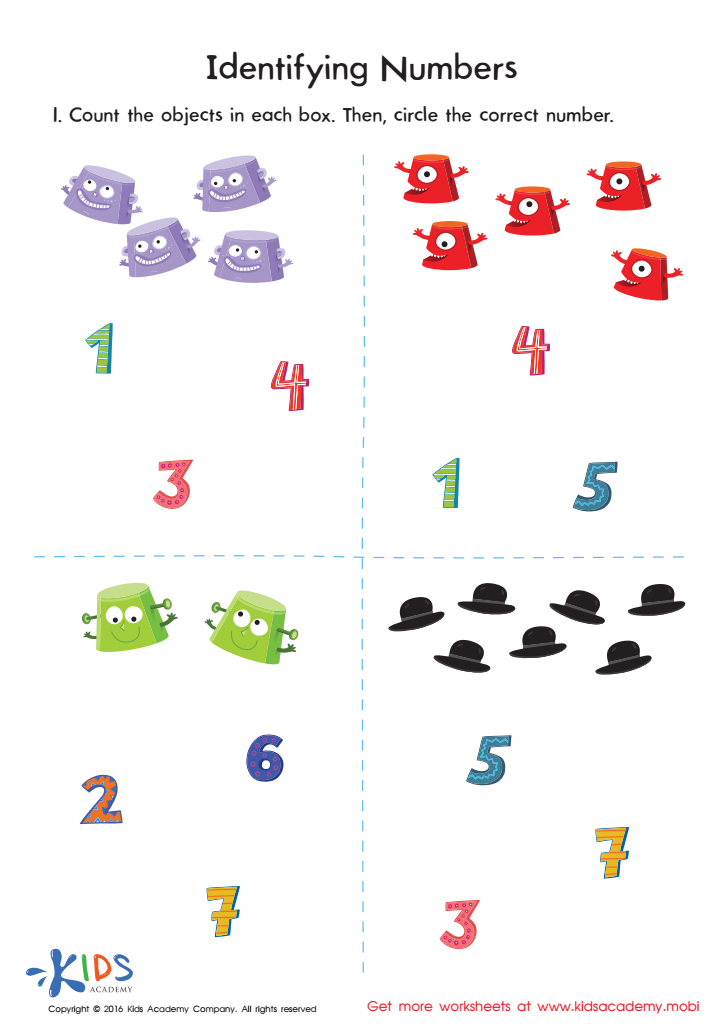
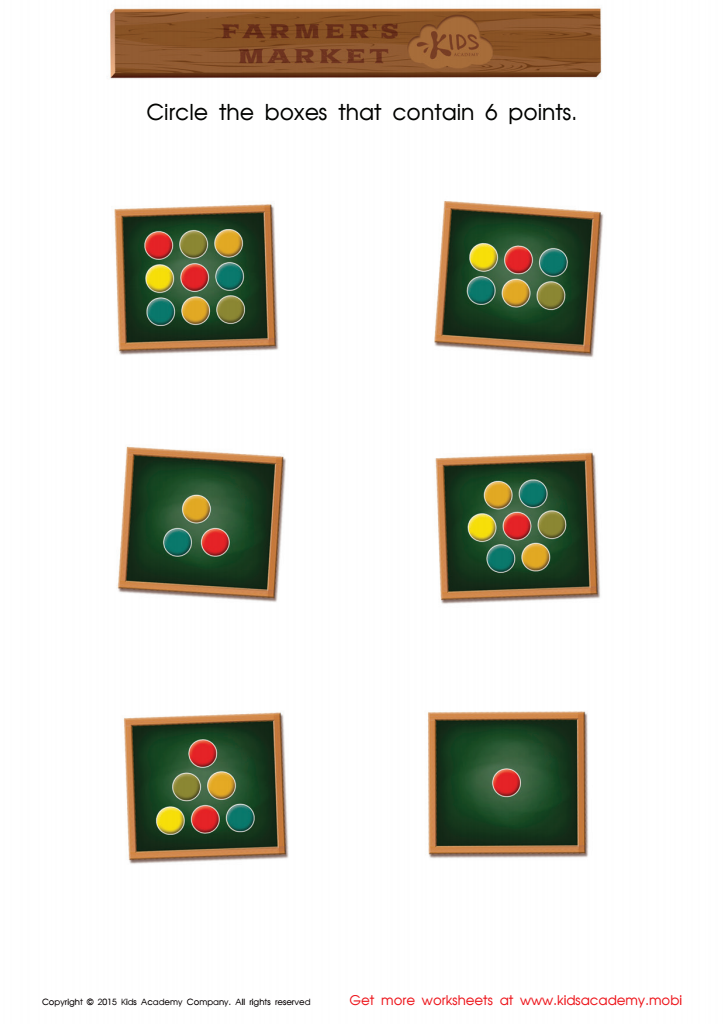
Count and Match Points 6 Math Worksheet
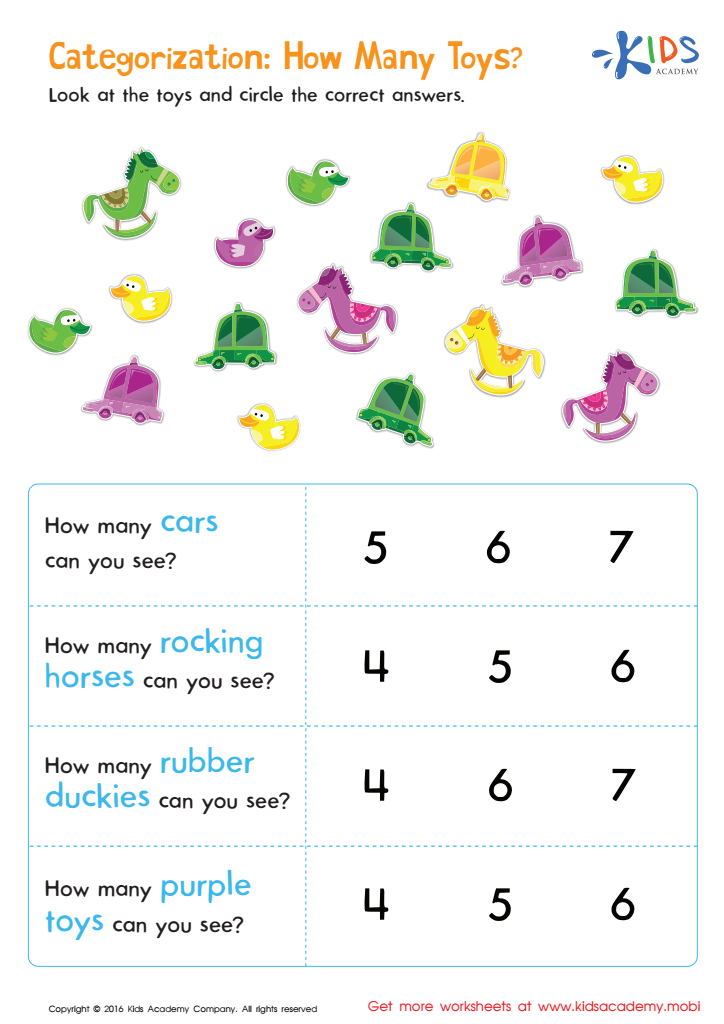
Classifying Toys by Type and Color Sorting Worksheet
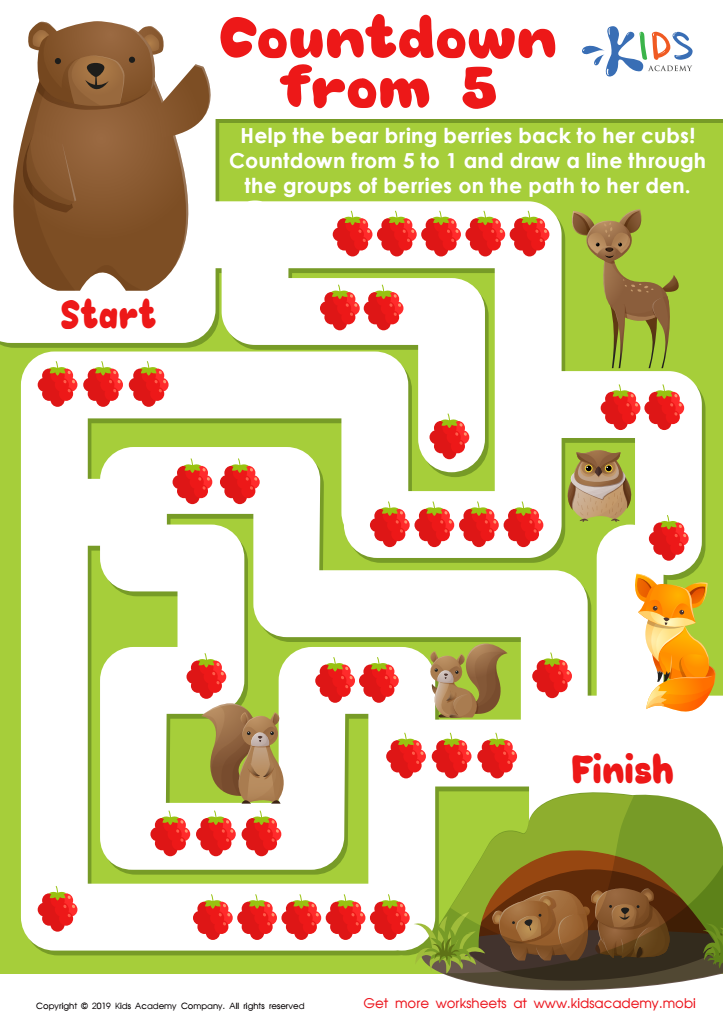
Countdown from 5 Worksheet
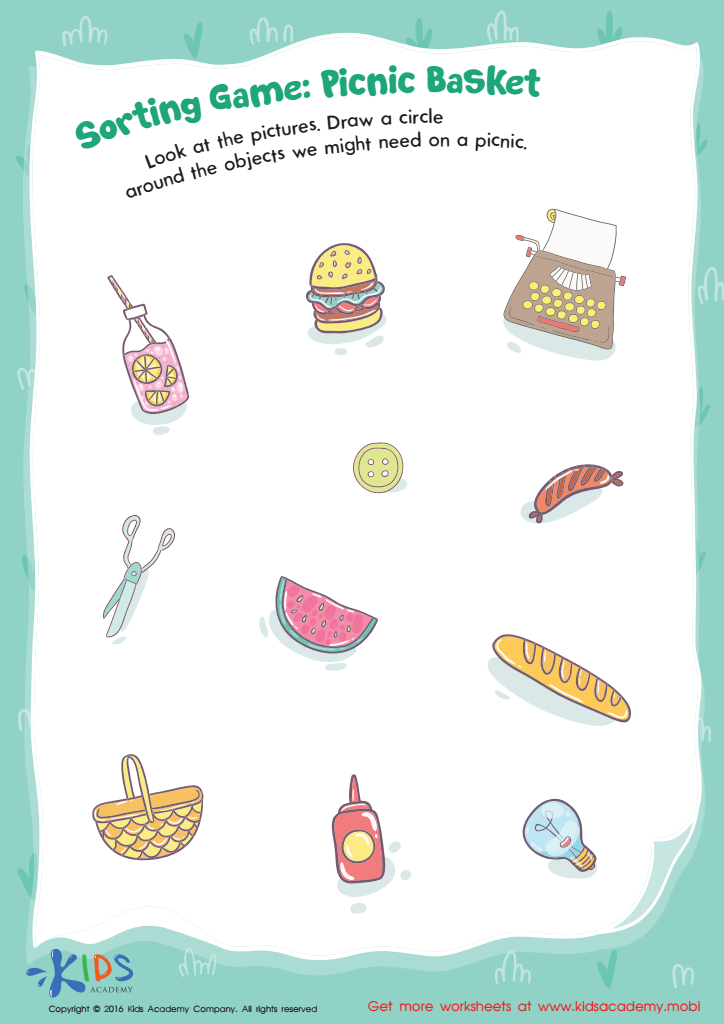
Picnic Basket Sorting Worksheet
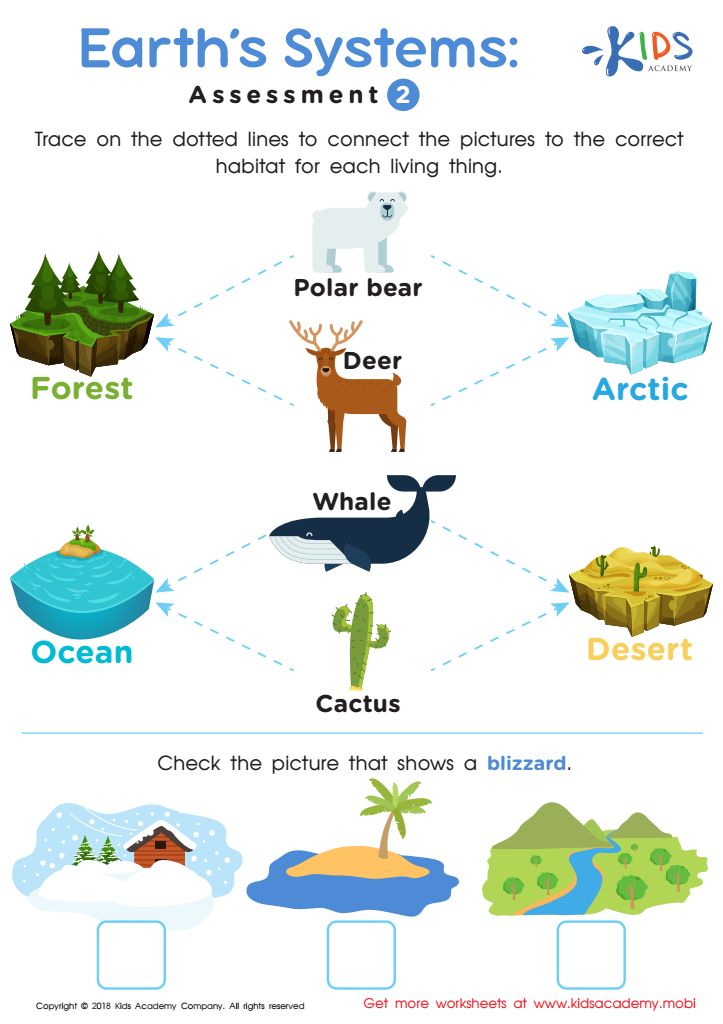
Earth's Systems: Assessment 2
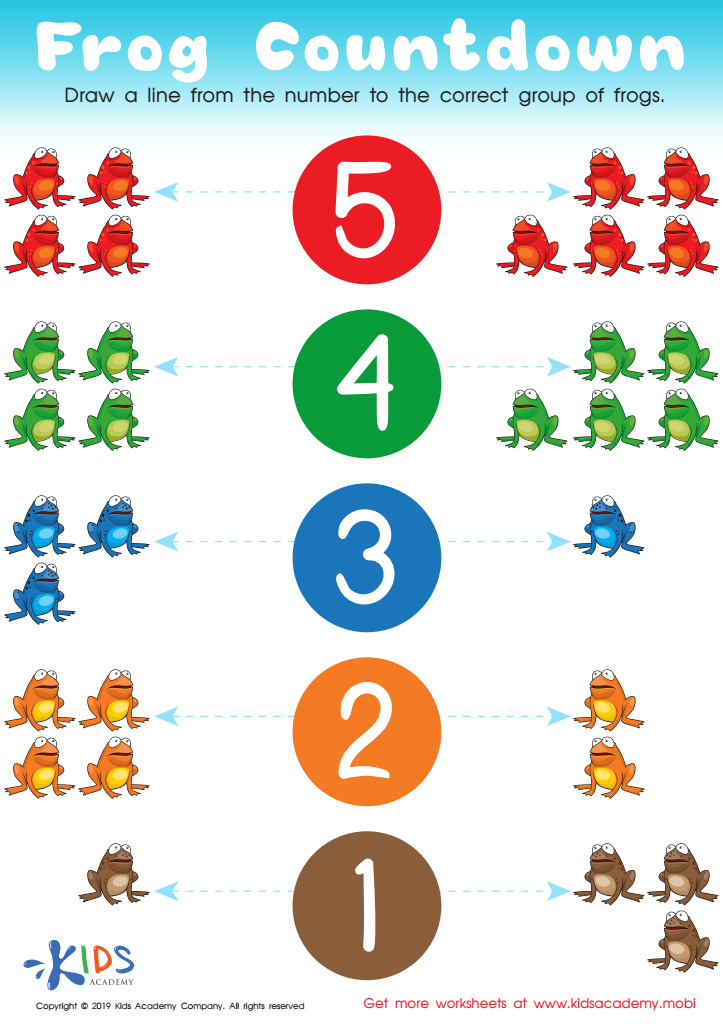
Frog Countdown Worksheet
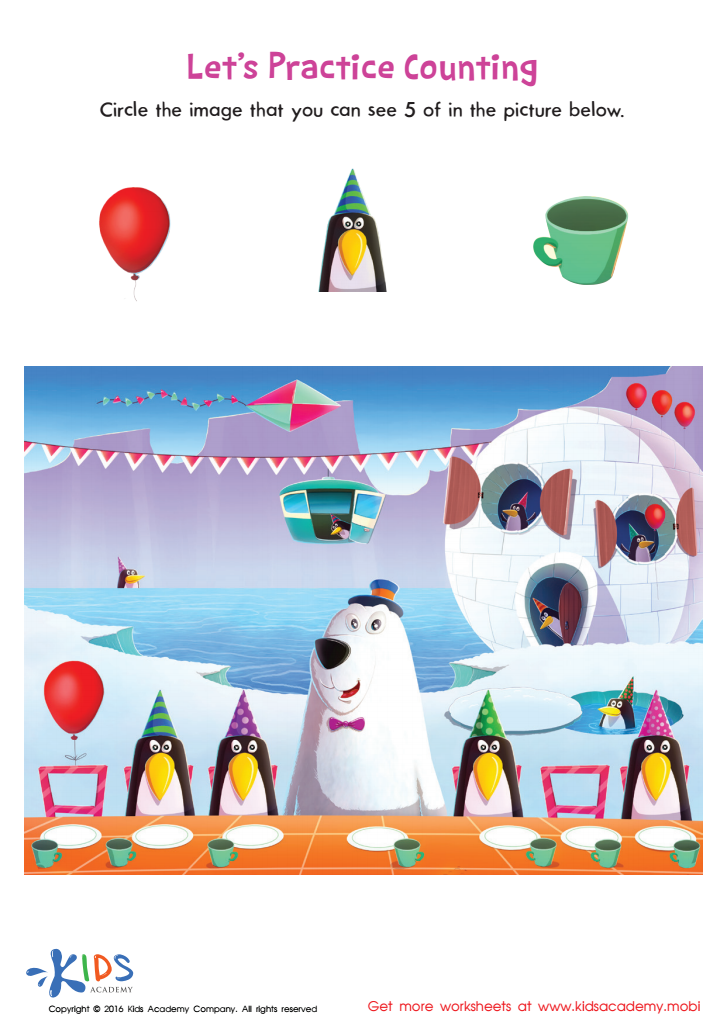
Counting Worksheet: Let's Practice Counting
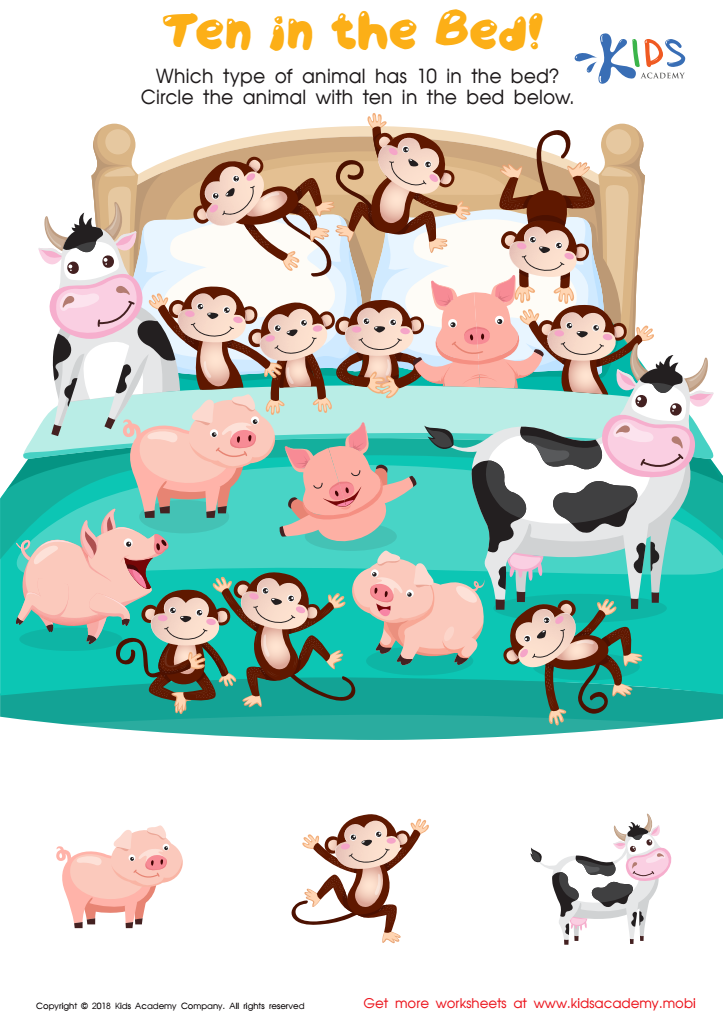
Ten in the Bed Worksheet
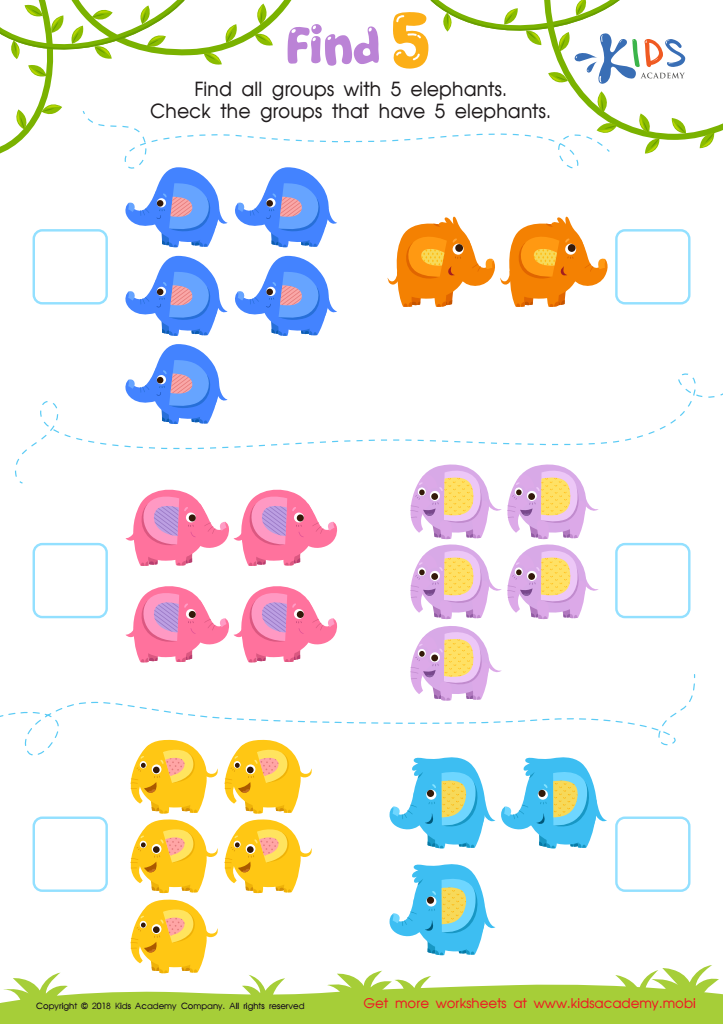
Find 5 Worksheet








Number recognition matching for 5-year-olds is foundational for several key developmental milestones. First and foremost, recognizing and matching numbers helps young children develop basic math skills that are crucial for later academic success. Early exposure to numbers through activities like matching can make children more comfortable with mathematical concepts, promoting confidence and competence in math from a young age.
Additionally, number recognition enhances cognitive abilities, such as memory, attention to detail, and problem-solving skills. These activities require children to observe, recall, and connect numbers, which sharpens their mental agility and prepares them for more complex tasks in both academics and everyday life.
Moreover, understanding numbers at an early age positively impacts language development. When children talk about numbers and describe quantities, they expand their vocabulary and improve their communication skills.
The social aspect of number recognition cannot be overlooked. Activities often involve interactions with peers or adults, fostering social skills like cooperation, teamwork, and effective communication.
In sum, parents and teachers should prioritize number recognition matching as it builds a strong mathematical foundation, enhances cognitive and language development, and encourages social interaction. These skills collectively contribute to a well-rounded and confident learner ready to tackle more advanced challenges in their academic journey.








