Phonics practice Reading Worksheets for 5-Year-Olds
3 filtered results
-
From - To
Boost your child's reading confidence with our engaging phonics practice reading worksheets designed specifically for 5-year-olds. These fun and interactive worksheets provide a solid foundation for young learners as they explore letter sounds, blending, and decoding skills. With colorful illustrations and age-appropriate activities, children will enjoy practicing phonics in a playful, educational environment. Our worksheets are easy to print and can be used for independent practice at home or in the classroom. Help your child build essential literacy skills today and watch their reading abilities flourish through these delightful phonics exercises! Perfect for parents and teachers alike!
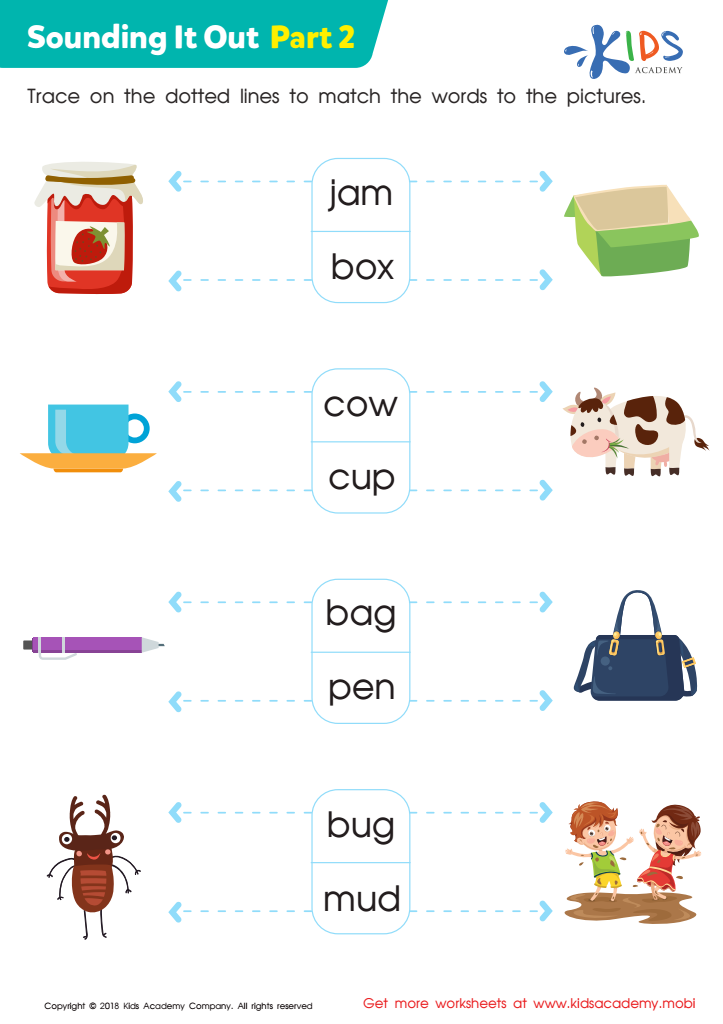
Sounding it Out: Part 2 Worksheet
 Assign to My Students
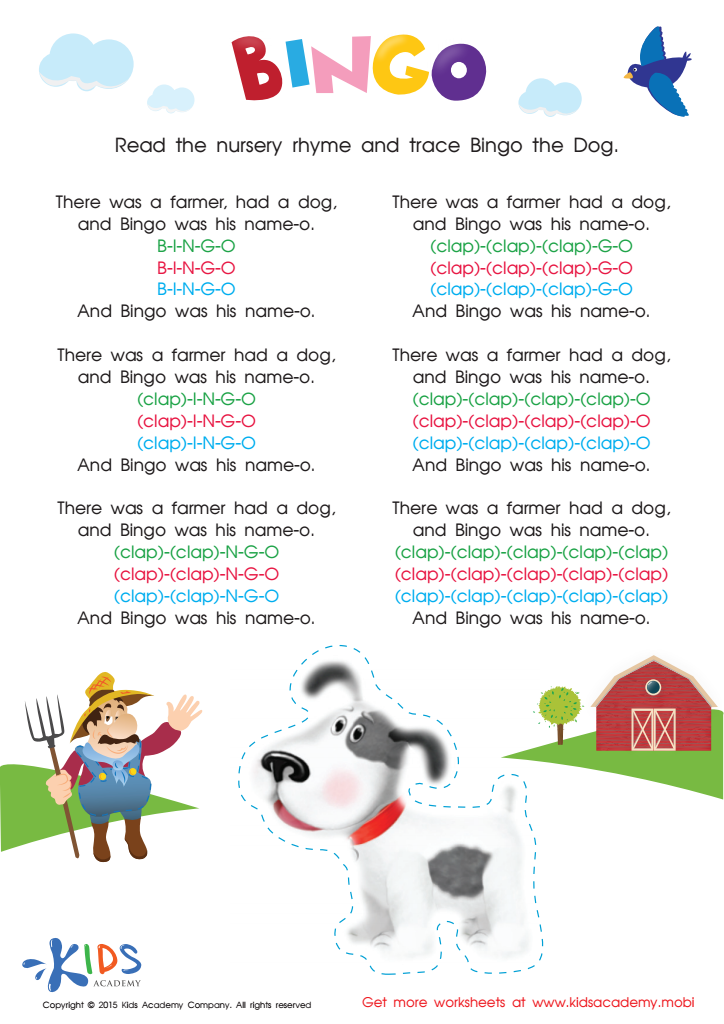
Nursery Rhymes: The Bingo Song Worksheet
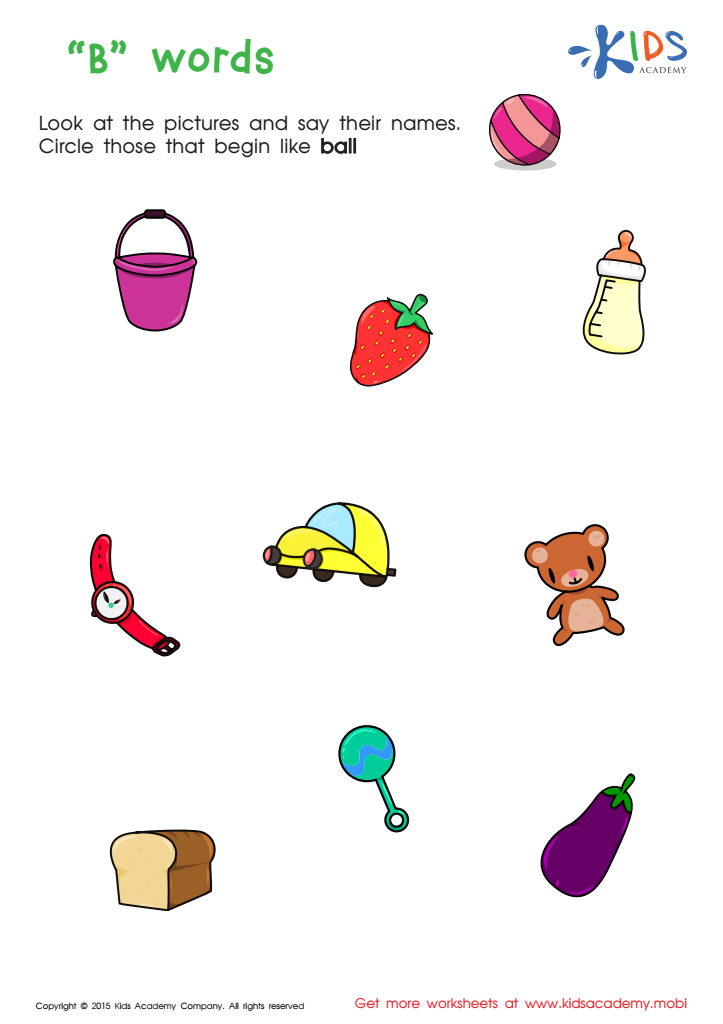
First Words Worksheet








Phonics practice is crucial for 5-year-olds as it lays a solid foundation for reading and writing skills. At this age, children are developing their ability to recognize letters and understand the sounds associated with them. This knowledge is essential for decoding words, enabling them to read independently and with confidence.
Teachers and parents should care about phonics practice because it directly impacts a child's literacy development. Effective phonics instruction helps children connect sounds with written letters, making them proficient readers who can tackle more complex texts as they progress in school. This early stage also enhances vocabulary skills and comprehension, setting the groundwork for academic success.
Moreover, phonics practice boosts a child's self-esteem. When children experience success in reading, they are more likely to develop a love for books, fostering a lifelong appreciation for learning. In today’s world, literacy is key to accessing knowledge and opportunities, affecting a child's future academic and career prospects.
Finally, consistent phonics practice encourages family engagement in the child's learning process, creating a supportive environment where parents and educators collaborate to ensure that children not only learn to read but also enjoy the journey. This collaborative effort significantly benefits children's overall development.








