Story analysis Reading Worksheets for 5-Year-Olds
5 filtered results
-
From - To
Discover our engaging Story Analysis Reading Worksheets designed specifically for 5-year-olds! These worksheets encourage young learners to dive deep into their favorite stories, fostering critical thinking and comprehension skills. Each activity prompts children to identify main ideas, characters, and settings, making reading fun and interactive. Perfect for homeschoolers and teachers, these resources help build a solid foundation in narrative understanding, which is crucial for early literacy development. Tailored to capture the curiosity and imagination of young minds, our worksheets nurture a love for reading while enhancing their analytical abilities. Download free worksheets now and spark a passion for storytelling!
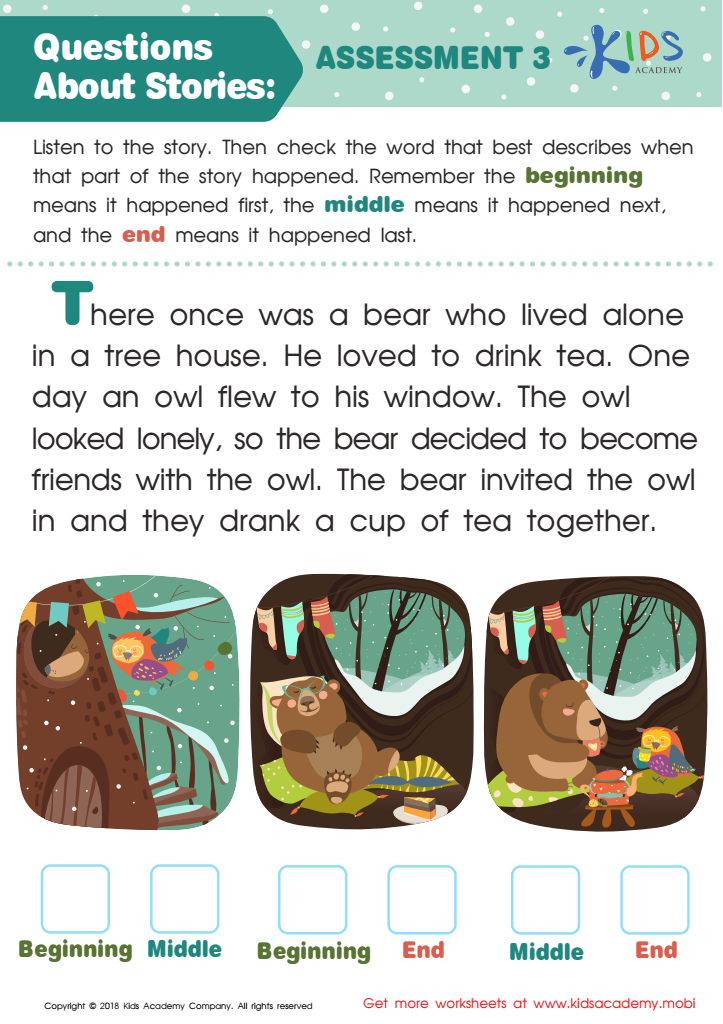
Questions About Stories: Assessment 3 Worksheet
 Assign to My Students
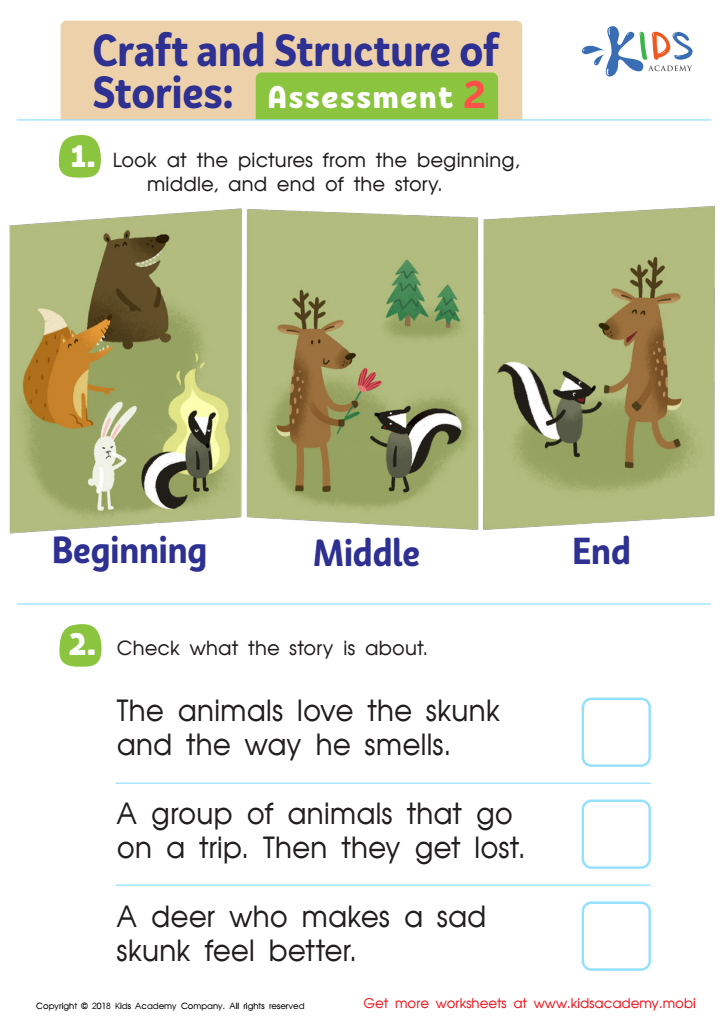
Craft and Structure of Stories: Assessment 2 Worksheet
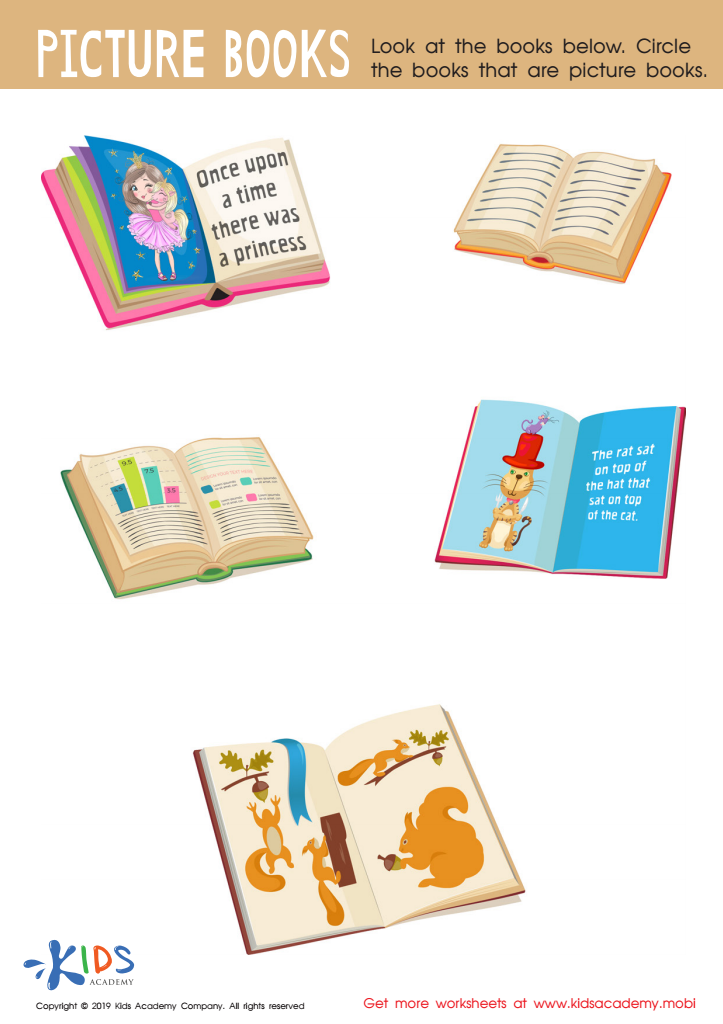
Picture Books Worksheet
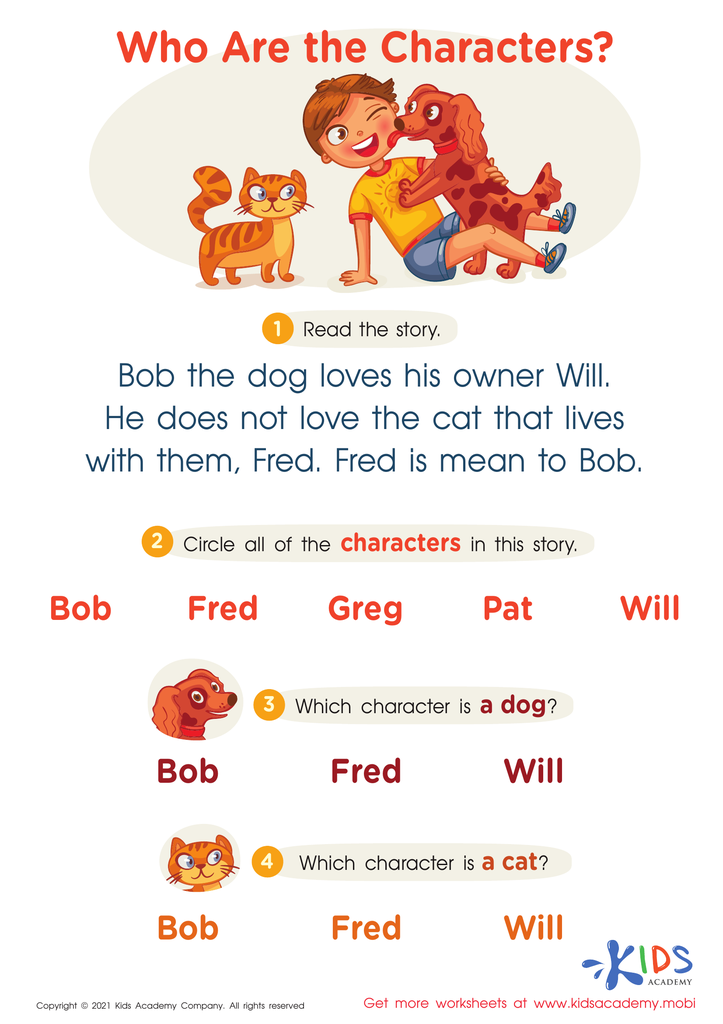
Who Are the Characters? Worksheet
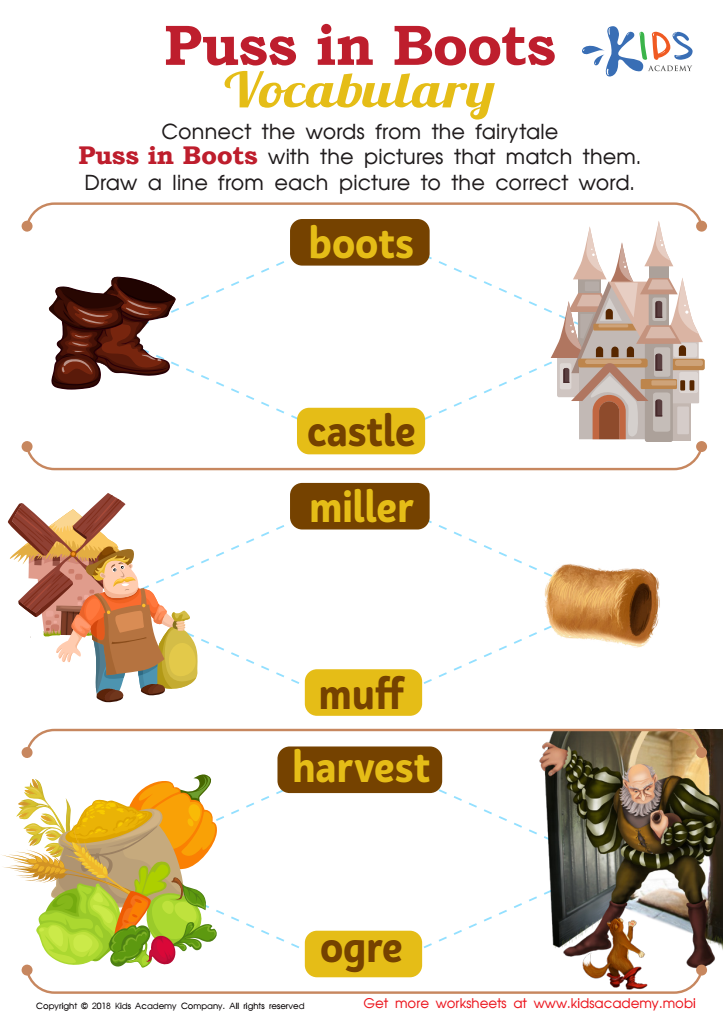
Puss in Boots Vocabulary Worksheet


.jpg)




Story analysis reading is vital for 5-year-olds as it nurtures essential cognitive and emotional skills that lay the foundation for lifelong learning. At this age, children are naturally curious and imaginative, making it an ideal time for them to engage deeply with stories. By analyzing narratives, children learn to identify the main characters, plot, and setting, which enhance critical thinking and comprehension skills. This process also encourages them to make predictions and connections to their own experiences, fostering a love for reading.
Moreover, story analysis helps develop language skills, such as vocabulary expansion and sentence structure understanding. Discussing stories fosters communication skills as children articulate their thoughts and share interpretations with adults and peers.
Additionally, exploring the themes and morals within stories cultivates emotional intelligence. Children learn empathy as they relate to characters' feelings and decisions, preparing them to navigate social interactions more effectively.
For parents and teachers, prioritizing story analysis contributes to better academic performance and individual development, equipping children with the tools they need to thrive in various settings. Engaging in story analysis thus promotes a well-rounded education that fosters creativity, critical thinking, and strong communication, ultimately preparing 5-year-olds for future academic challenges.








