Categorization skills Science Worksheets for 5-Year-Olds
5 filtered results
-
From - To
Enhance your 5-year-old's learning experience with our engaging Categorization Skills Science Worksheets! Designed specifically for young learners, these worksheets foster critical thinking as children explore various objects and organisms. Through fun and interactive activities, kids practice classifying items based on color, shape, size, and type, helping to develop their observational and reasoning skills. Our science worksheets promote hands-on learning while making it easy for parents and educators to track progress. Download our printable resources today to ignite curiosity in young minds and support their journey in mastering categorization through playful exploration! Perfect for home or classroom use!
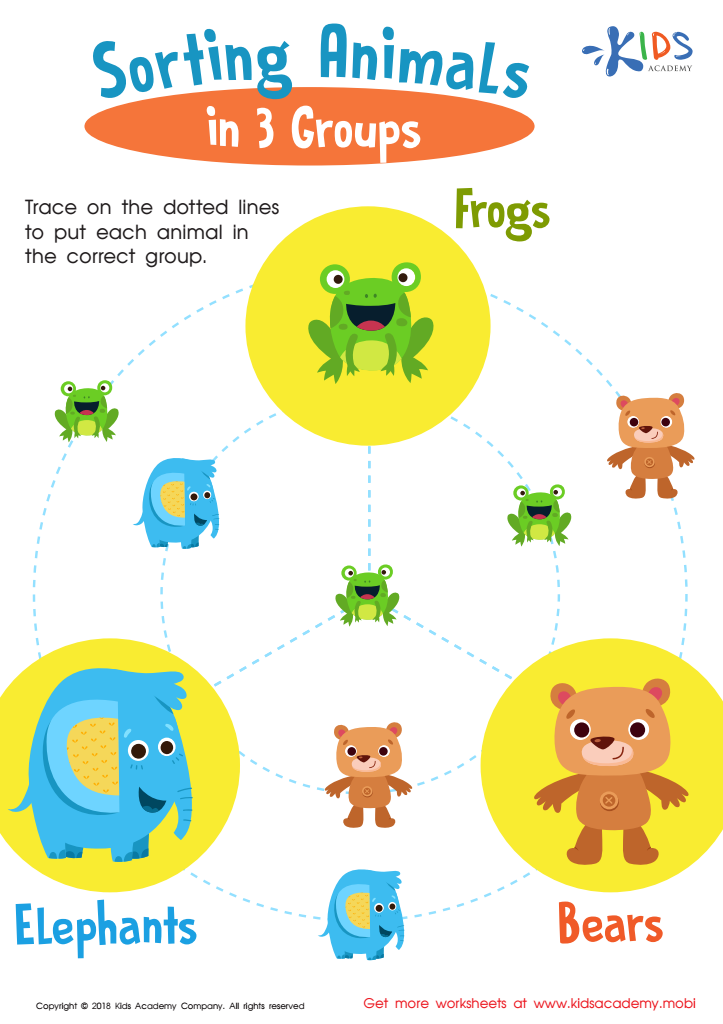
Sorting Animals in 3 Groups Worksheet
 Assign to My Students
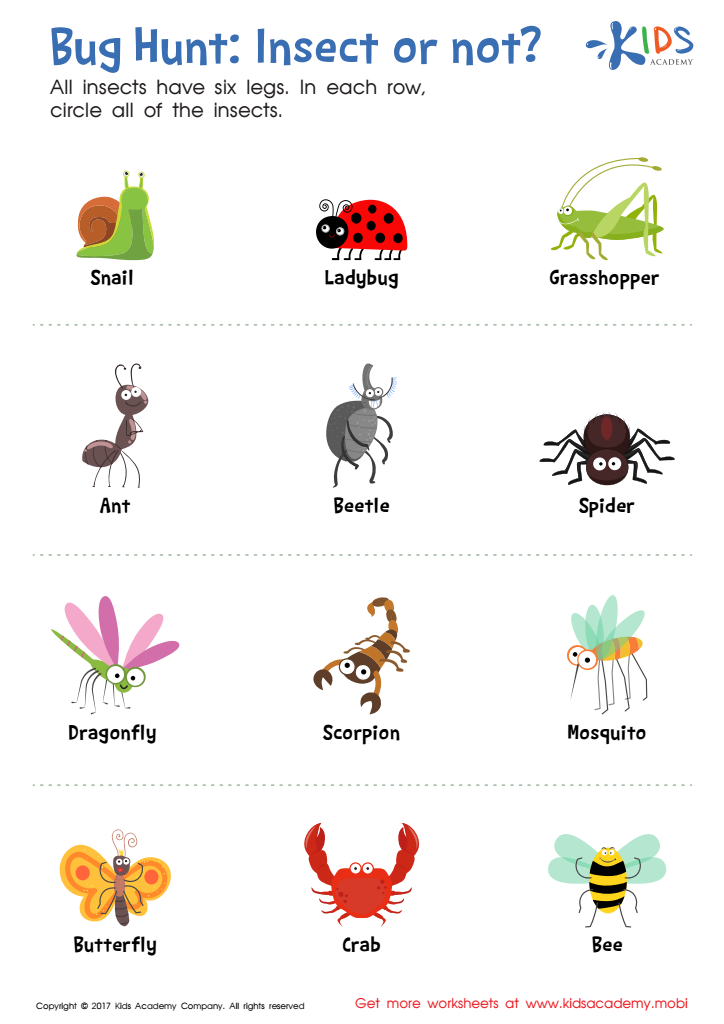
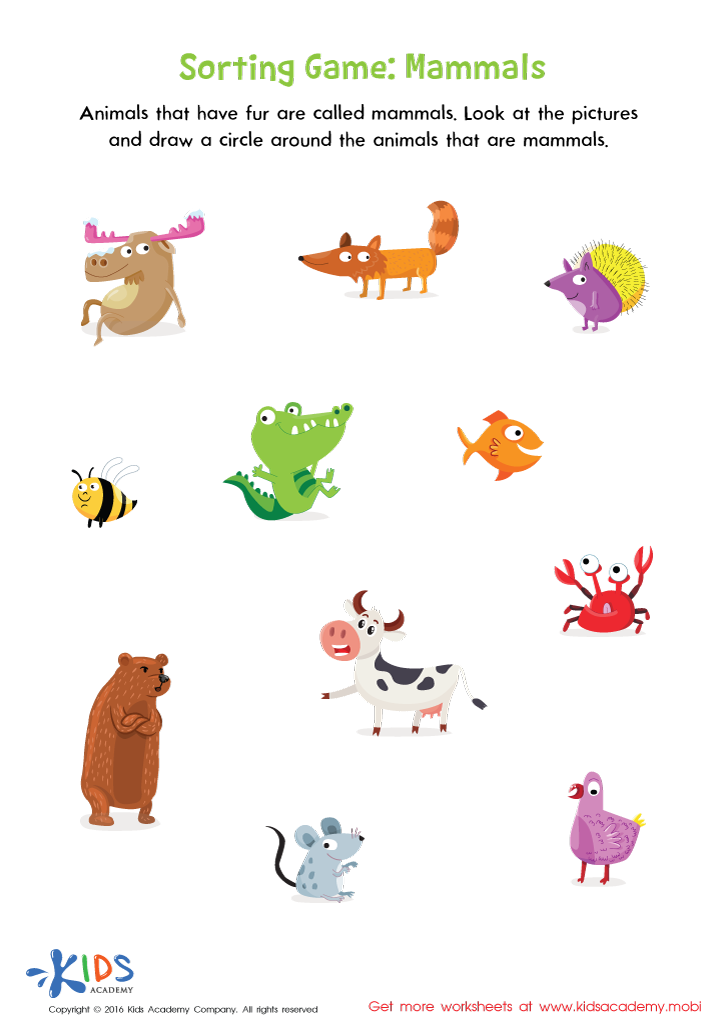
Mammals Sorting Worksheet
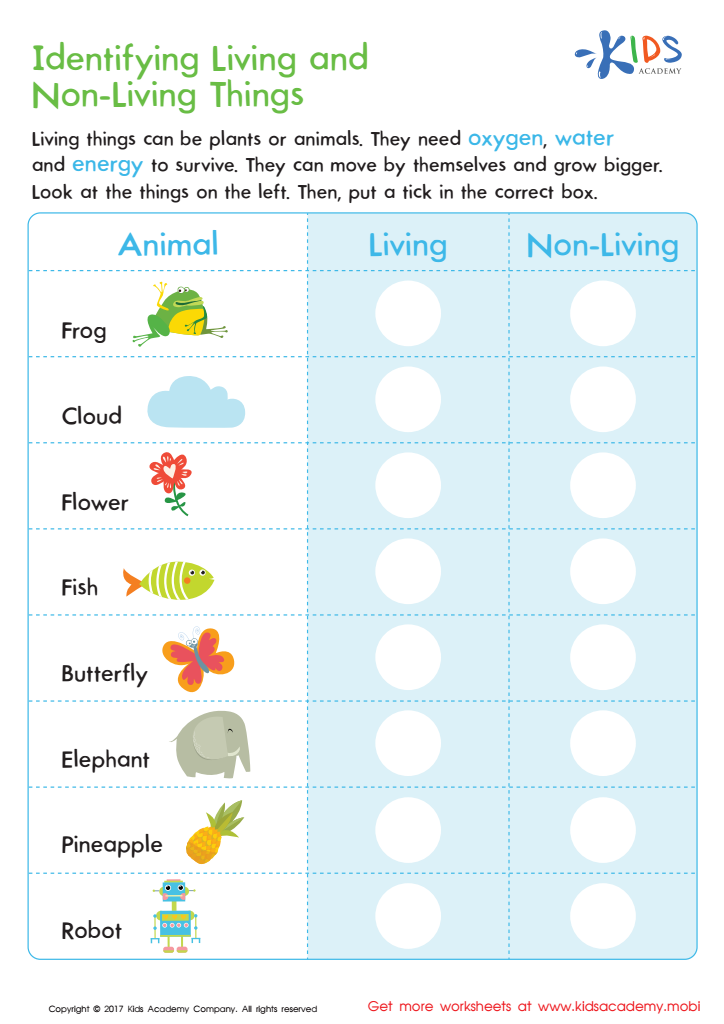
Identifying Living or Non–living Worksheet
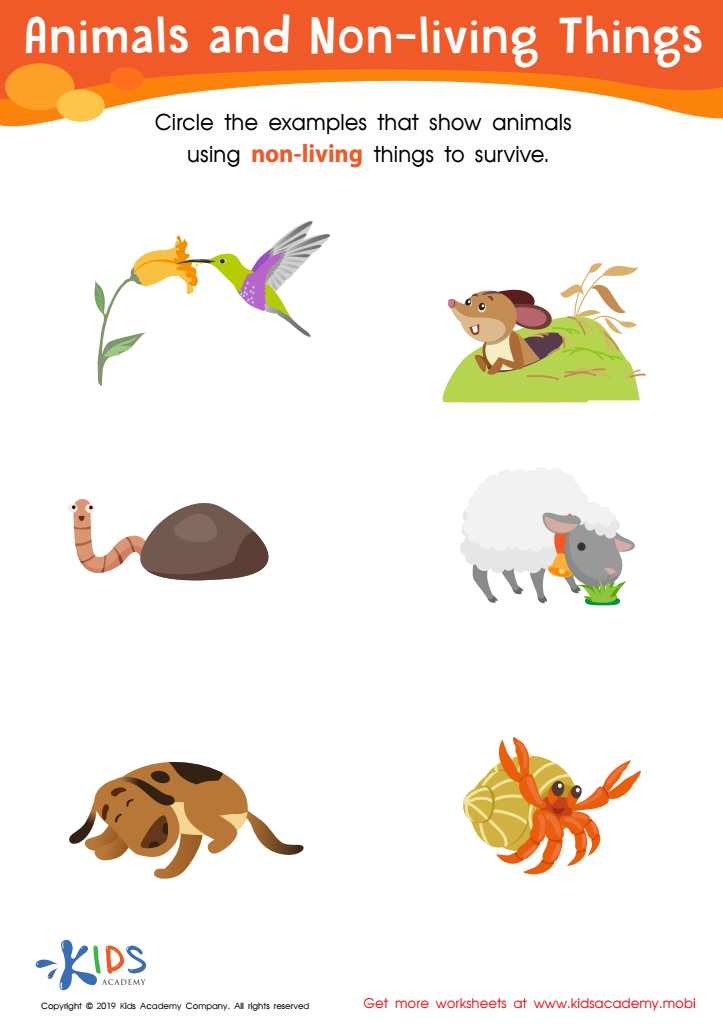
Animals and Non-Living Things Worksheet



.jpg)



Categorization skills are crucial for 5-year-olds as they lay the foundation for critical thinking, problem-solving, and cognitive development. Engaging children in science-related categorization activities helps them make sense of the world around them. When parents and teachers encourage children to group objects or concepts—such as classifying animals, plants, or even everyday items—they develop key observational and analytical skills.
Learning to categorize also boosts language development. As children express and justify their choices, they expand their vocabulary and ability to communicate effectively. Categorization aids in enhancing memory, as children learn to organize information logically, which is vital for subsequent learning.
Furthermore, cultivating an interest in science through categorization prepares children for future scientific exploration. Early experiences in sorting and classifying can inspire curiosity and encourage a deeper understanding of scientific principles, paving the way for lifelong learning in STEM fields.
Ultimately, prioritizing categorization skills is not just about academic success; it fosters critical life skills—encouraging persistence, creativity, and collaboration as they discover similarities and differences. For parents and teachers, nurturing these skills can lead to a more enriching and engaging learning environment that supports holistic development.







