Counting practice Science Worksheets for 5-Year-Olds
3 filtered results
-
From - To
Enhance your 5-year-old's counting skills with our engaging Counting Practice Science Worksheets! These fun, interactive worksheets are designed to bridge the gap between math and science, helping children understand numbers and their applications in the real world. With vibrant illustrations and relatable scenarios, young learners will enjoy counting objects, identifying quantities, and exploring basic scientific concepts simultaneously. Perfect for at-home learning or classroom use, these worksheets foster critical thinking and support early numeracy development. Give your child the tools they need to succeed while igniting their curiosity about the world around them! Download our Counting Practice Worksheets now and make learning fun!
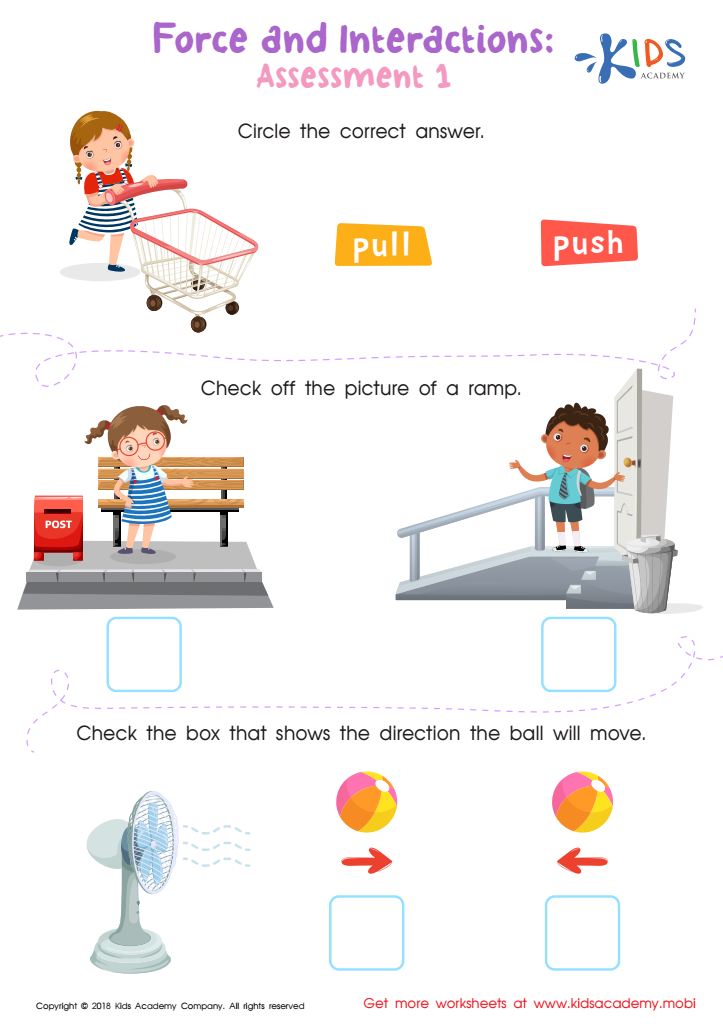
Force and Interactions: Assessment 1 Worksheet
 Assign to My Students
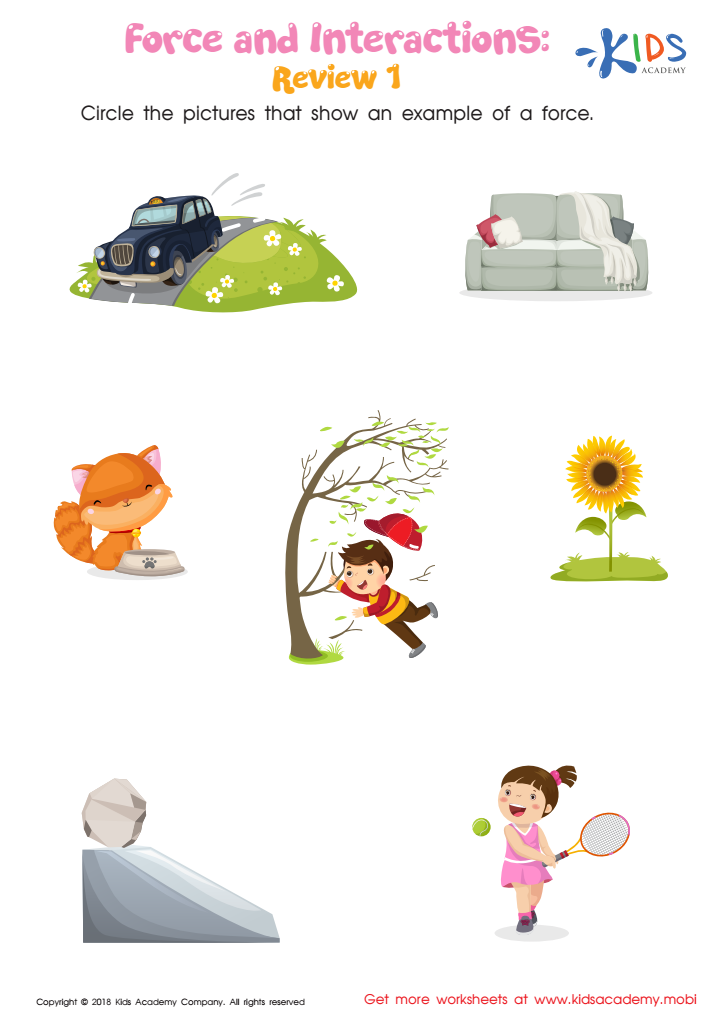
Force and Interactions: Review 1 Worksheet
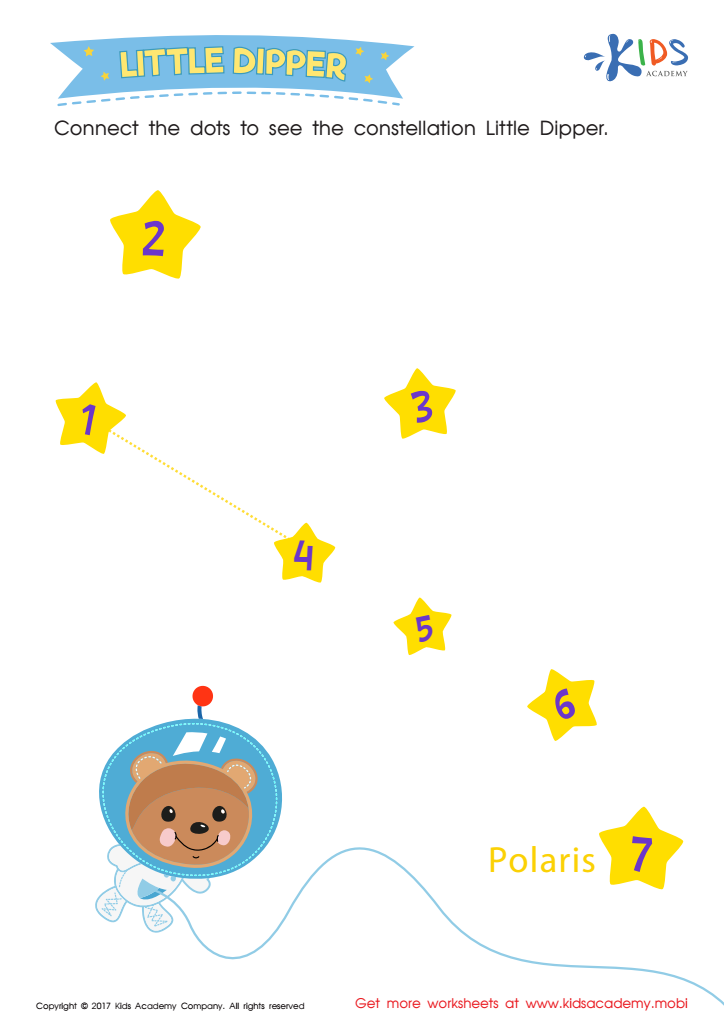








Counting practice in science is essential for 5-year-olds as it fosters both mathematical and scientific understanding at an impressionable age. Engaging in counting activities introduces young learners to foundational number concepts while allowing them to explore their natural environment. For example, counting leaves, rocks, or animals during a nature walk can make abstract mathematical ideas concrete and relatable.
Incorporating counting into science also enhances critical thinking skills. Children not only learn to count but also observe and quantify various phenomena, promoting inquiry-based learning where they hypothesize about why certain things occur. This dual engagement with math and science encourages cognitive development and lays a strong groundwork for future learning in both subjects.
Moreover, counting practice through science activities nurtures curiosity and problem-solving abilities. As children encounter scientific concepts—like measuring lengths of objects or recording data from experiments—they develop a sense of achievement and confidence.
Finally, parents and teachers play a vital role in this journey. By providing supportive environments that celebrate counting in scientific exploration, they encourage children to make connections between disciplines, which is essential for holistic development. Ultimately, fostering these early skills will cultivate engaged and inquisitive learners ready to tackle more complex concepts as they grow.







