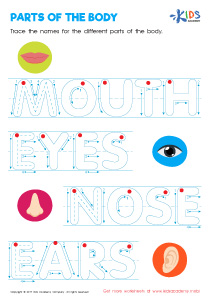
Number Recognition World Around Us Worksheets for 5-Year-Olds
3 filtered results
-
From - To
Discover "Number Recognition World Around Us Worksheets for 5-Year-Olds," designed to transform learning into a delightful adventure! These engaging worksheets blend fun with educational activities that introduce young learners to numbers through relatable contexts and everyday experiences. Creative exercises include counting objects commonly seen in the world around them—like apples on a tree or cars on the road—making numbers feel real and exciting. Perfect for honing early math skills, boosting confidence, and sparking curiosity, these worksheets are an excellent tool for preparing children for school. Download now to watch your child's math skills grow through hands-on exploration and playful practice.
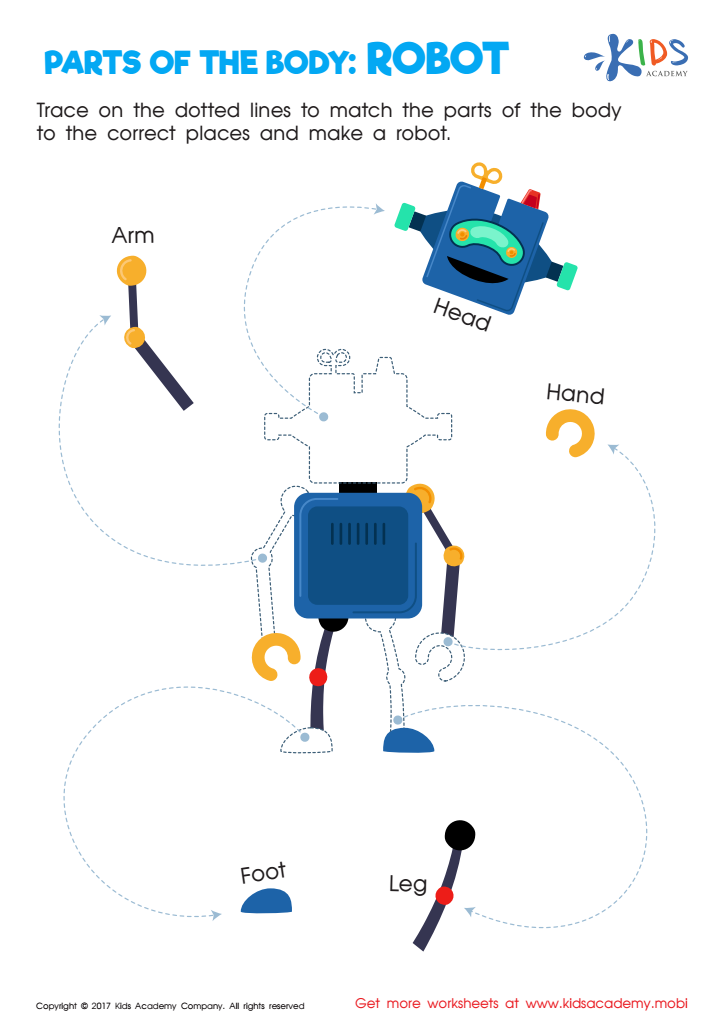
Robot Printable
 Assign to My Students
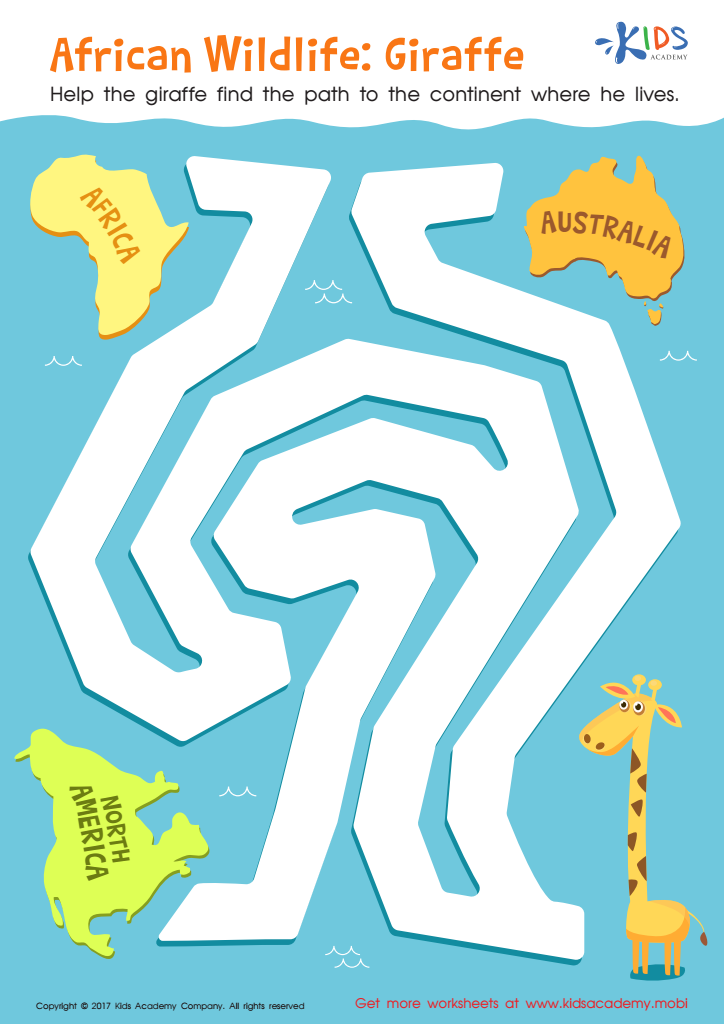
African Wildlife: Giraffe Worksheet
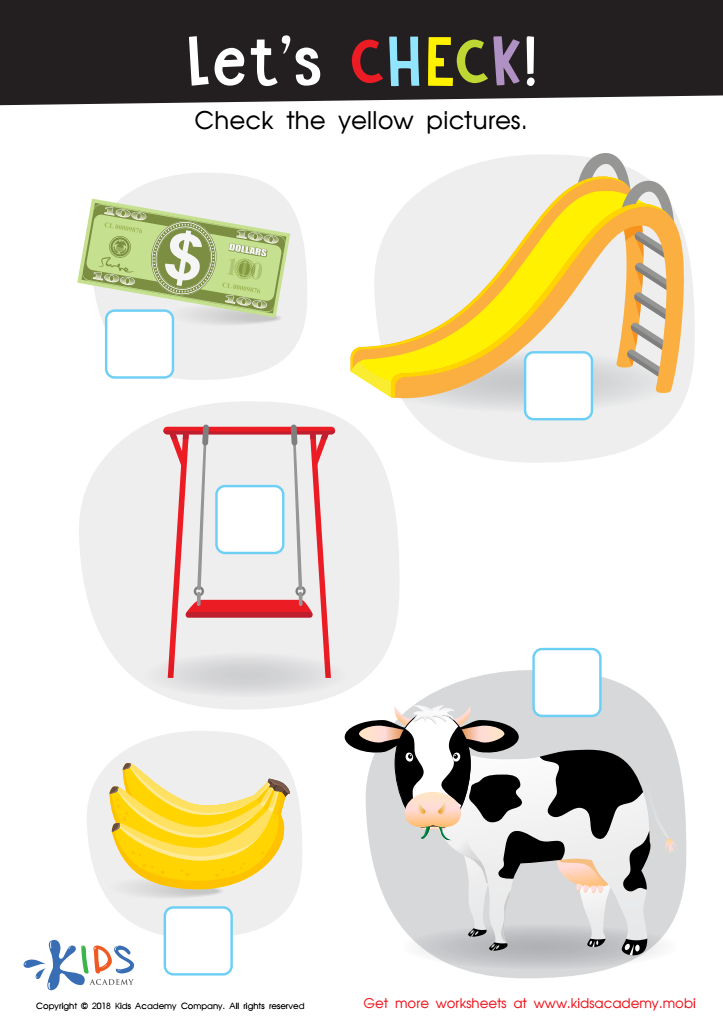
Let's Check! Worksheet







Number recognition is a foundational skill for 5-year-olds, and integrating it with real-world contexts—like in the "Number Recognition World Around Us" approach—offers numerous benefits that parents and teachers should value.
Firstly, recognizing numbers fosters early mathematical understanding. Numbers are integral to daily activities such as counting, measuring, and simple arithmetic, creating the bedrock for future math learning. By seeing numbers in the world around them—on street signs, in stores, or in recipes—children realize that numbers are meaningful and useful, bridging the gap between abstract concepts and practical application.
Secondly, it enhances cognitive development. When children recognize and interact with numbers in varied environments, they engage in critical thinking and problem-solving. This versatile learning stimulates memory and focus, critical components for overall cognitive growth.
Thirdly, there's an emotional benefit. Success with numbers builds confidence. When children accurately identify numbers and understand their context, they gain a sense of achievement and independence.
Moreover, such learning builds connections between home and school environments. Parents and teachers collaborating to highlight numbers around them create supportive and cohesive learning experiences, encouraging children to view learning as a continual, integrated process.
Incorporating number recognition into the real world cultivates an enthusiasm for learning, grounding abstract concepts in tangible, everyday experiences. Therefore, it's a proactive step toward comprehensive education for young children.