Alphabet Learning ABC Letters Worksheets for Ages 6-7
3 filtered results
-
From - To
Discover our Alphabet Learning ABC Letters Worksheets designed for ages 6-7! Perfectly tailored to boost letter recognition and early reading skills, our expertly crafted worksheets engage young learners in fun and interactive ways. Kids will love the diverse exercises, including tracing, matching, and writing, designed to solidify their understanding of each letter. With vibrant illustrations and easy-to-follow instructions, these worksheets make learning the ABCs an enjoyable adventure. Equip your child with the foundational skills they need for a lifetime of reading and writing success. Explore our worksheets today and watch your child’s confidence grow!
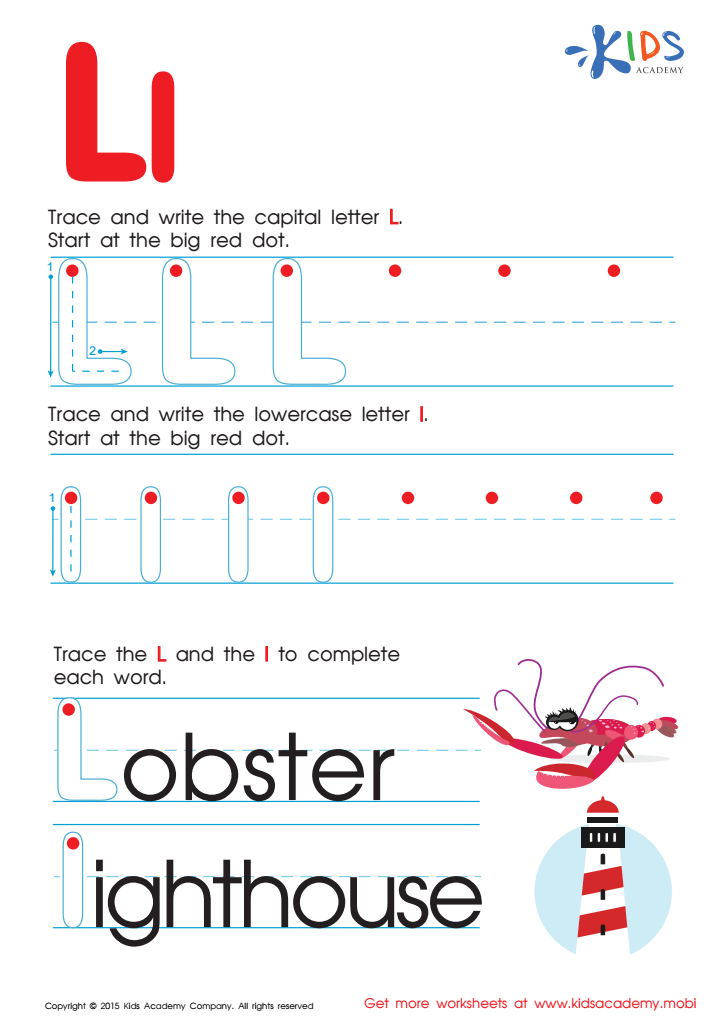
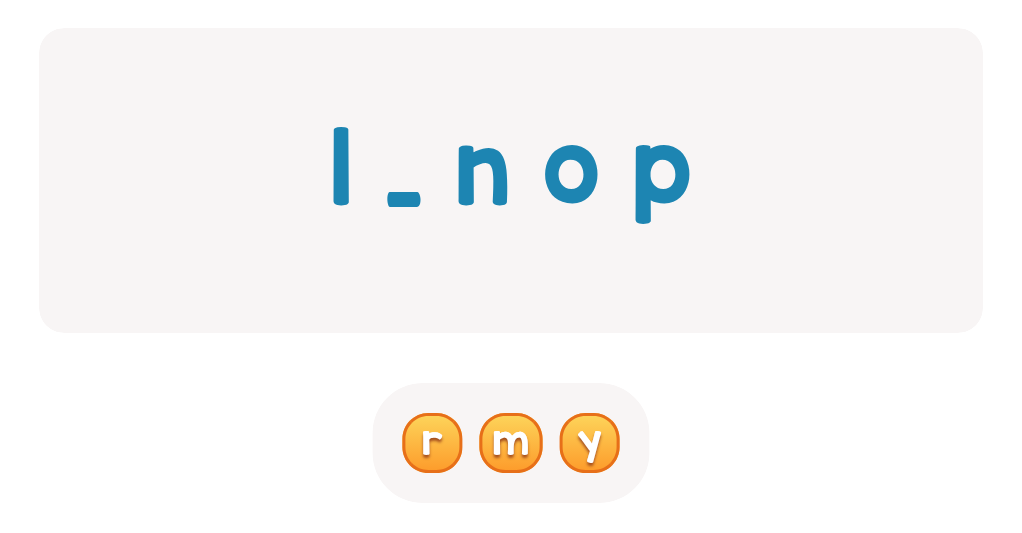
Letter L Tracing Page





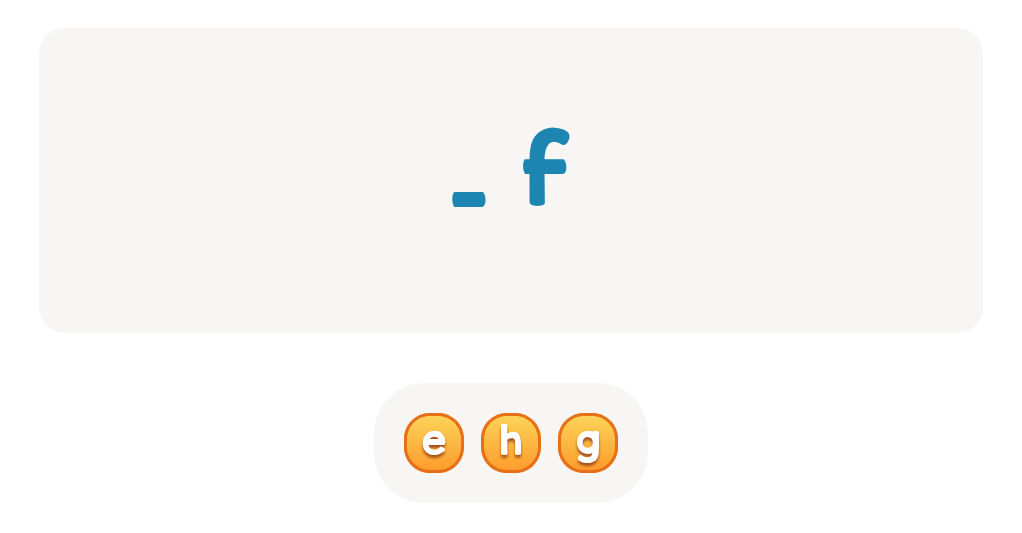

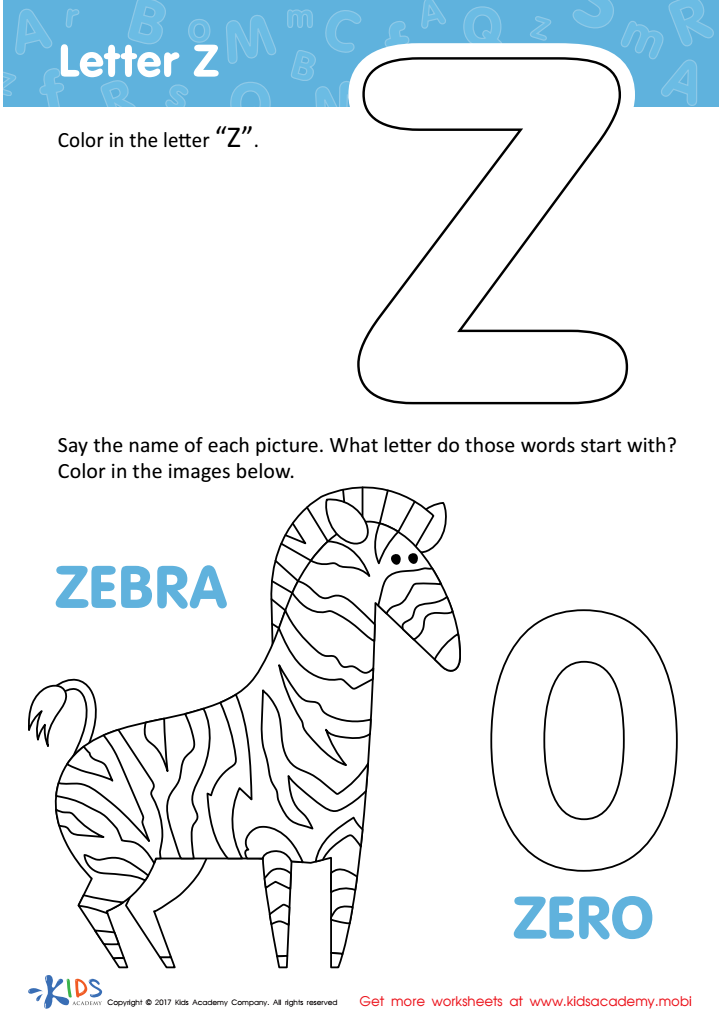
Letter Z Coloring Sheet
 Assign to My Students
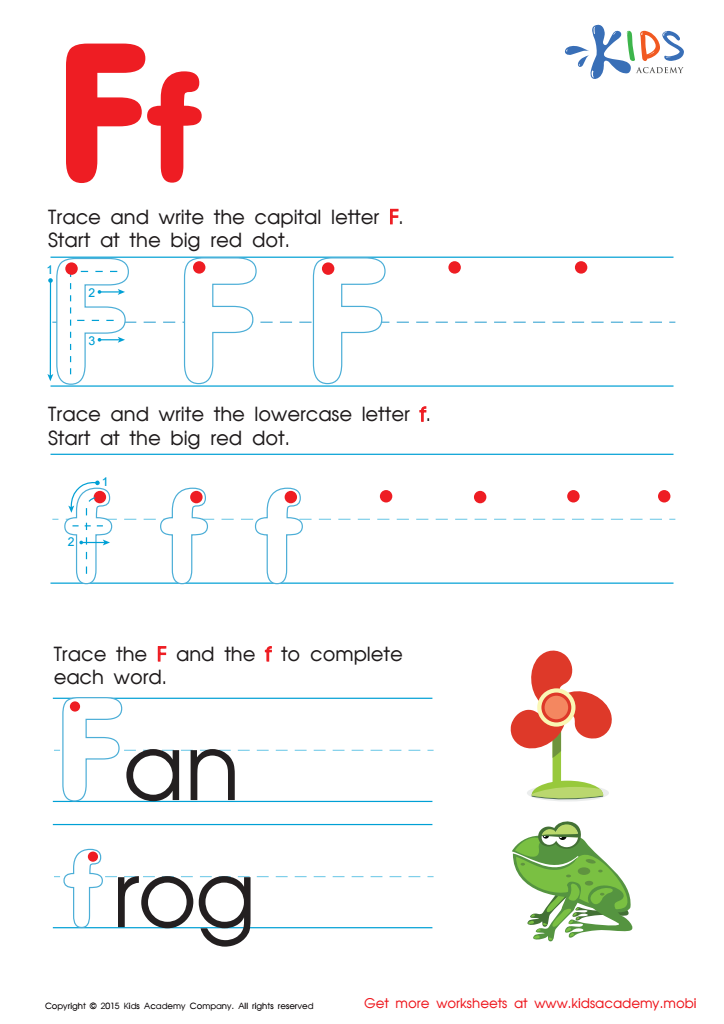
Letter F Tracing Page







Alphabet learning is fundamental for children ages 6-7 as it forms the foundation for reading, writing, and overall literacy skills crucial for academic success and everyday life. At this developmental stage, children transition from recognizing individual letters to understanding their usage in forming words and sentences. This progression enhances phonemic awareness, which is the ability to hear, identify, and manipulate individual sounds in spoken words.
Parents and teachers play an essential role in this learning phase. They can create a supportive learning environment that encourages curiosity and builds confidence. Alphabet games, songs, and hands-on activities can make learning not only effective but also enjoyable, fostering a lifelong love for reading.
Understanding the alphabet also equips children with essential cognitive skills such as memory, attention, and problem-solving. It links directly to vocabulary development, comprehension, and the ability to communicate thoughts and ideas effectively. Without a strong grasp of alphabet literacy, children may face challenges in more advanced literacy tasks and other academic areas.
Thus, prioritizing alphabet learning for 6-7-year-olds is vital. It lays a critical groundwork for their educational journey, enabling them to reach their full potential and become proficient readers and writers. Parents and teachers should be proactive and enthusiastic champions of this fundamental literacy milestone.







