Phonics practice ABC Letters Worksheets for Ages 6-7
3 filtered results
-
From - To
Enhance your child’s reading journey with our Phonics Practice ABC Letters Worksheets for Ages 6-7. Ideal for first graders, these printable tasks are designed to build strong foundational skills in phonics, letter recognition, and early reading. Each worksheet includes engaging activities such as letter tracing, matching pictures to sounds, and filling in missing letters. Perfect for classroom or at-home practice, these resources make learning fun and interactive. Watch as your first grader develops confidence and proficiency in reading, setting the stage for academic success. Browse our collection to give your child the phonetic edge they need.
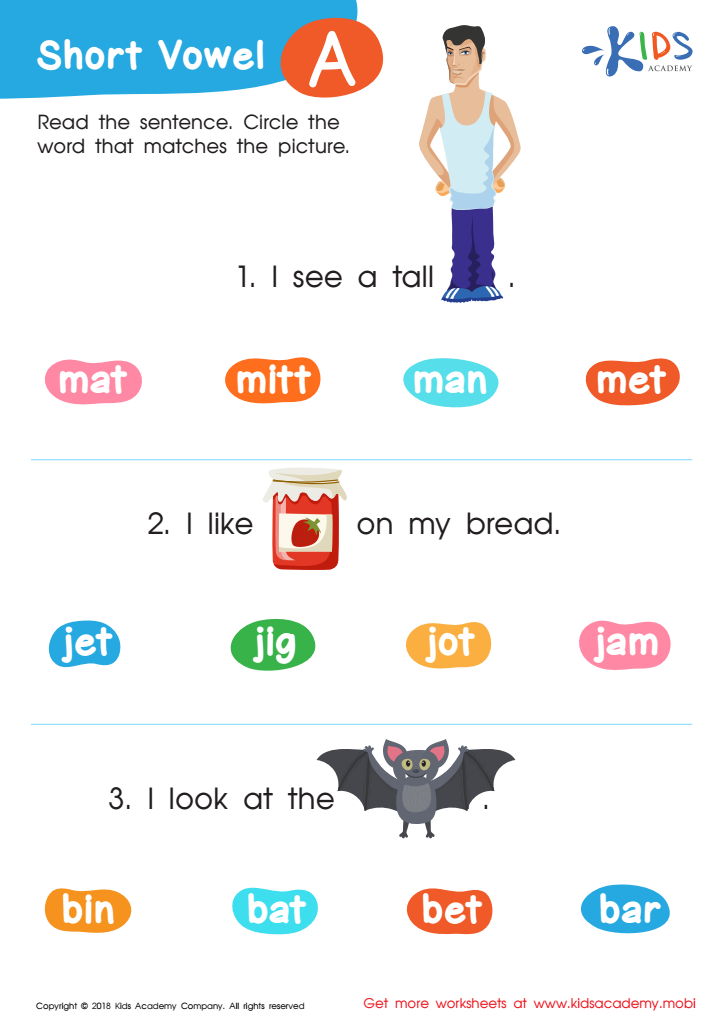
Short Vowel /a/ Worksheet





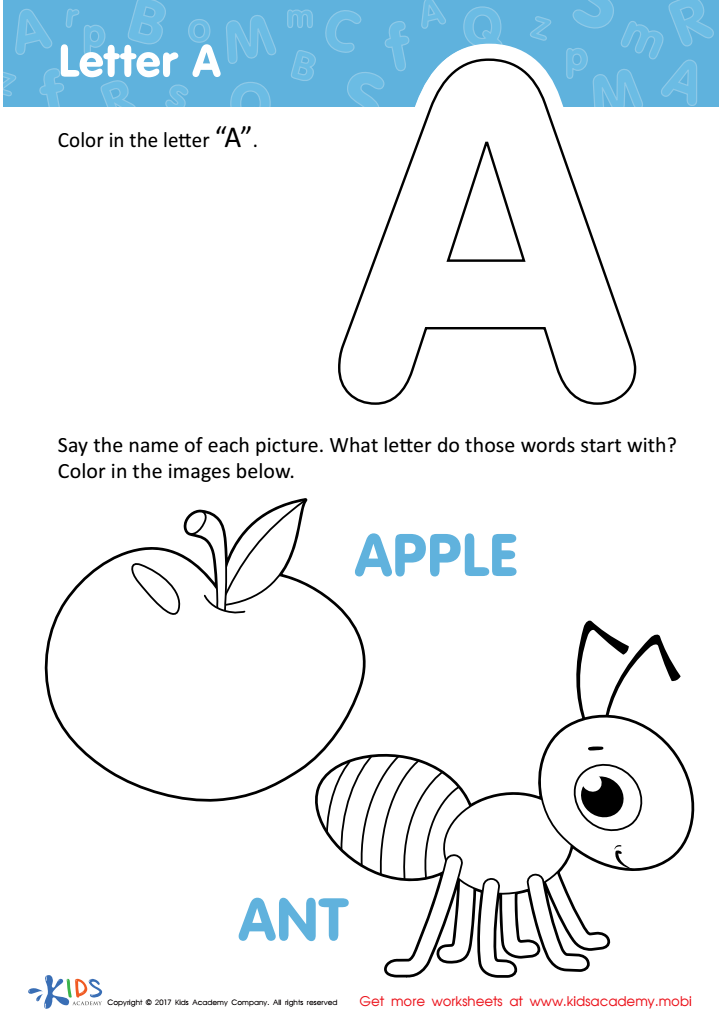
Letter A Coloring Sheet
 Assign to My Students
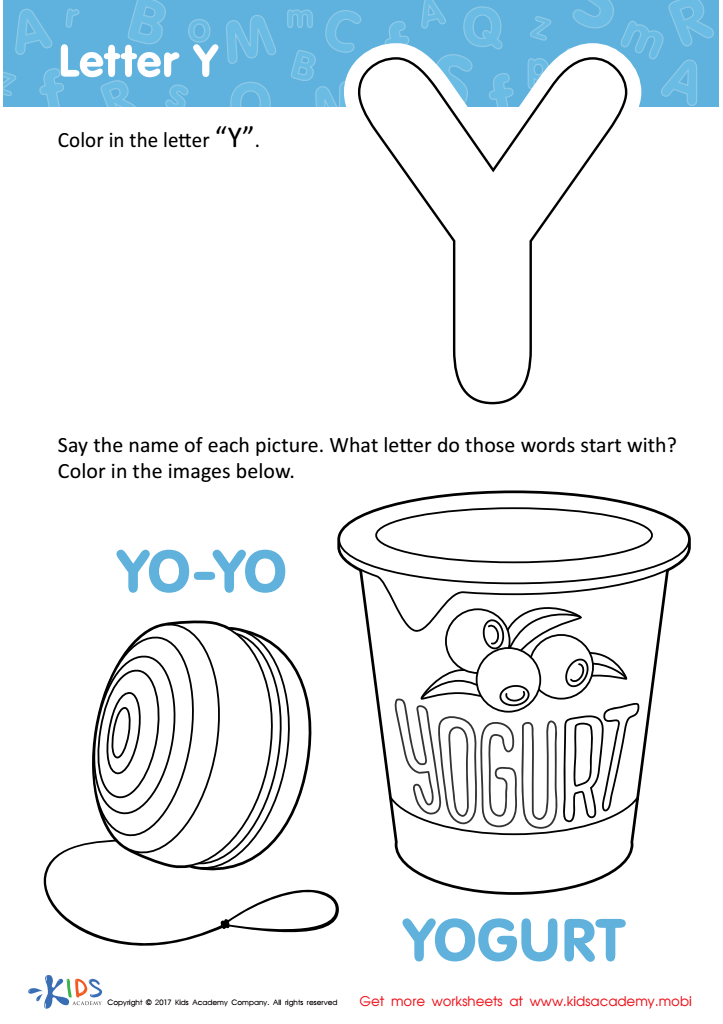
Letter Y Coloring Sheet
Assign to My Students







Phonics practice is crucial for children ages 6-7 as it lays the foundation for effective reading and writing skills. During these formative years, kids transition from recognizing letters to understanding the relationships between letters and sounds, which is vital for decoding words. Phonics teaches children to segment words into their constituent sounds and blend those sounds back together, enabling fluent reading and comprehension.
Parents and teachers should prioritize phonics for a few reasons. First, it bolsters vocabulary acquisition and strengthens spelling abilities by familiarizing children with common sound patterns. This early mastery sets the stage for more advanced literacy skills. Second, consistent phonics practice enhances confidence and fosters a love for reading, as children become adept at tackling new words. This love for reading translates into better performance across all academic subjects, including math and science, as literacy skills are core to understanding instructions and solving problems.
Additionally, phonics practice supports brain development by engaging areas responsible for phonological awareness and auditory processing. Children who struggle with reading often face ongoing academic challenges, making early intervention imperative. By focusing on phonics, parents and teachers equip young learners with essential tools for lifelong learning and academic success.







