Alphabetical understanding Alphabet Worksheets for Ages 6-7
3 filtered results
-
From - To
Enhance your child's alphabetical understanding with our engaging Alphabet Worksheets designed for ages 6-7! These carefully crafted resources provide fun and interactive activities that help kids recognize letters, understand their order, and learn the phonetic sounds associated with each letter. Our worksheets promote essential skills for reading and writing, making them perfect for early learners. Activities include tracing, matching, and identifying, ensuring an interactive learning experience. Foster a love for language and boost your child's confidence with our comprehensive materials. Visit our website to explore the full range of worksheets that make learning the alphabet both effective and enjoyable!
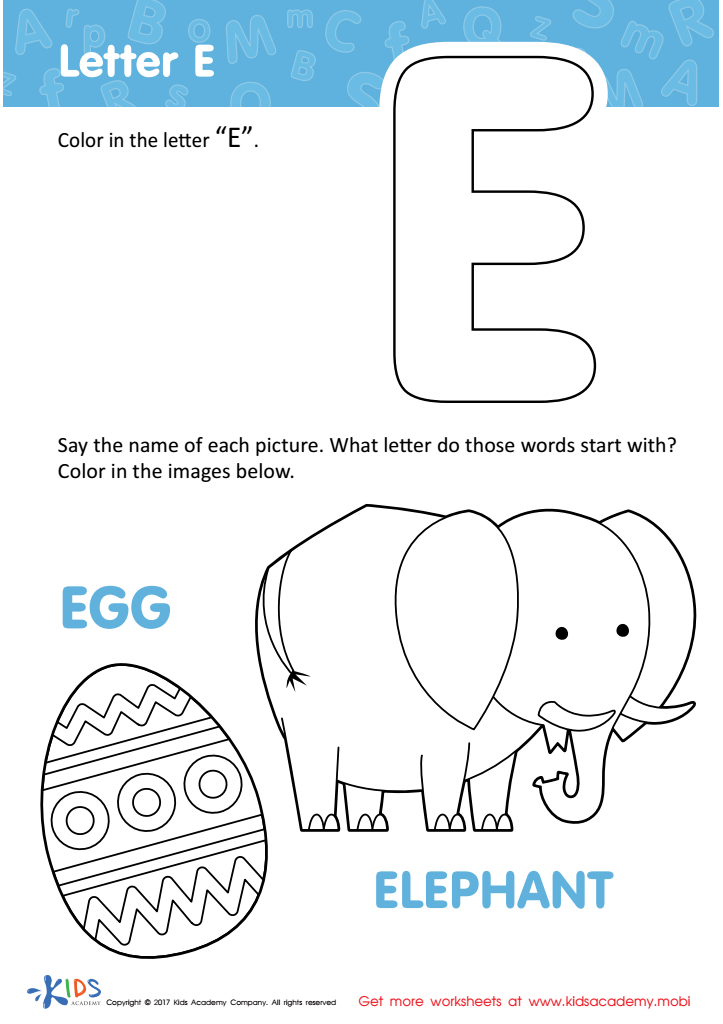
Letter E Coloring Sheet
 Assign to My Students
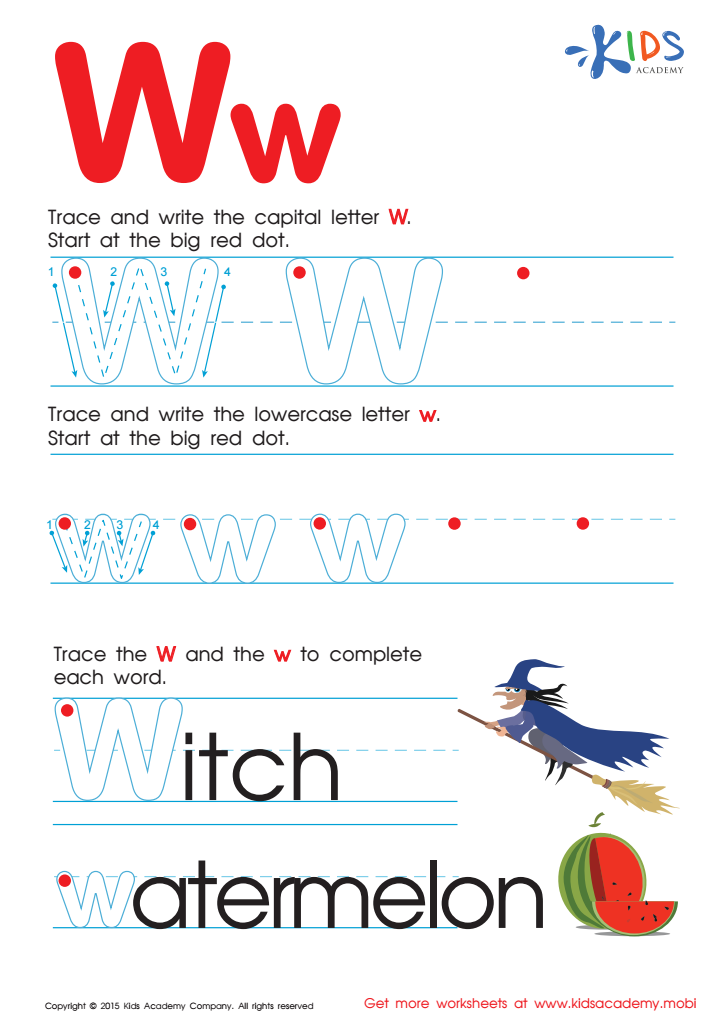
Letter W Tracing Page
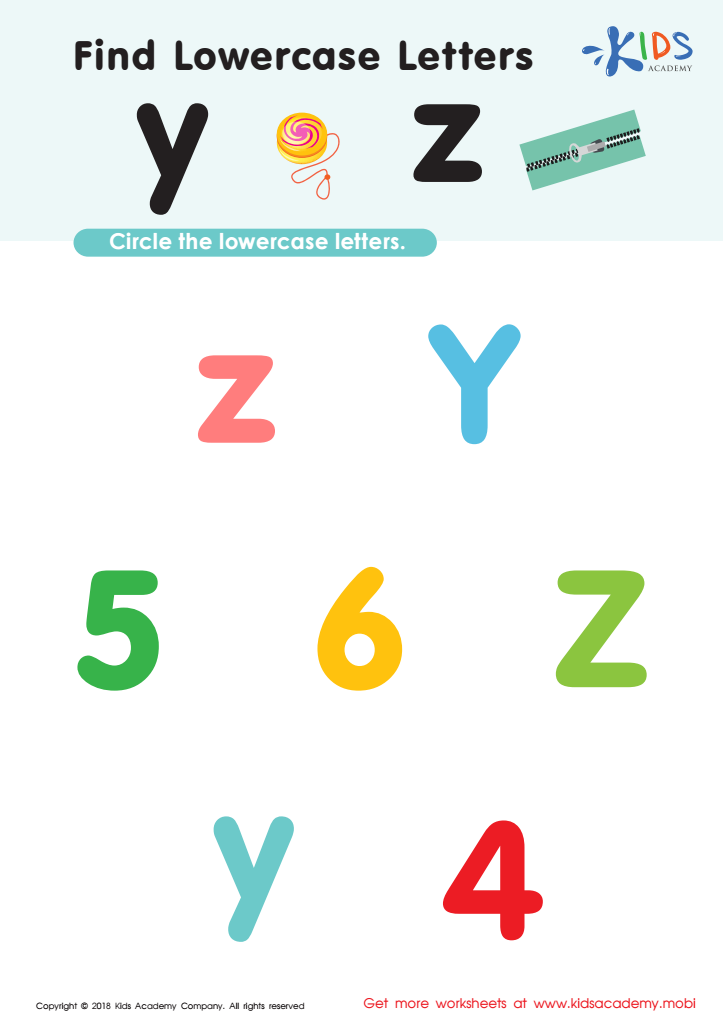
Find Lowercase Letters y z Worksheet








Understanding the alphabet is a foundational skill for children aged 6-7, crucial for their literacy development. During this stage, children transition from learning letters in isolation to recognizing how letters combine to create words, which is essential for reading and writing.
Teachers and parents should care about this understanding because it directly impacts a child’s ability to decode, spell, and construct sentences. Mastery of the alphabet not only facilitates reading fluency but also nurtures a love for books, fostering a lifelong passion for learning. Moreover, at this age, children begin to grasp phonics, making the connection between sounds and letters critical for their overall language proficiency.
Additionally, early struggles with the alphabet can lead to frustration and disengagement that might affect a child’s confidence in school. Parents and teachers can encourage this learning through everyday activities, such as singing the alphabet song, playing letter recognition games, and creating interactive reading experiences. Engaging children in this way aids in developing their cognitive skills and enhances their vocabulary, setting a solid groundwork for future academic success. Ultimately, nurturing alphabetical understanding lays the path for excellent communication skills, critical think ing ability,and creativity in expression.







