Motor skills development Alphabet Worksheets for Ages 6-7
5 filtered results
-
From - To
Enhance your child's motor skills with our engaging Alphabet Worksheets designed for ages 6-7. These interactive resources combine fun activities with fundamental skills to promote hand-eye coordination and fine motor development. Each worksheet focuses on letter tracing, coloring, and playful drawing tasks that make learning the alphabet an enjoyable experience. Perfect for at-home practice or classroom use, our worksheets help children gain confidence in their writing abilities while reinforcing letter recognition. Empower your young learner with the tools they need to succeed as they explore the world of letters through creative and supportive exercises. Download your free worksheets today!

Letter H Tracing Page
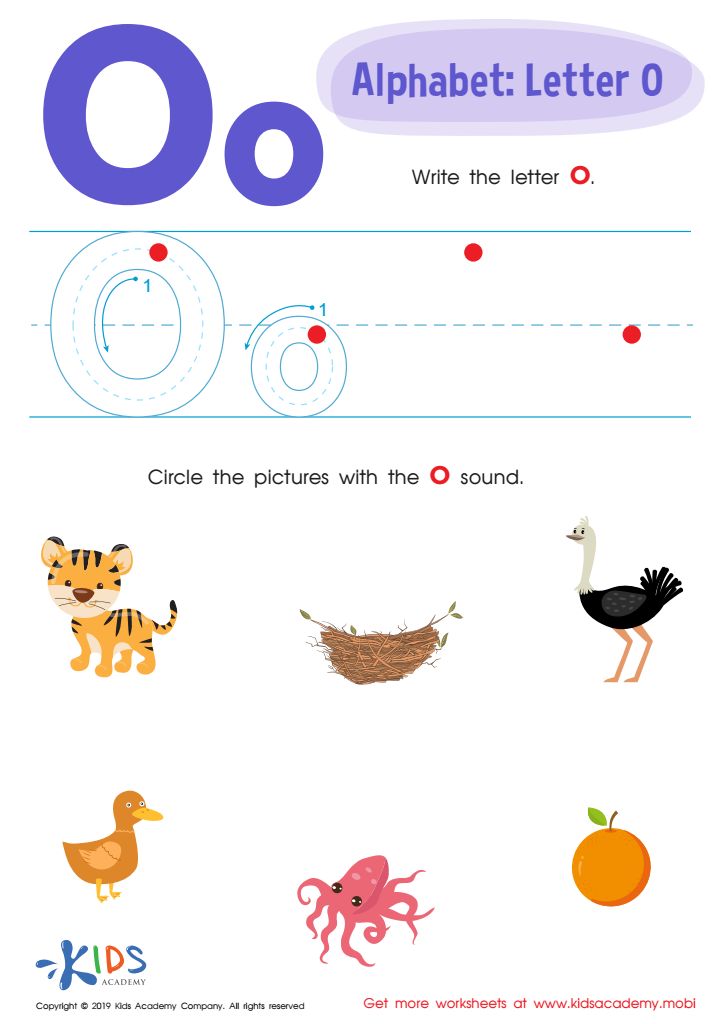
Letter O Tracing Worksheet
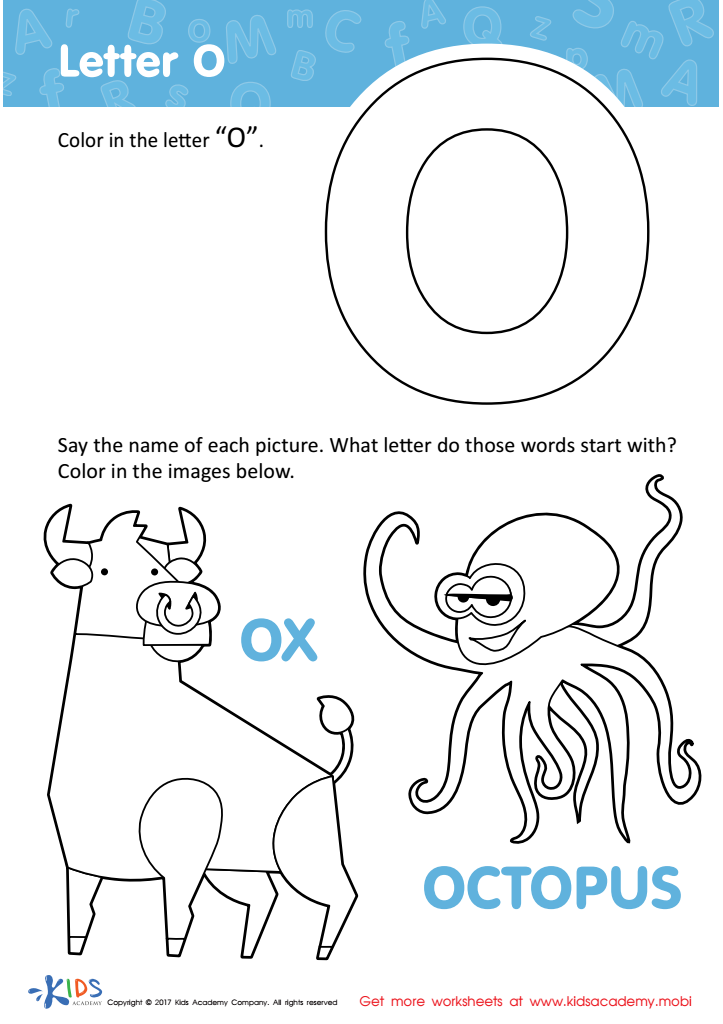
Letter O Coloring Sheet
 Assign to My Students
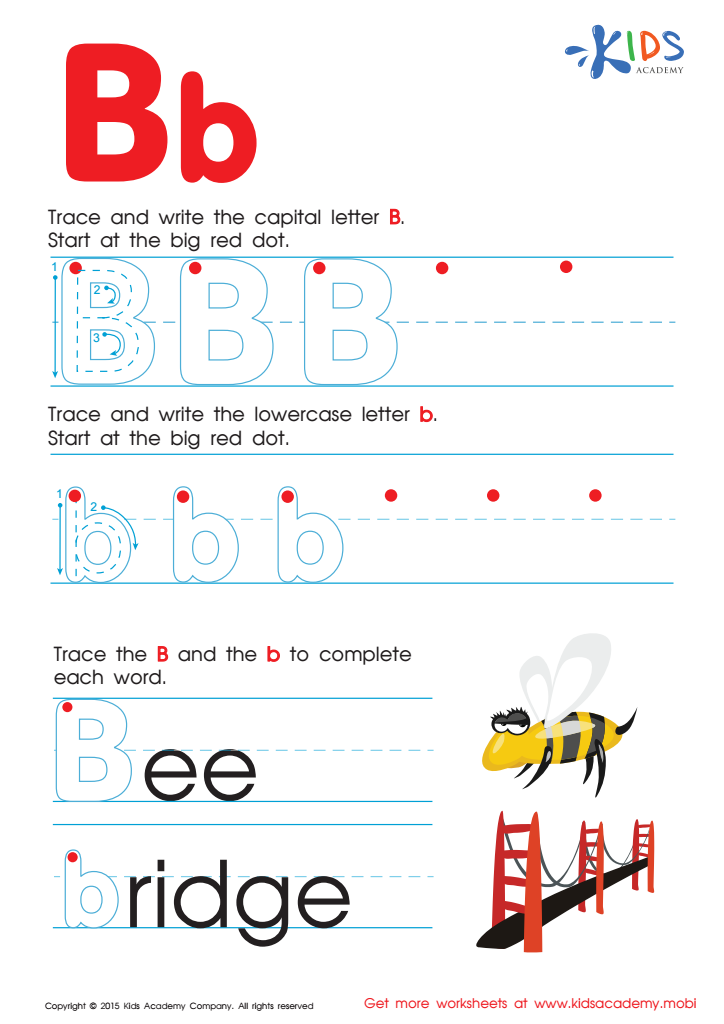
Letter B Tracing Page
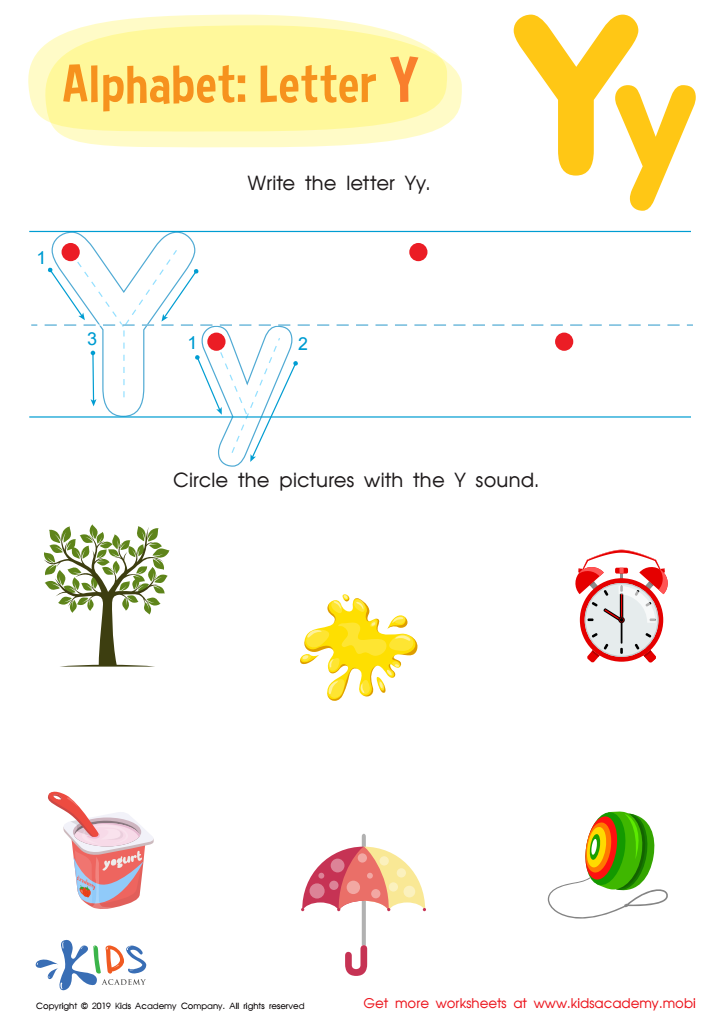
Letter Y Tracing Worksheet








Motor skills development is crucial for children aged 6-7 as it impacts their overall growth and learning. At this age, children refine their basic motor skills, gaining confidence and independence. Fine motor skills, such as holding a pencil or cutting with scissors, are essential for writing and self-expression. Developing these skills enables children to complete school tasks effectively, laying the foundation for academic success.
Additionally, gross motor skills, like running and jumping, play a significant role in children's physical health, social interactions, and coordination. Engaging in activities that promote motor skills encourages teamwork, discipline, and resilience. Parents and teachers must emphasize activities that foster these skills, such as arts and crafts, sports, and outdoor play, which can help mitigate screen time overuse and promote a balanced lifestyle.
Moreover, stronger motor skills can boost self-esteem. Children who can navigate physical tasks with ease are likelier to engage positively with peers and embrace new challenges. Thus, prioritizing motor skills development in educational settings not only aids in academic achievement but also nurtures well-rounded, confident individuals prepared for future success. Parents and teachers must work together to ensure that children maximize their potential through this critical period of development.







