Fine Motor Skills Letter Recognition Worksheets for Ages 6-7
62 filtered results
-
From - To
Enhance your child’s learning with our Fine Motor Skills Letter Recognition Worksheets for ages 6-7! Designed to build essential pre-writing skills and letter recognition, these engaging worksheets provide a fun and interactive way for young learners to practice identifying letters. Your child will enjoy tracing, coloring, and completing activities that hone their fine motor skills while reinforcing their understanding of the alphabet. Perfect for home or classroom use, our resources promote creativity and confidence, making learning enjoyable. Give your child a head start in literacy and motor development with our expertly crafted worksheets today! Explore endless learning possibilities!
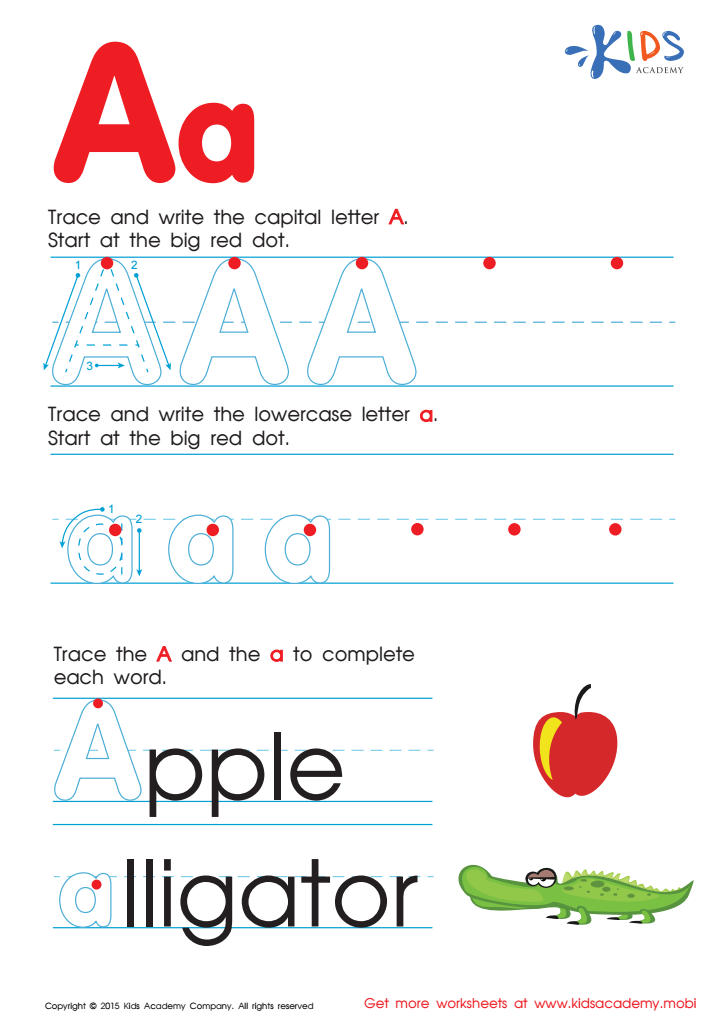
Letter A Tracing Page
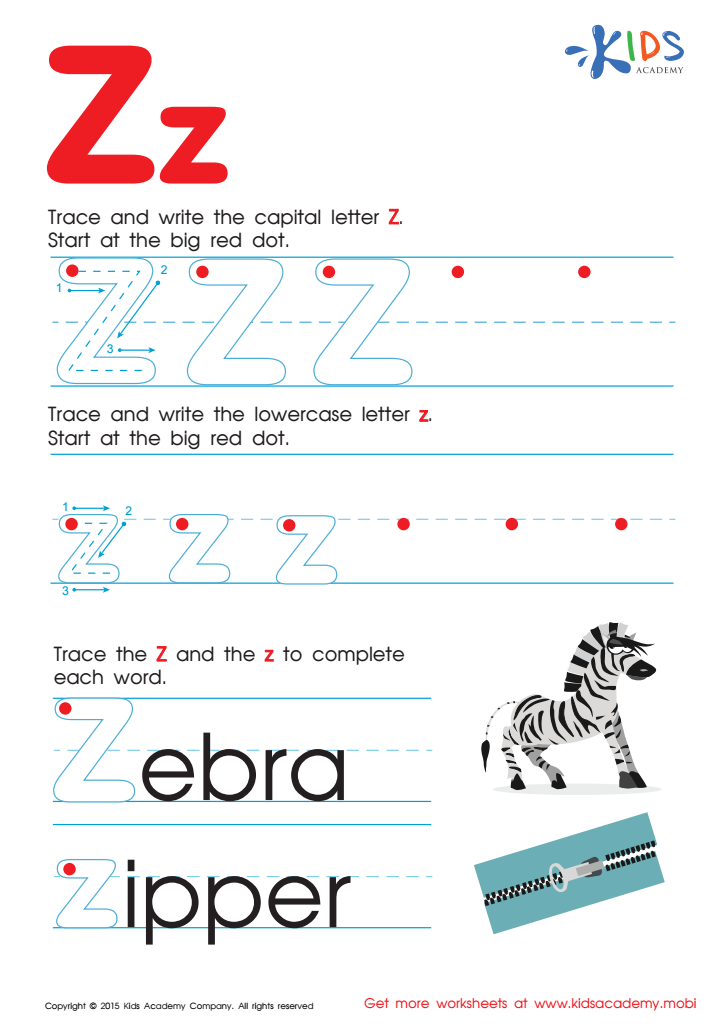
Letter Z Tracing Page
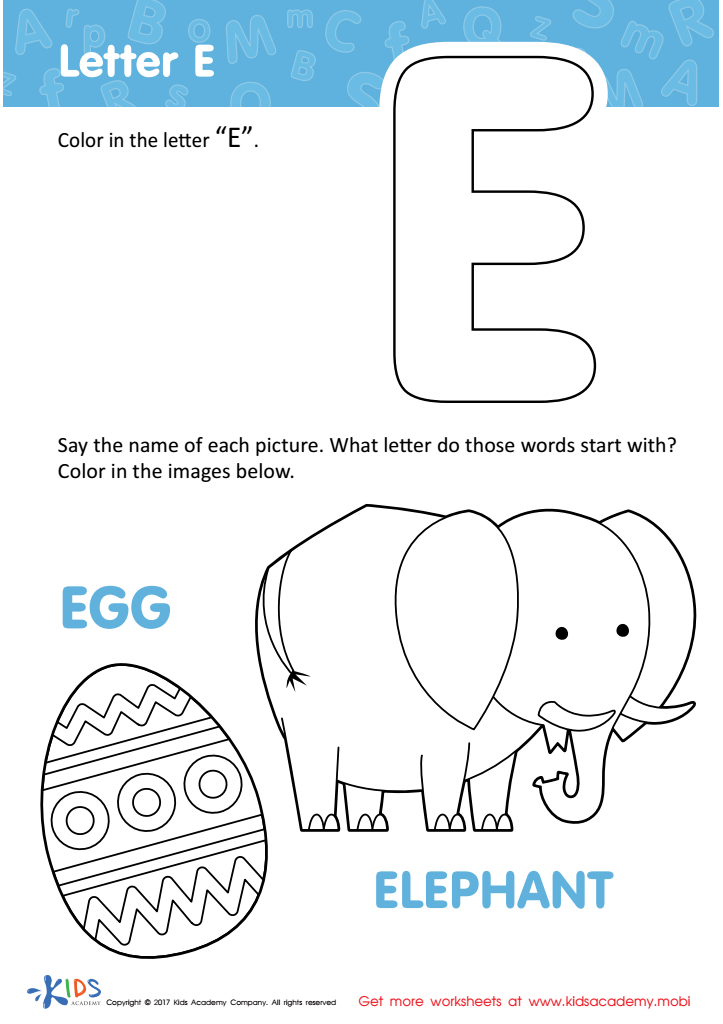
Letter E Coloring Sheet
 Assign to My Students
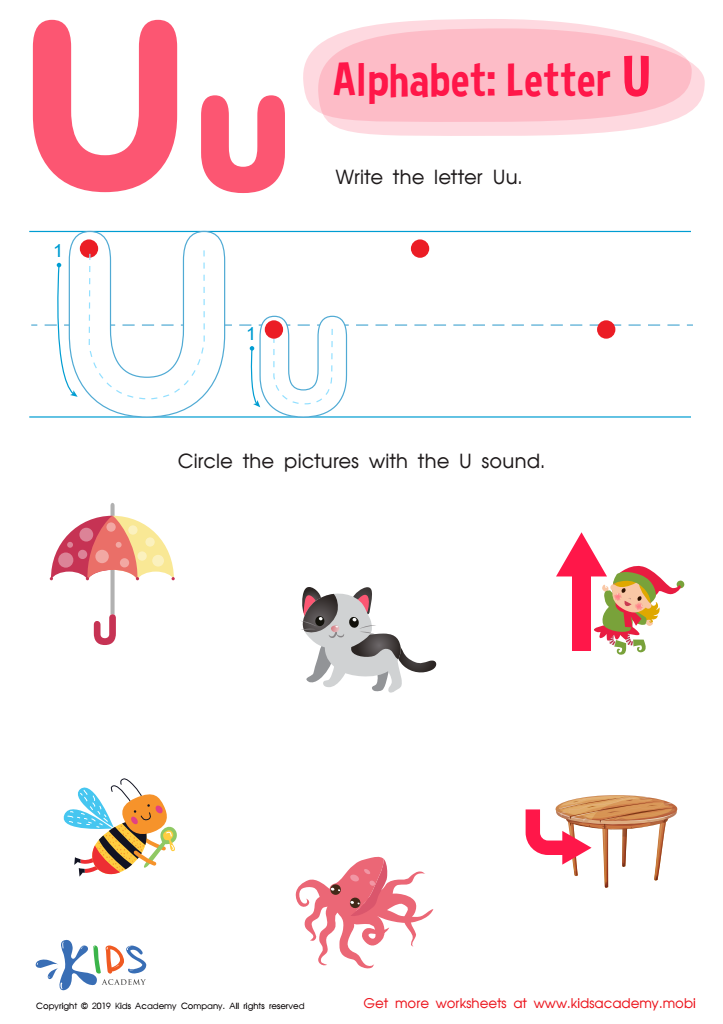
Letter U Tracing Worksheet
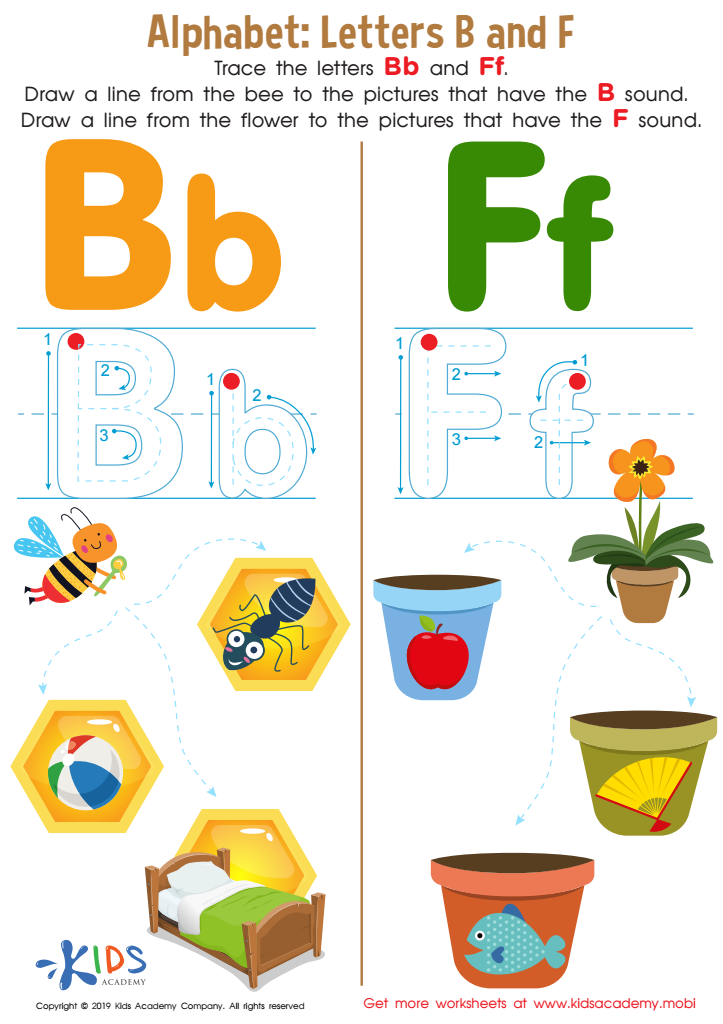
Letters B and F Tracing Worksheet
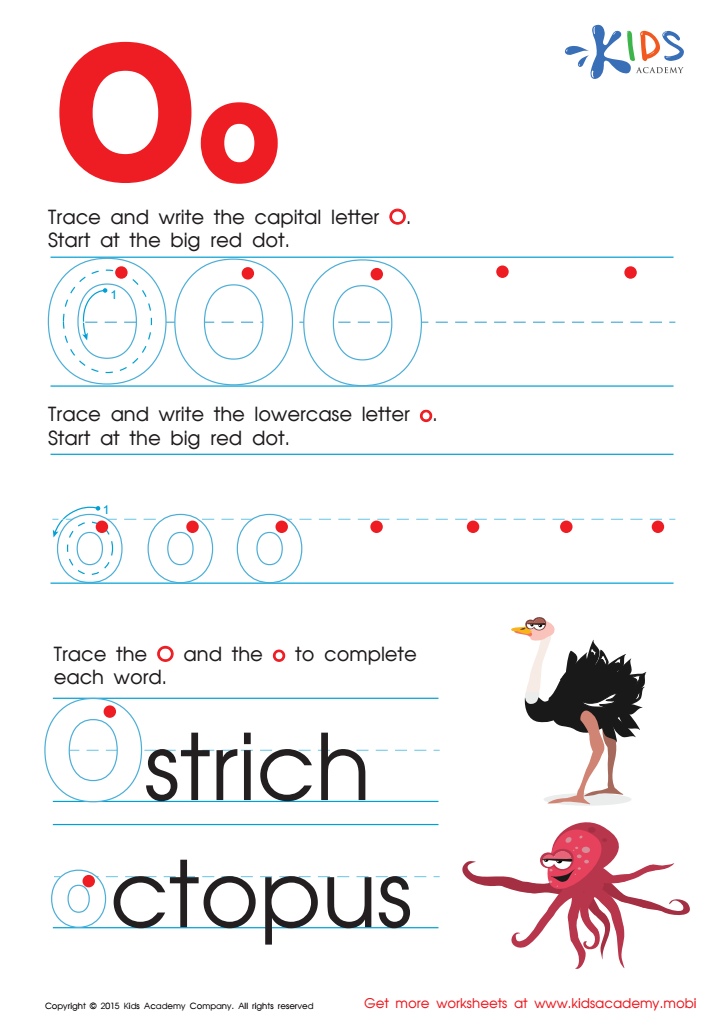
Letter O Tracing Page
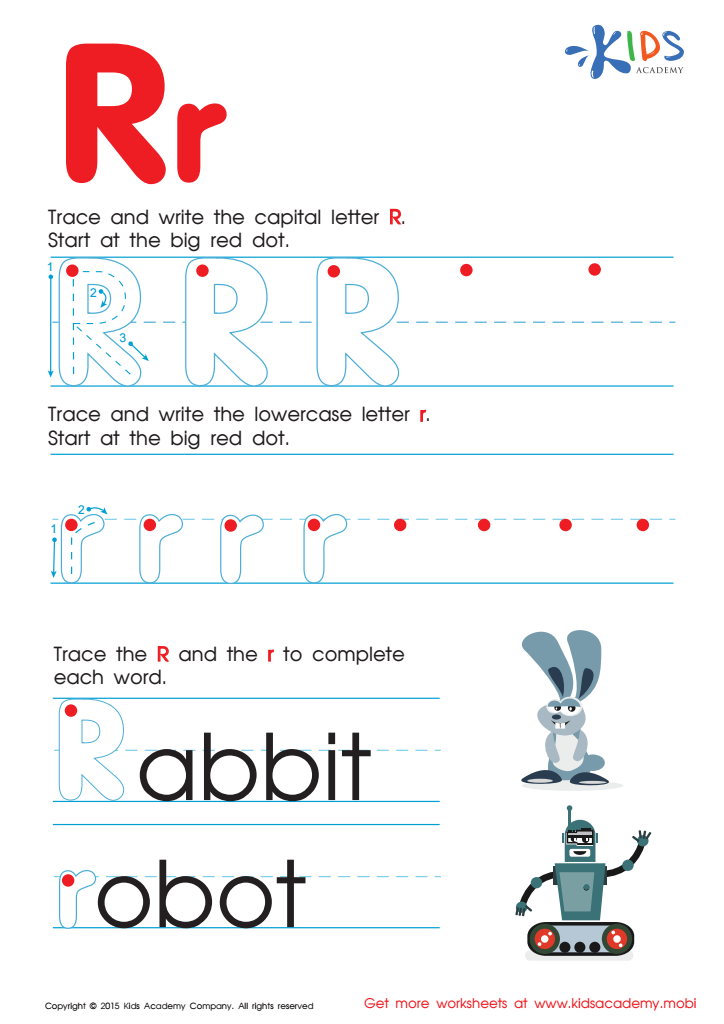
Letter R Tracing Page
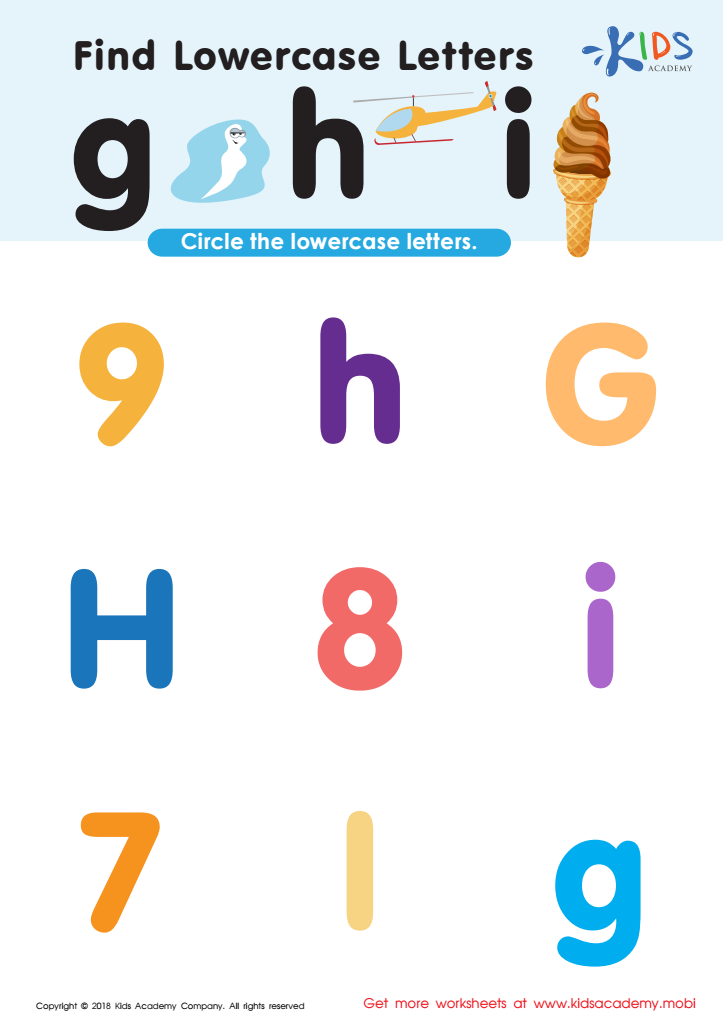
Find Lowercase Letters g h i Worksheet
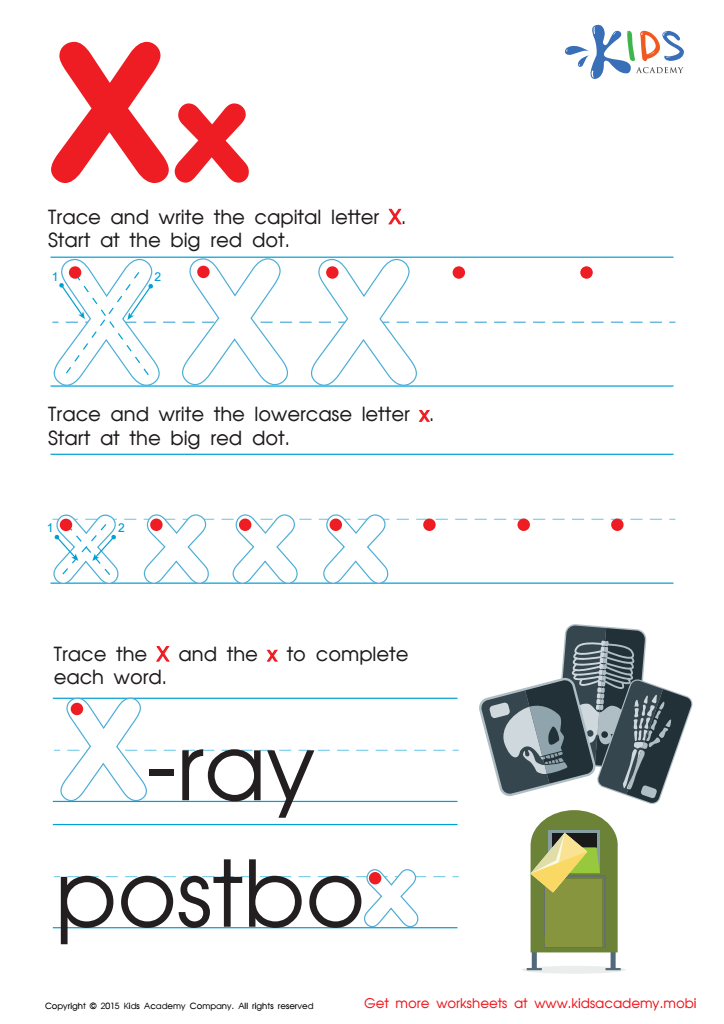
Letter X Tracing Page

Letter P Tracing Page
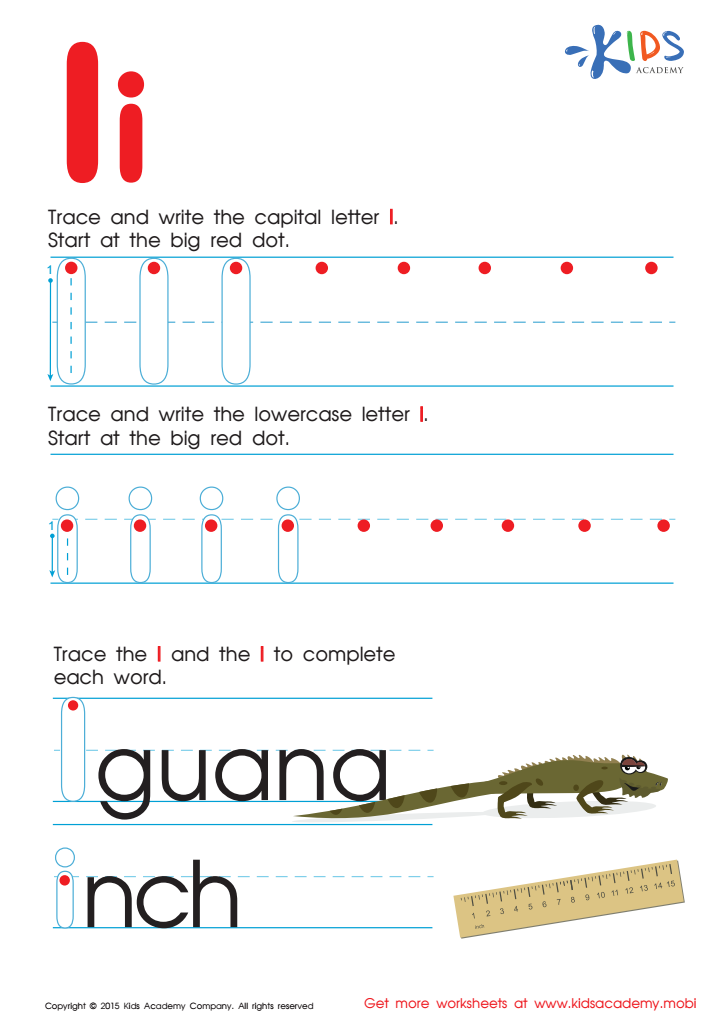
Letter I Tracing Page
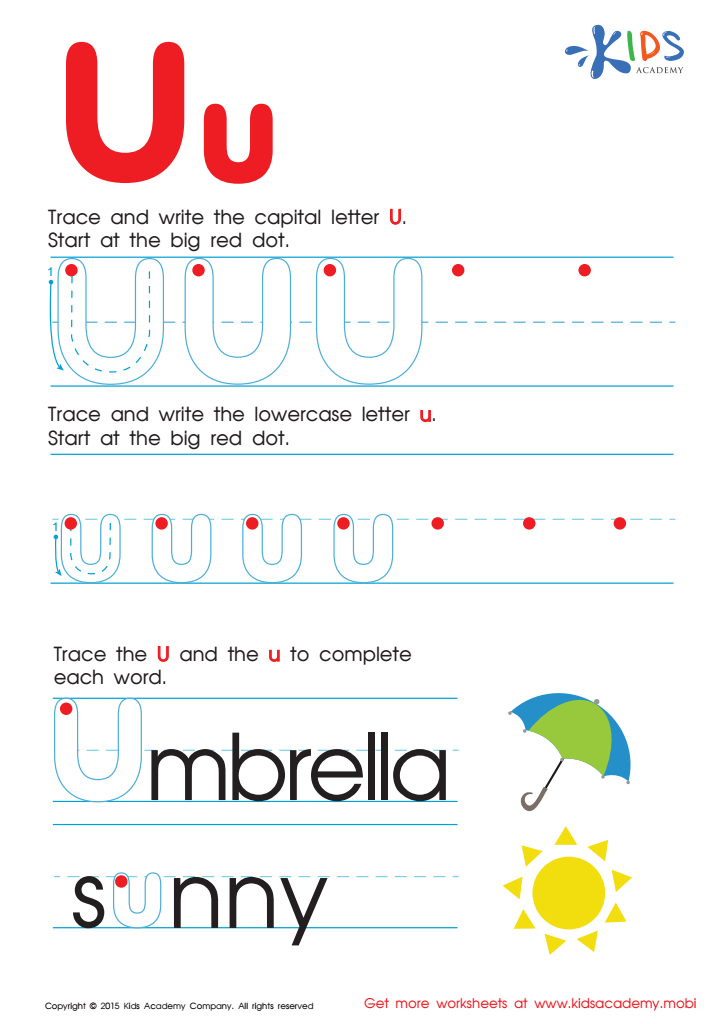
Letter U Tracing Page
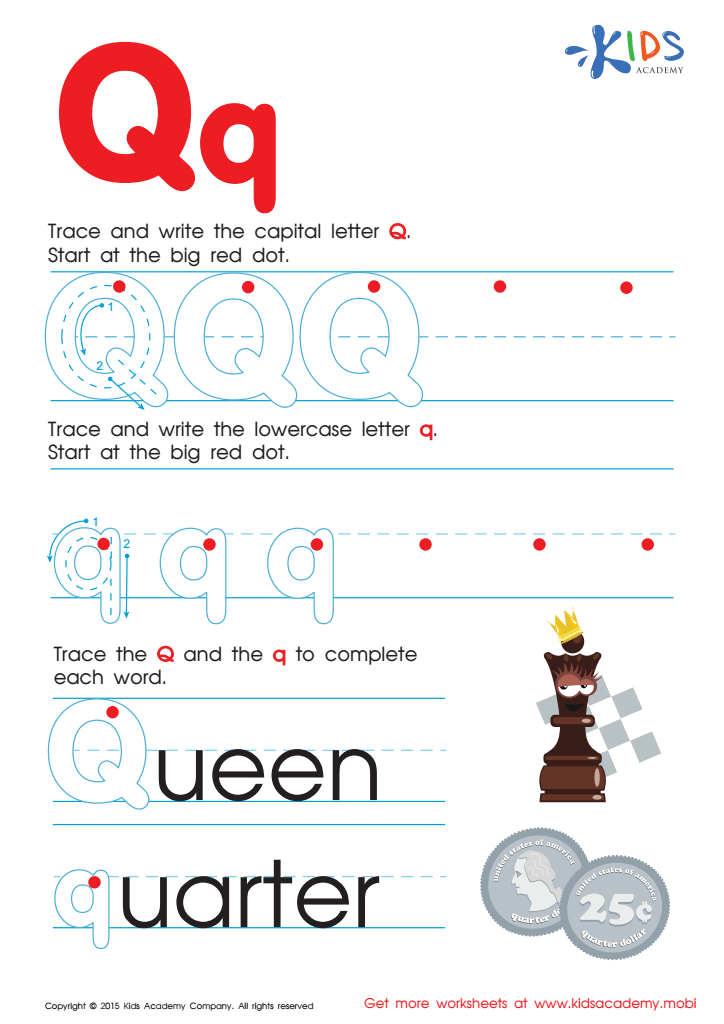
Letter Q Tracing Page
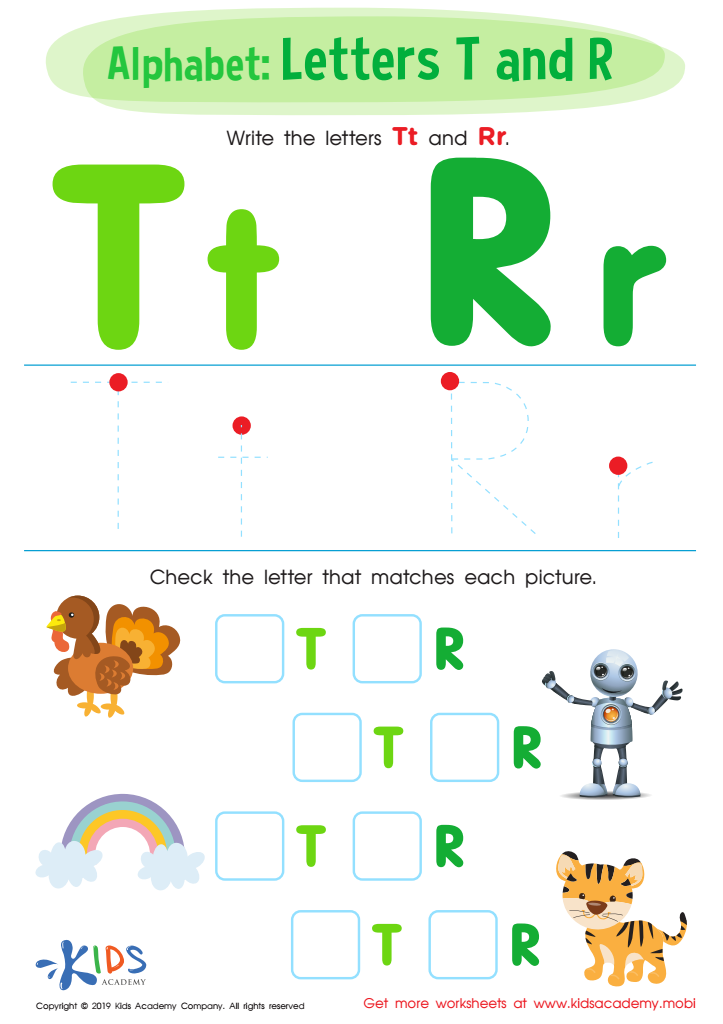
Letters T and R Worksheet
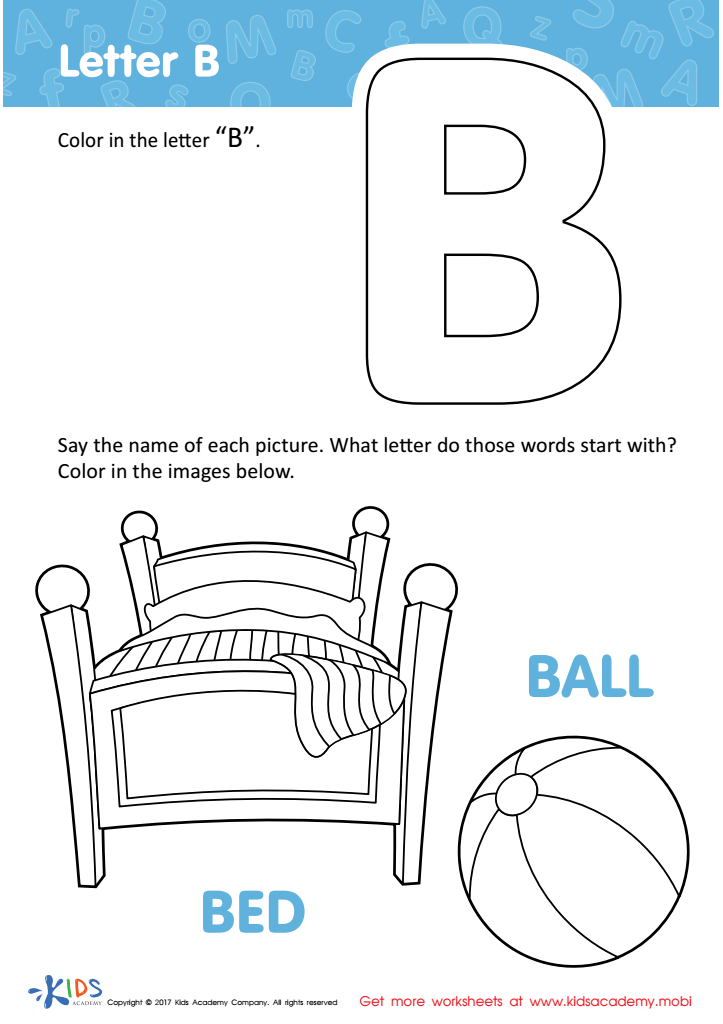
Letter B Coloring Sheet
Assign to My Students
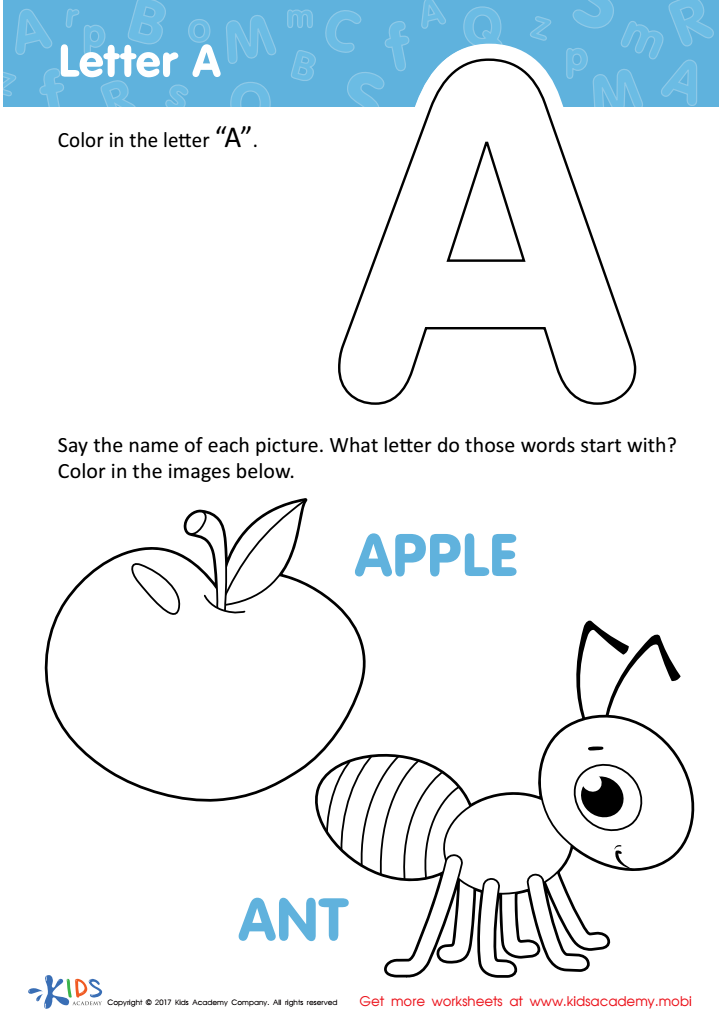
Letter A Coloring Sheet
Assign to My Students
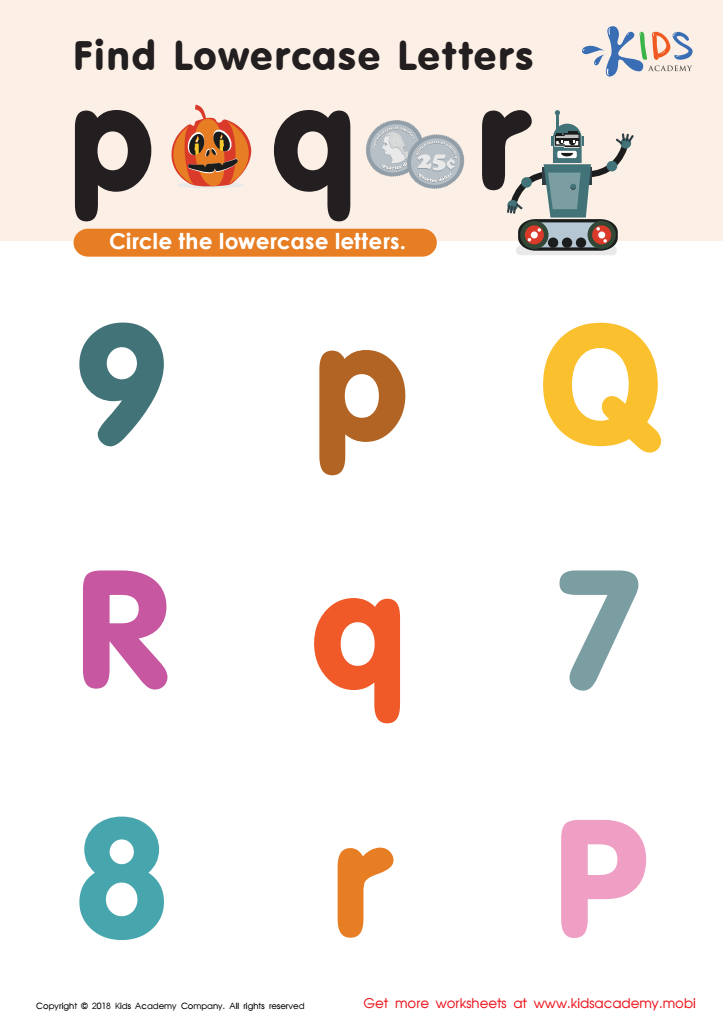
Find lowercase Letters p q r Worksheet
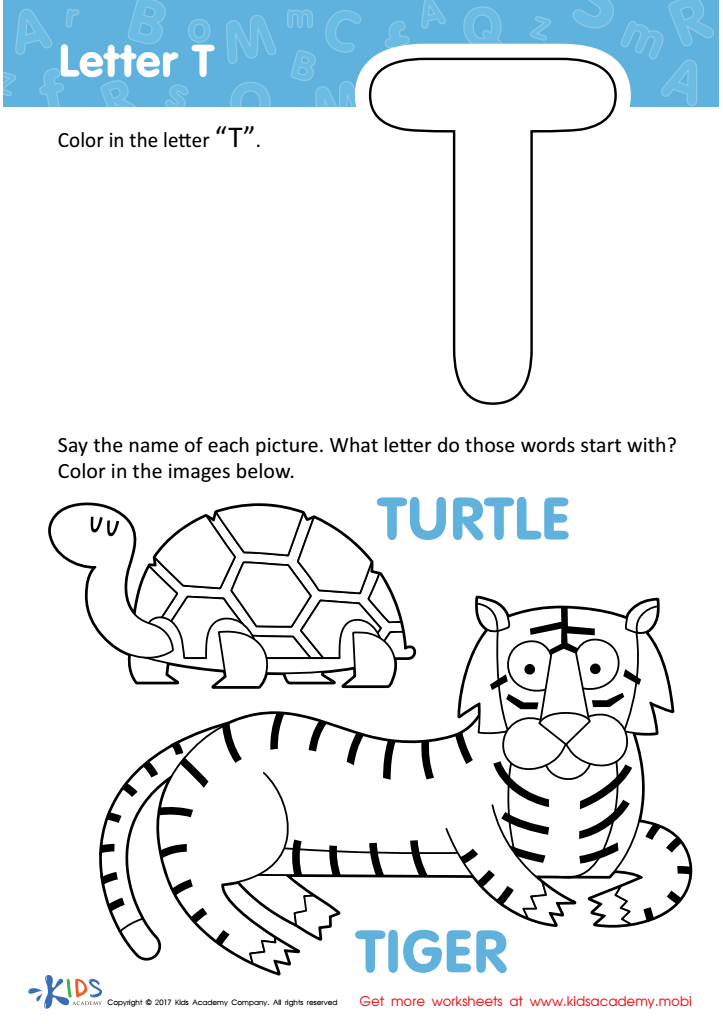
Letter T Coloring Sheet
Assign to My Students
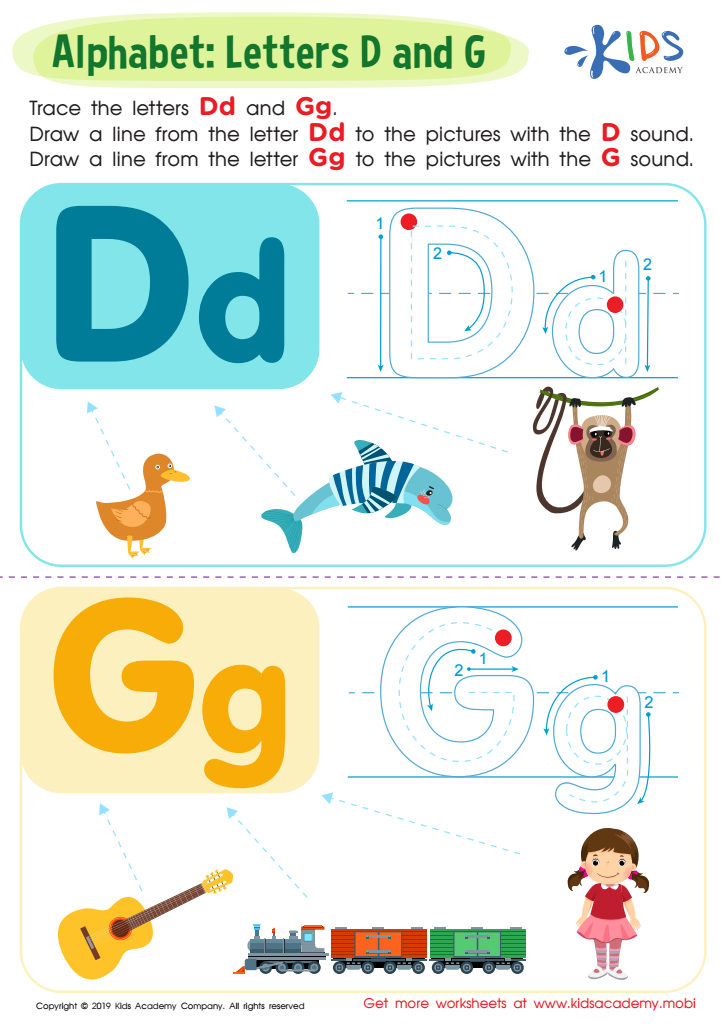
Letter D and G Tracing Worksheet
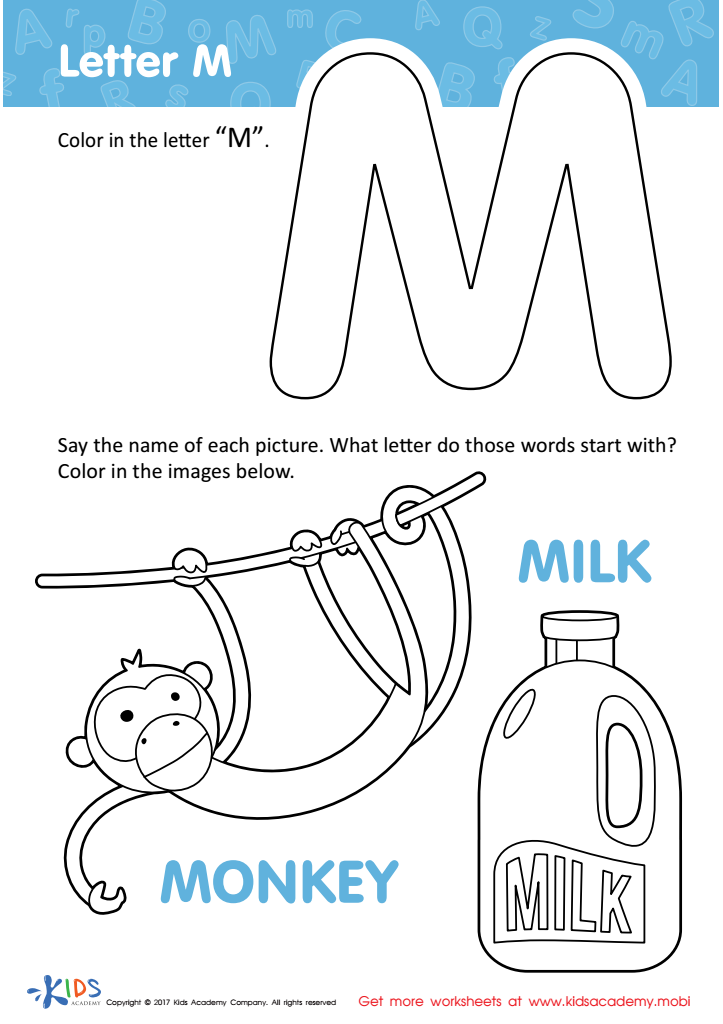
Letter M Coloring Sheet
Assign to My Students
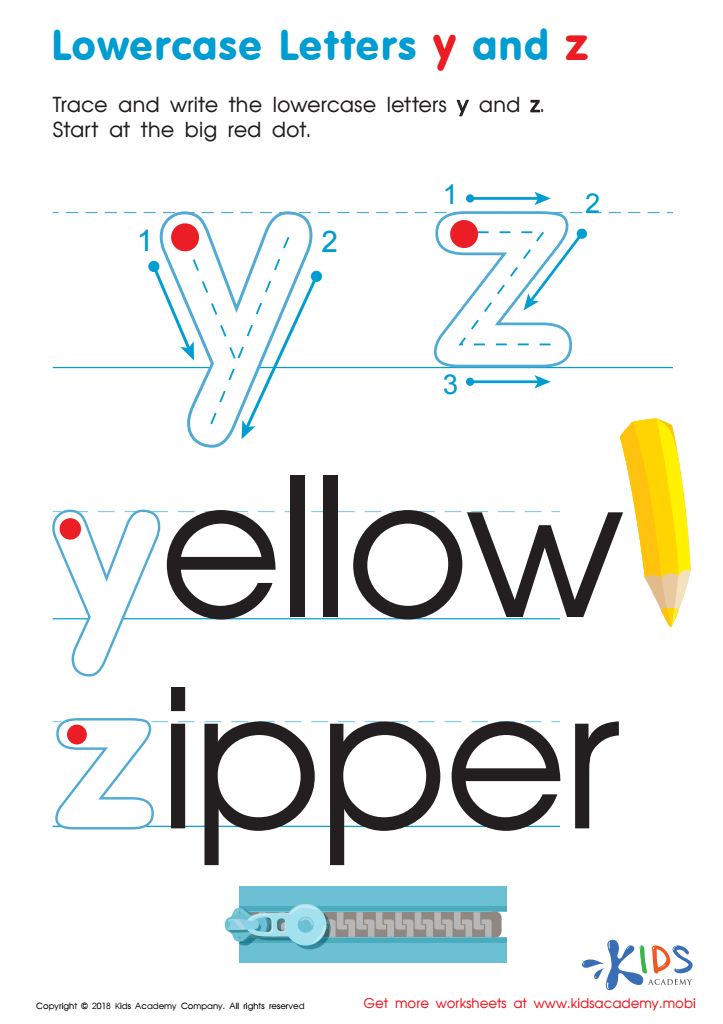
Lowercase Letters y z Worksheet
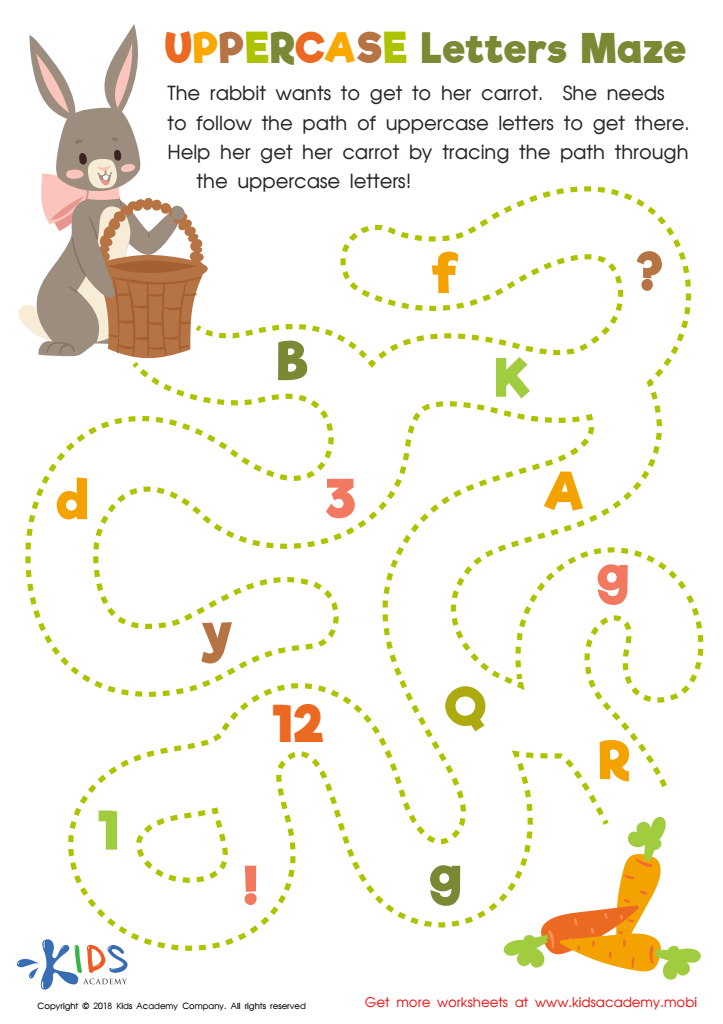
Uppercase Letters Maze Worksheet
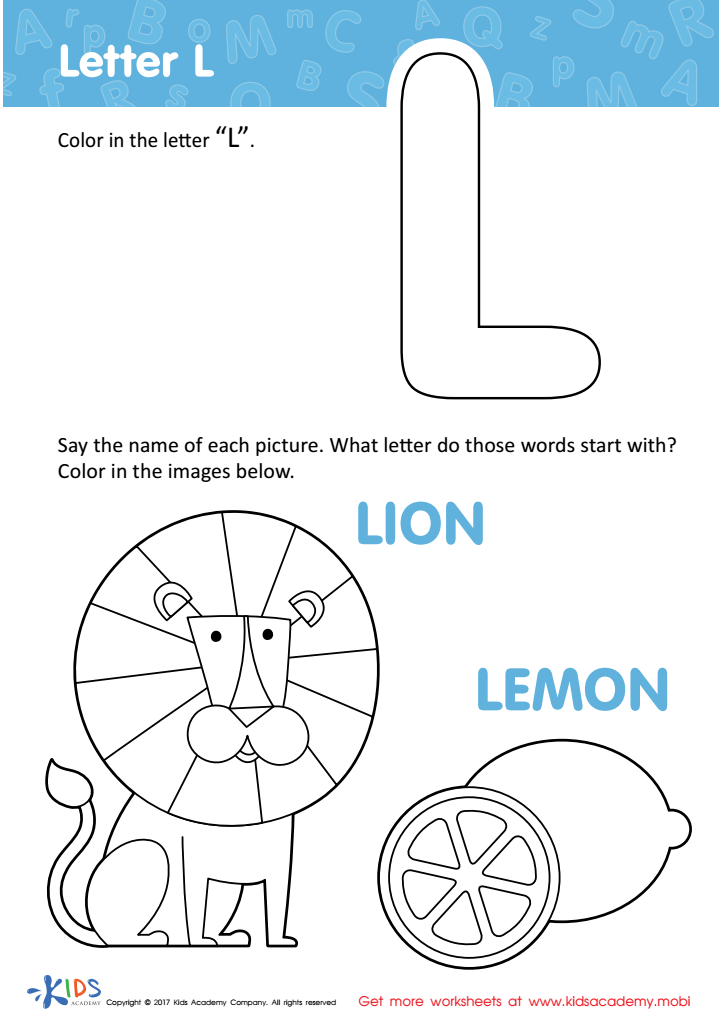
Letter L Coloring Sheet
Assign to My Students
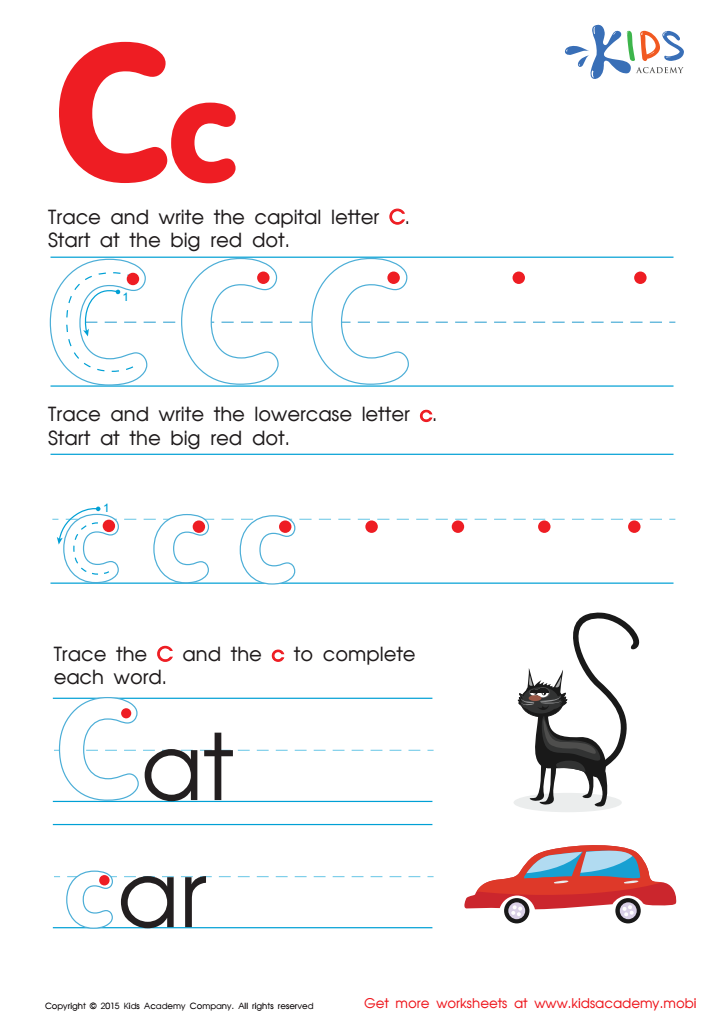
Letter C Tracing Page








Fine motor skills and letter recognition are crucial developmental milestones for children aged 6-7. At this age, children often transition to more complex tasks in both academic and everyday contexts. Fine motor skills involve the coordinated movement of small muscles, particularly in the hands and fingers, which are essential for writing, typing, and manipulating objects. As children learn to form letters properly, it boosts their confidence and encourages a love for learning.
Letter recognition is equally important, as it forms the foundation for reading and writing. Children need to recognize letters quickly to help them decode words, aiding in literacy development. Proficient letter recognition is linked to stronger reading comprehension, critical thinking, and communication skills, all of which are vital for academic success.
Parents and teachers should prioritize these skills as they are pivotal in fostering independence and self-sufficiency in children. Engaging activities such as crafting, coloring, and puzzle-solving facilitate fine motor development while reinforcing letter recognition in a fun, interactive manner. By supporting these skills, adults can help children build a strong educational foundation that will benefit them for years to come. Investing time in refining fine motor skills and letter recognition ultimately enhances overall cognitive and social development.







