Phonics Skills Letter Recognition Worksheets for Ages 6-7
8 filtered results
-
From - To
Enhance your child's reading foundation with our Phonics Skills Letter Recognition Worksheets designed for ages 6-7! These engaging worksheets focus on helping young learners identify and recognize letters, a crucial skill for early literacy development. Through fun exercises that incorporate phonics principles, kids will build confidence in their reading abilities while enjoying activities that stimulate their curiosity. Our worksheets are perfect for home or classroom use, providing a seamless blend of education and enjoyment. Start nurturing essential phonics skills today, and watch your child thrive as they develop a strong understanding of the alphabet! Download now to get started!
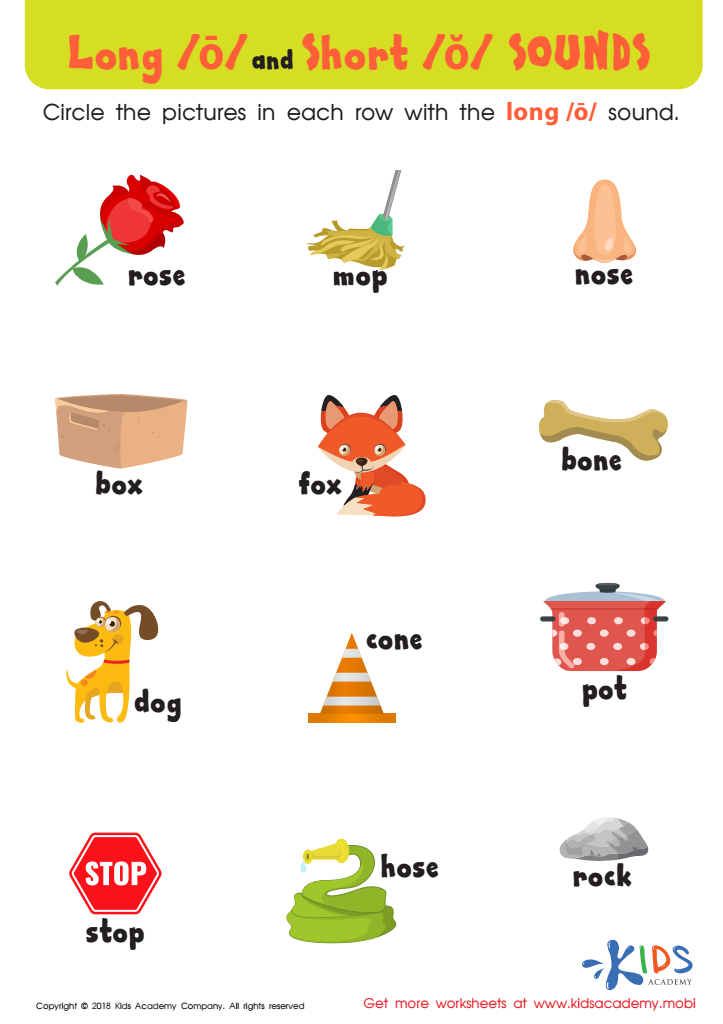
Reading: Long O and Short O Sounds Worksheet
 Assign to My Students
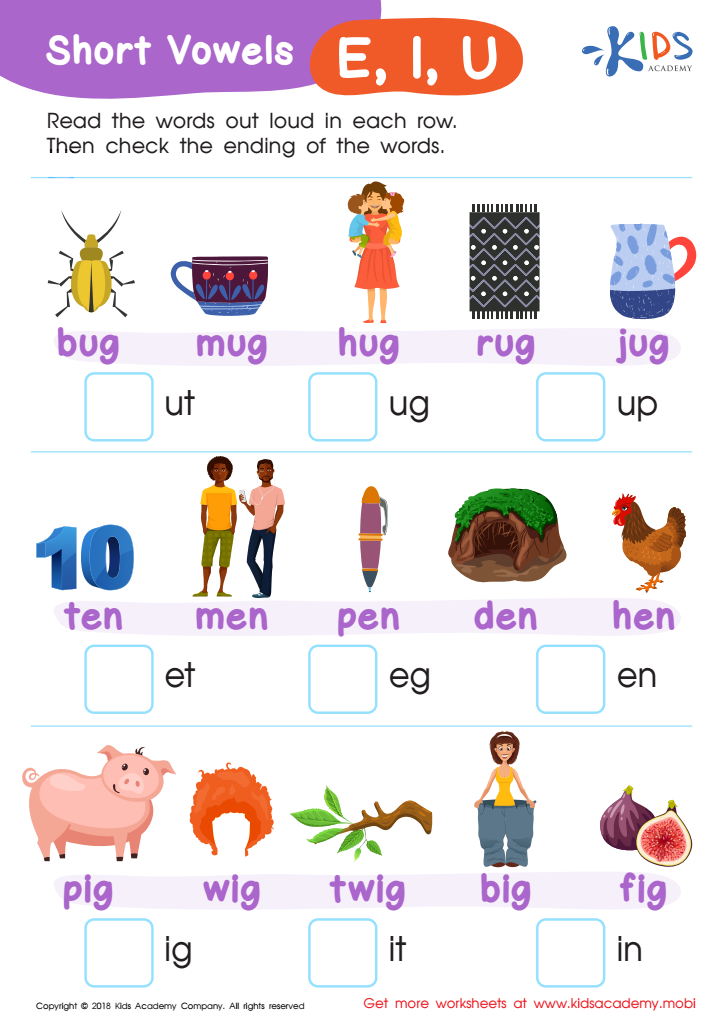
Short Vowels /e/, /i/, and /u/ Worksheet
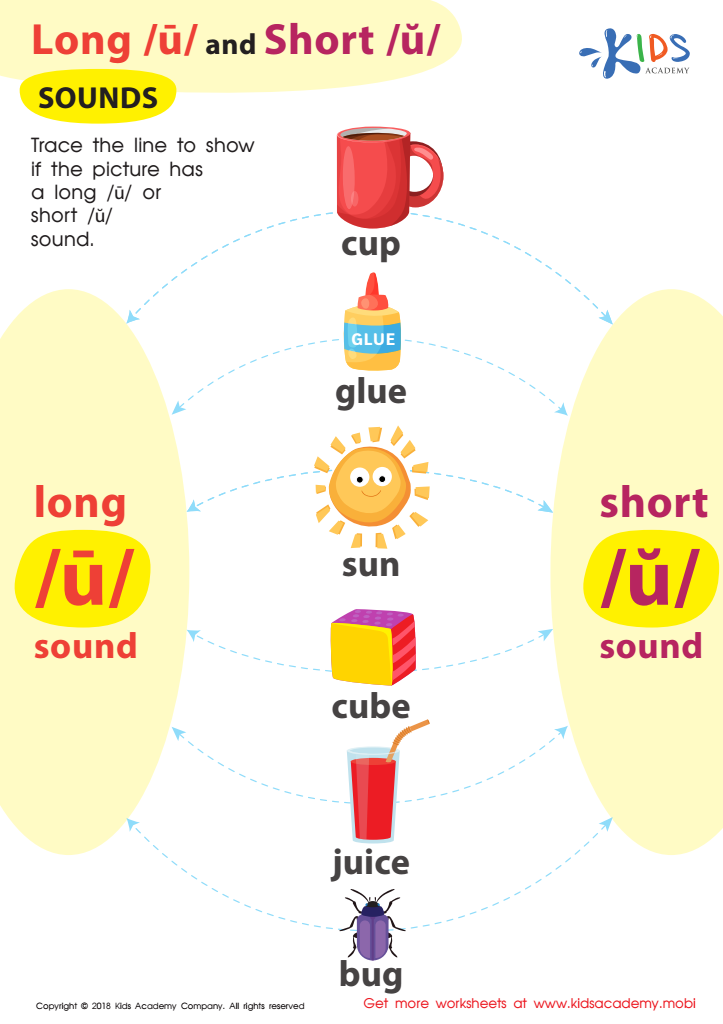
Reading: Long U and Short U Sounds Worksheet
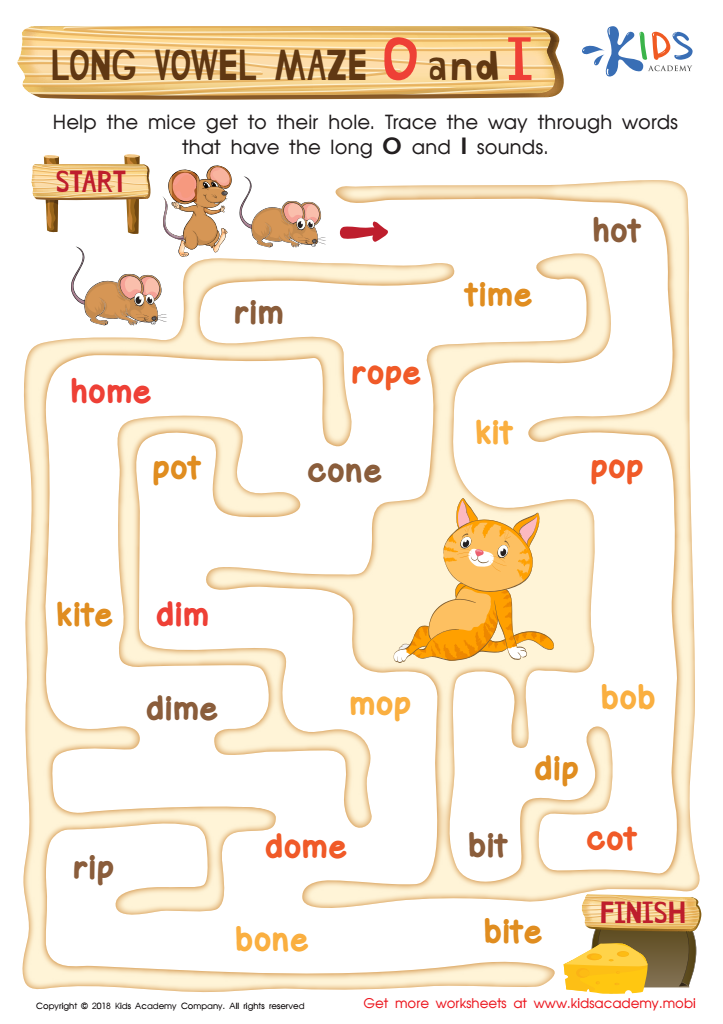
Long Vowel Maze /o/ and /i/ Worksheet
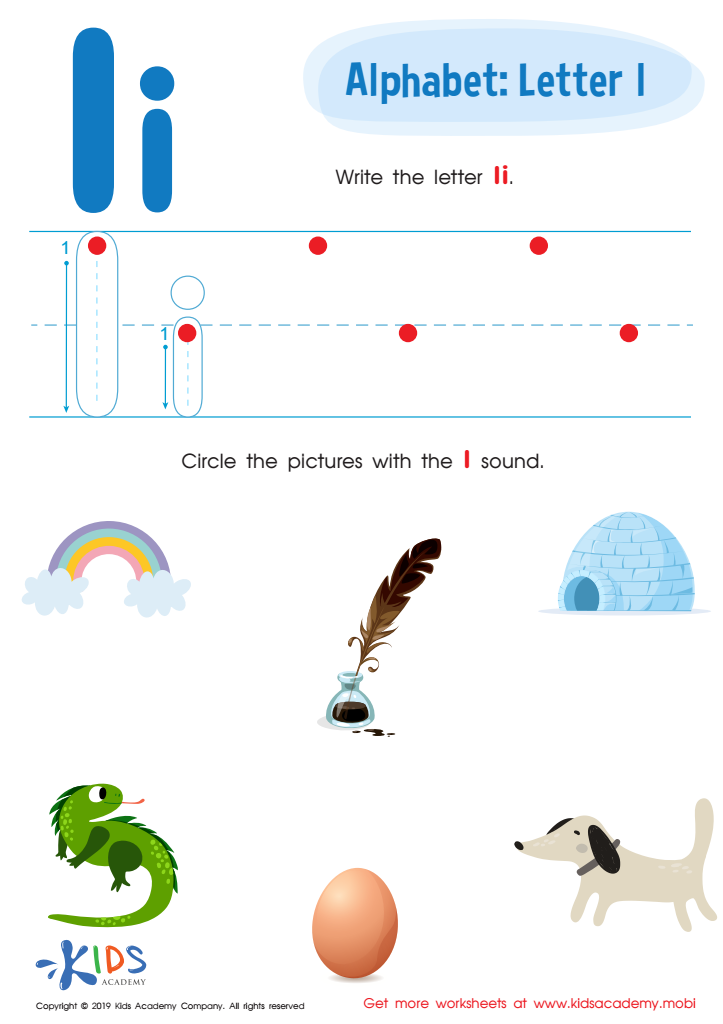
Letter I Tracing Worksheet
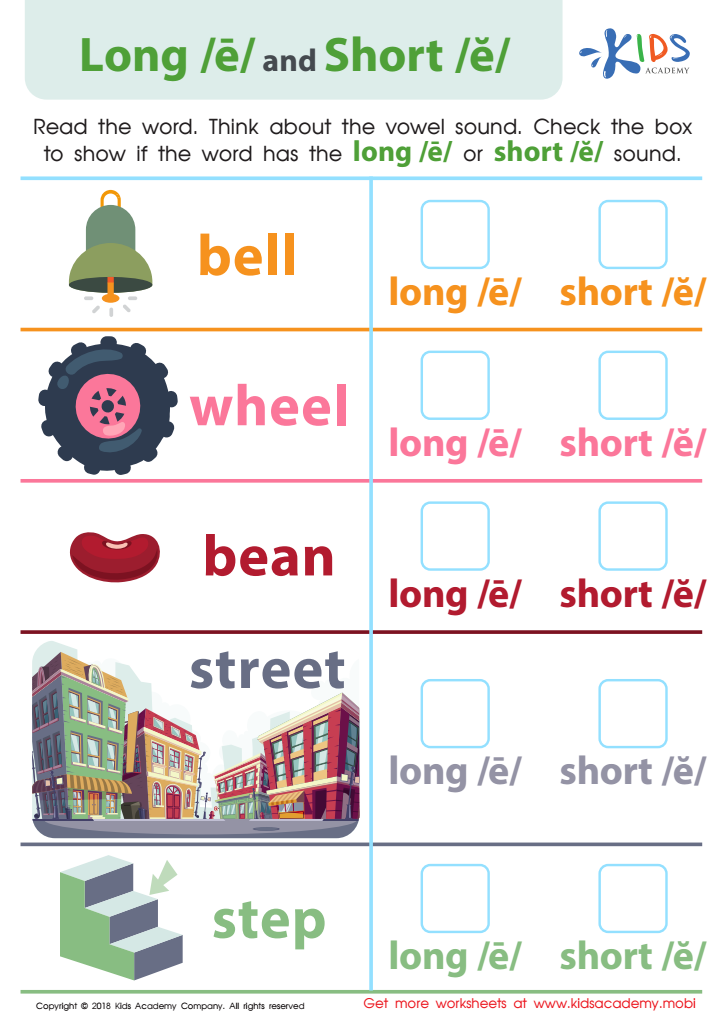
Reading: Long E and Short E Worksheet
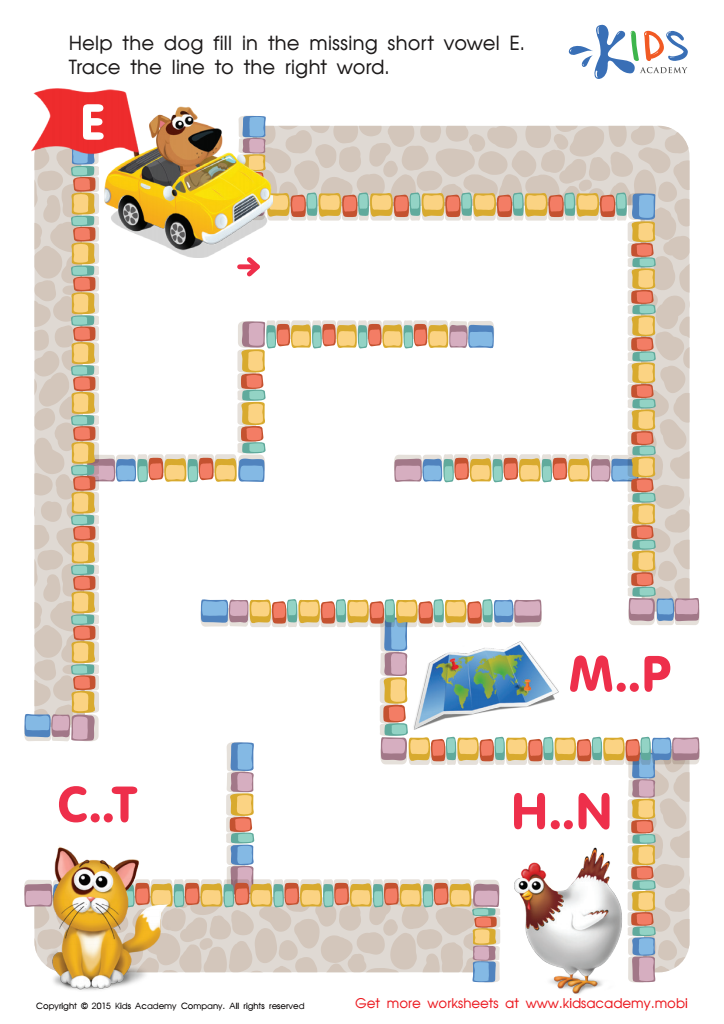
Short Vowel Sound E Worksheet
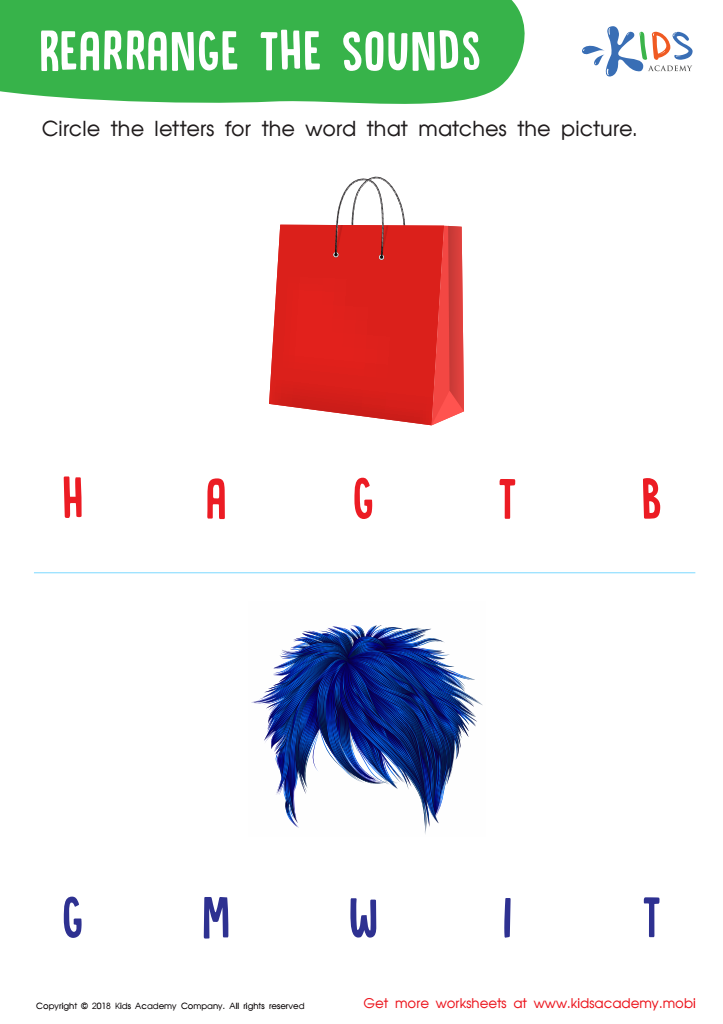
Rearrange the Sounds Worksheet








Phonics skills, particularly letter recognition, are fundamental in early literacy development for children ages 6-7. During this critical stage, children are transitioning from learning individual letters to using them in reading and writing. Strong letter recognition is essential because it serves as the building block for phonemic awareness—the ability to hear and manipulate sounds. When children can easily recognize letters, they can decode words more effectively, enhancing their reading fluency.
Parents and teachers should care about phonics skills because they foster a love for reading and strengthen overall academic performance. Research indicates that proficient readers tend to perform better in all areas of the curriculum, leading to improved self-esteem and motivation. Effective phonics instruction helps children understand the relationship between sounds and letters, enabling them to decode unfamiliar words, comprehend texts, and eventually write with greater ease.
Moreover, early intervention through phonics can identify and address potential learning difficulties, setting children on a path for success. By cultivating these skills, parents and teachers play a pivotal role in equipping children with the tools necessary for lifelong reading and learning, ultimately benefiting their cognitive and social development. Prioritizing phonics skills ensures that every child can enjoy the broader educational opportunities that literacy unlocks.







