Fine Motor Skills Letter W Worksheets for Ages 6-7
4 filtered results
-
From - To
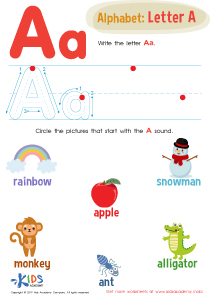
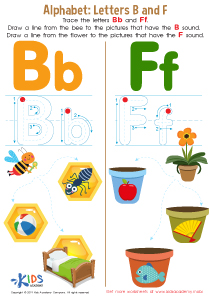
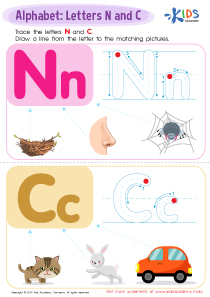
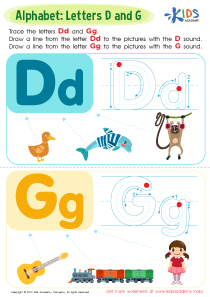
Enhance your child's fine motor skills with our "Letter W Worksheets for Ages 6-7". These engaging, expertly-designed printables focus on helping young learners master the letter W while improving their hand-eye coordination and writing proficiency. Our worksheets offer a variety of activities, including tracing, coloring, and letter formation, specifically tailored for children aged 6-7. By combining fun exercises with educational content, we ensure that learning the alphabet becomes an enjoyable experience. Perfect for both classroom use and at-home practice, our fine motor skills worksheets are an excellent resource for developing essential writing skills in a creative way.
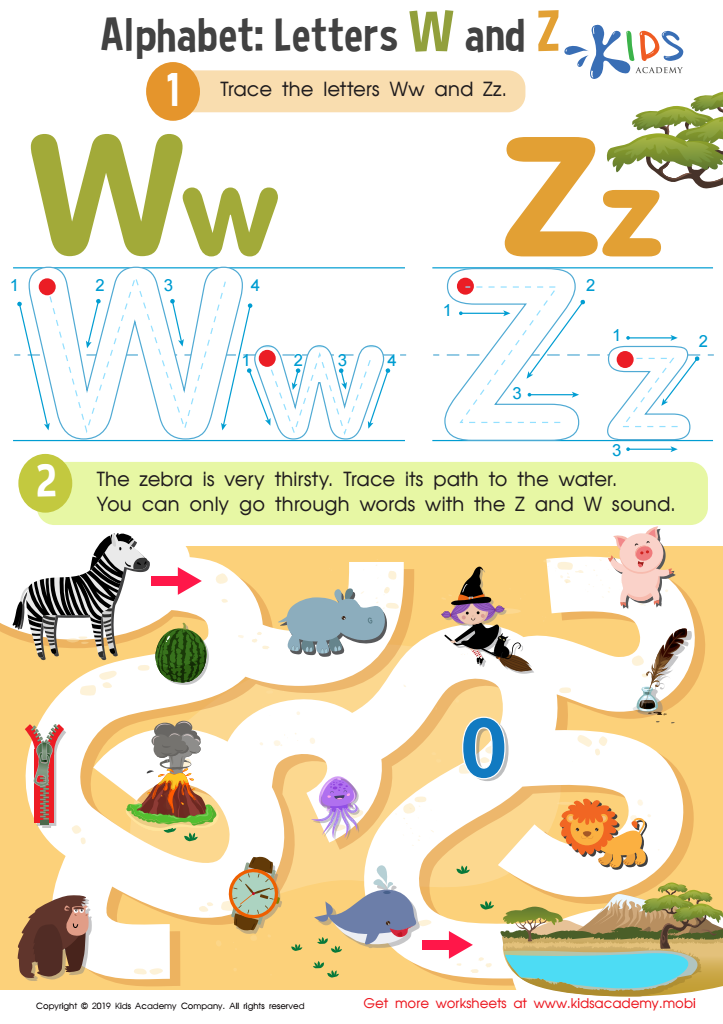
Letters W and Z Tracing Worksheet
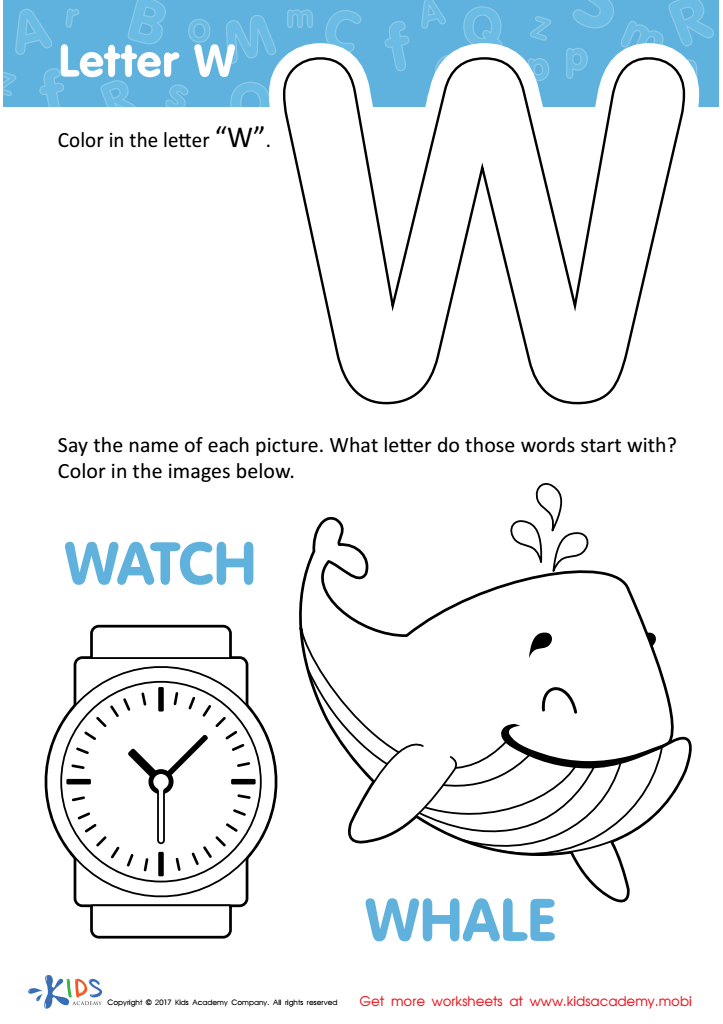
Letter W Coloring Sheet
 Assign to My Students
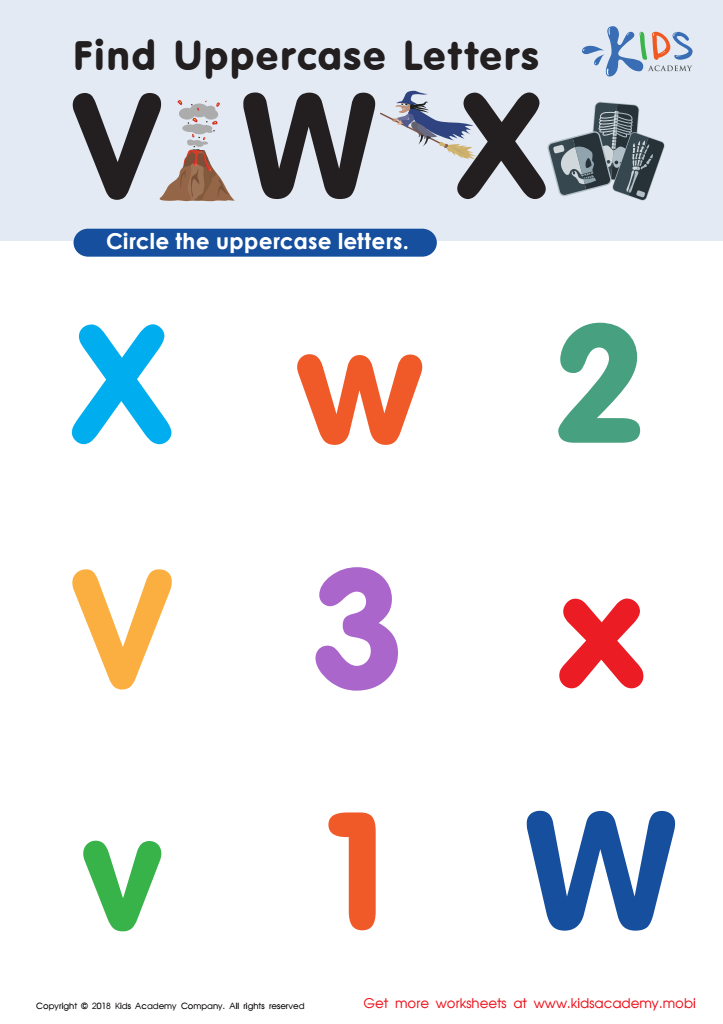
Find Uppercase Letters V, W, X Worksheet
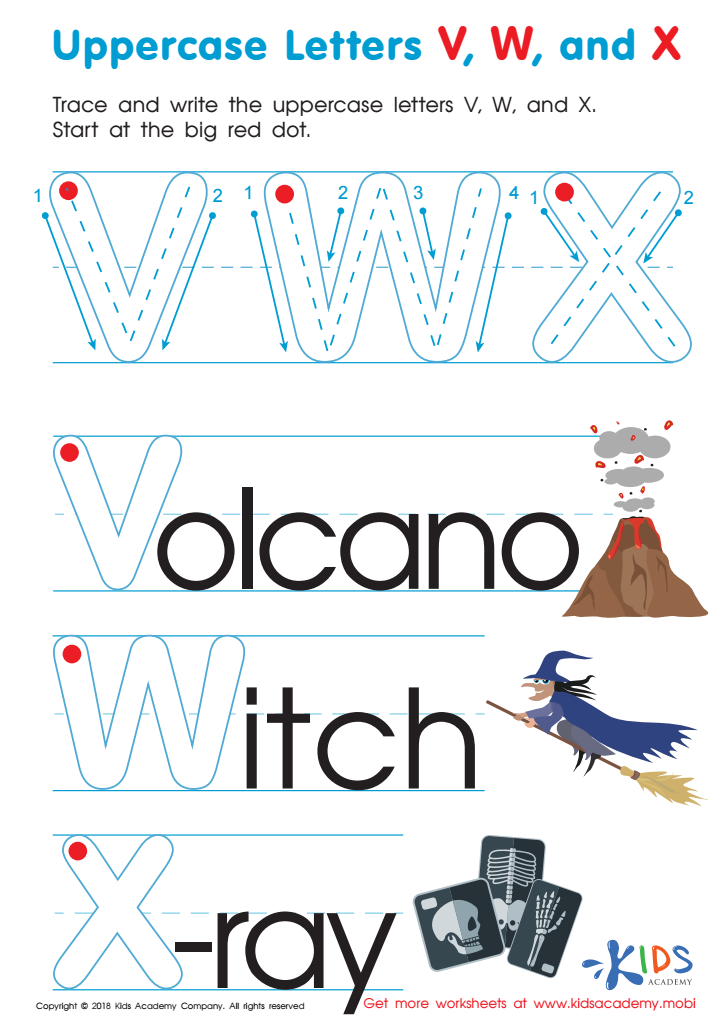
Uppercase Letters V, W, and X Worksheet




Fine motor skills refer to the coordination of small muscles, particularly those in the hands and fingers, which are crucial for performing tasks that require precision, such as writing, buttoning clothes, and manipulating small objects. Parents and teachers should care about the development of fine motor skills in children ages 6-7 because these skills form the foundation for successful learning and daily functioning.
At this age, children are typically in the early stages of formal education, where they encounter increased expectations for writing and other classroom activities requiring manual dexterity. Focusing on the letter "W" helps children practice diagonal lines and curves, which are essential components of other letters and overall handwriting development. By enhancing their proficiency with the letter "W," children improve their hand-eye coordination, pencil control, and ability to form legible letters.
Fine motor skills are also linked to cognitive development. As children refine their hand movements, they enhance their ability to concentrate, follow instructions, and process information. Mastery of these skills can lead to better academic performance and boost self-esteem. Early intervention and consistent practice can ensure that children are well-prepared for future educational challenges and daily tasks, fostering independence and confidence. Therefore, both parents and teachers should prioritize activities that strengthen fine motor skills in their early learners.