Alphabet Recognition Phonics Worksheets for Ages 6-7
5 filtered results
-
From - To
Unlock your child's reading potential with our Alphabet Recognition Phonics Worksheets designed for ages 6-7! These worksheets offer engaging and interactive activities that make learning the alphabet fun and effective. Focused on building essential phonics skills, our worksheets help young learners recognize and pronounce letters with ease. Each sheet is packed with colorful illustrations and exercises that promote active participation and reinforce letter-sound relationships. Perfect for both classroom and home use, our phonics worksheets are a fantastic way to boost your child’s literacy proficiency. Visit Kids Academy to see your child’s reading abilities soar!
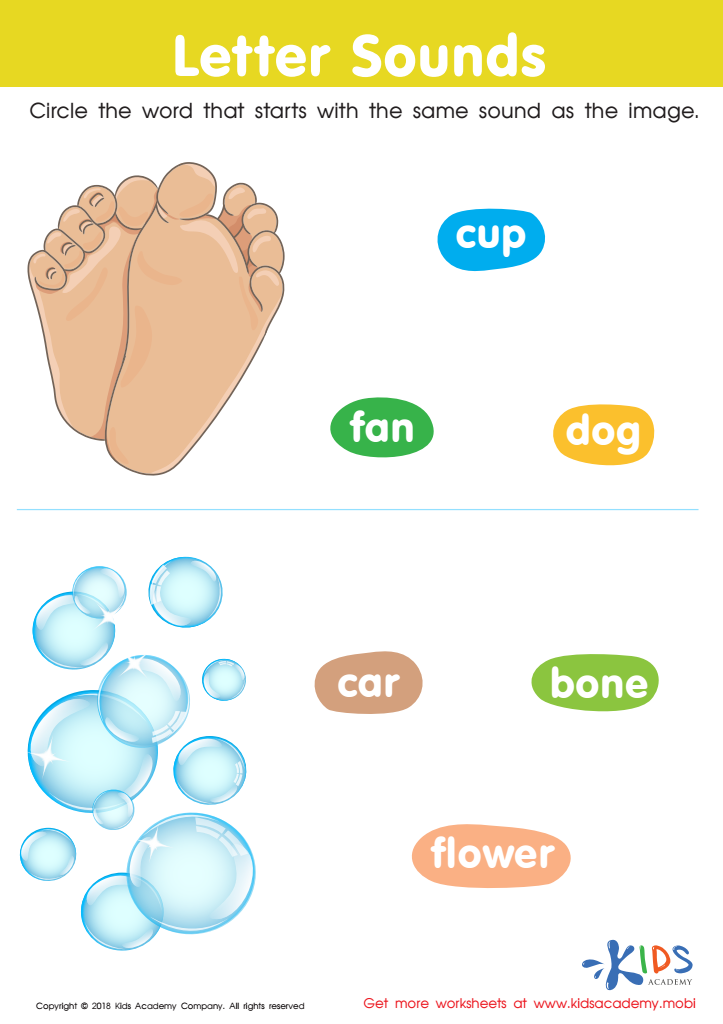
letter sounds Worksheet
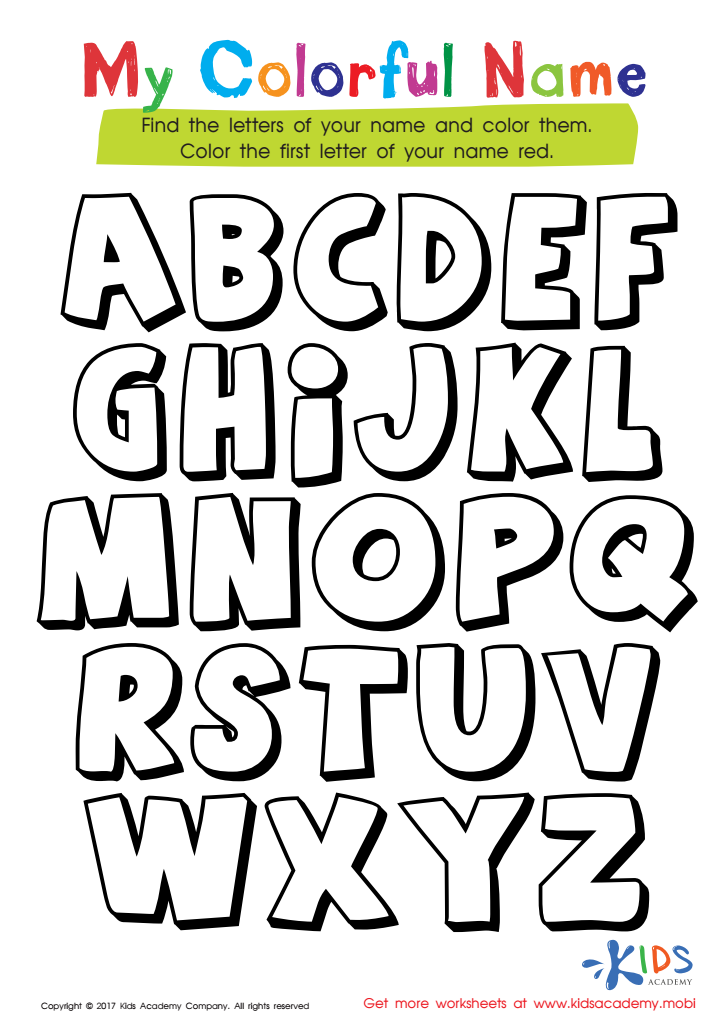
My Colorful Name Worksheet
 Assign to My Students
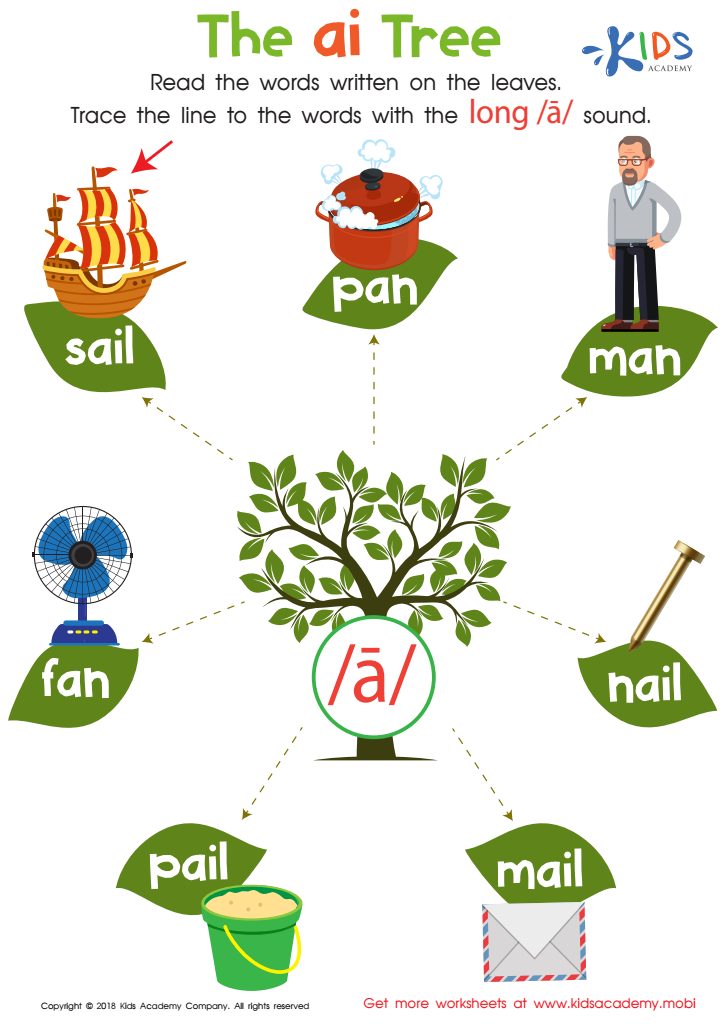
The AI Tree Worksheet
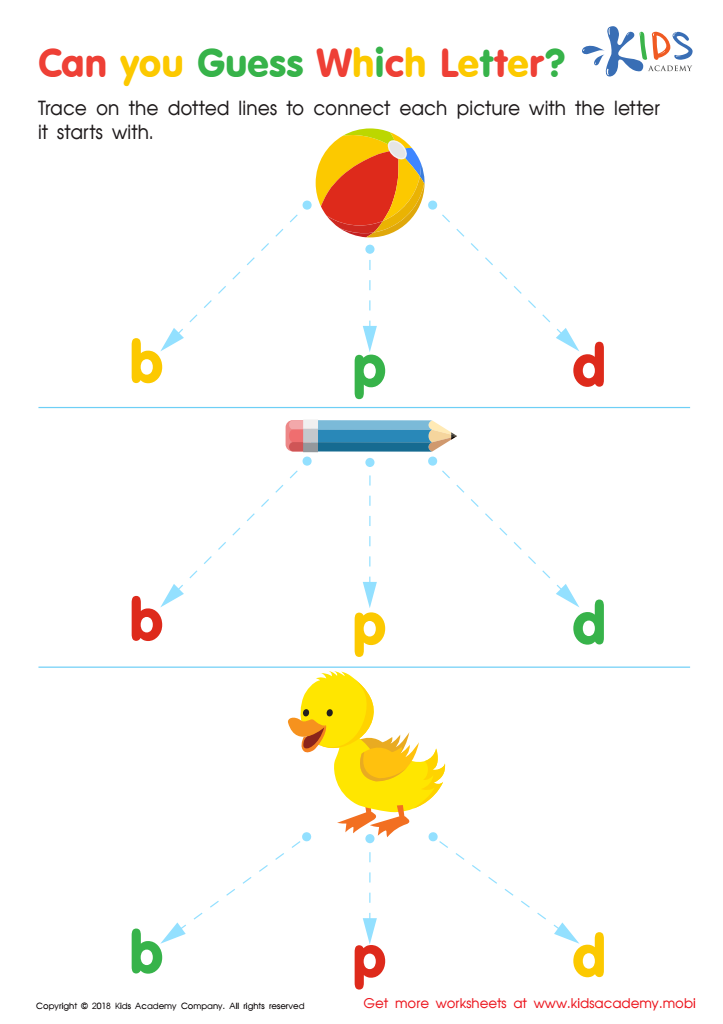
Can you Guess Which Letter? Worksheet
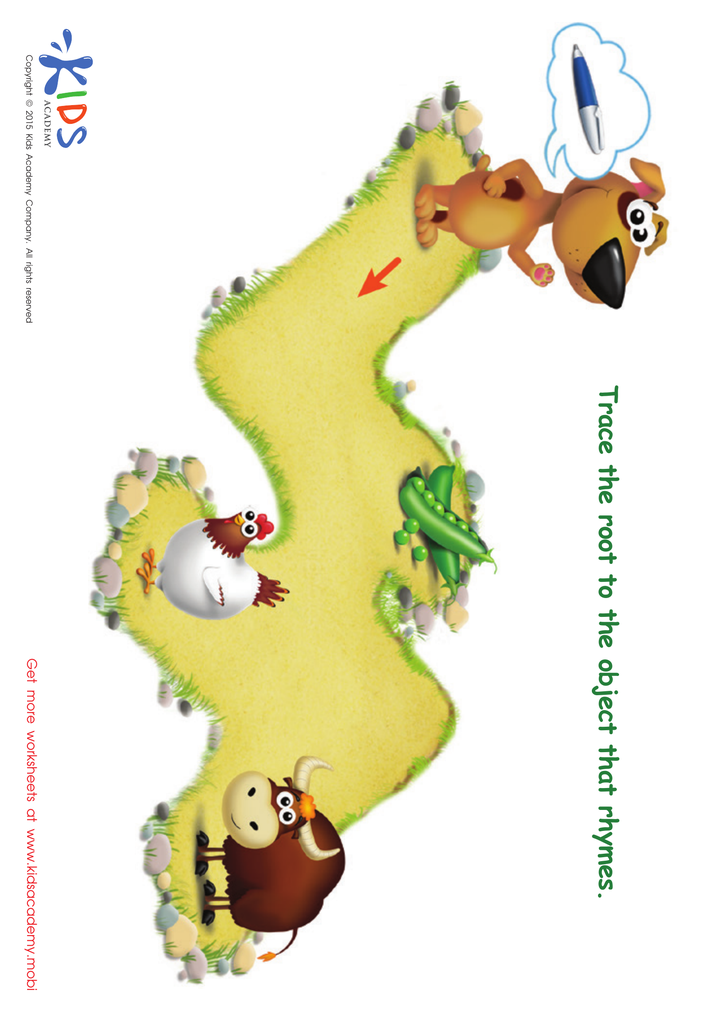
Pen Rhyming Words Worksheet








Alphabet recognition and phonics are fundamental building blocks for early literacy, making them crucial areas of focus for parents and teachers of 6- to 7-year-olds. Alphabet recognition involves effectively identifying both uppercase and lowercase letters and associating each letter with its corresponding sound. Phonics takes this a step further, teaching children to blend these sounds to form words.
For young readers, developing strong alphabet recognition and phonics skills can significantly impact their ability to read fluently and comprehend text, laying a groundwork that supports academic success not only in reading but across all subjects. When a child can quickly recognize letters and understand phonics rules, they can decode new words with increased ease, boosting their confidence and fostering a love for reading.
Moreover, a solid grasp of phonics allows children to spell more accurately, expand their vocabulary, and understand the nuances of different word forms. For parents and teachers, emphasizing these skills helps close achievement gaps early on, offers better support for struggling readers, and provides lifelong cognitive benefits. Practicing these skills can also be a joint, enjoyable activity between parents and children, thereby strengthening relationships and encouraging a positive attitude toward learning. In essence, focusing on alphabet recognition and phonics is integral for fostering a child's early literacy and long-term educational achievements.







