Color Identification Phonics Worksheets for Ages 6-7
4 filtered results
-
From - To
Explore our engaging Color Identification Phonics Worksheets designed for children ages 6-7! These worksheets seamlessly blend color recognition with phonics skills, fostering a dynamic learning experience. Ideal for early grade teachers and parents, the activities promote creativity and enhance vocabulary through vibrant visuals and fun exercises. Each worksheet guides young learners to identify colors while practicing their phonetic sounds, ensuring a comprehensive approach to literacy development. Perfect for classroom use or at-home learning, these resources empower kids to build confidence in their reading skills. Get started today and watch your child's love for learning flourish through colors and sounds!
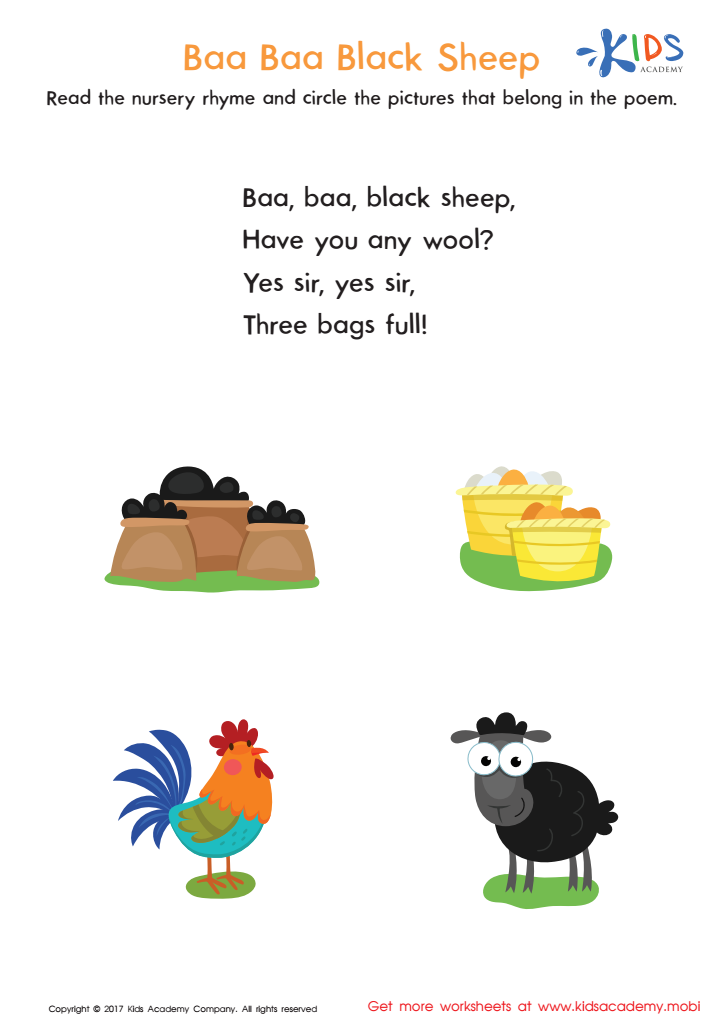
Baa Baa Black Sheep Printable
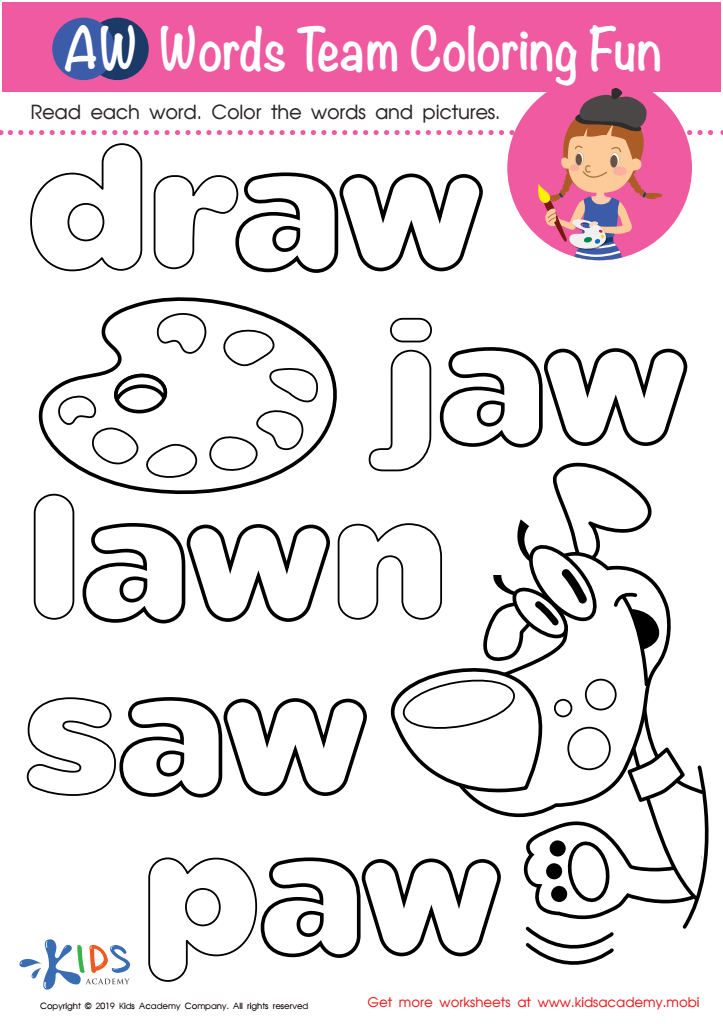
AW Words Team Coloring Fun Worksheet
 Assign to My Students
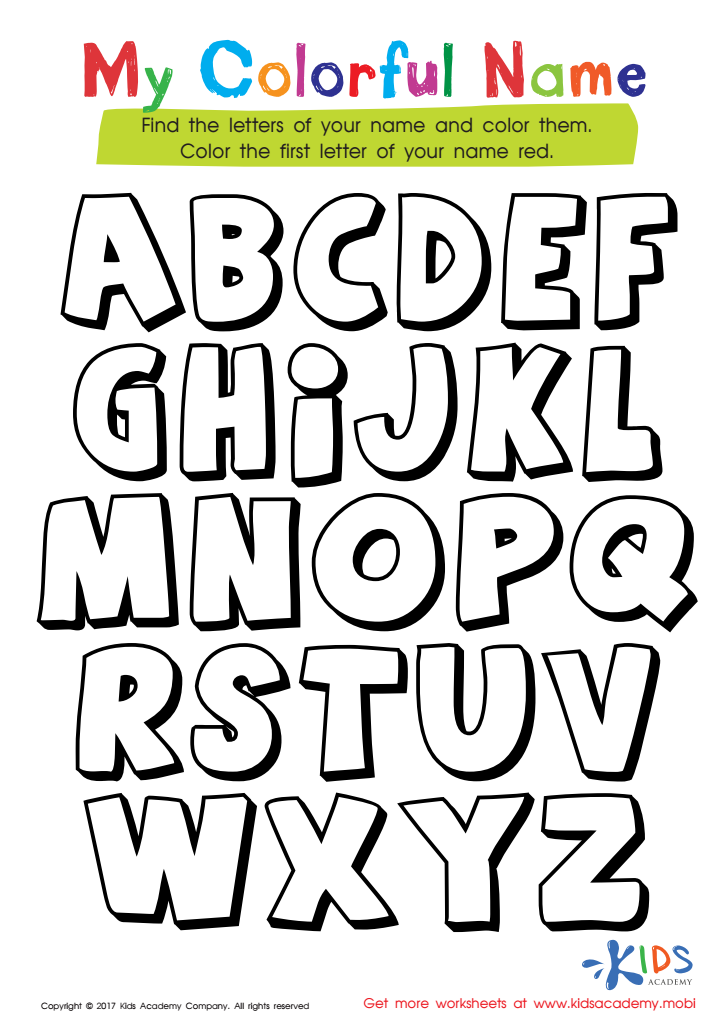
My Colorful Name Worksheet
Assign to My Students
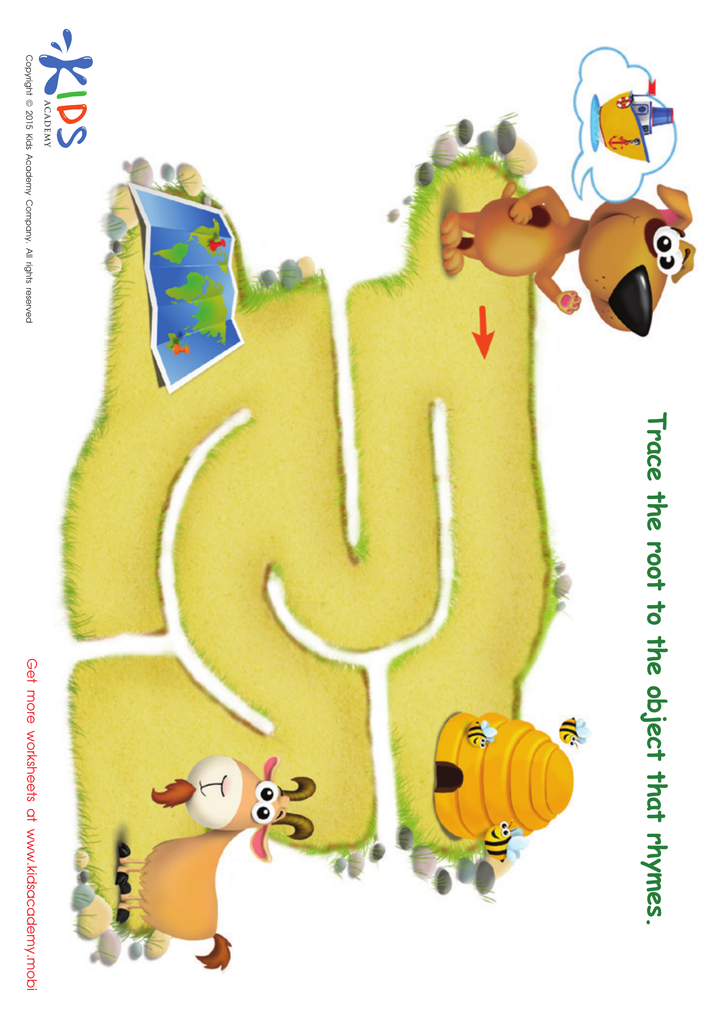
Boat Rhyming Words Worksheet








Color Identification Phonics is an essential learning tool for children ages 6-7, combining sensory engagement with cognitive development. At this age, children are not only developing their reading skills but also expanding their understanding of colors and their associations. Parents and teachers should care about this integrated approach for several reasons.
Firstly, color identification enhances visual discrimination, which is a critical skill for early literacy. When children associate sounds with colors, it creates a memorable and multimodal learning experience, reinforcing phonemic awareness. This correlation aids in retention and reinforces the connection between words and symbols.
Secondly, learning colors in conjunction with phonics helps children find patterns, which is crucial for decoding words. Engaging with colors can make learning fun and effective, reducing frustration that may come with traditional phonics instruction.
Furthermore, teaching through colors promotes inclusivity, catering to various learning styles, particularly visual learners. Encouraging play-based learning can foster a positive attitude toward education, turning potentially mundane phonics drilling into an enjoyable activity.
Ultimately, Color Identification Phonics can lead to enhanced literacy skills, greater student engagement, and a solid foundation for future learning. Supporting these methods in early education can significantly impact children's academic success and love for learning.







