Visual discrimination skills Upper & Lowercase Letters Worksheets for Ages 6-7
4 filtered results
-
From - To
Enhance your child's learning journey with our Visual Discrimination Skills Upper & Lowercase Letters Worksheets, designed for ages 6-7. These engaging worksheets help young learners distinguish between upper and lowercase letters, boosting their reading and writing proficiency. Perfect for classroom or home use, they offer fun, interactive exercises that promote visual discrimination skills, vital for academic success. Each worksheet provides a blend of stimulating activities that keep kids interested as they improve their ability to differentiate letter shapes and structures. Invest in your child's literacy foundation with these effective and educational resources today!

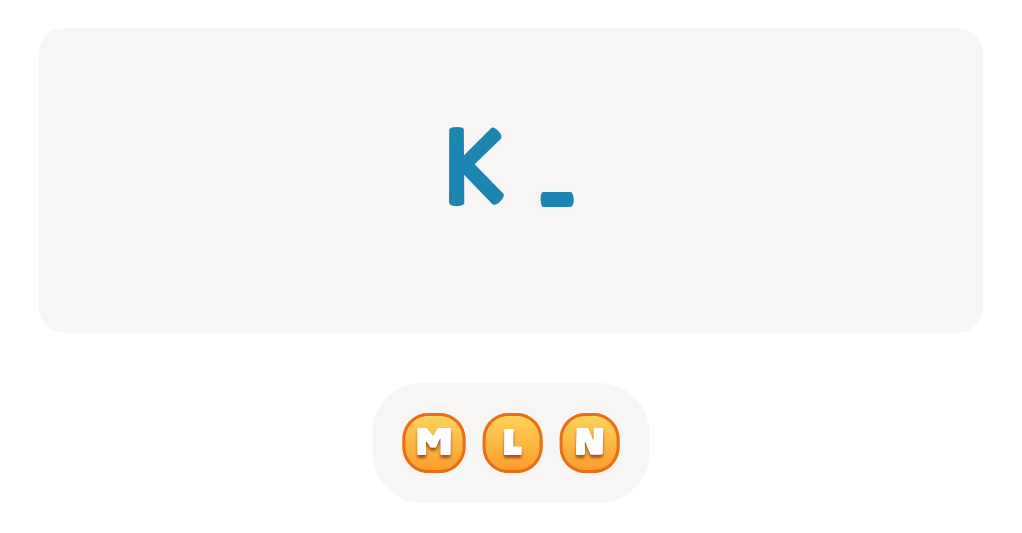
Find Uppercase Letters A, B, and C Worksheet
 Assign to My Students

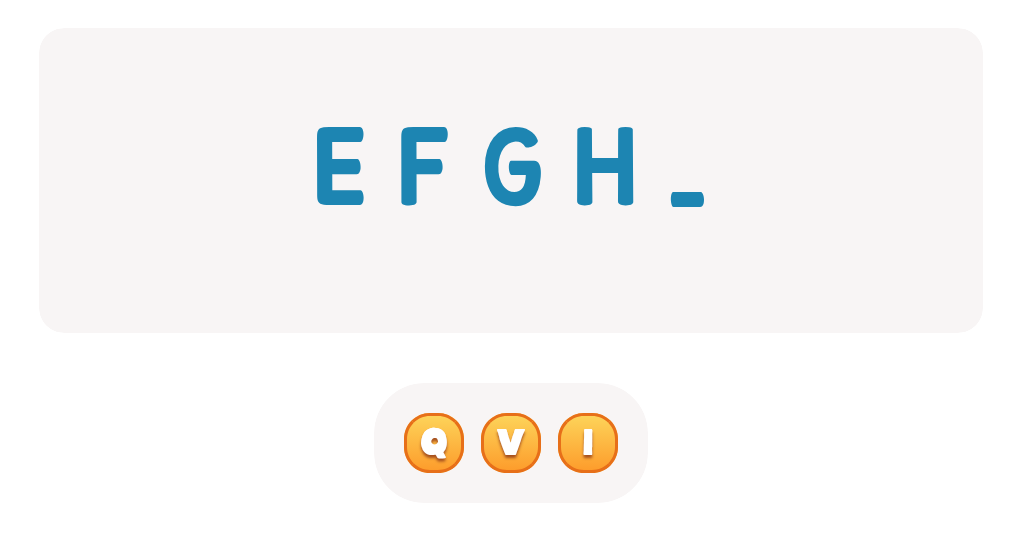
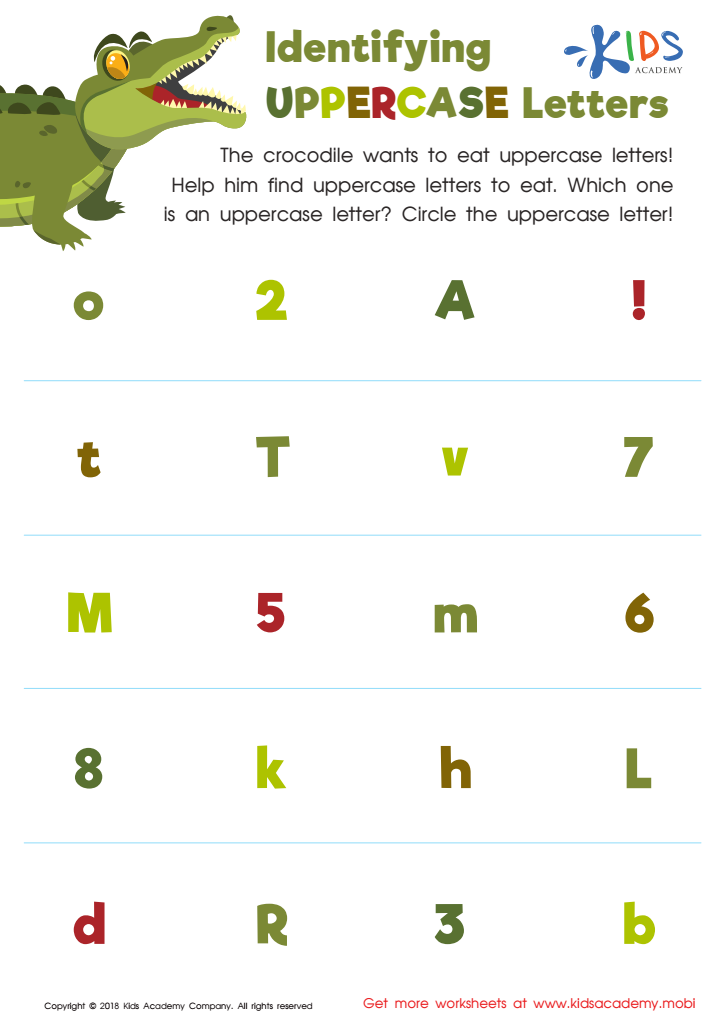
Identifying Uppercase Letters Worksheet

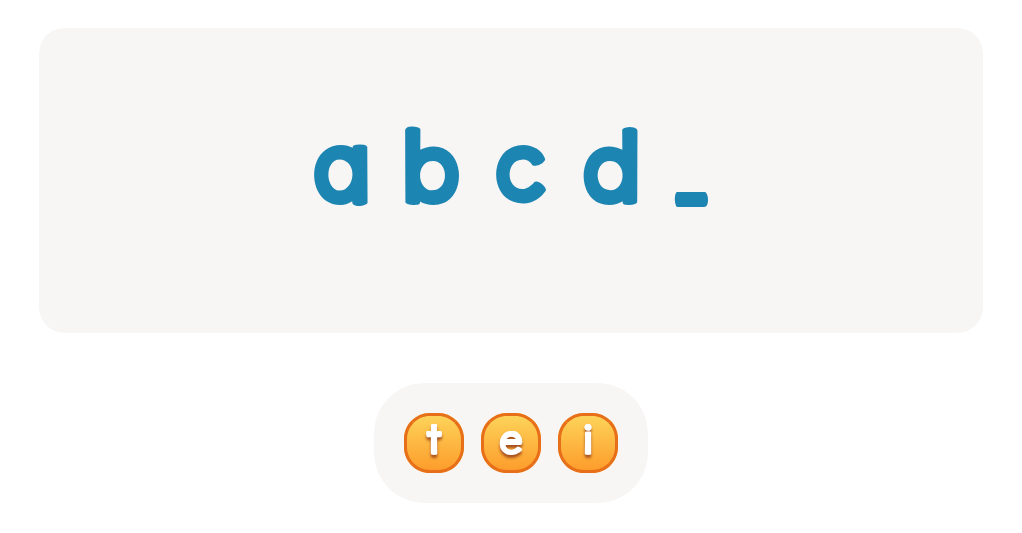
Find lowercase letters a b c Worksheet

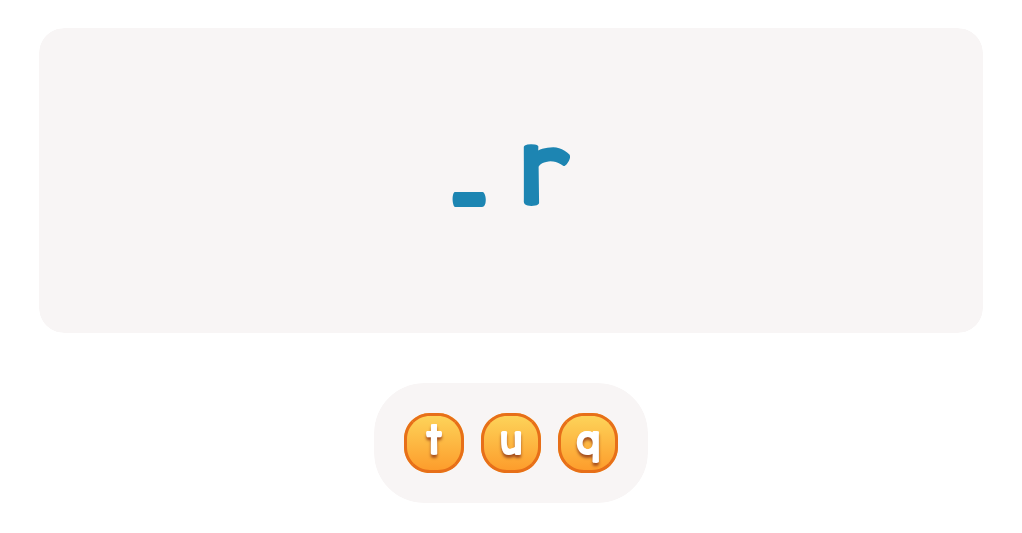
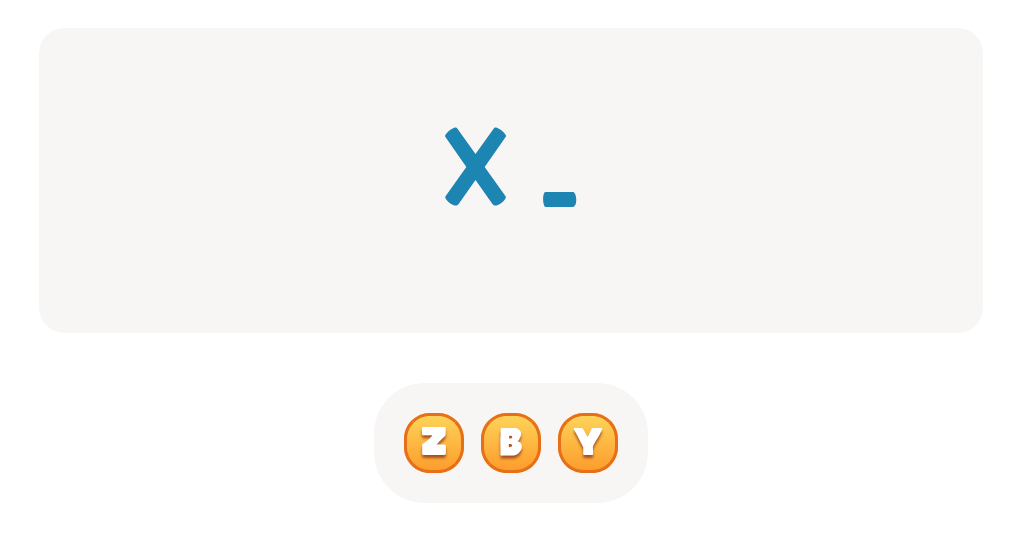
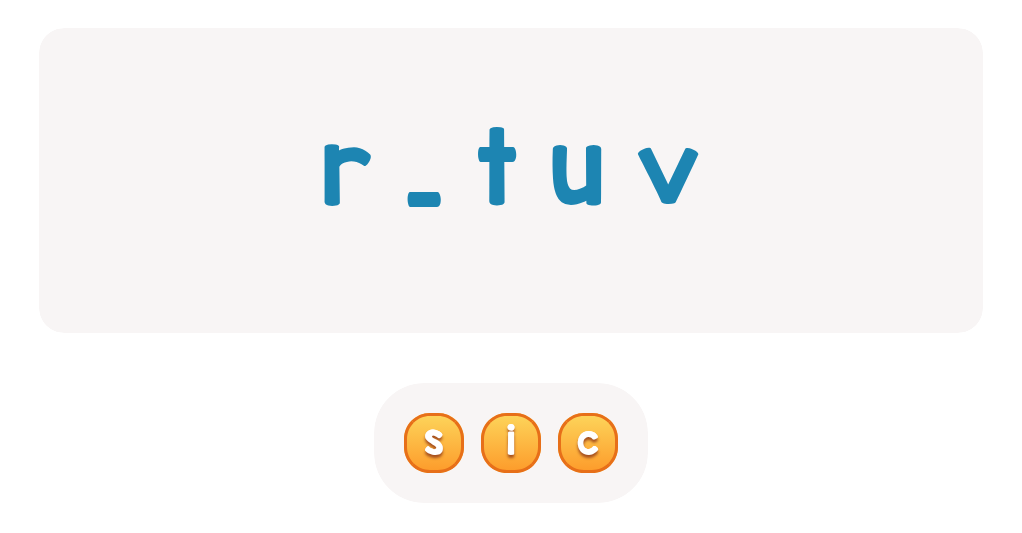
Find Lowercase Letters v w x Worksheet






Parents and teachers should care about visual discrimination skills for uppercase and lowercase letters in children aged 6-7 because these foundational abilities are critical for reading and writing development. Visual discrimination, the ability to differentiate between distinct letter shapes, is key to recognizing words, understanding text, and effective communication.
First, visual discrimination ensures that children can tell apart letters that look similar, such as 'b' and 'd', or 'p' and 'q'. This is crucial for accurate reading and writing, as confusing these letters can lead to misunderstandings and errors in literacy skills. Early mastery of these skills fosters fluency in reading, allowing children to focus on comprehending the material rather than deciphering individual letters.
Second, uppercase and lowercase letter recognition is essential because written language consistently uses both. Knowing the difference between 'A' and 'a' helps children understand sentence structure, as proper nouns and the beginnings of sentences are capitalized, which contributes to better grammar knowledge and readability.
By prioritizing visual discrimination skills, parents and teachers are setting a foundation for success in all academic areas. Early intervention helps in avoiding future learning difficulties and builds confidence, ensuring a positive attitude toward learning that can last a lifetime. Consequently, visual discrimination in letters is a stepping stone to literacy that empowers children both academically and in day-to-day communication.







