Strategic thinking Chess Worksheets for Ages 6-7
3 filtered results
-
From - To
Nurture your child's blossoming mind with our Strategic Thinking Chess Worksheets for Ages 6-7! Designed to inspire young learners, these engaging and educational worksheets introduce the fundamentals of chess while enhancing their critical thinking and problem-solving skills. Each worksheet offers thoughtfully crafted exercises to stimulate strategic thinking, improving concentration, patience, and planning abilities. Perfect for beginners, our playful and accessible approach helps kids grasp essential chess strategies in a fun, interactive way. Encourage your child to explore the world of chess and develop invaluable cognitive skills that will benefit them for years to come. Get started today!
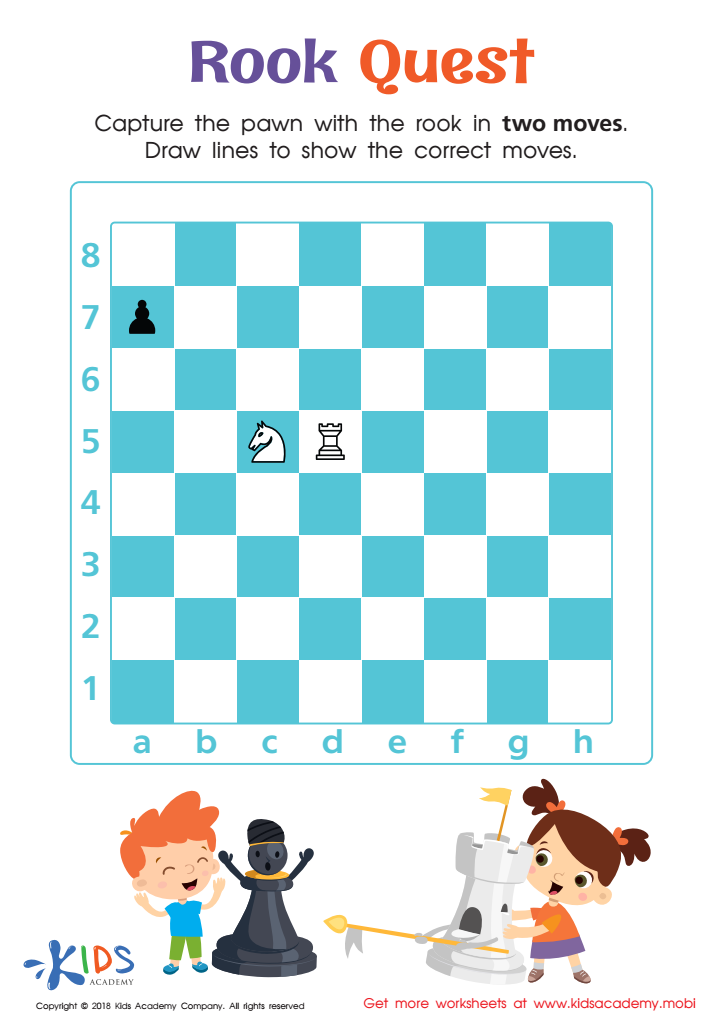
Rook Quest Worksheet
 Assign to My Students
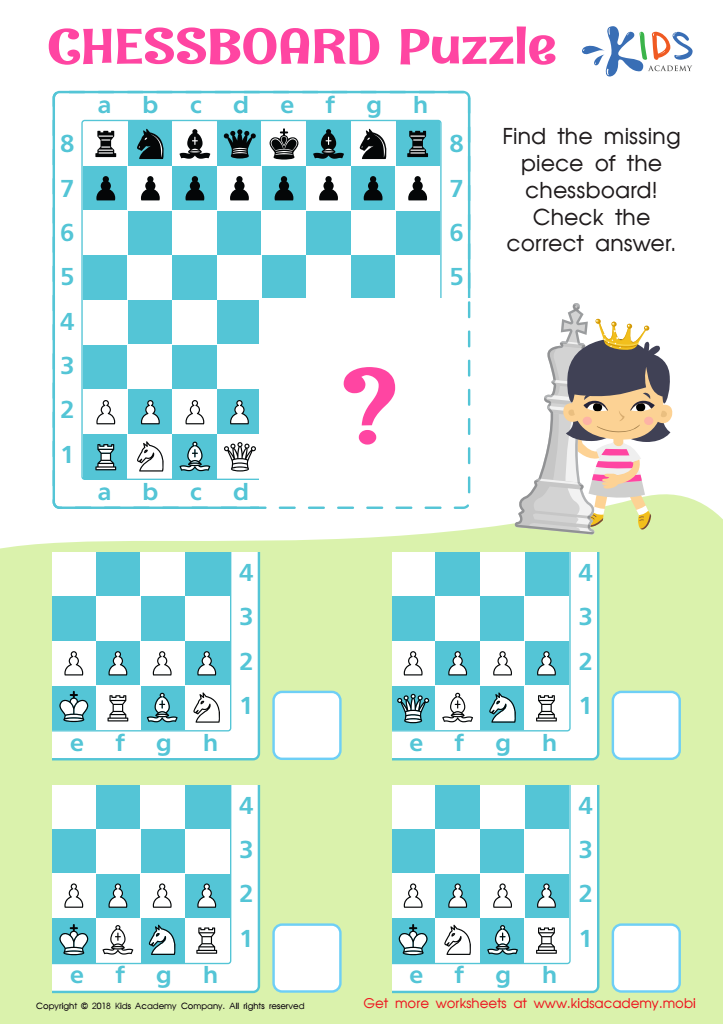
Chessboard Puzzle Worksheet
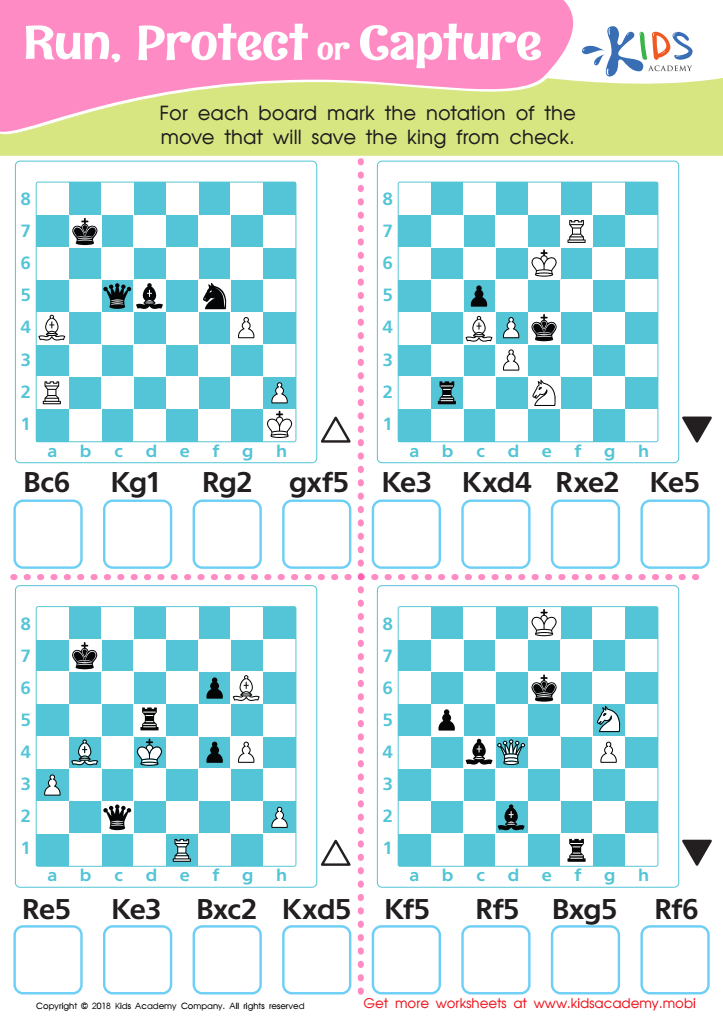
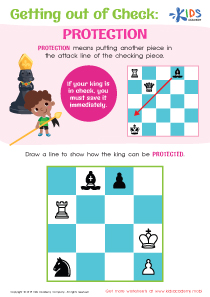
Run, Protect or Capture Worksheet



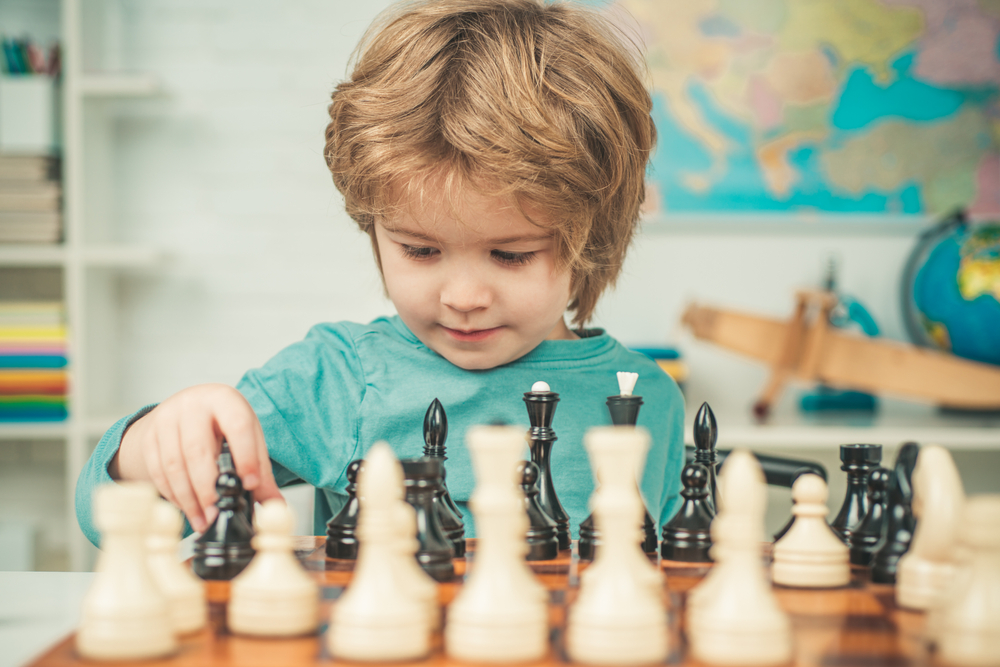


Strategic thinking through chess offers numerous benefits essential for the cognitive and socio-emotional development of 6-7-year-olds. At this critical age, children are rapidly developing their problem-solving skills. Chess encourages this by requiring players to think ahead and anticipate the consequences of their moves. Unlike many instant-reward games, chess demands patience and the foresight to evaluate different strategies, which enhances critical thinking and planning abilities in young minds.
Additionally, chess fosters emotional growth. As children learn to deal with winning and losing, they develop resilience and sportsmanship, key components of emotional intelligence. These experiences teach them that effort and perseverance pay off, even in face of obstacles. Chess also improves concentration and focus, as children must pay attention to their own plans while countering their opponent's moves.
Socially, chess provides a platform for children to interact, communicate, and build relationships based on mutual goal-setting. Even though it's a competitive game, the inherent respect for the opponent promotes positive peer interactions.
Ultimately, incorporating strategic thinking through chess into the curriculum or at home challenges young minds and develops a comprehensive skill set—reasoning, patience, confidence, and interpersonal skills—that benefits their academic and personal lives significantly. Therefore, both parents and teachers should consider chess a valuable tool in nurturing well-rounded development.