Letter recognition English for Beginners Worksheets for Ages 6-7 - Page 2
41 filtered results
-
From - To

Letter V Tracing Page
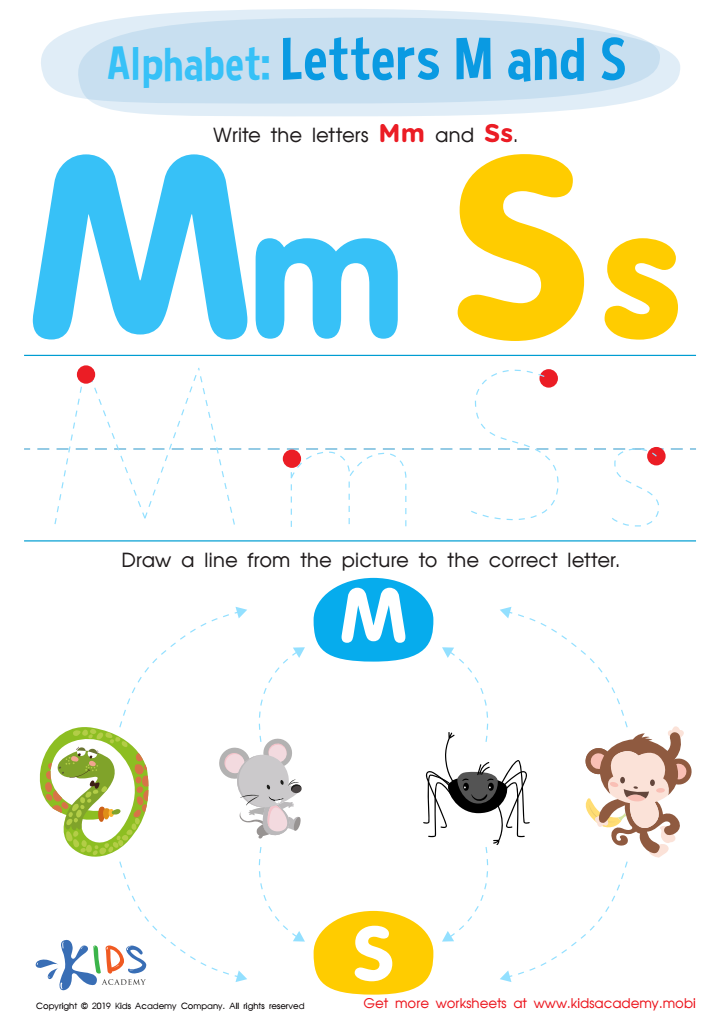
Letters M and S Tracing Worksheet
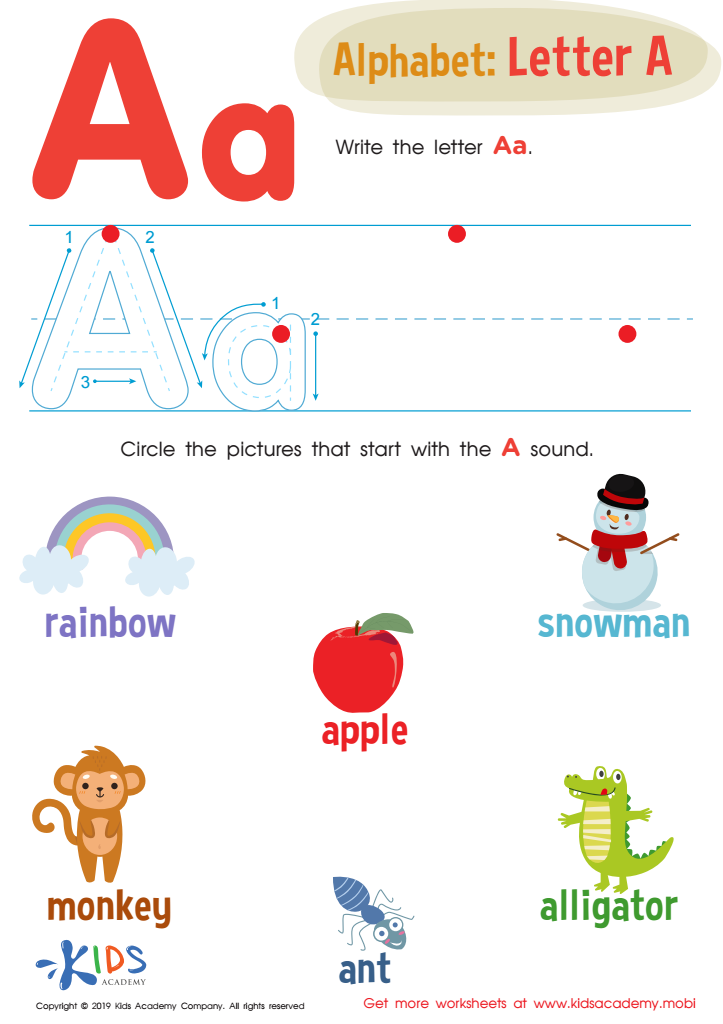
Letter A Tracing Worksheet
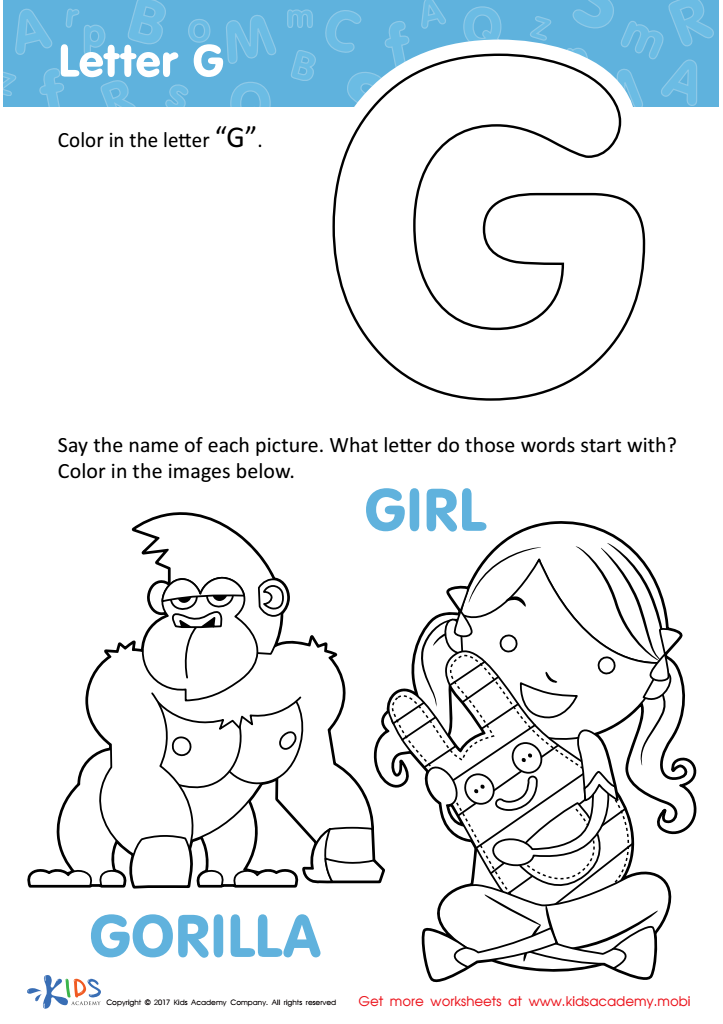
Letter G Coloring Sheet
 Assign to My Students
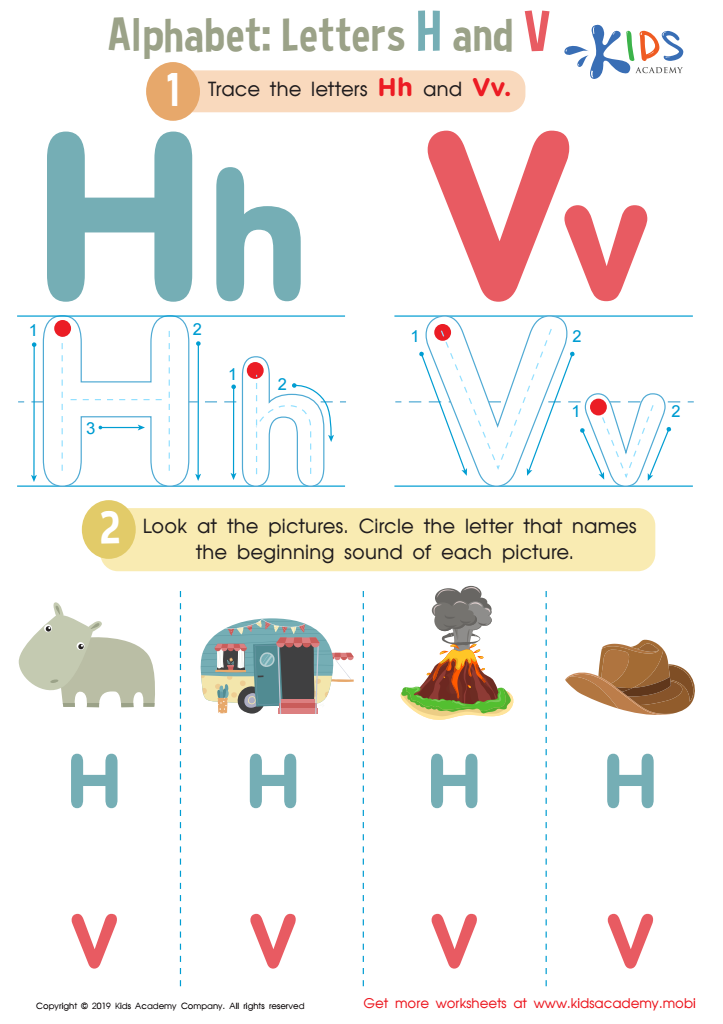
Letters H and V Tracing Worksheet
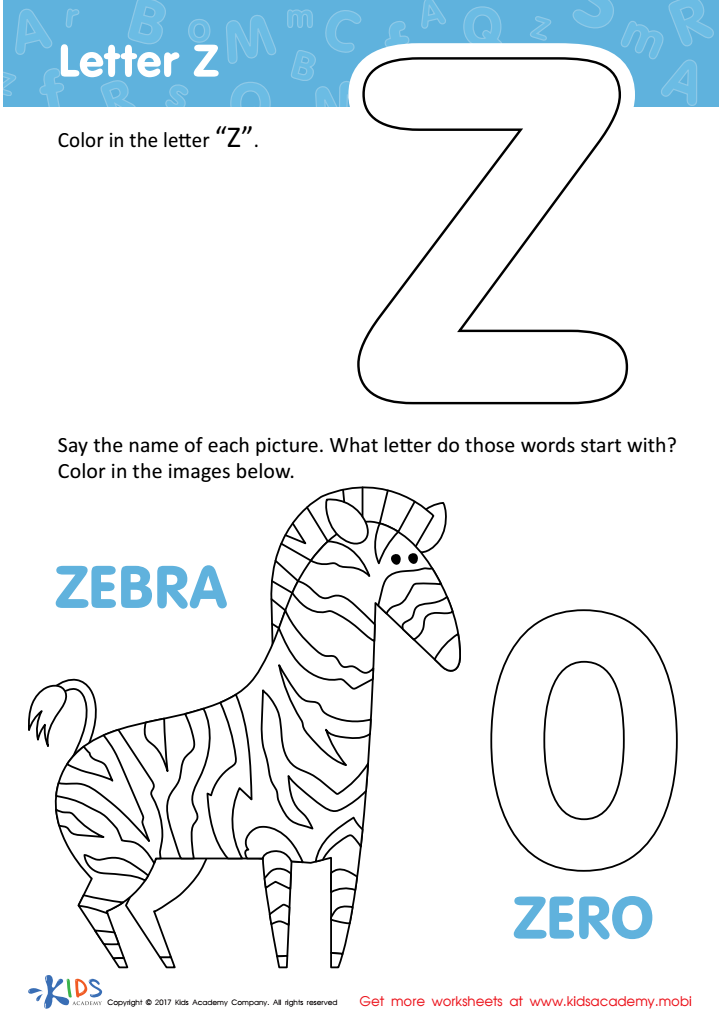
Letter Z Coloring Sheet
Assign to My Students
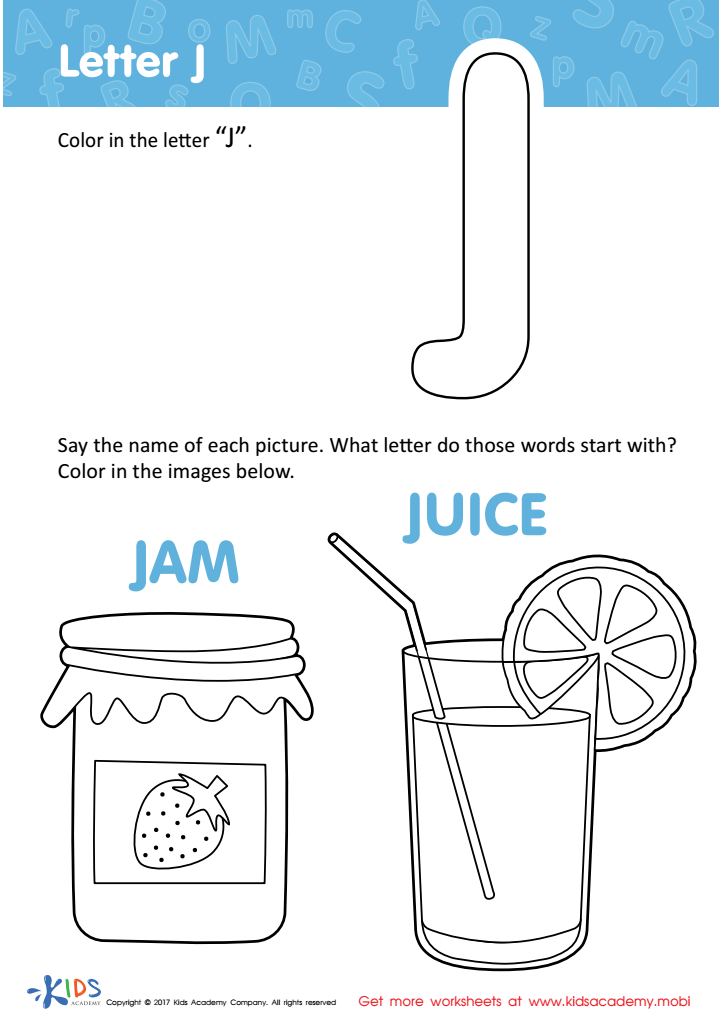
Letter J Coloring Sheet
Assign to My Students
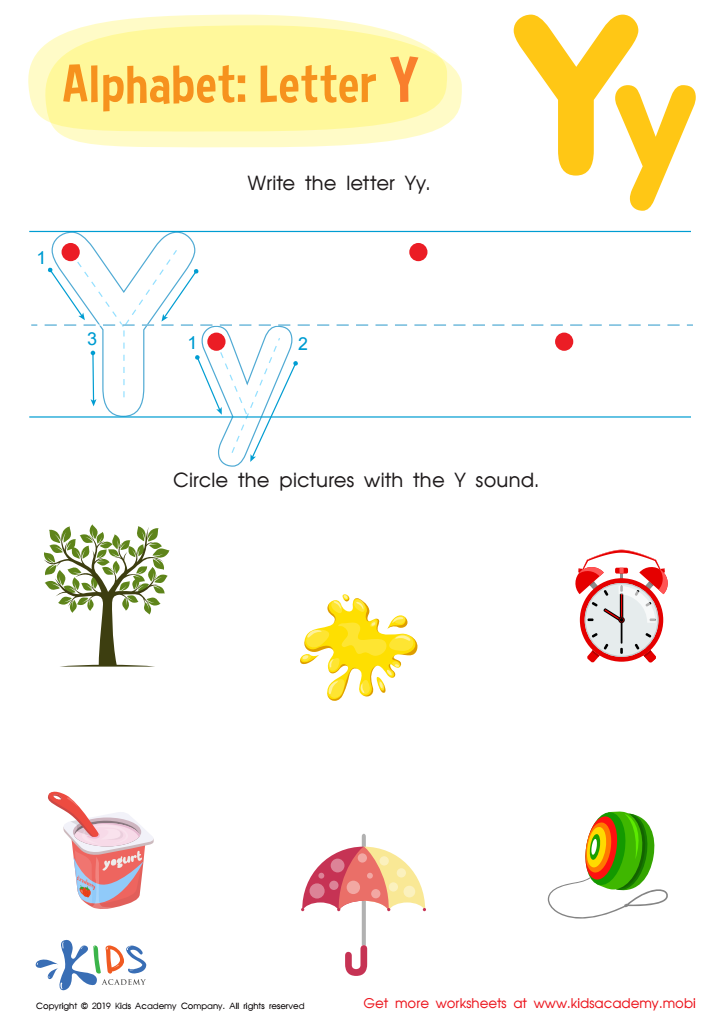
Letter Y Tracing Worksheet
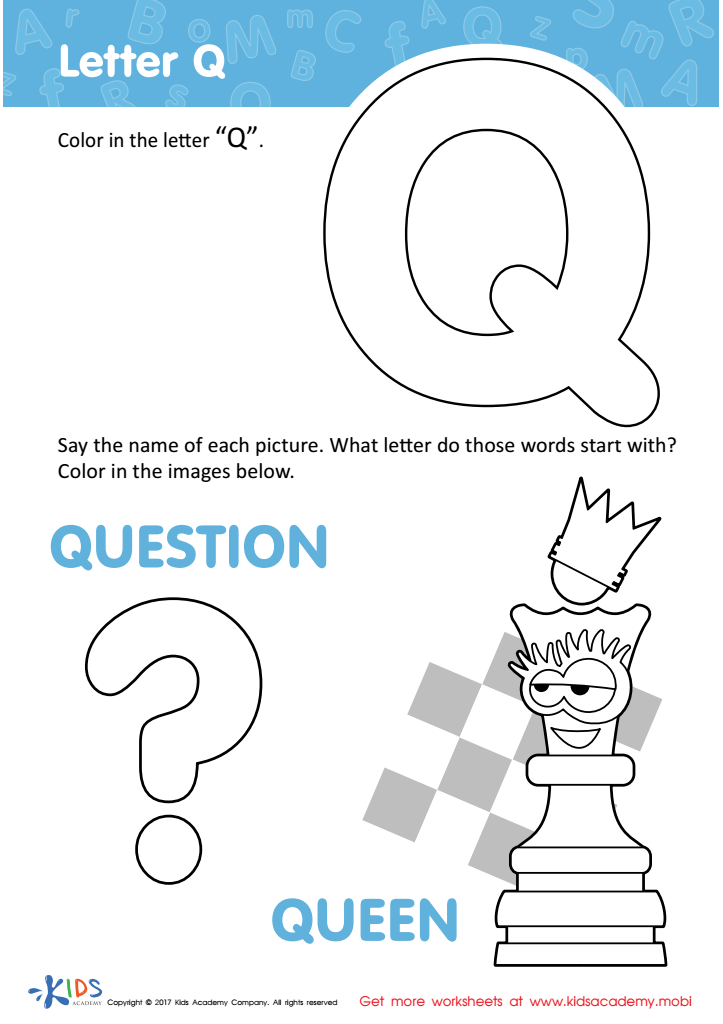
Letter Q Coloring Sheet
Assign to My Students
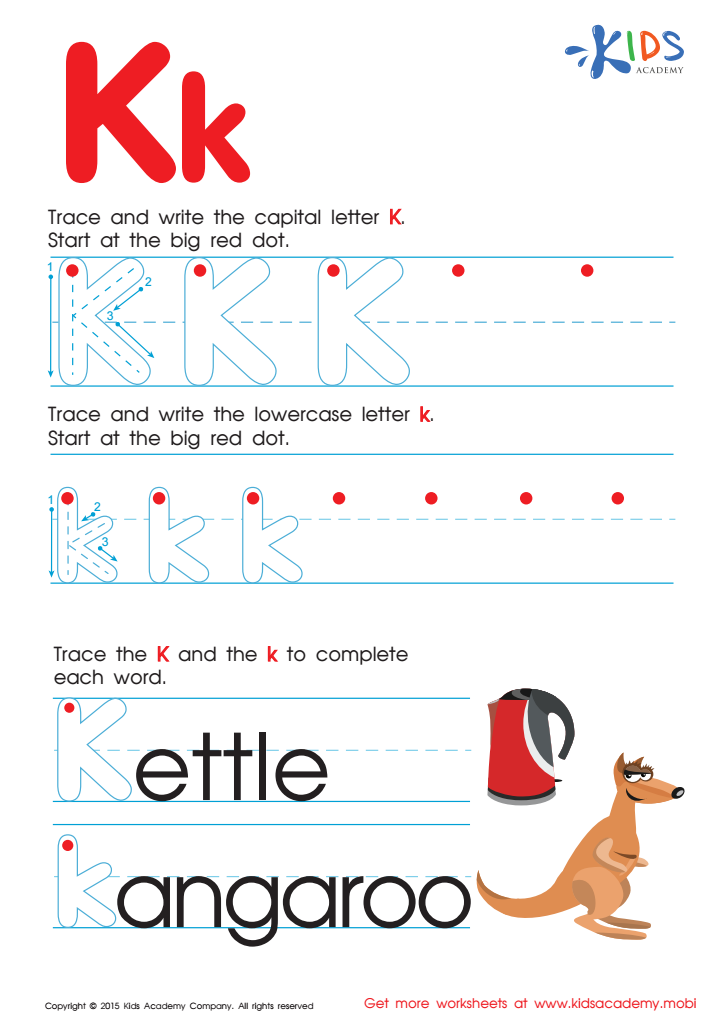
Letter K Tracing Page
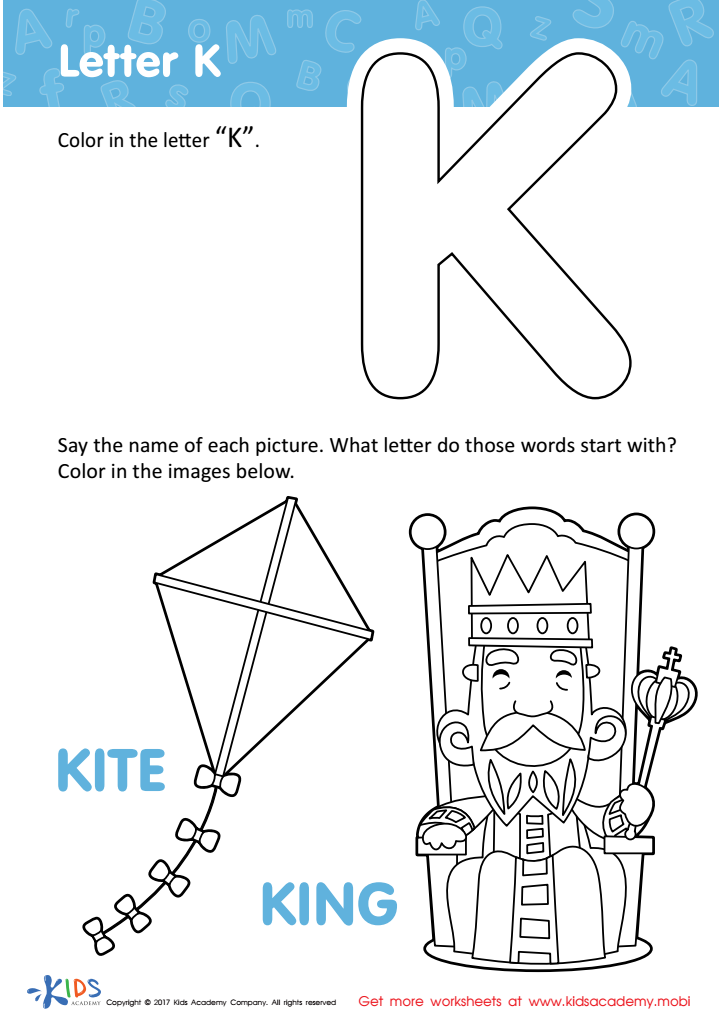
Letter K Coloring Sheet
Assign to My Students
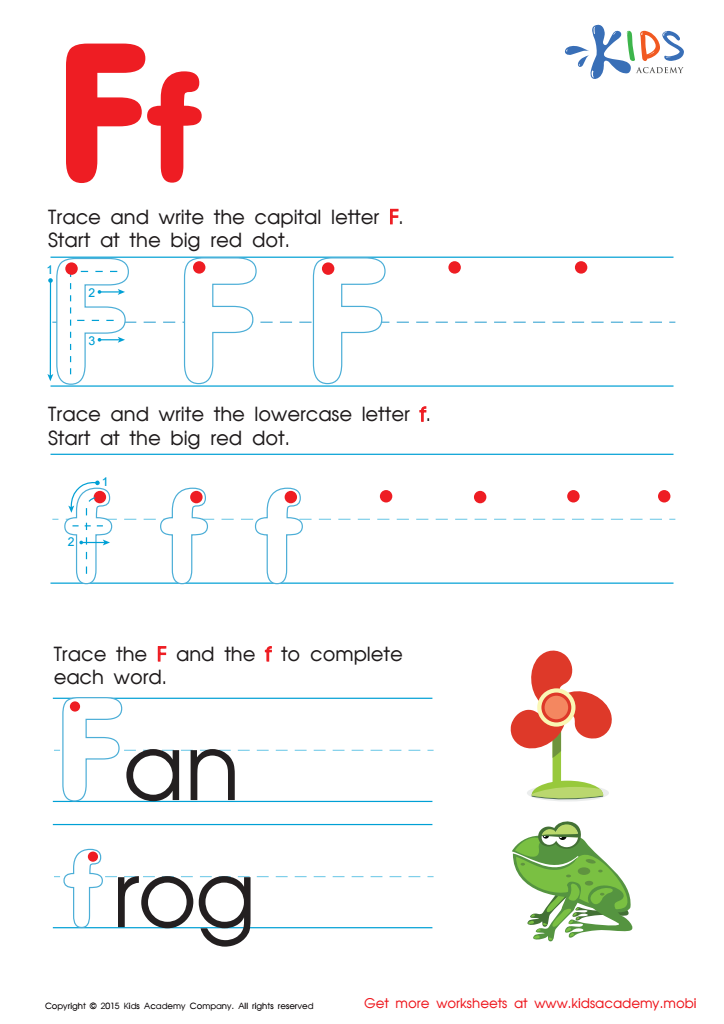
Letter F Tracing Page

Long and Short E Worksheet
Assign to My Students
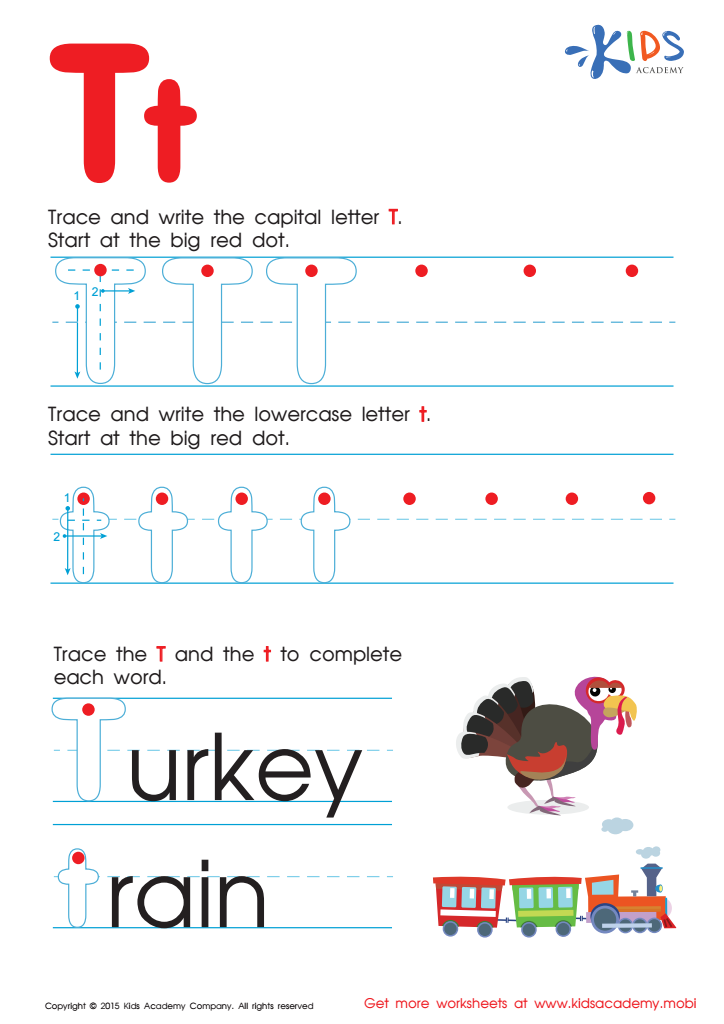
Letter T Tracing Page
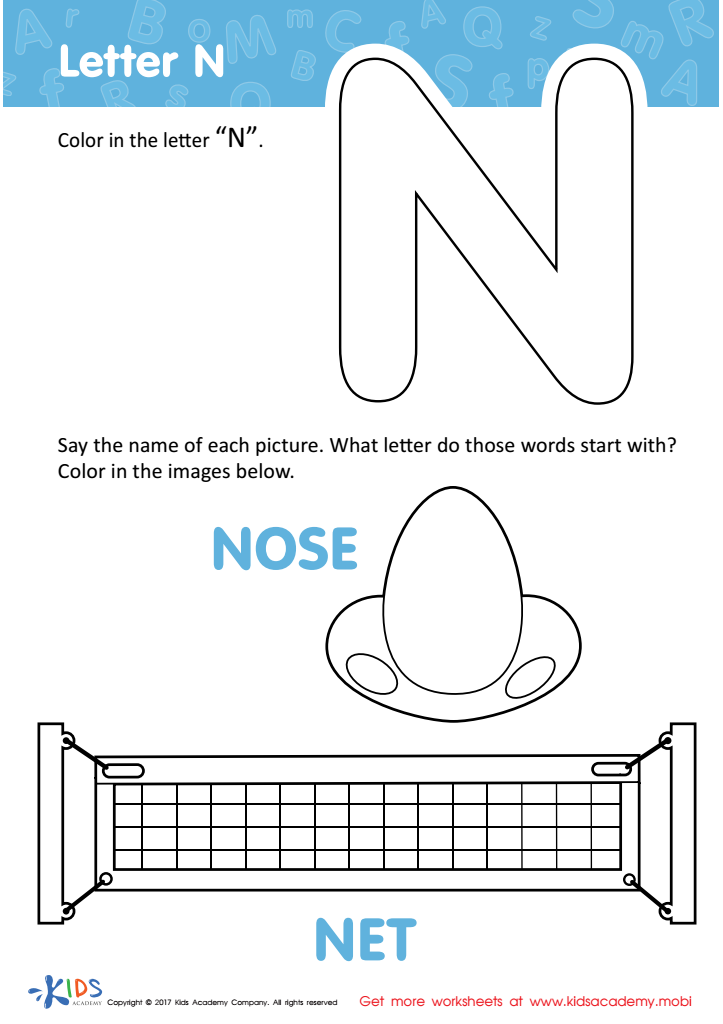
Letter N Coloring Sheet
Assign to My Students
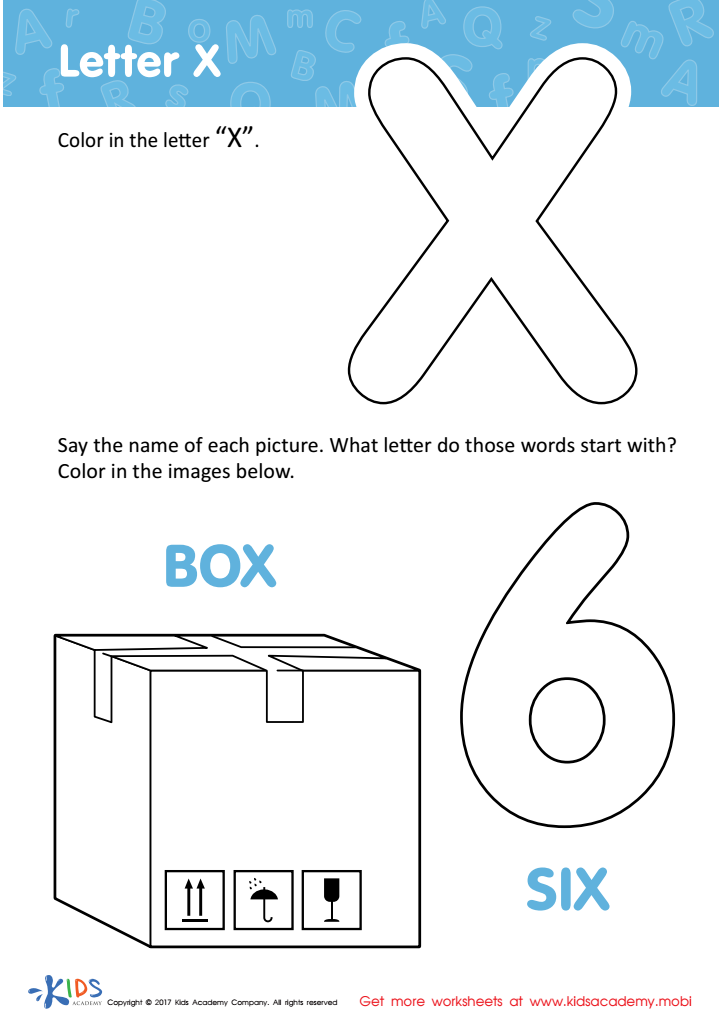
Letter X Coloring Sheet
Assign to My Students

Letter D Tracing Page





Letter recognition is a fundamental skill for young learners aged 6-7, forming the building blocks for successful reading and writing. Parents and teachers should care about this skill because it significantly impacts a child's literacy development. Recognizing letters enables children to decode words, understand phonetics, and enhance their vocabulary. When they can quickly identify letters, it fosters confidence and motivation to read independently.
Moreover, letter recognition is closely linked to overall academic achievement. Proficiency in this area cultivates a strong foundation for mastering more complex literacy skills, leading to better comprehension and communication as they progress through school. It’s essential for fostering a lifelong love of reading, which benefits cognitive development and critical thinking skills.
In the digital age, where attention to written text is paramount, early emphasis on letter recognition supports cognitive growth, focus, and attention to detail. By engaging children in playful, interactive ways—like songs, games, and stories—parents and teachers can create a positive and supportive learning environment. Therefore, promoting letter recognition not only enhances literacy skills but also prepares children for future academic challenges, making it crucial for both parents and educators to invest time and resources into this essential early skill.