Alphabet Learning Worksheets for Ages 6-7
6 filtered results
-
From - To
Discover our engaging Alphabet Learning Worksheets designed specifically for children ages 6-7! These interactive resources provide a fun and effective way for young learners to master their ABCs. Our worksheets include a variety of activities such as letter recognition, tracing, and matching exercises that cater to different learning styles. These tools not only enhance literacy skills but also improve fine motor skills and promote cognitive development. Ideal for classrooms or homeschooling, our worksheets are perfect for encouraging a love of reading and writing in your child. Foster their confidence and ensure a solid foundation in literacy with our thoughtfully crafted worksheets!

Uppercase Letters S, T, and U Worksheet
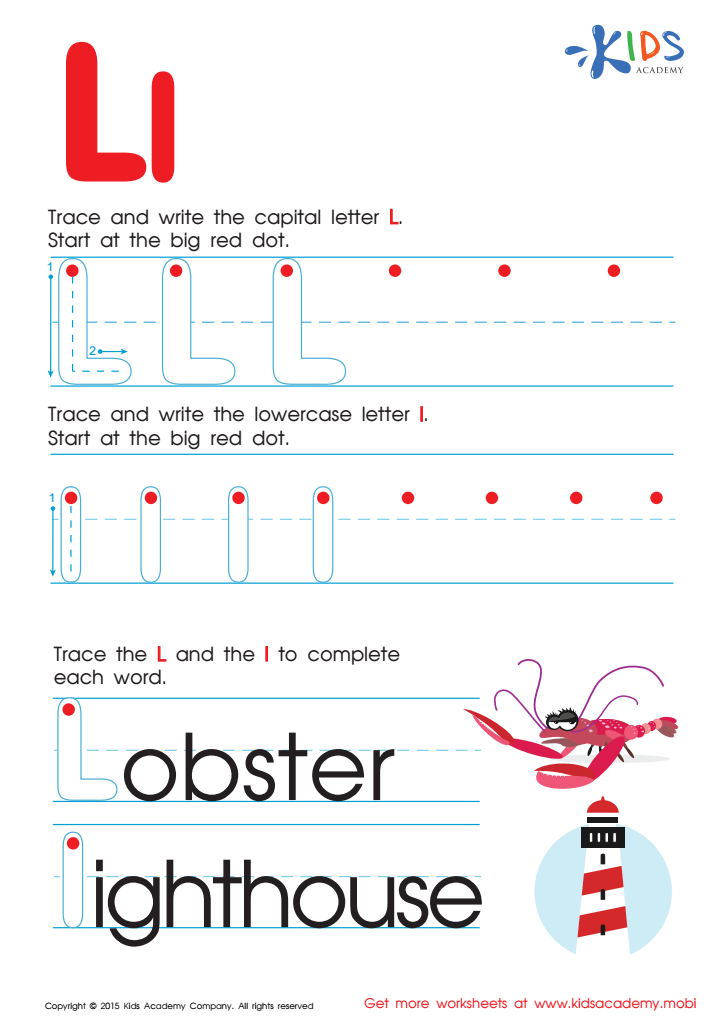
Letter L Tracing Page
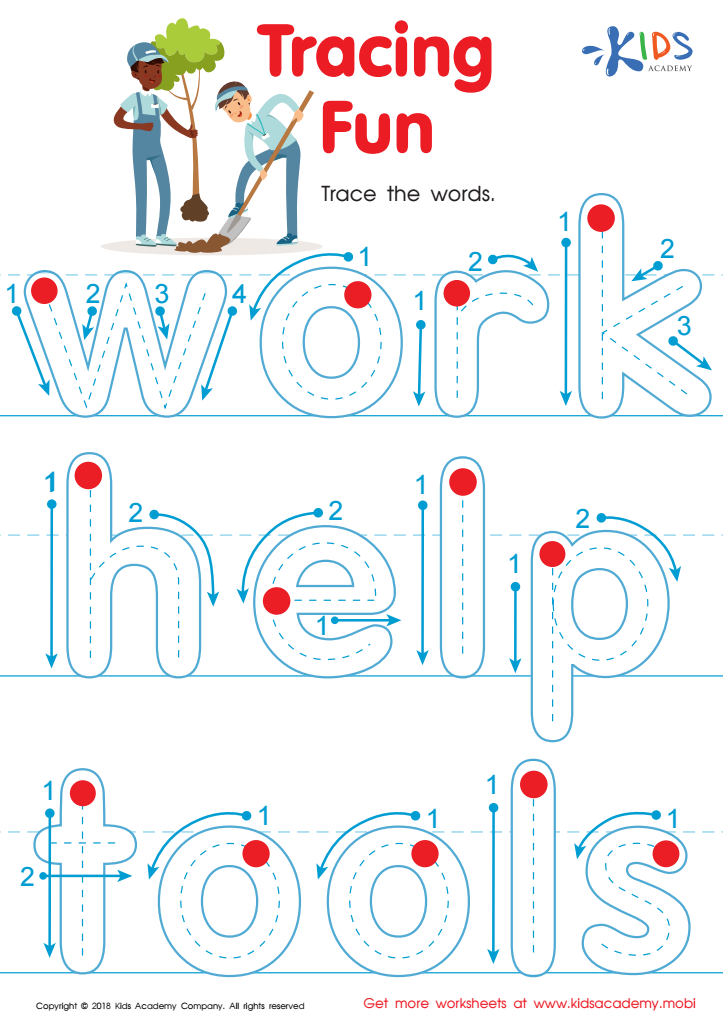
Tracing Fun Worksheet
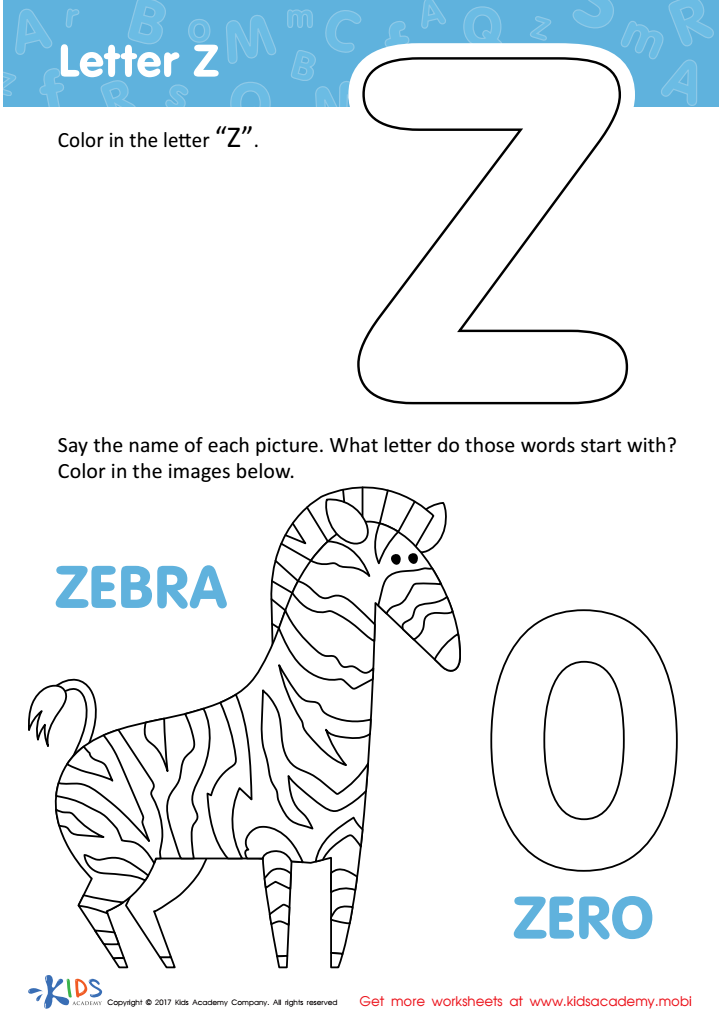
Letter Z Coloring Sheet
 Assign to My Students
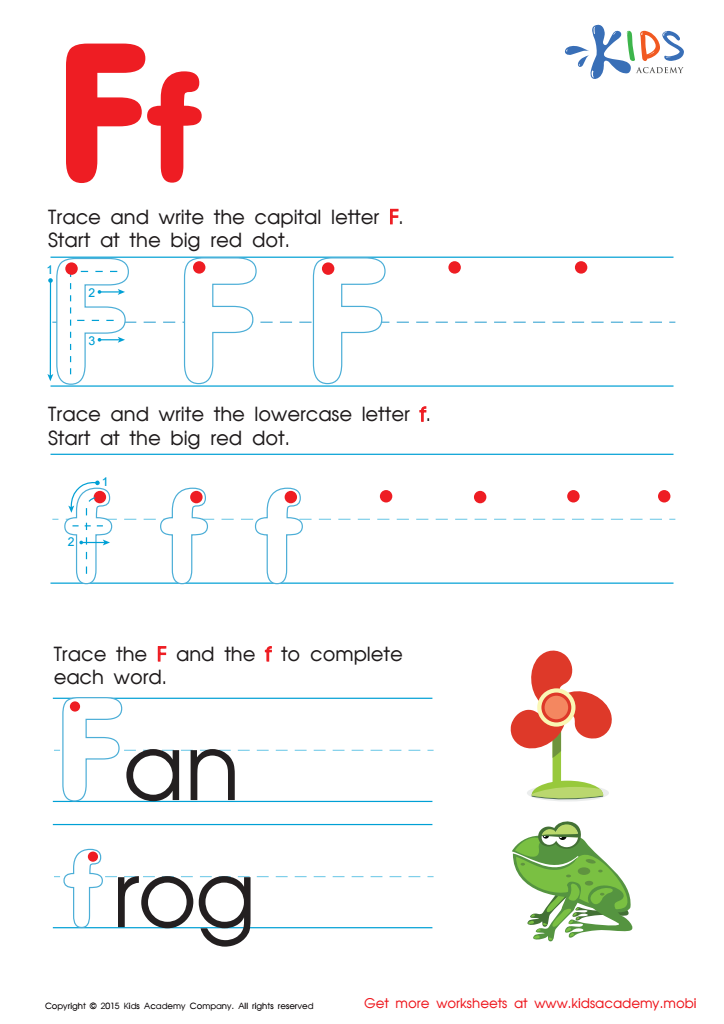
Letter F Tracing Page







Parents and teachers should recognize the importance of alphabet learning for children ages 6-7, as this phase is critical for building foundational literacy skills. At this age, children typically transition from learning letters and sounds to reading simple words and sentences, making a strong grasp of the alphabet essential. Mastering the alphabet enhances phonemic awareness, allowing young learners to decode and spell words, which promotes reading fluency and comprehension.
Moreover, alphabet learning at this stage supports cognitive development, as it encourages children to recognize patterns and make connections between letters and sounds. This cognitive engagement fosters critical thinking and problem-solving skills that are beneficial across subjects.
Additionally, a solid understanding of the alphabet builds confidence in children's reading abilities, encouraging them to explore books and literature, thereby cultivating a lifelong love of reading. Enhanced literacy skills also contribute positively to academic achievement, which can shape future educational opportunities.
Lastly, collaborative efforts between parents and teachers in promoting alphabet learning can strengthen the educational experience, offering children consistent encouragement and resources at home and school. By prioritizing this learning, adults can lay the groundwork for successful literacy development as children advance in their academic journey.








