Alphabet Recognition Worksheets for Ages 6-7 - Page 3
63 filtered results
-
From - To
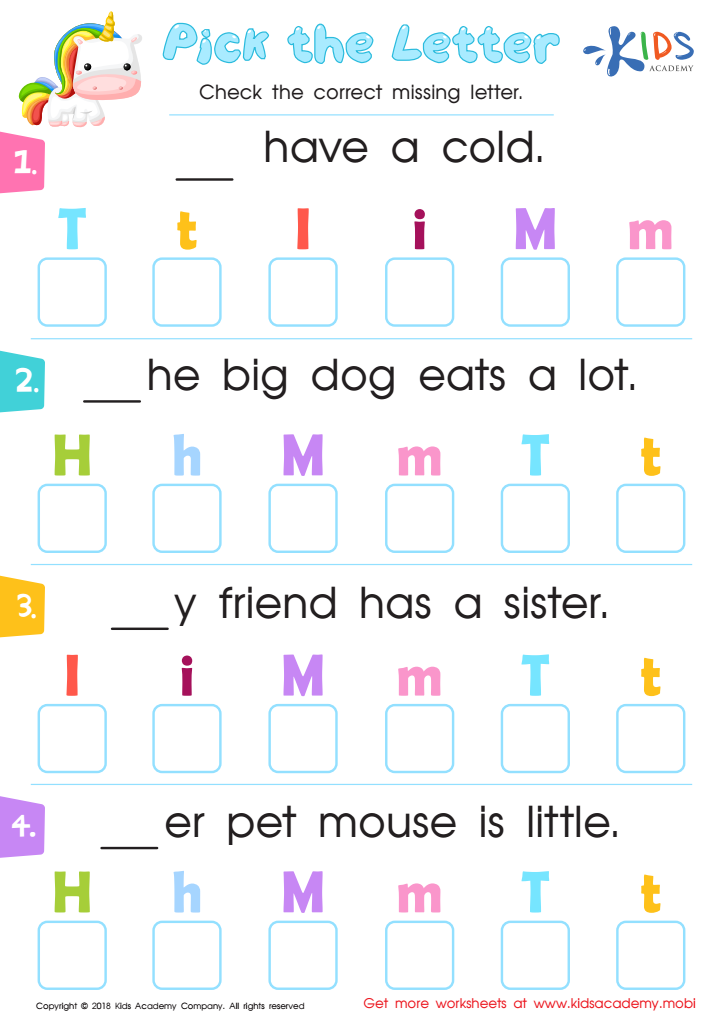
Pick the Letter Worksheet
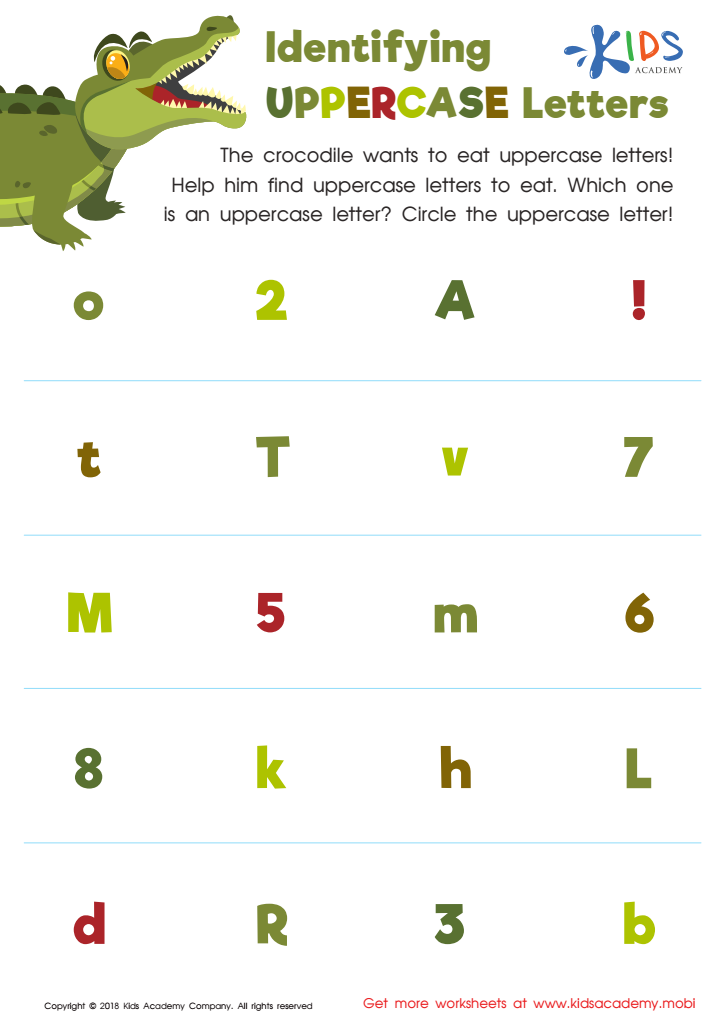
Identifying Uppercase Letters Worksheet
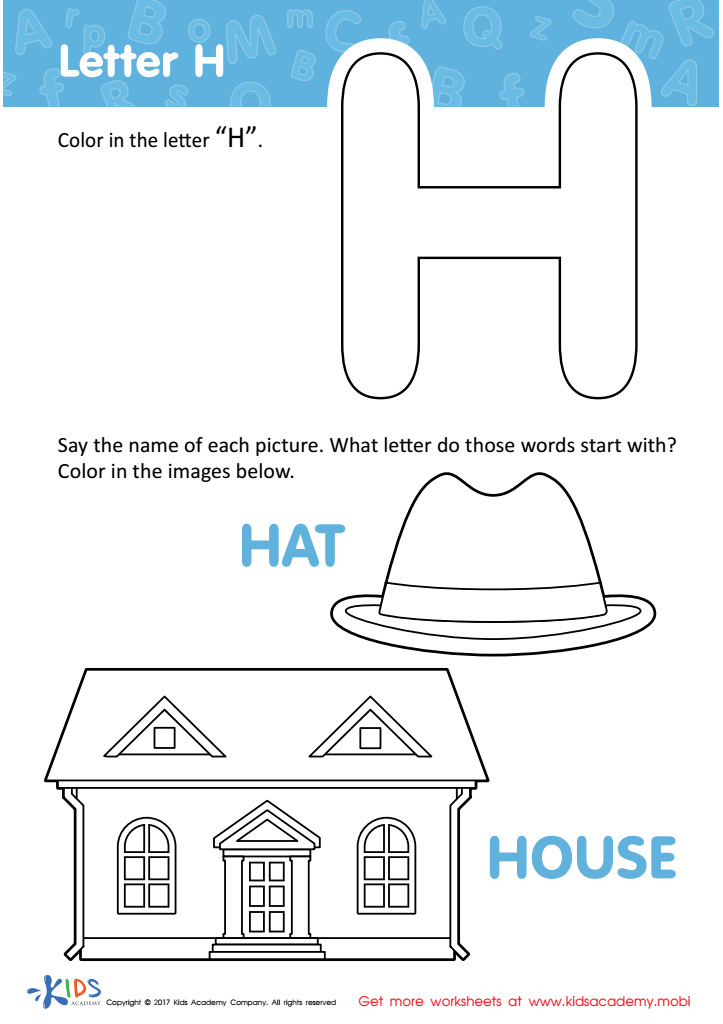
Letter H Coloring Sheet
 Assign to My Students
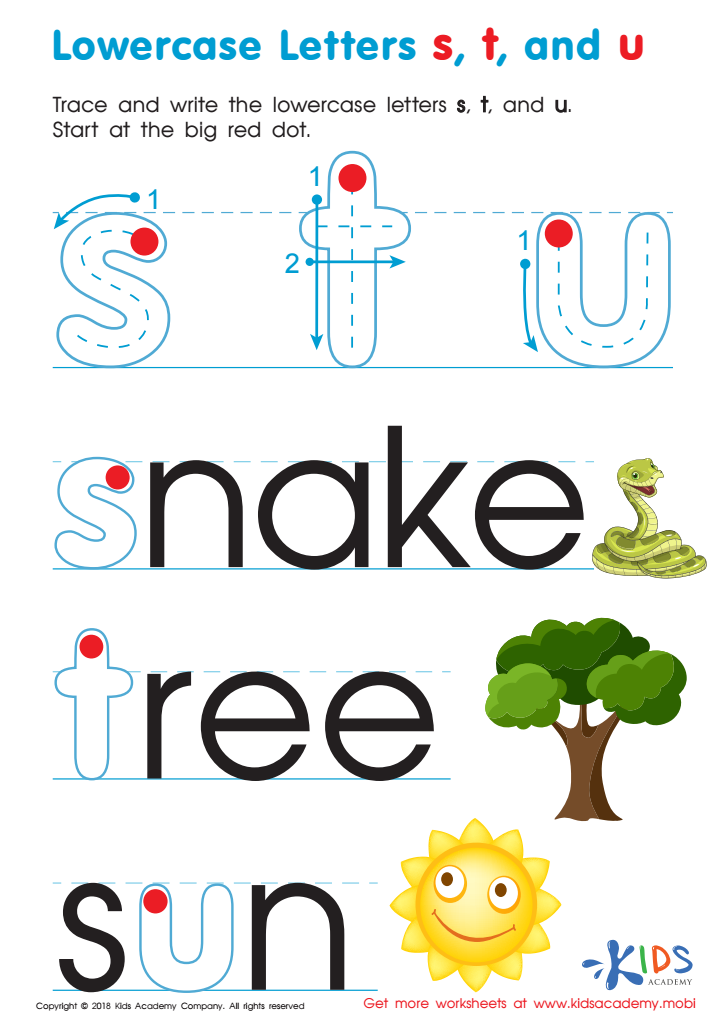
Lowercase Letters s t u Worksheet
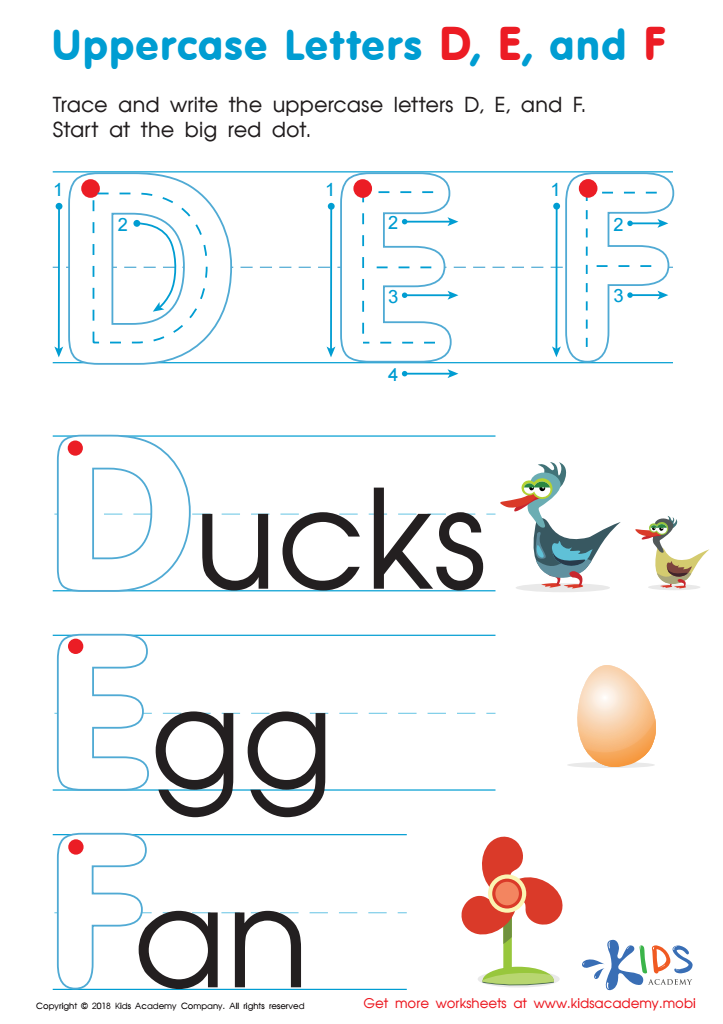
Uppercase Letters D, E, and F Worksheet
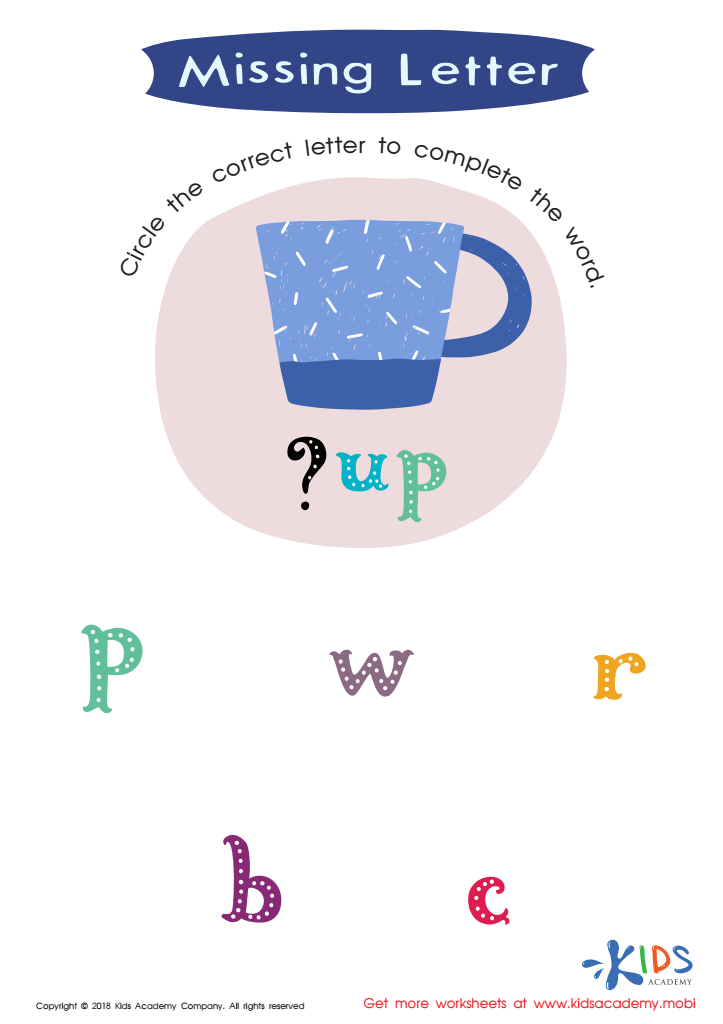
Missing Letter Worksheet
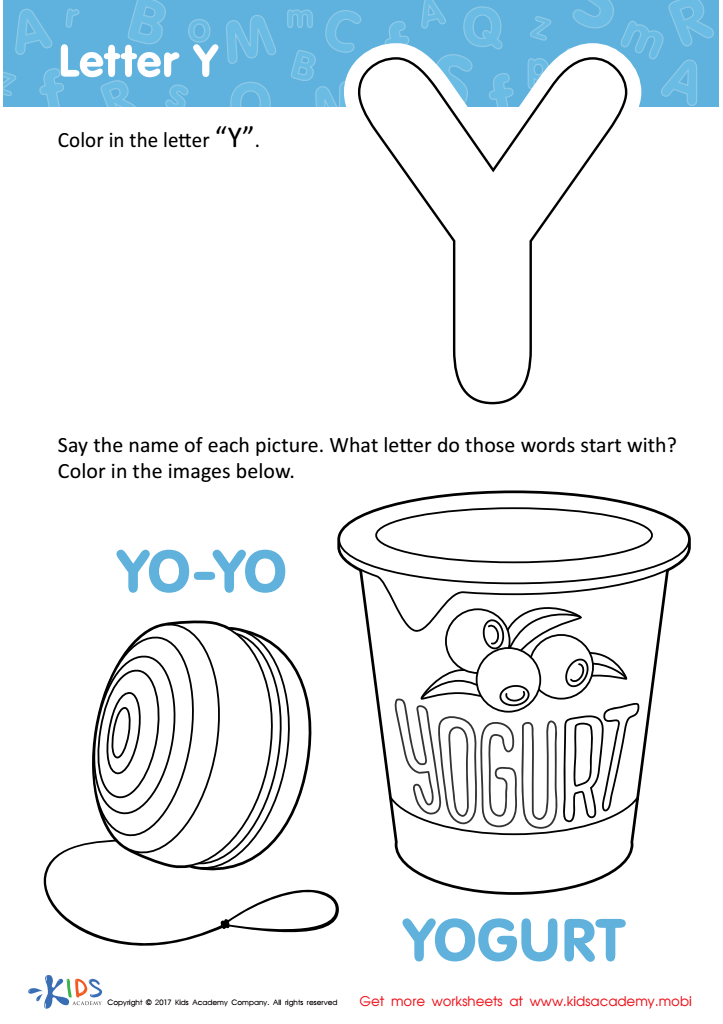
Letter Y Coloring Sheet
Assign to My Students
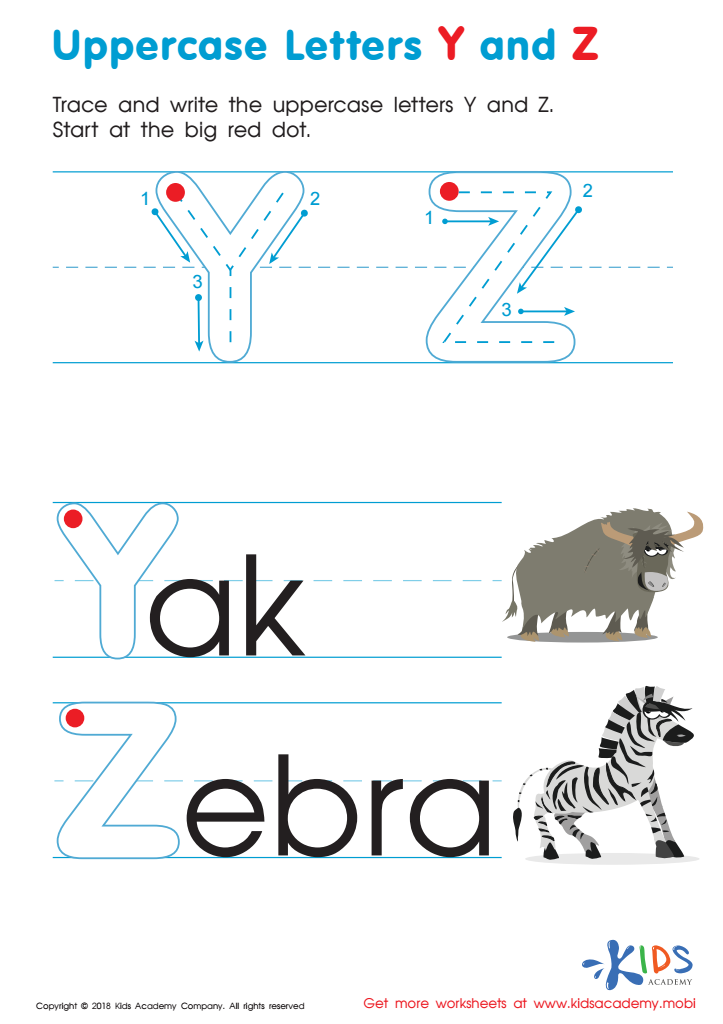
Uppercase Letters Y Z Worksheet
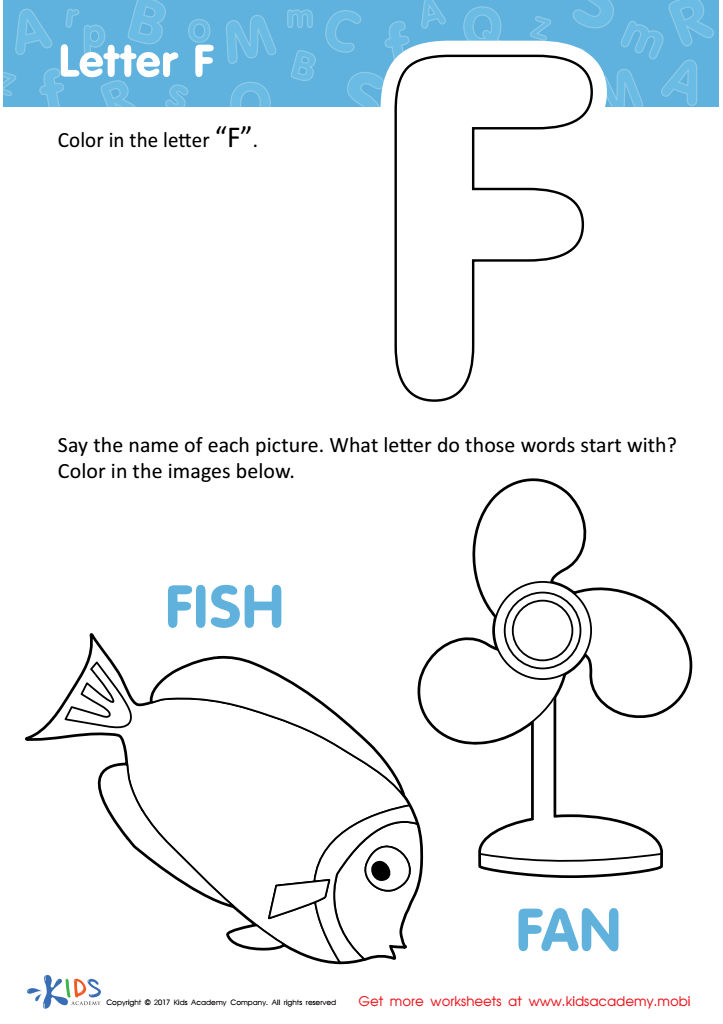
Letter F Coloring Sheet
Assign to My Students
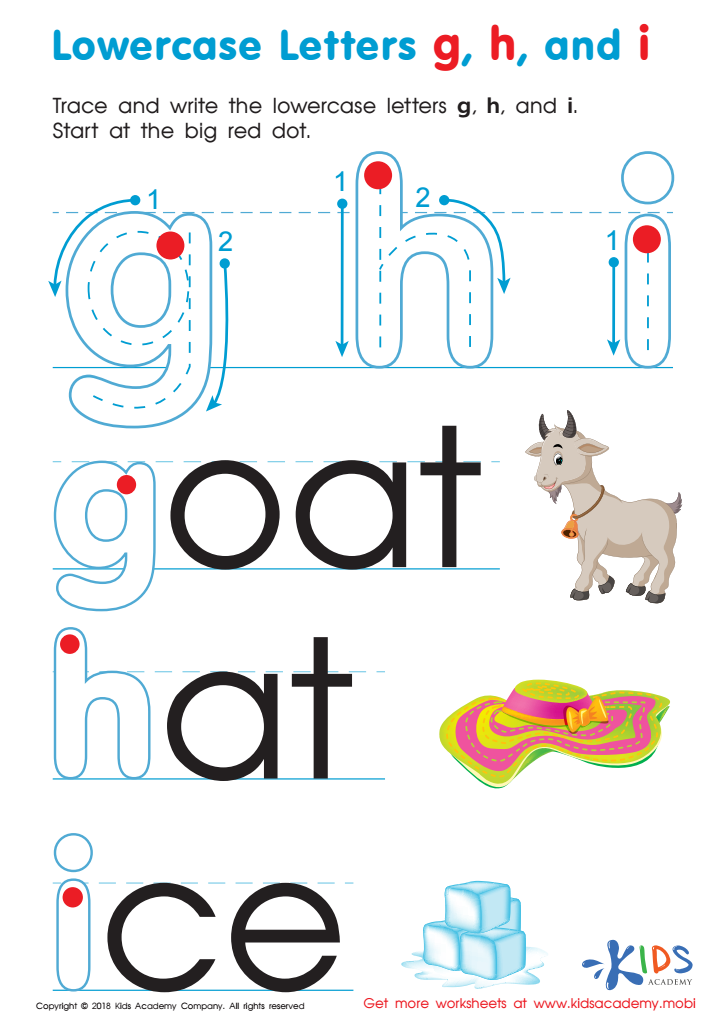
Lowercase Letters g h i Worksheet
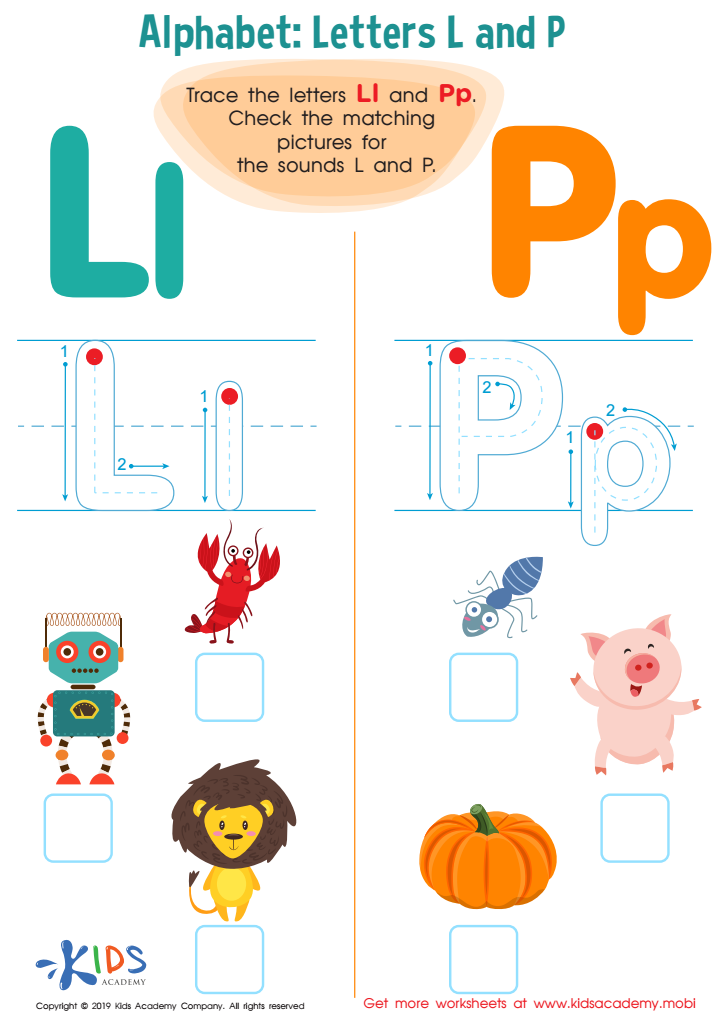
Letter L and P Tracing Worksheet
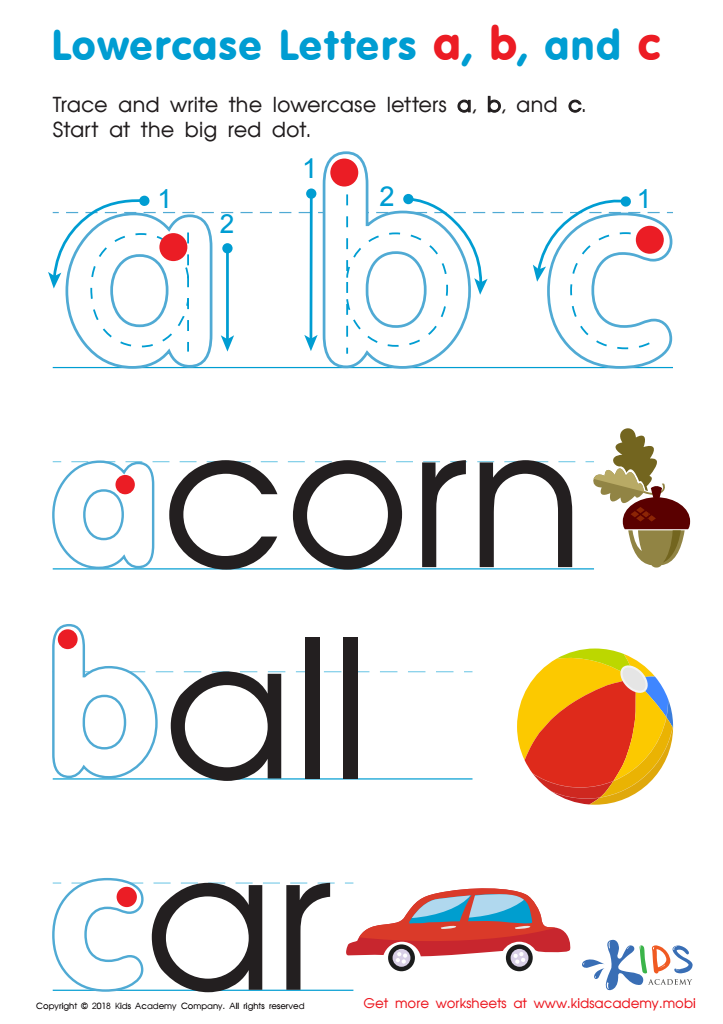
Lowercase Letters a b c Worksheet
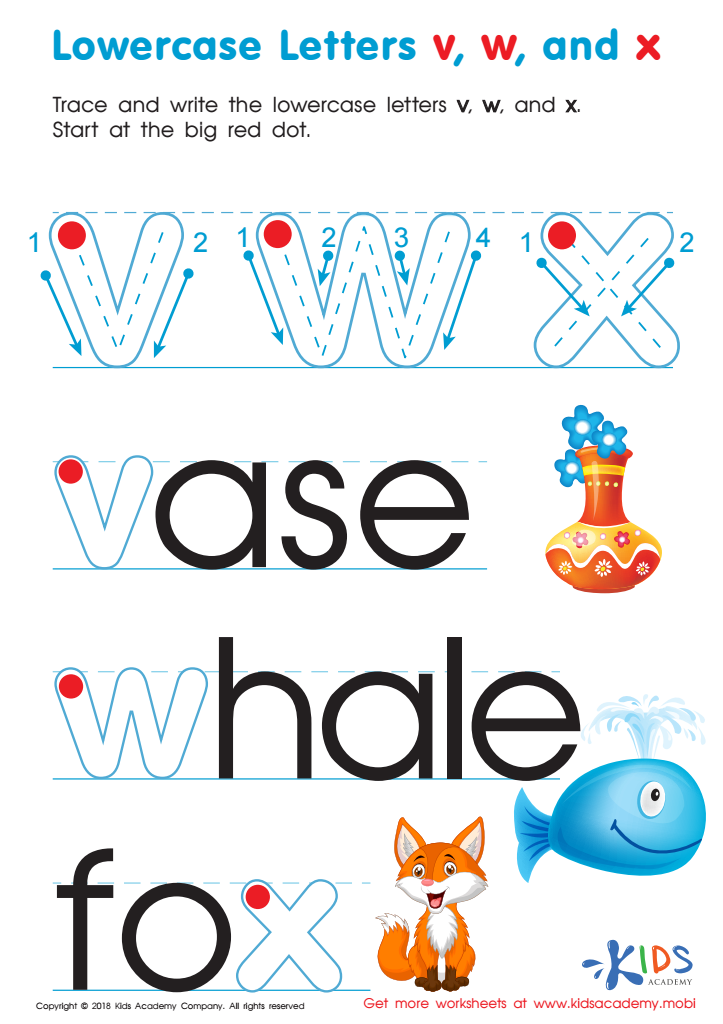
Lowercase Letters v w x Worksheet
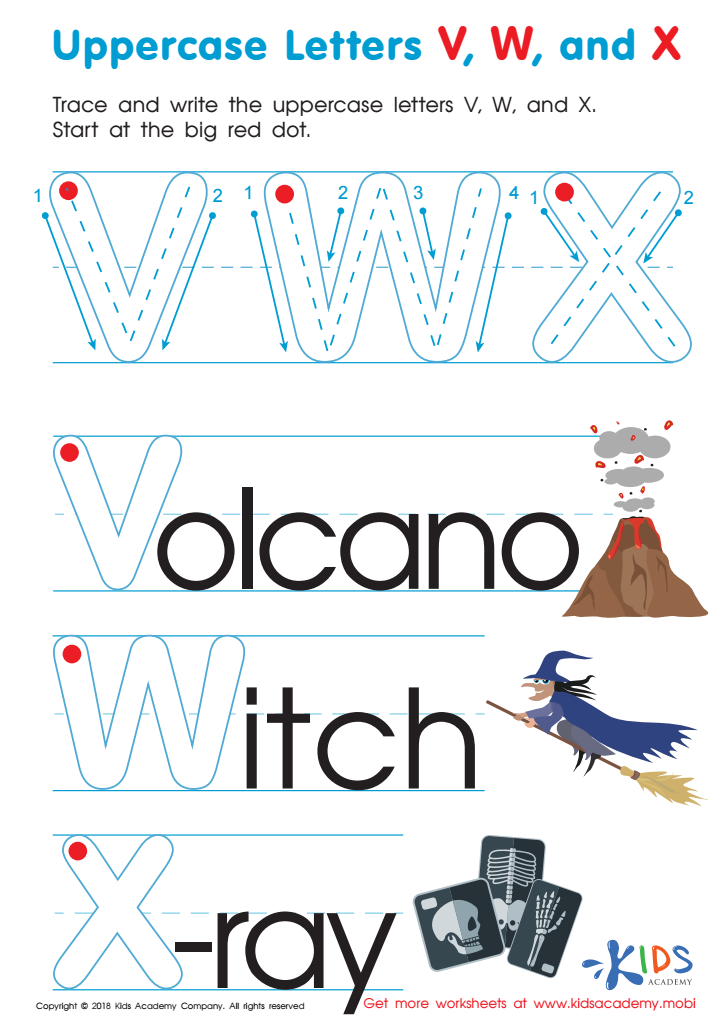
Uppercase Letters V, W, and X Worksheet
Pen Rhyming Words Worksheet








Alphabet recognition is a fundamental skill essential for children ages 6-7, laying the groundwork for literacy and successful communication. At this age, children are transitioning from learning to read to beginning reading independently. Mastering alphabet recognition enables them to decode words, understand phonics, and improve spelling, all of which are critical components of reading proficiency.
Parents and teachers should prioritize alphabet recognition because it fosters confidence in students as they interact with text. Children who struggle with recognizing letters may feel frustrated, leading to a dislike of reading. By cultivating strong alphabet recognition skills, educators can help instill a love for reading, encouraging lifelong learning.
Additionally, alphabet recognition is closely tied to writing skills. A strong understanding of the alphabet allows children to express themselves more effectively, supporting their ability to engage in productive discussions and enhance their communication skills. As they grow, these foundational skills will contribute to their overall academic success, influencing their performance in more complex subjects.
Ultimately, supporting alphabet recognition in young learners helps set the stage for their future literacy development, empowering them to navigate the world of language with confidence and pleasure. As advocates for children's education, it is crucial to nurture these skills early.








