Discover our engaging analytical thinking worksheets for children ages 6-7, designed to enhance critical thinking and reasoning skills through fun and interactive activities. Our worksheets promote problem-solving, logical reasoning, and decision-making, ensuring a solid foundation for future academic success. Tailored for young learners, these captivating exercises include puzzles, pattern recognition, and sorting tasks that develop essential cognitive skills in an enjoyable way. Perfect for home or classroom use, our resources inspire curiosity and creativity while making learning a delightful experience. Equip your child with the analytical tools they need to thrive — start exploring the world of analytical thinking today!

Check out this FREE "Analytical thinking" Trial Lesson for age 6-7!

American History

Favorites
With answer key
Interactive
  • 6-7
  • Analytical thinking
Cause and effect worksheets for 2nd grade

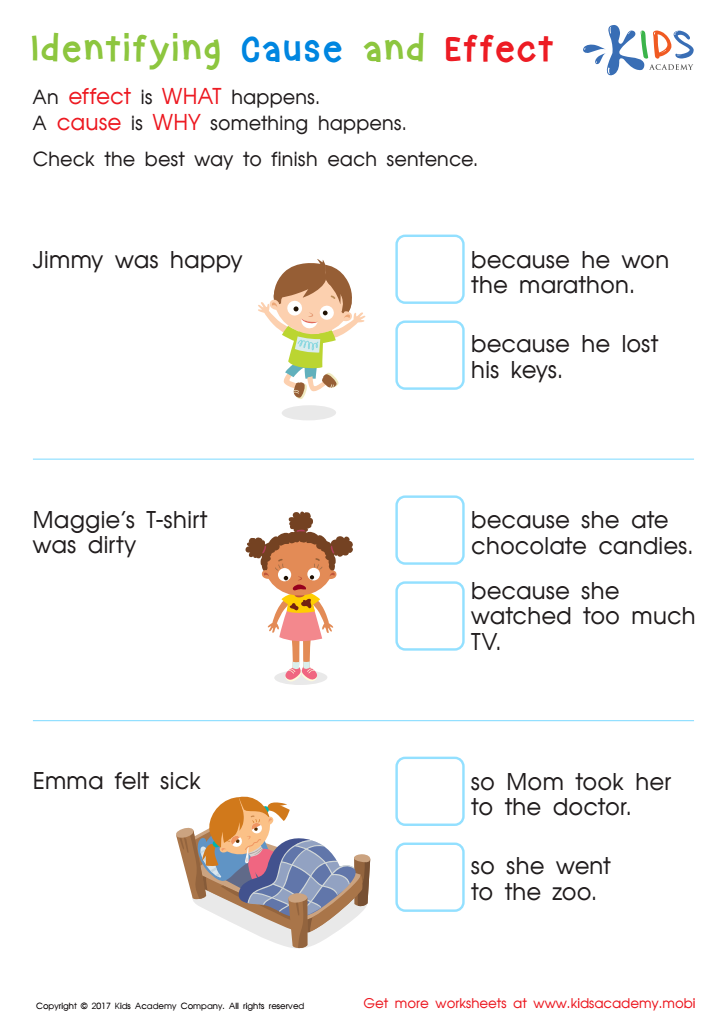
Indentifying Cause and Effect Worksheet

2nd grade cause & effect worksheets give your child practice making connections between events and their results. Fun activities help develop reading and critical thinking skills.
Indentifying Cause and Effect Worksheet
Worksheet
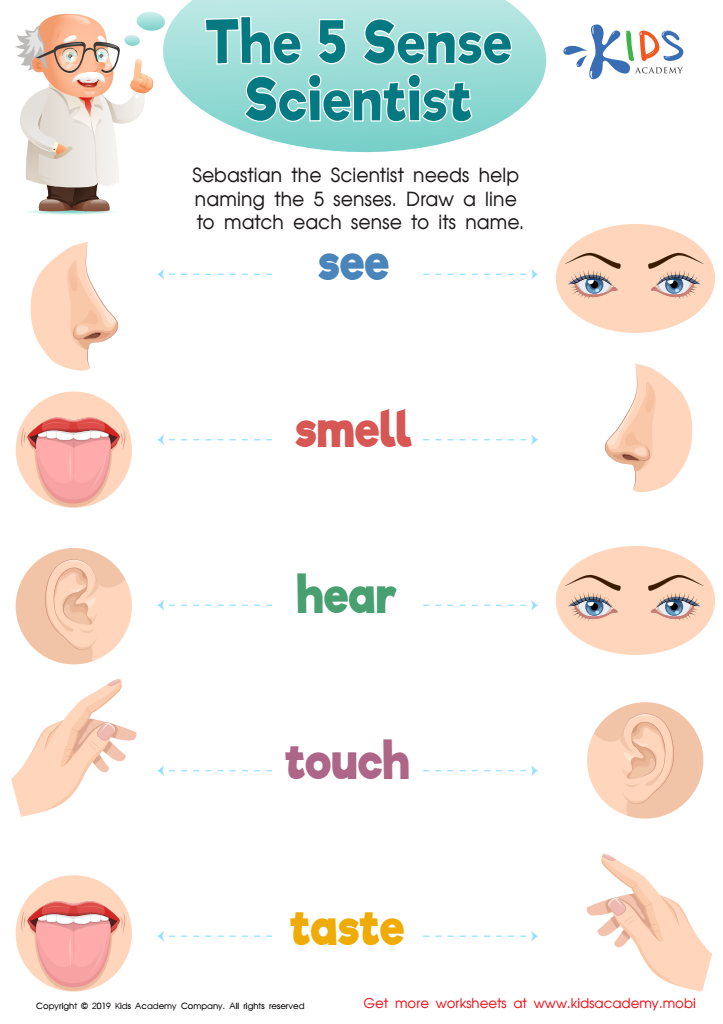
The 5 Sense Scientist Worksheet

The 5 Sense Scientist Worksheet

Our young children will have fun learning about their five senses with this free Sense Scientist worksheet. Helping Sebastian the Scientist, they'll name the five senses and use traceable lines to connect each picture with its correct sense. Colorful words and pictures will create a memorable picture representation.
The 5 Sense Scientist Worksheet
Worksheet
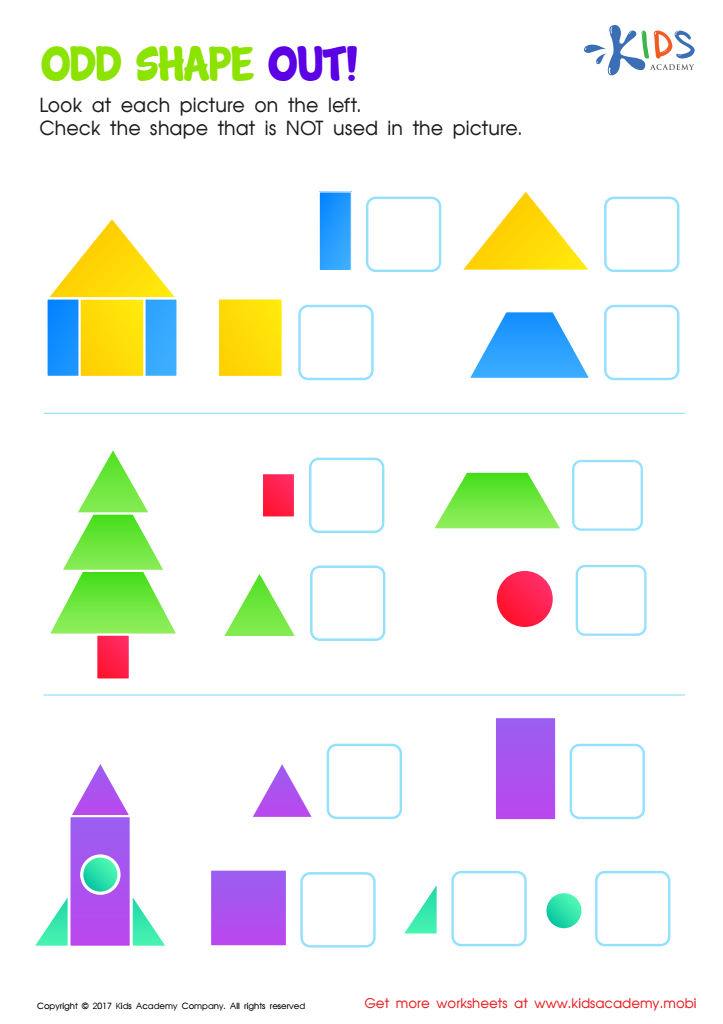
Odd Shape Out Worksheet for Grade 1

Odd Shape Out Worksheet for Grade 1

This worksheet can help your kids test their knowledge of shapes. They should have already been introduced to the most common shapes and be able to identify and draw them. Look at the picture and help your child identify each shape. Then, check which one isn't used to make the object.
Odd Shape Out Worksheet for Grade 1
Worksheet
Visit an Aquarium Worksheet

Visit an Aquarium Worksheet

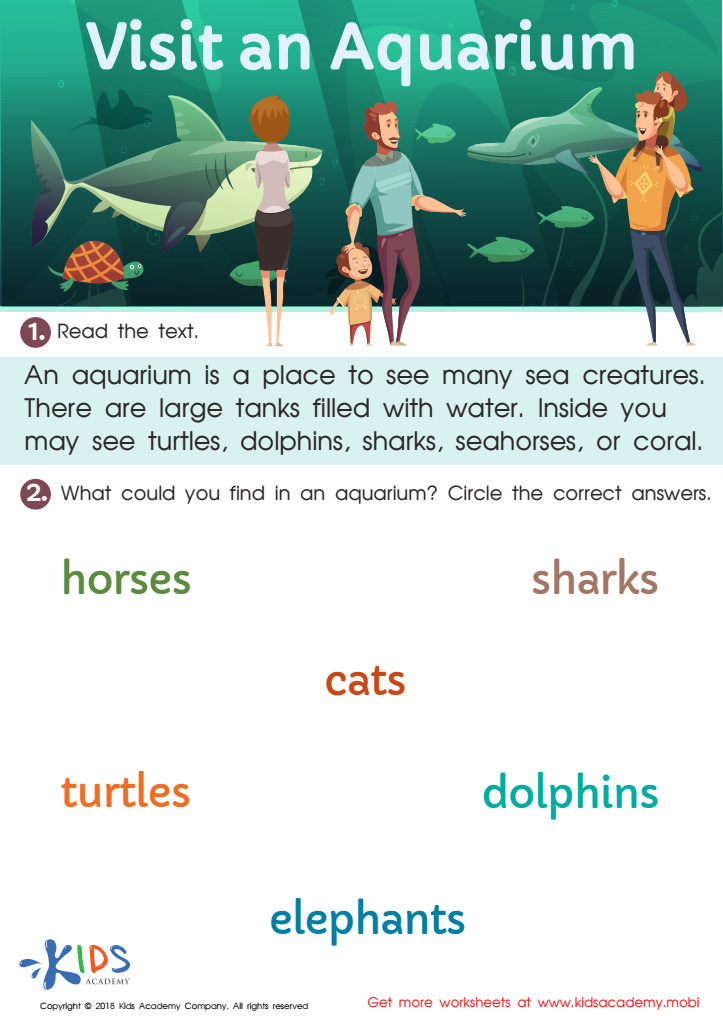
Have your kids ever been to an aquarium? It's a great place to see a variety of sea creatures, like turtles, dolphins, sharks and fish. If they're fascinated by sea life, this worksheet is perfect! Help them circle the aquarium animals among the words in the picture.
Visit an Aquarium Worksheet
Worksheet
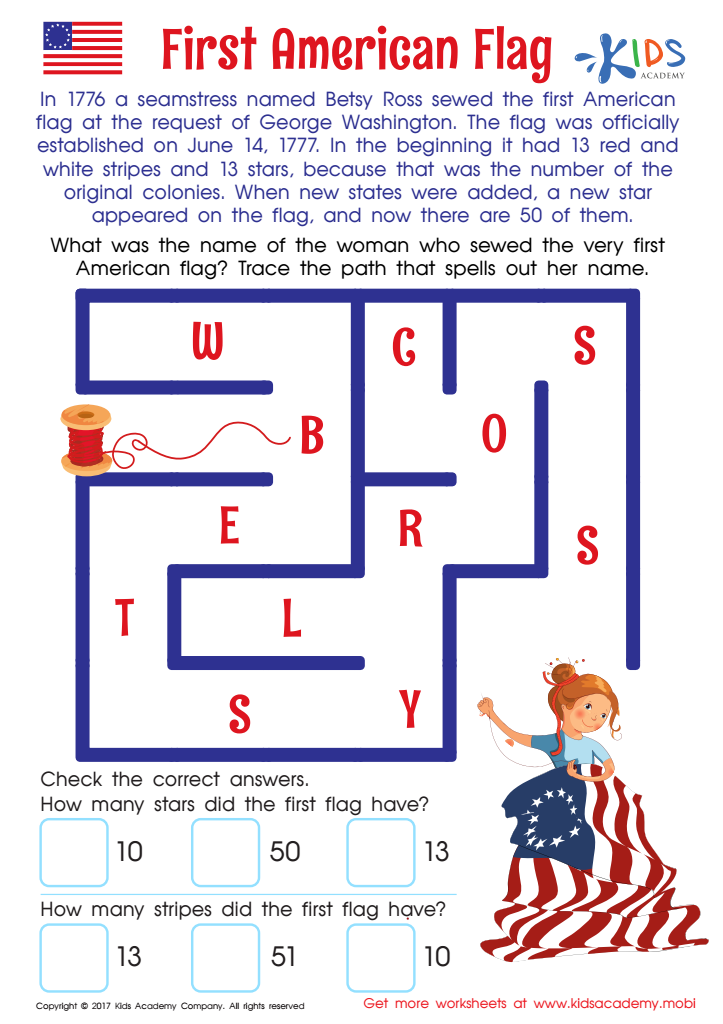
First American flag worksheet

First American Flag Worksheet
Betsy Ross sewed the first American flag at the request of George Washington. This worksheet helps kids learn about this milestone in U.S. history, plus the design and origins of the flag.
First American Flag Worksheet
Worksheet
Beaver Pond: Looking for a Solution Worksheet

Beaver Pond: Looking for a Solution Worksheet

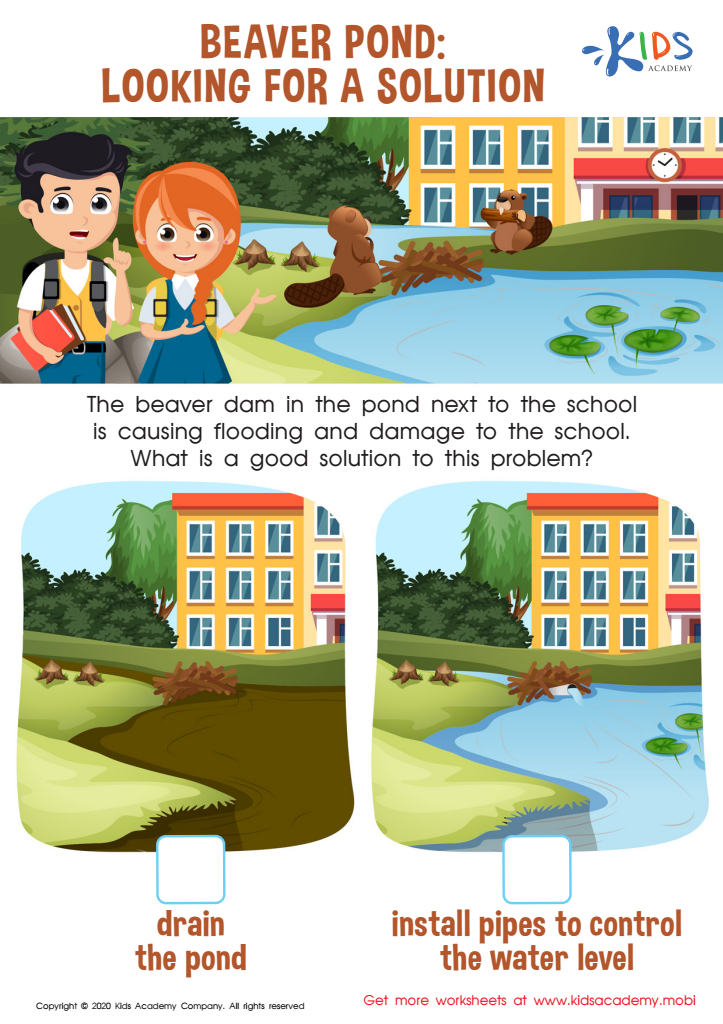
Beavers are building dams and flooding the local pond! Help your child practice problem-solving skills by reading through and selecting from possible solutions, with this fun PDF worksheet. See how your child's skills are improved!
Beaver Pond: Looking for a Solution Worksheet
Worksheet
The Boy Who Cried Wolf: Cause and Effect

The Boy Who Cried Wolf: Cause and Effect Worksheet
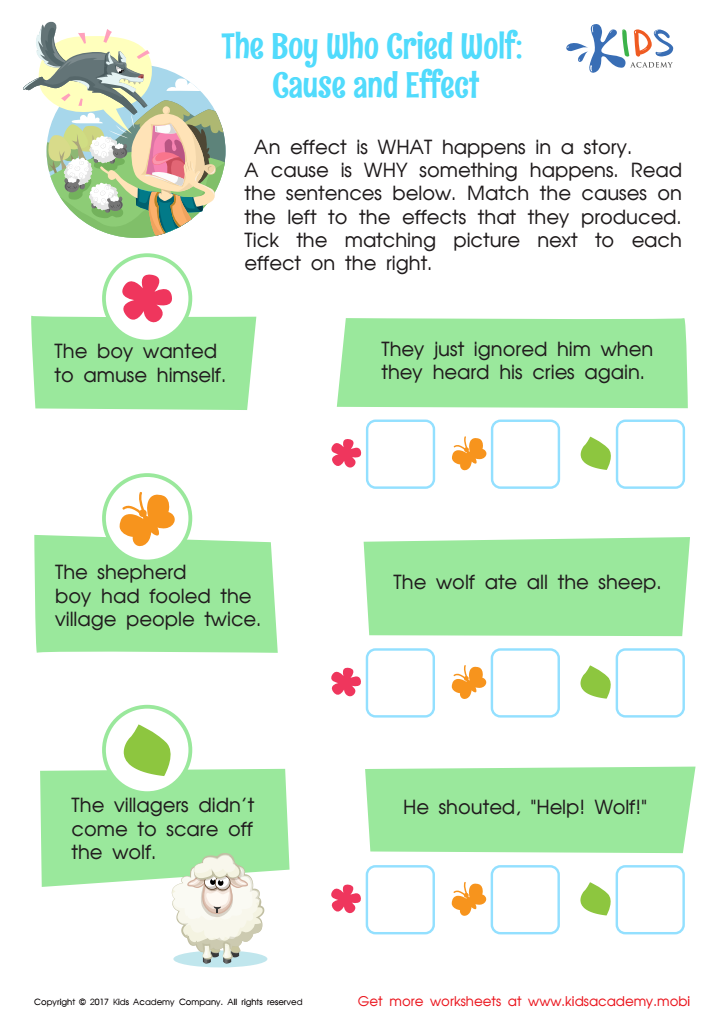
With classic stories and fables, learning reading comprehension is easy - and fun!
The Boy Who Cried Wolf: Cause and Effect Worksheet
Worksheet
Matching Worksheet for Toddlers

Logic Game Sorting Worksheet

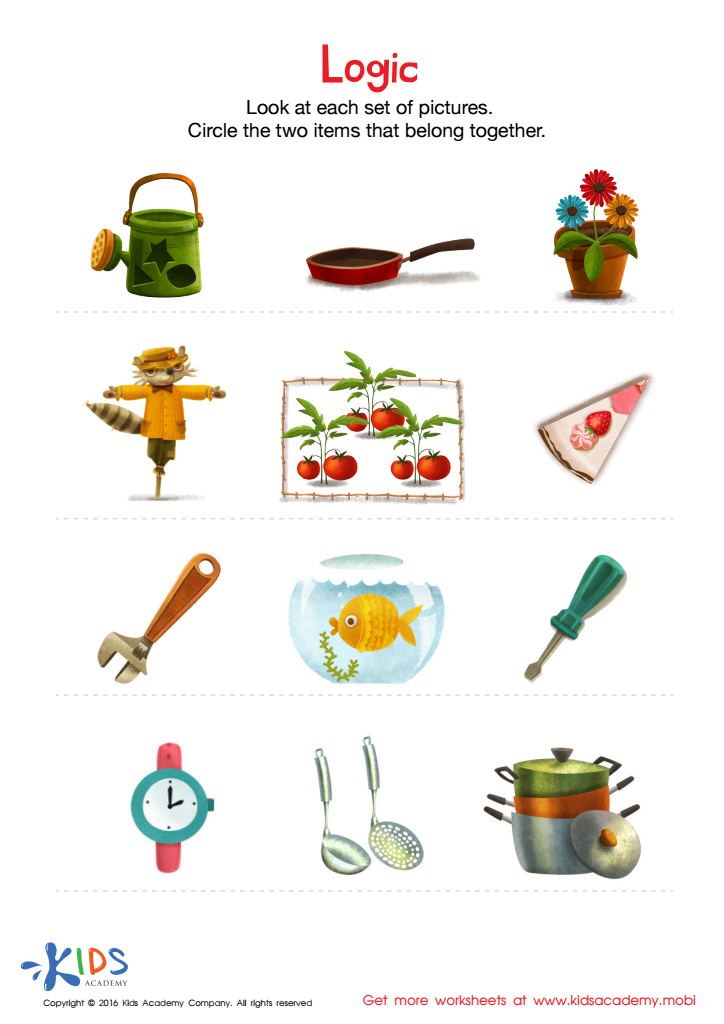
Start your child's logic and reasoning development early with this fun matching worksheet! Through cute images and simple conversations, your little one can learn problem-solving, categorization, and matching skills. Plus, it's a great way for children to explore how items are used in real life. Try it and watch them boost skills with ease and fun!
Logic Game Sorting Worksheet
Worksheet
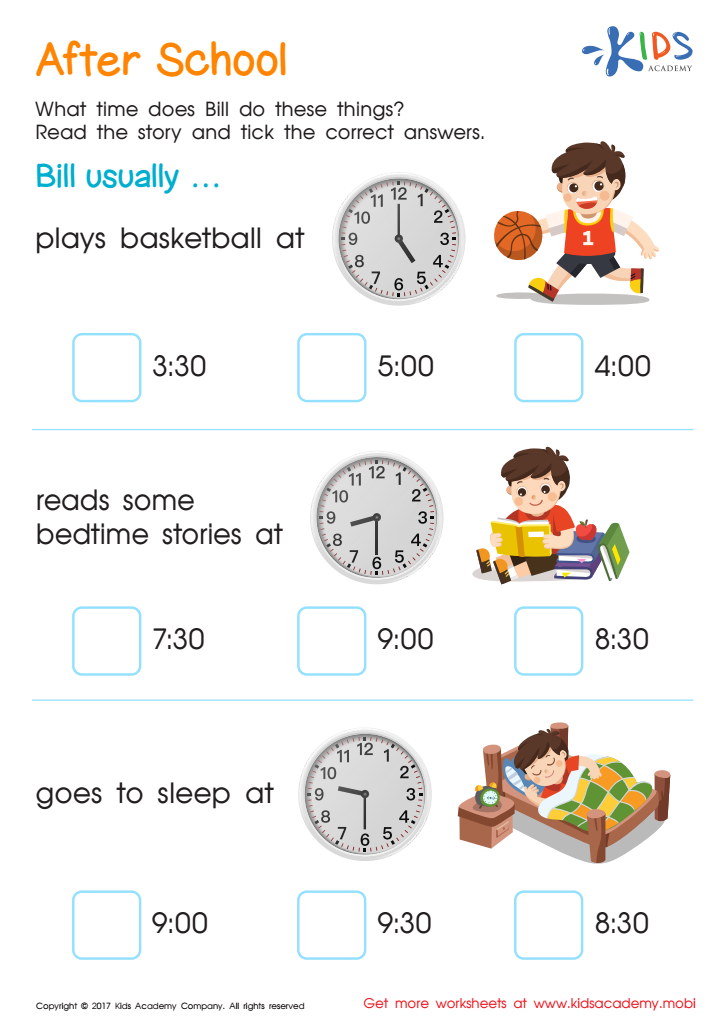
Telling time printable worksheet: After School

After School Time Printable

Meet Bill, a fun character who does the same things as all of us! This time-telling printable worksheet, 'After School', is an enjoyable way for your child to get familiar with Bill. It's a quick and cute activity to help understand the clocks and learn more about this new friend.
After School Time Printable
Worksheet
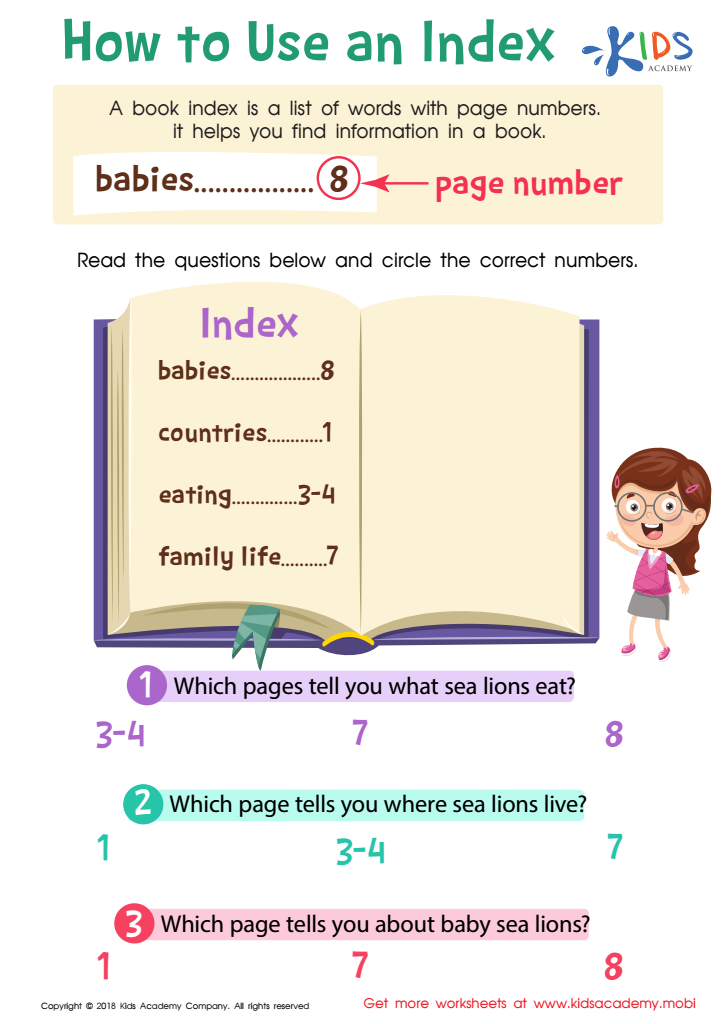
How Use Index Worksheet

How Use Index Worksheet

Hand your kids a book, point out the index and explain that it's a list of words with page numbers. Ask them to look at the index in the worksheet and circle the correct number to the questions. Every book must have an index to help readers find chapters or information they need.
How Use Index Worksheet
Worksheet
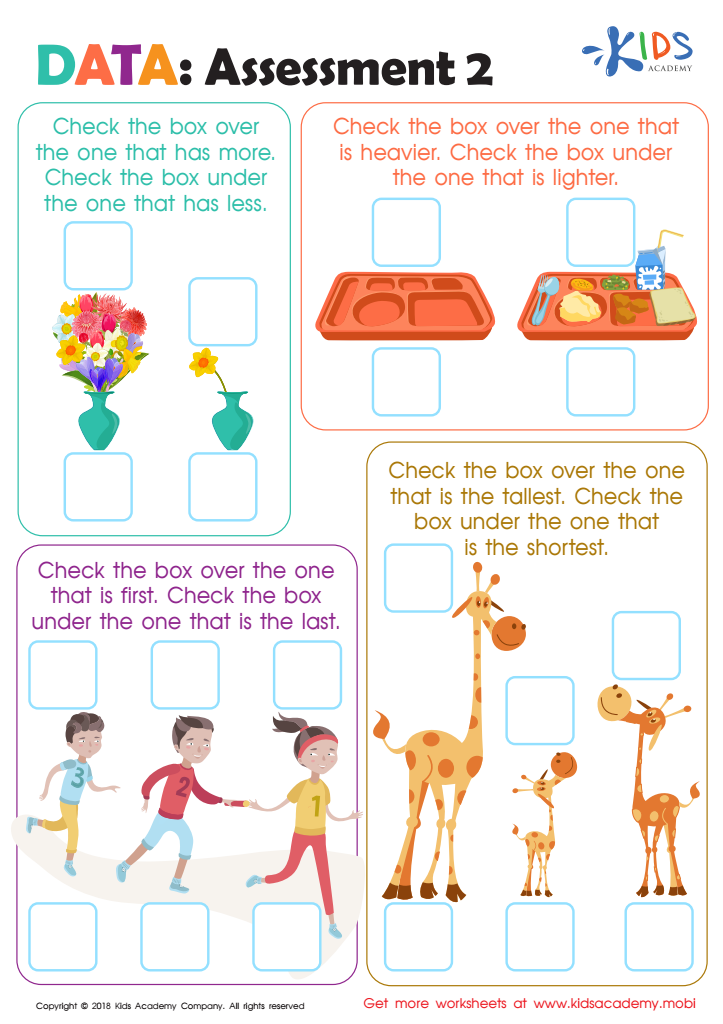
Data: Assessment 2 Worksheet


Data: Assessment 2 Worksheet

This printable worksheet tests students' understanding of words related to quantity and measurement, such as "more", "less", "heavy", "light", "first", "last", "tall", and "short". It helps children compare and contrast when solving measurement problems. Ideal for math classes, it encourages students to gain the essential skills needed in subjects like math, science, and reading.
Data: Assessment 2 Worksheet
Worksheet


Analytical thinking is a crucial skill for children aged 6-7, and parents and teachers should prioritize its development for several reasons. At this age, children are beginning to think more independently and are capable of processing complex information. Analytical thinking encourages them to evaluate situations, solve problems, and make informed decisions.

By fostering this skill, adults can help children become adept at breaking down information and recognizing patterns, which enhances their learning process across subjects, particularly in math and science. It also cultivates curiosity and critical questioning, empowering children to explore and understand the world around them more deeply.

Furthermore, analytical thinking promotes creativity and innovation. As children learn to analyze different perspectives and outcomes, they become more equipped to approach challenges with an open mindset, leading to more original thinking and inventive problem-solving. It also lays the groundwork for collaborative skills as children learn to articulate their thought processes and consider others' viewpoints.

In the broader context, developing analytical thinking at an early age prepares children for future academic challenges and lifelong learning, giving them the tools they need to succeed in an increasingly complex and information-rich world. Therefore, investing in analytical thinking is investing in a child's future.