Comparing Fractions Worksheets for Ages 6-7
118 filtered results
-
From - To
Dive into our Comparing Fractions Worksheets designed for ages 6-7! These engaging printables from Kids Academy simplify the learning process, making it easy for young learners to compare fractions confidently. Aligned with the curriculum standards, each worksheet offers fun and interactive challenges that develop critical thinking and problem-solving skills. With vibrant illustrations and step-by-step instructions, children can visually grasp the concepts, practice ordering fractions, and strengthen their mathematical foundation. Perfect for classroom activities or home practice, these worksheets are an excellent resource for parents and teachers aiming to enhance their students' fraction comparison skills.
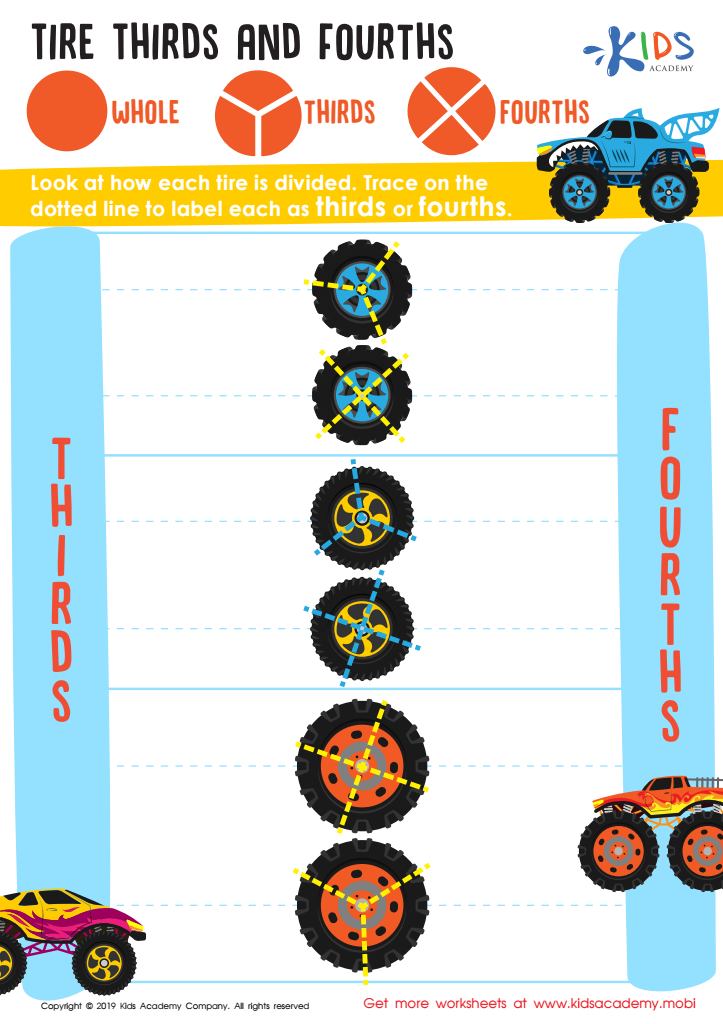
Tire Thirds and Fourths Worksheet
 Assign to My Students
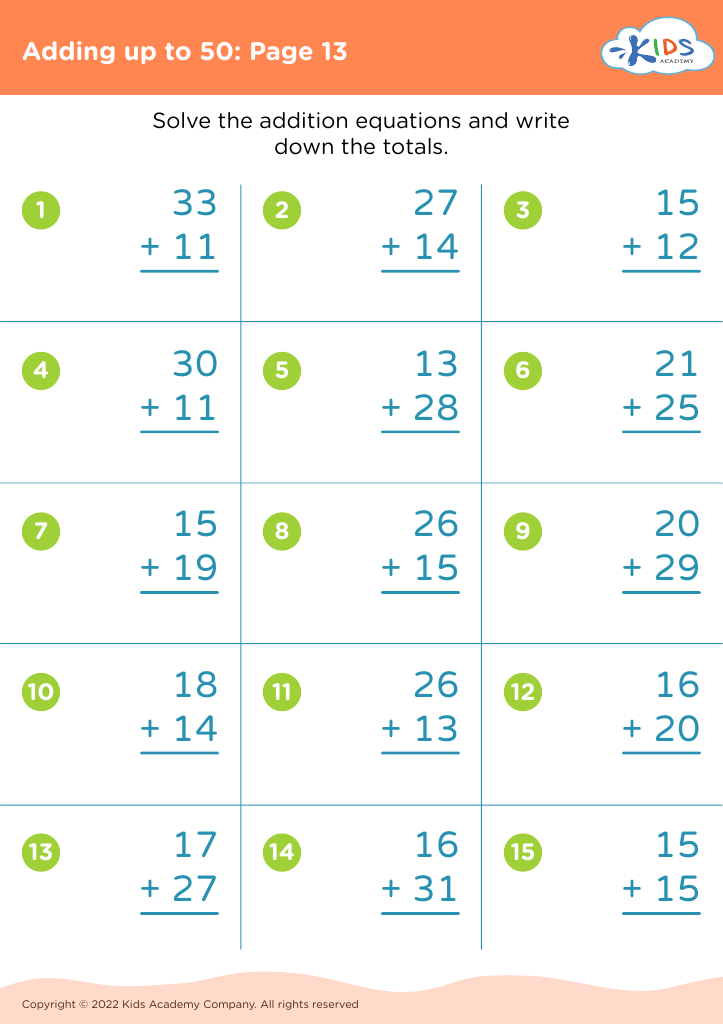
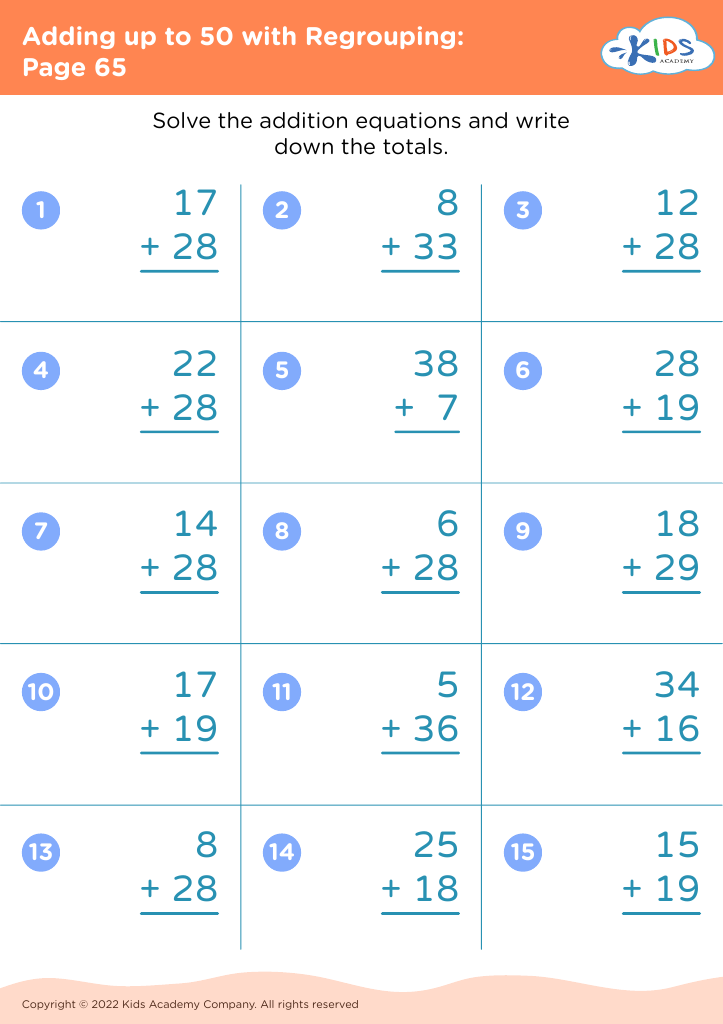
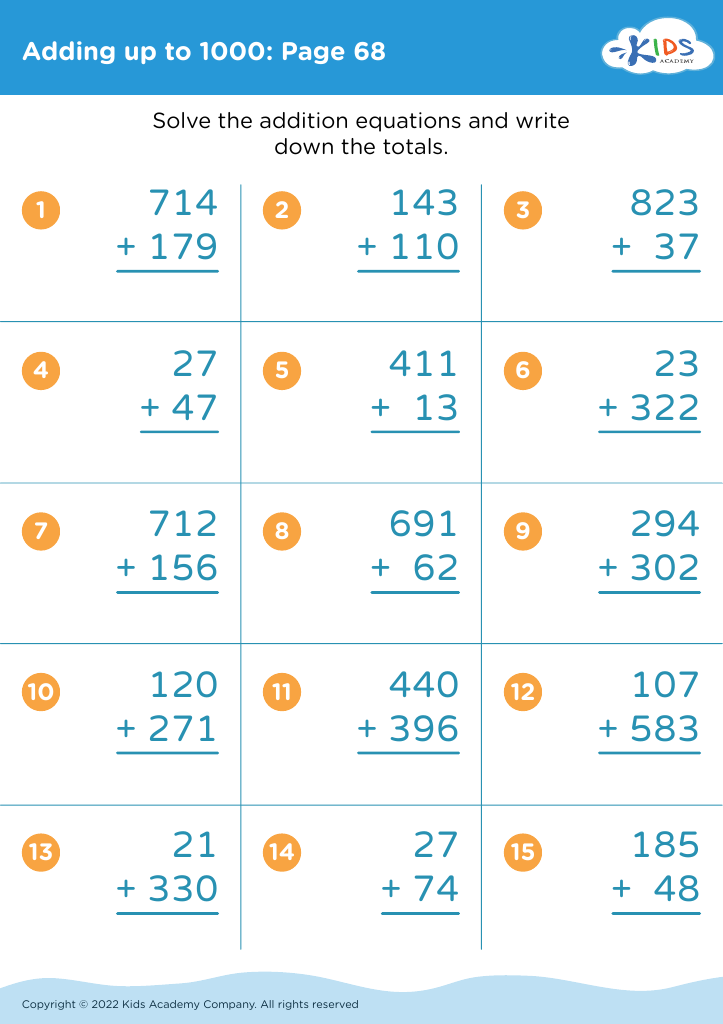
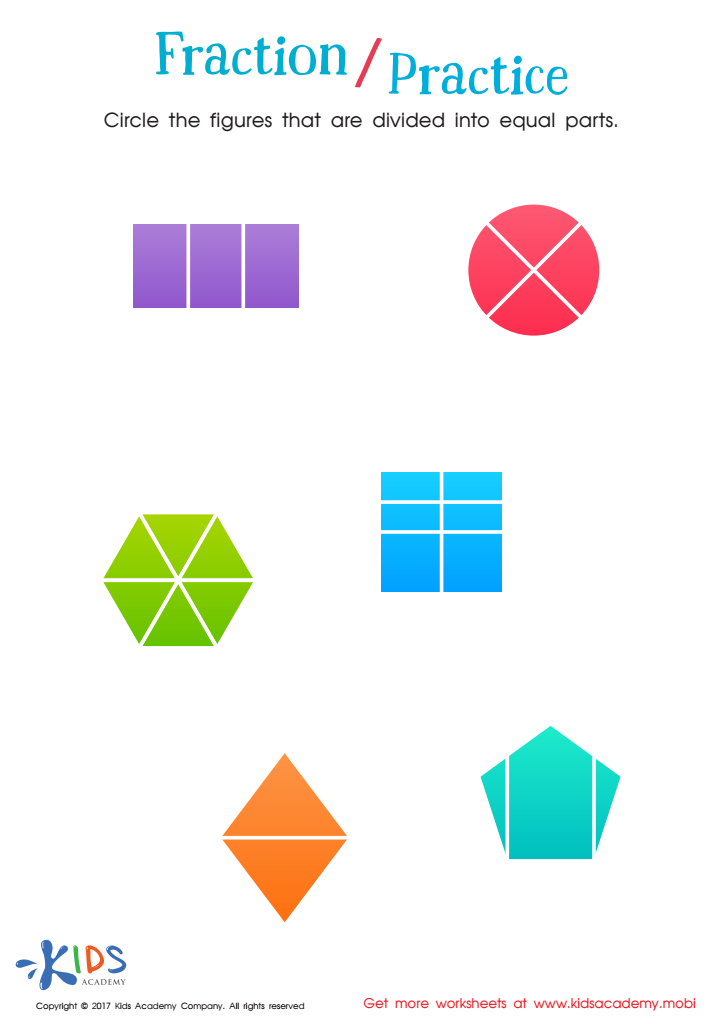
Fractions: Shapes Worksheet
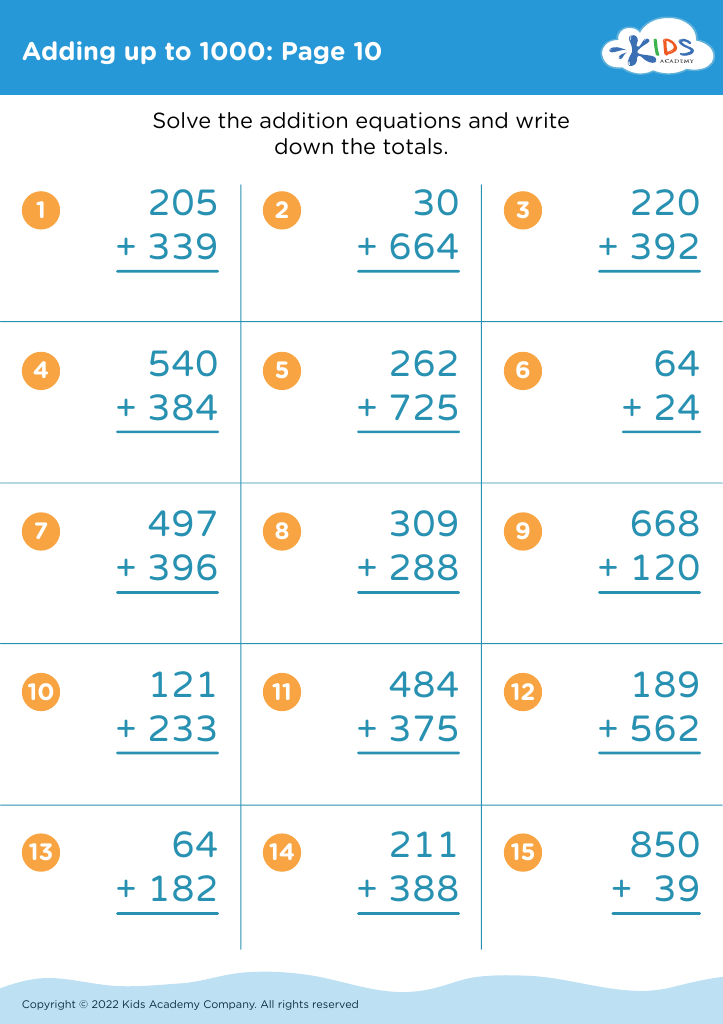
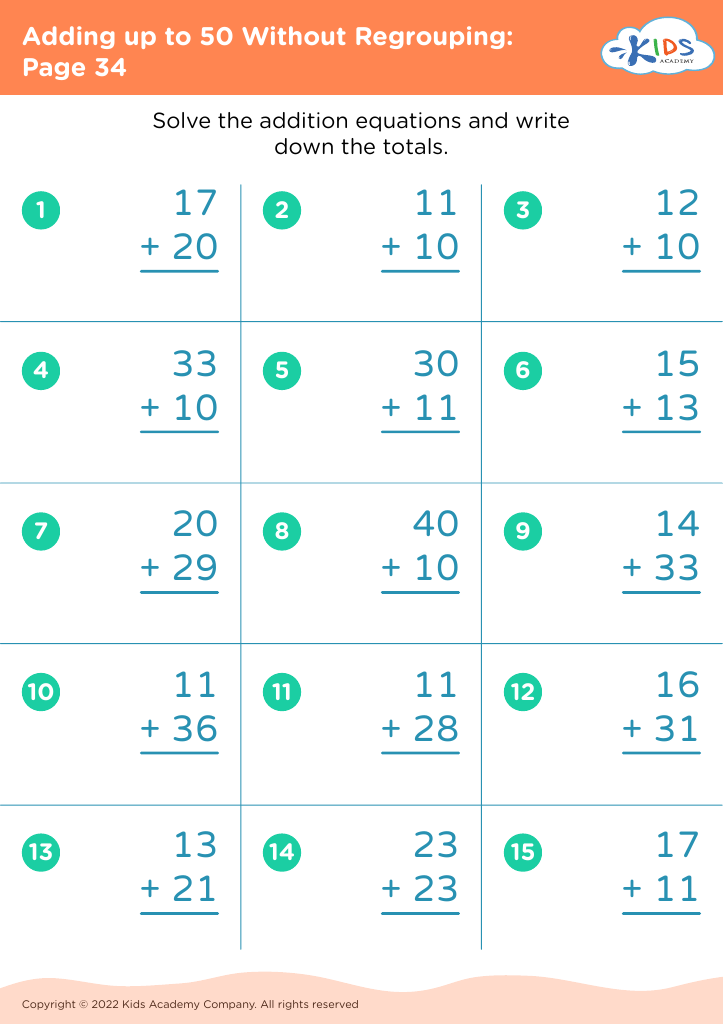
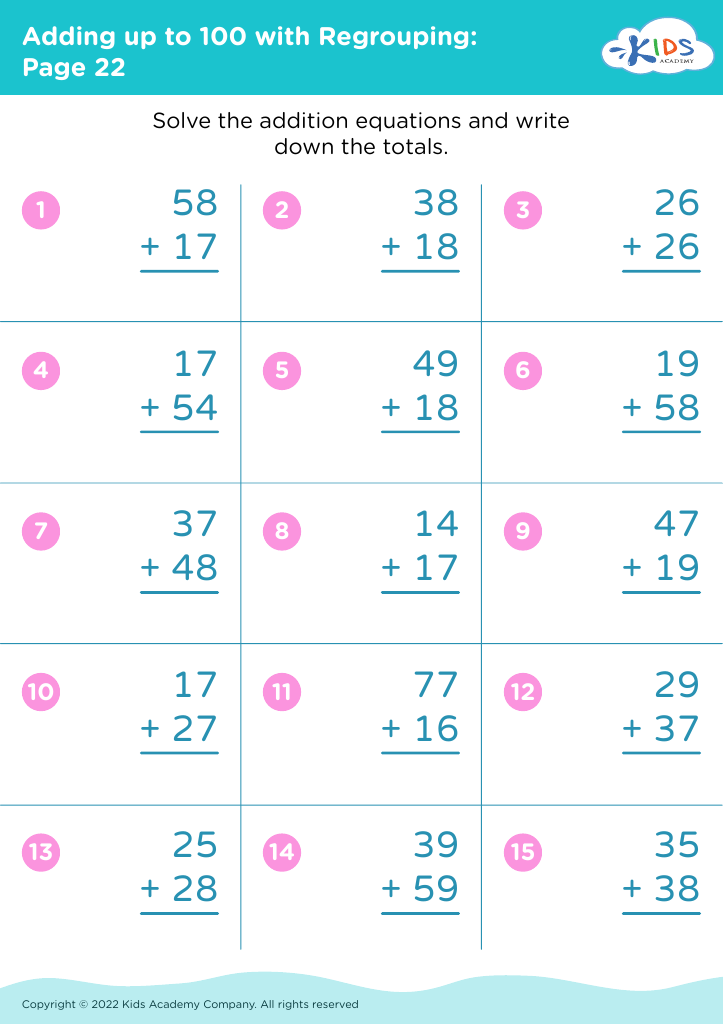
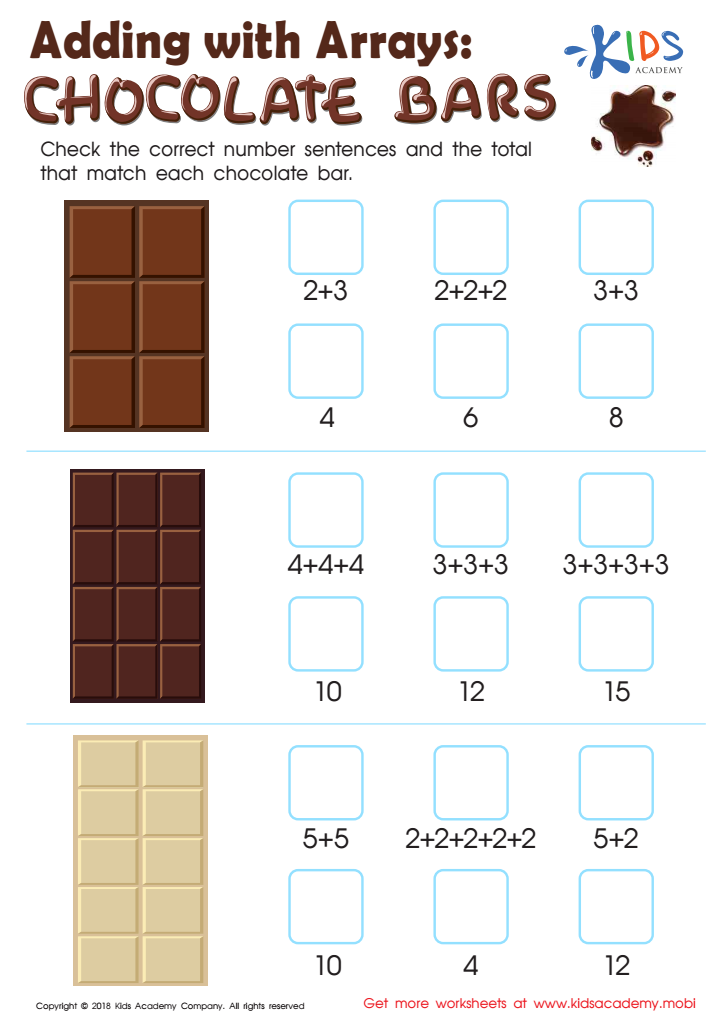
Adding with Arrays: Chocolate Bars Worksheet
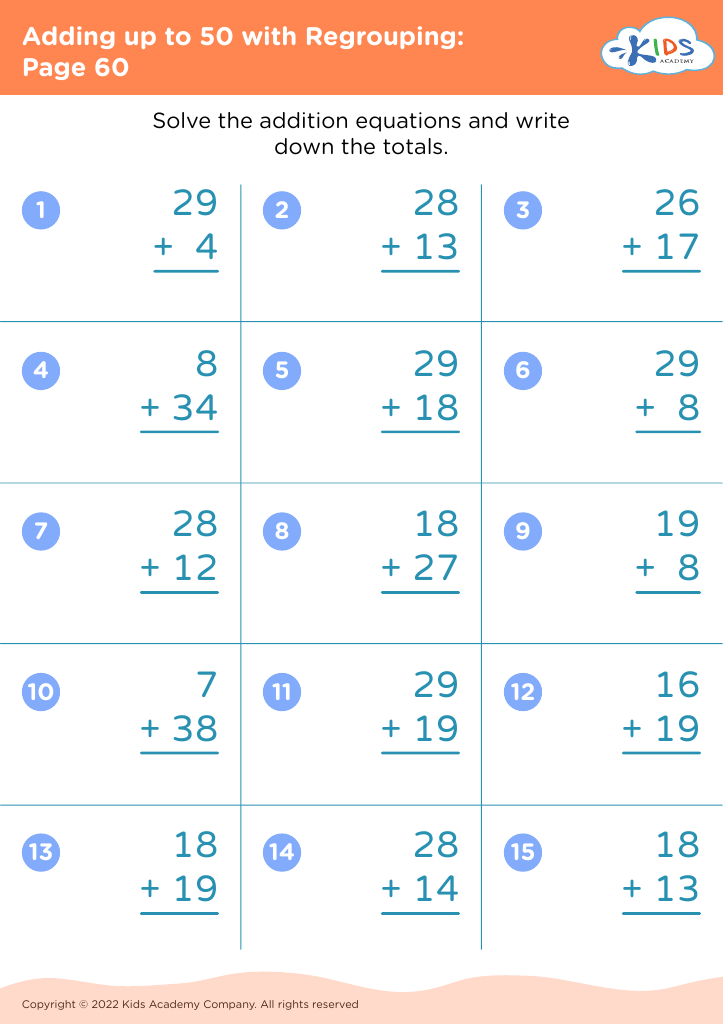
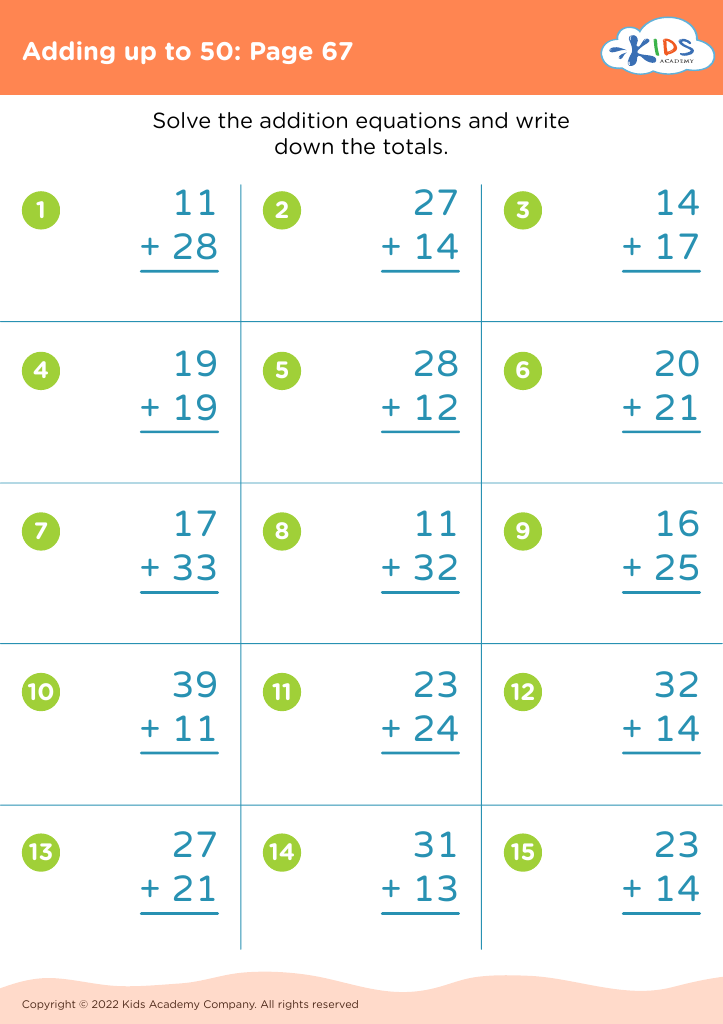
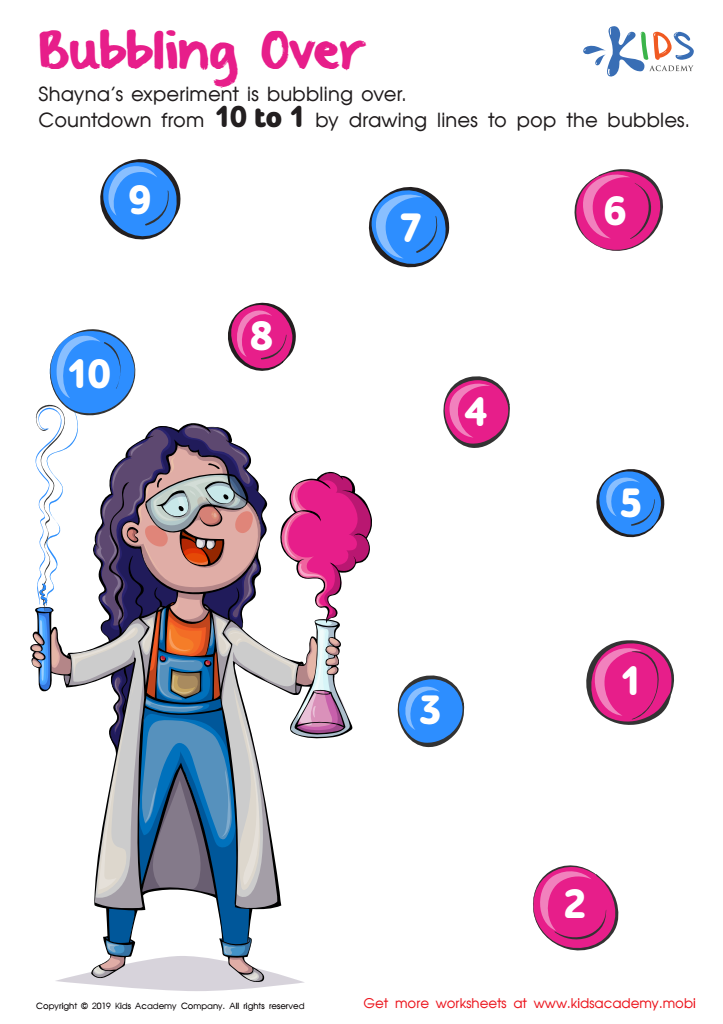
Bubbling Over Worksheet
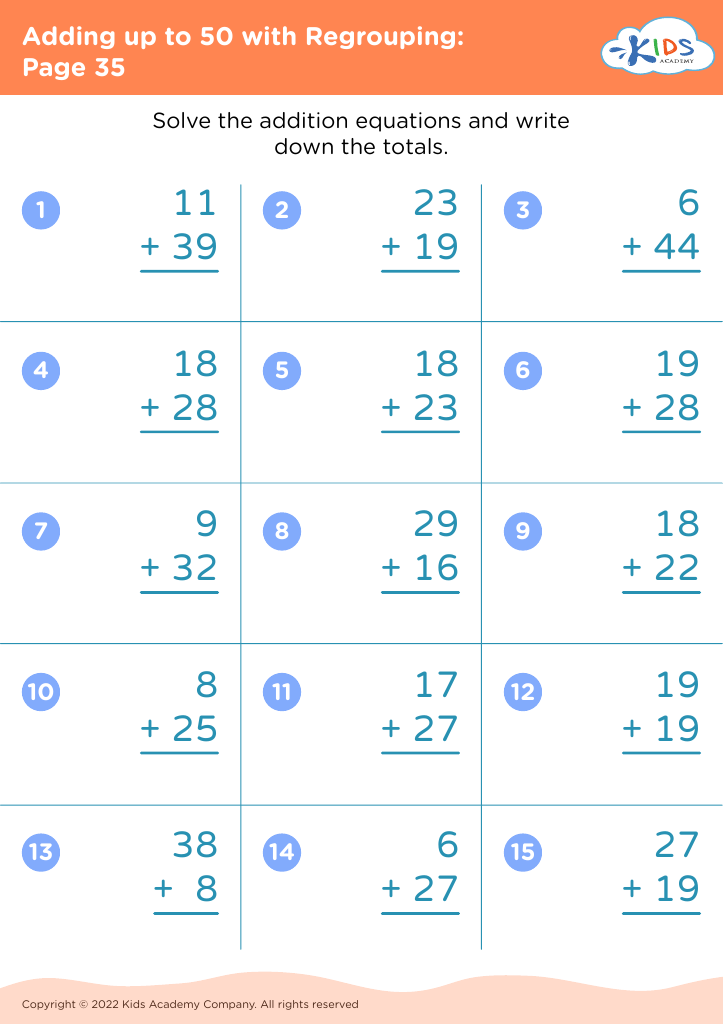



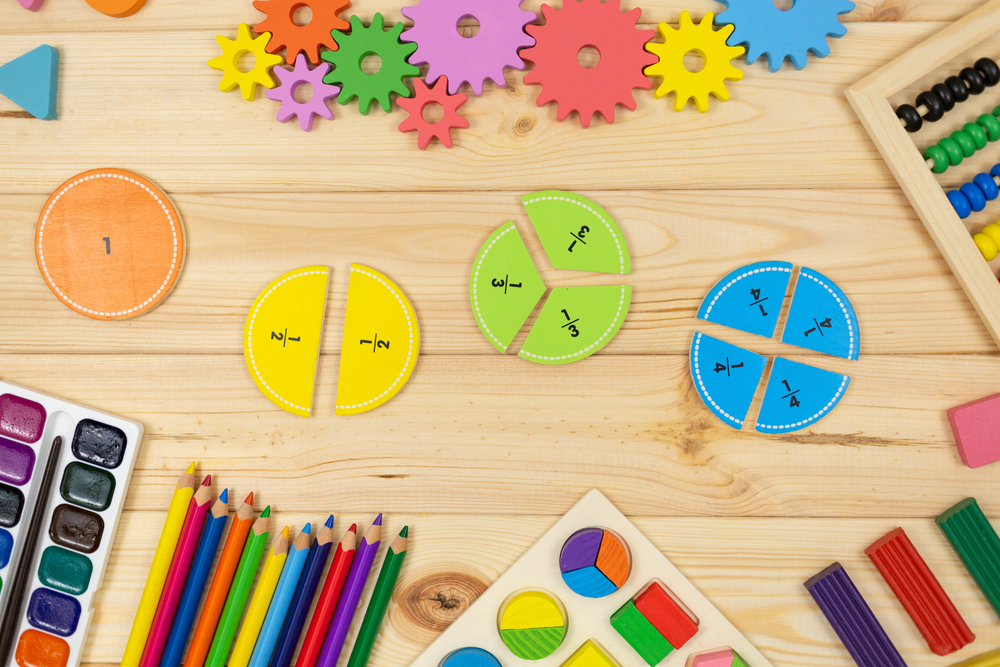




Understanding comparing fractions is fundamental to a child's mathematical development, and parents or teachers of 6-7-year-olds should give it considerable attention for several reasons. First, grasping fractions lays the groundwork for future math skills such as algebra, geometry, and data analysis. Without a firm foundation in basic fraction concepts, children may struggle with more advanced mathematical ideas later.
Second, learning to compare fractions helps enhance cognitive skills like critical thinking and problem-solving. These skills are transferable beyond math, aiding in various academic and real-life situations. For instance, children learn to think abstractly and understand concepts of parts and wholes, which can apply to day-to-day tasks such as baking or sharing equally.
Lastly, exposure to fraction comparisons at an early age builds confidence and reduces math anxiety in children. By providing ample practice and reinforcement, parents and teachers can help kids feel more secure and capable when facing new challenges. This positive mindset fosters a lifelong appreciation and curiosity for math and related subjects.
In conclusion, comparing fractions is a vital skill for young learners, serving as a precursor to intricate mathematical understanding, improving essential cognitive skills, and promoting a positive, resilient attitude towards math.








