Enhancing comprehension skills Worksheets for Ages 6-7
3 filtered results
-
From - To
Welcome to our "Enhancing Comprehension Skills Worksheets" designed specifically for children aged 6-7. These engaging printable resources aim to boost young learners' reading comprehension through fun and interactive exercises. Each worksheet includes a range of activities that challenge students to analyze texts, answer questions, and summarize stories, all while developing critical thinking skills. Our worksheets are aligned with educational standards, making them perfect for reinforcing classroom learning or supporting homeschooling. By using these activities, children will gain confidence in their ability to understand and interpret information, setting a strong foundation for their future academic success. Start exploring today!
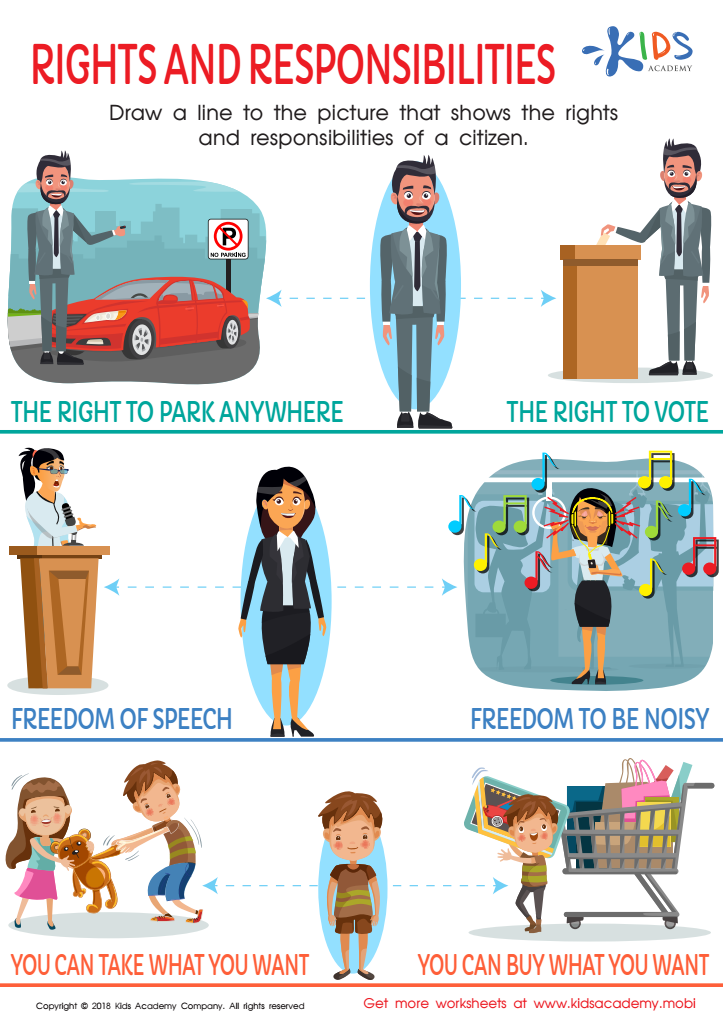
Rights and Responsibilities Worksheet
 Assign to My Students
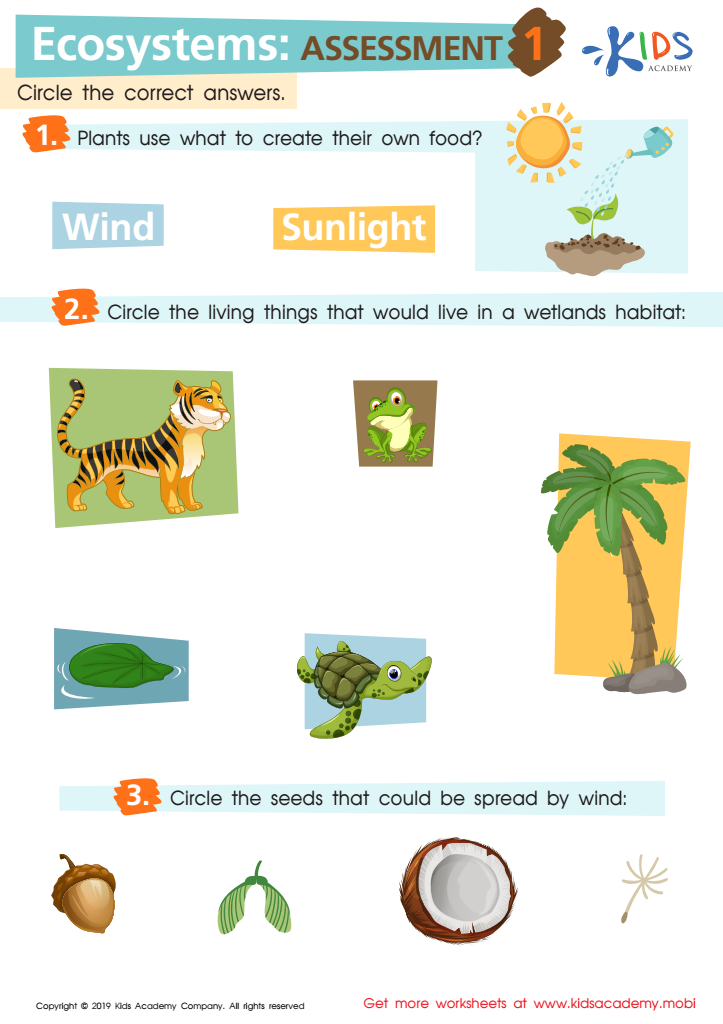
Ecosystems: Assessment 1 Worksheet







Enhancing comprehension skills in children aged 6-7 is crucial for their academic success and overall development. At this stage, children are transitioning from learning to read to reading to learn. Strong comprehension skills enable them to understand, interpret, and engage with texts more effectively. This understanding lays the foundation for future learning across all subjects, as proficient readers tend to perform better academically.
Parents and teachers should prioritize comprehension skills because these abilities foster critical thinking, creativity, and communication. When children can grasp the meaning of stories or informational texts, they become more confident thinkers, capable of asking questions, making inferences, and connecting ideas. Additionally, strong comprehension skills can enhance a child’s social and emotional development; students learn empathy and cultural context through stories, broadening their understanding of the world.
Moreover, nurturing comprehension from an early age supports lifelong learning habits. Engaged and competent readers are more likely to explore diverse topics, maintaining a thirst for knowledge. Educators and caregivers can integrate engaging reading activities, discussions, and questioning strategies, making the learning process enjoyable. Ultimately, investing time into developing these skills is essential for setting children on paths toward academic achievement, critical thinking, and confident self-expression.








