Improve number recognition Worksheets for Ages 6-7
16 filtered results
-
From - To
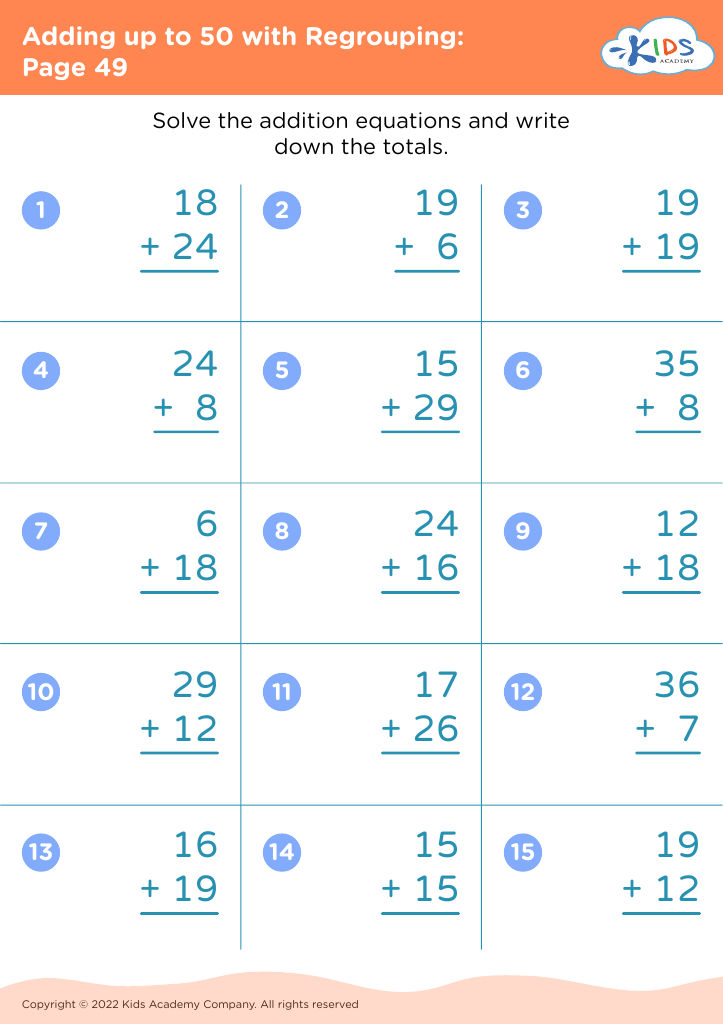
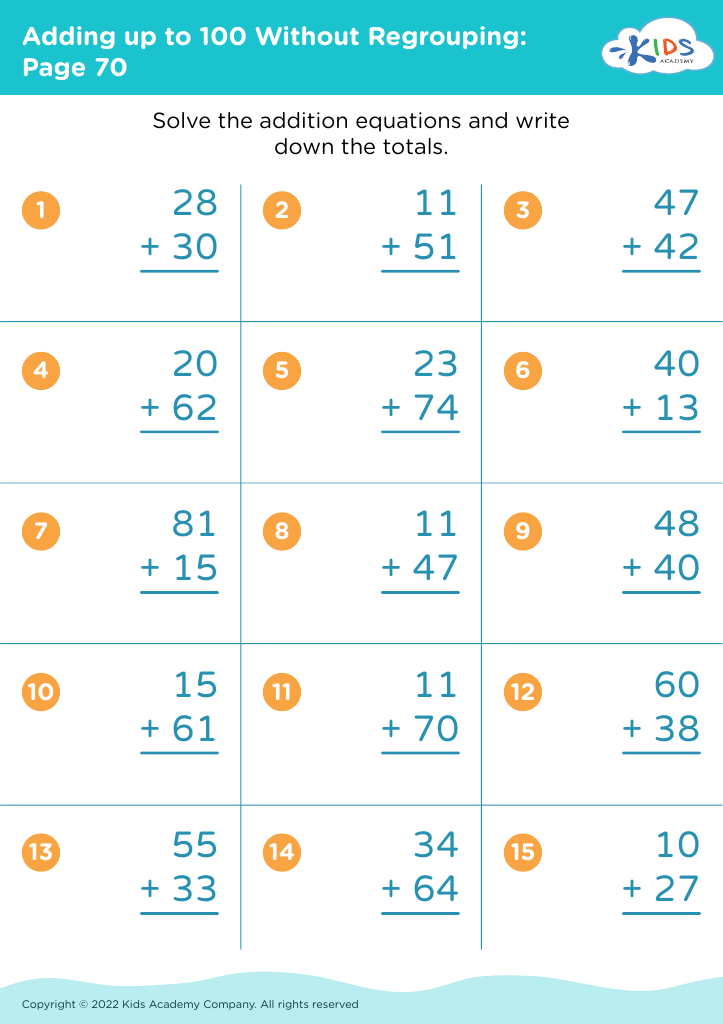
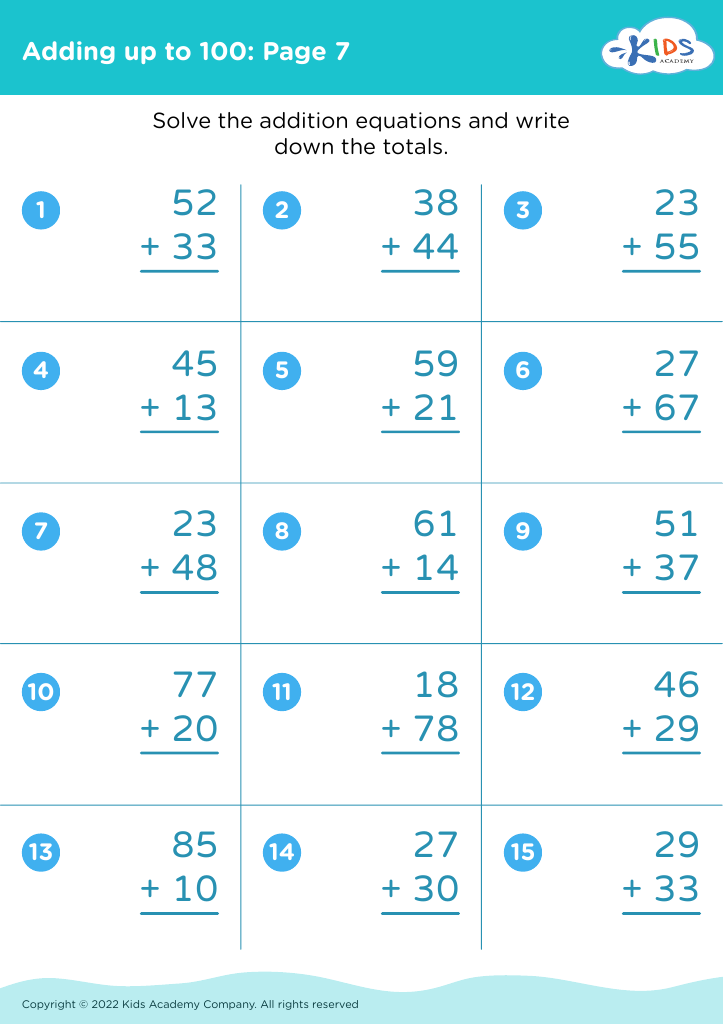
Unlock your child's mathematical potential with our engaging number recognition worksheets designed specifically for ages 6-7. These expertly crafted exercises aim to enhance number recognition skills through vibrant illustrations and interactive activities. Your child will explore a range of worksheets that include counting, matching, and identifying numbers in various contexts, fostering both learning and fun. We provide resources to guide young learners in developing a strong foundation in mathematics, enabling them to recognize numbers with confidence. Perfect for home or classroom use, our worksheets not only help improve number skills but also boost cognitive development. Start enriching your child’s learning experience today!
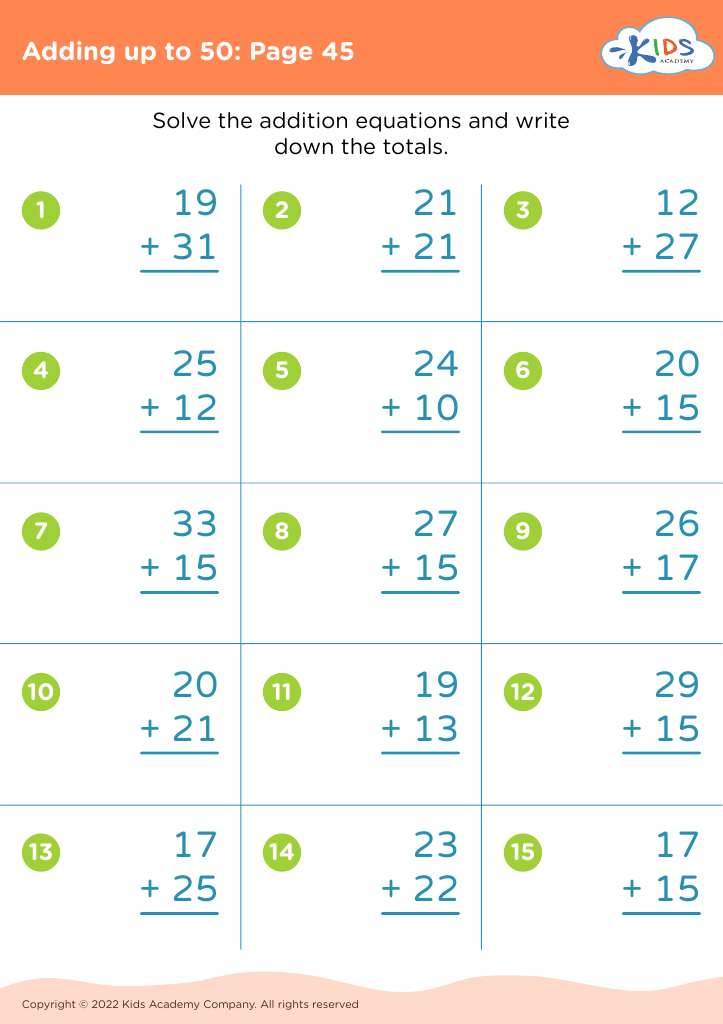
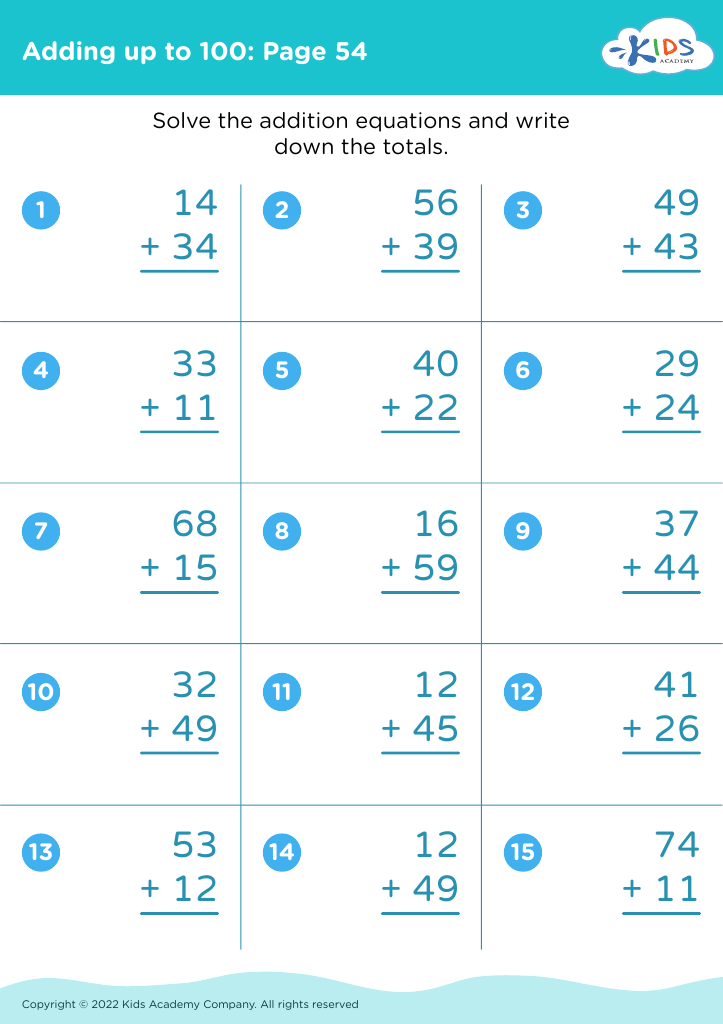
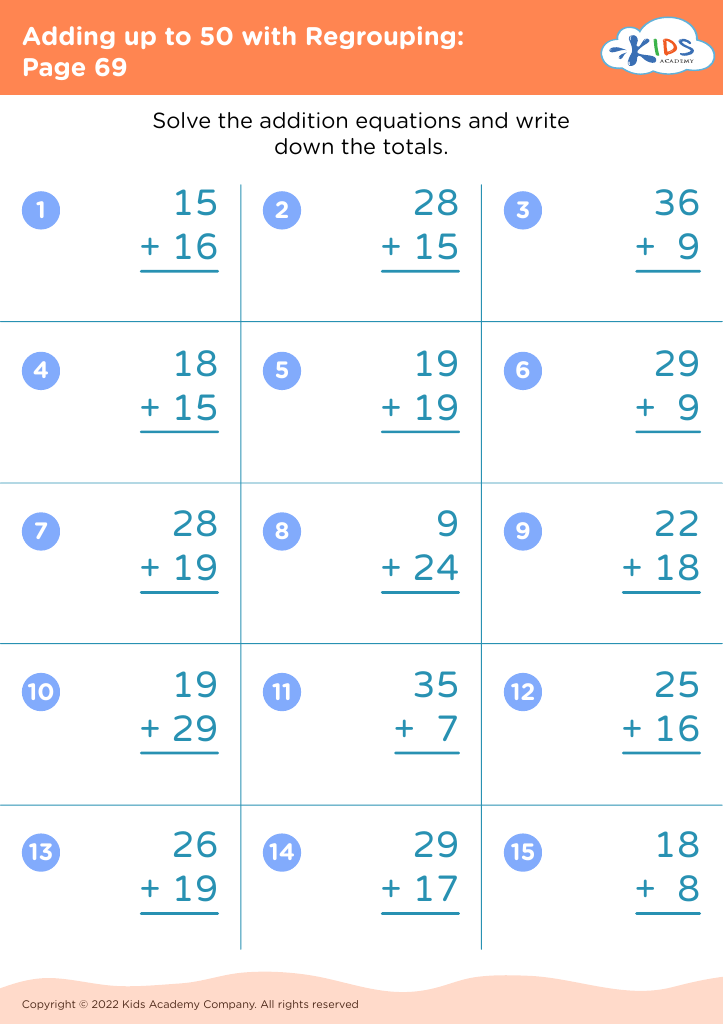
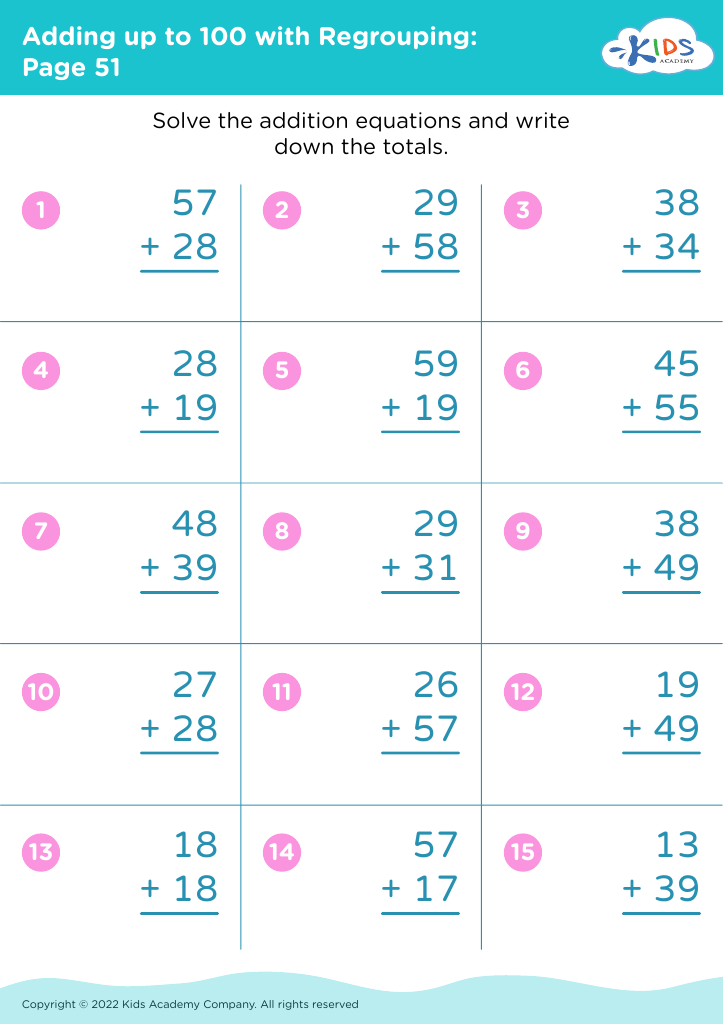
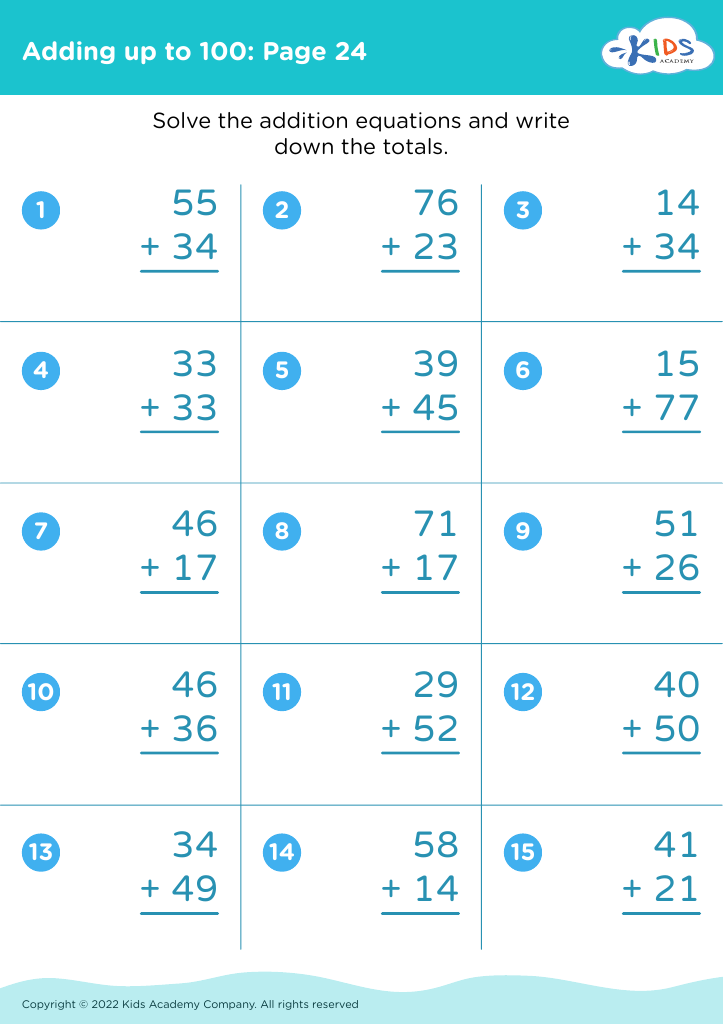
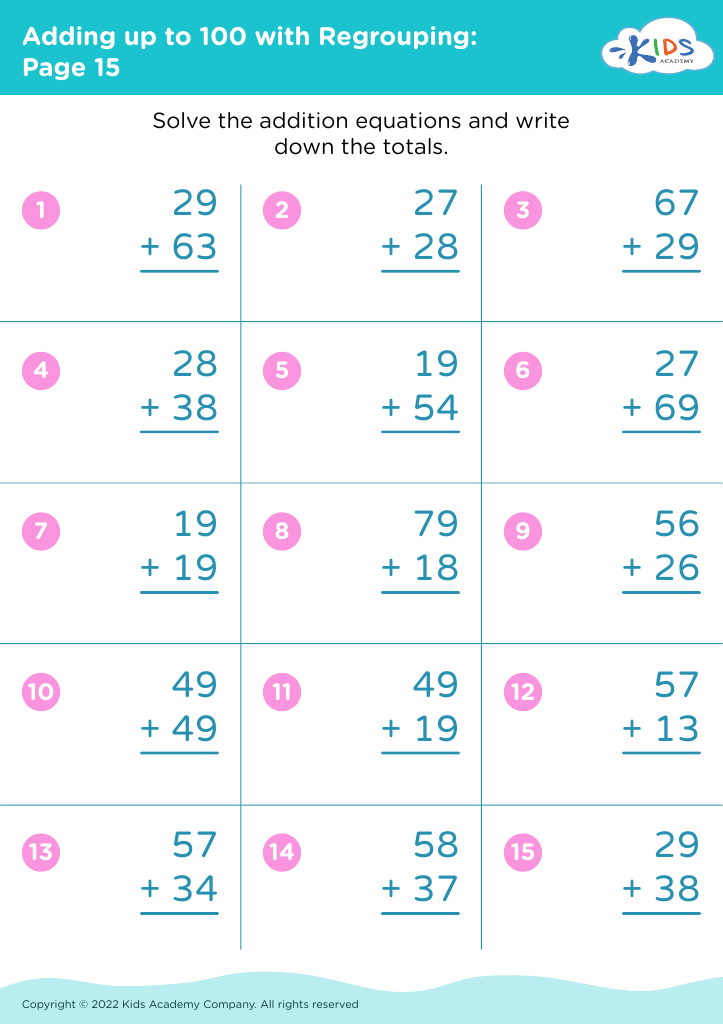
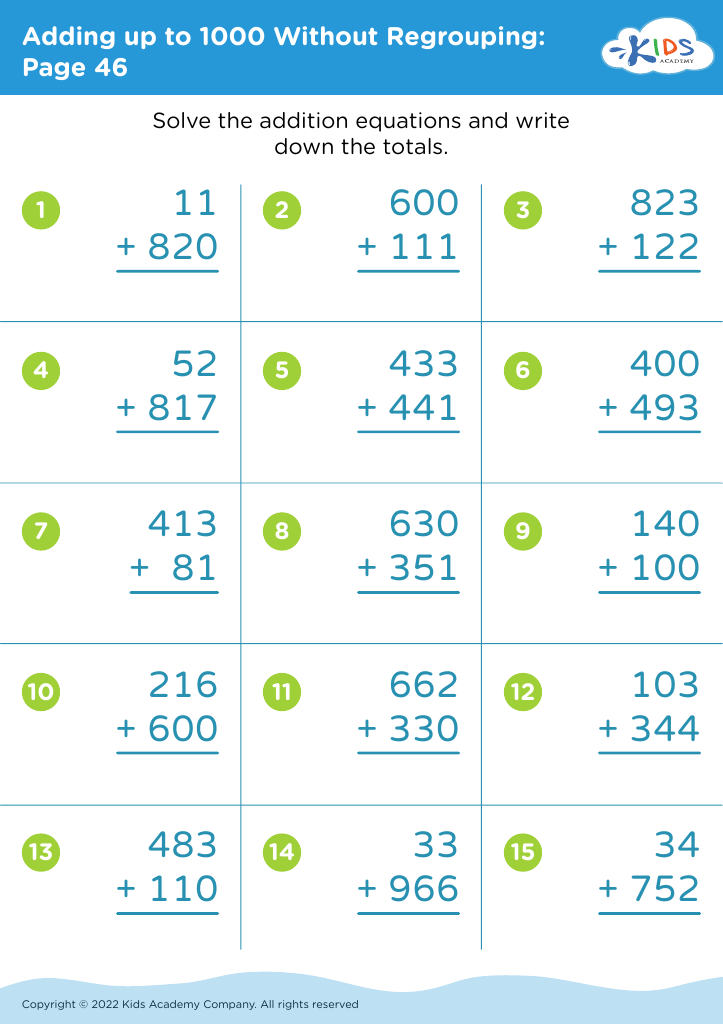
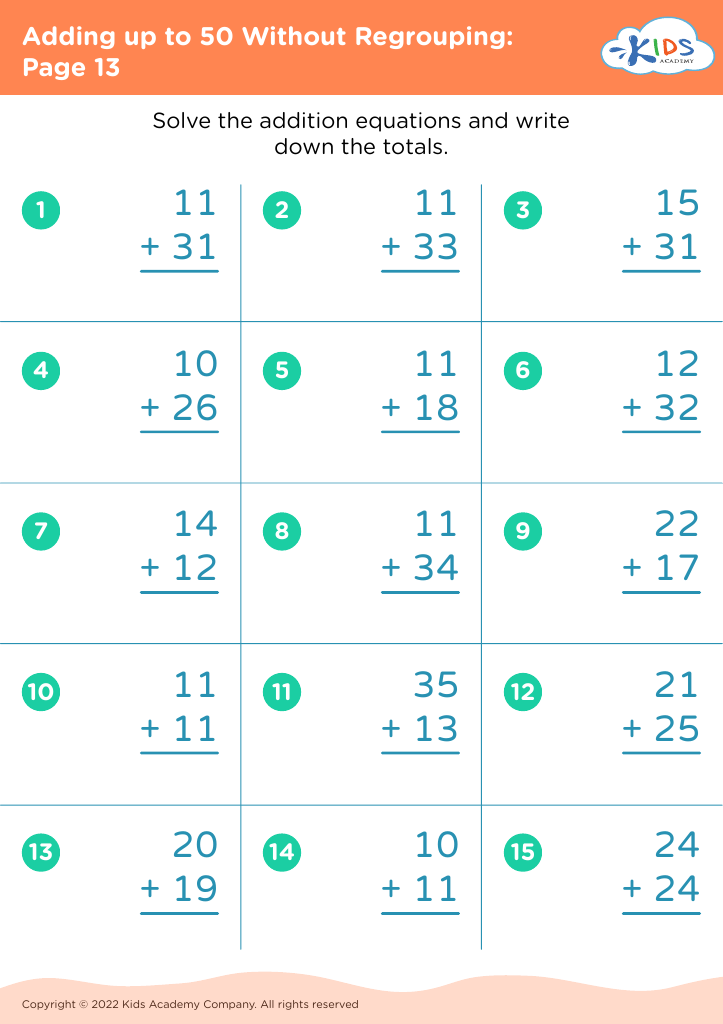
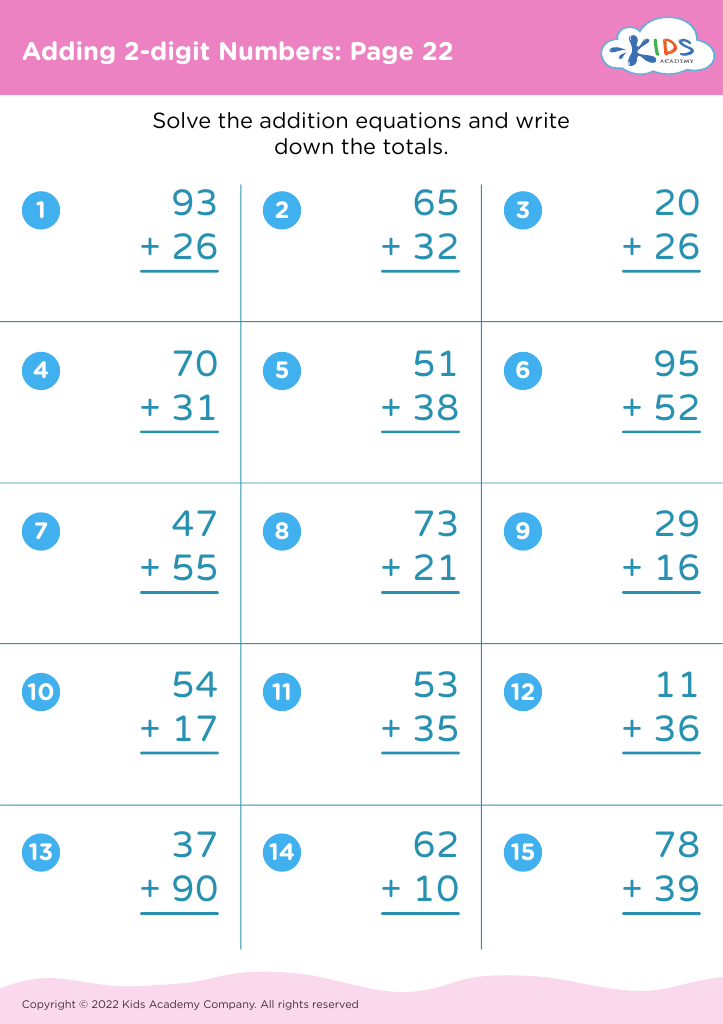
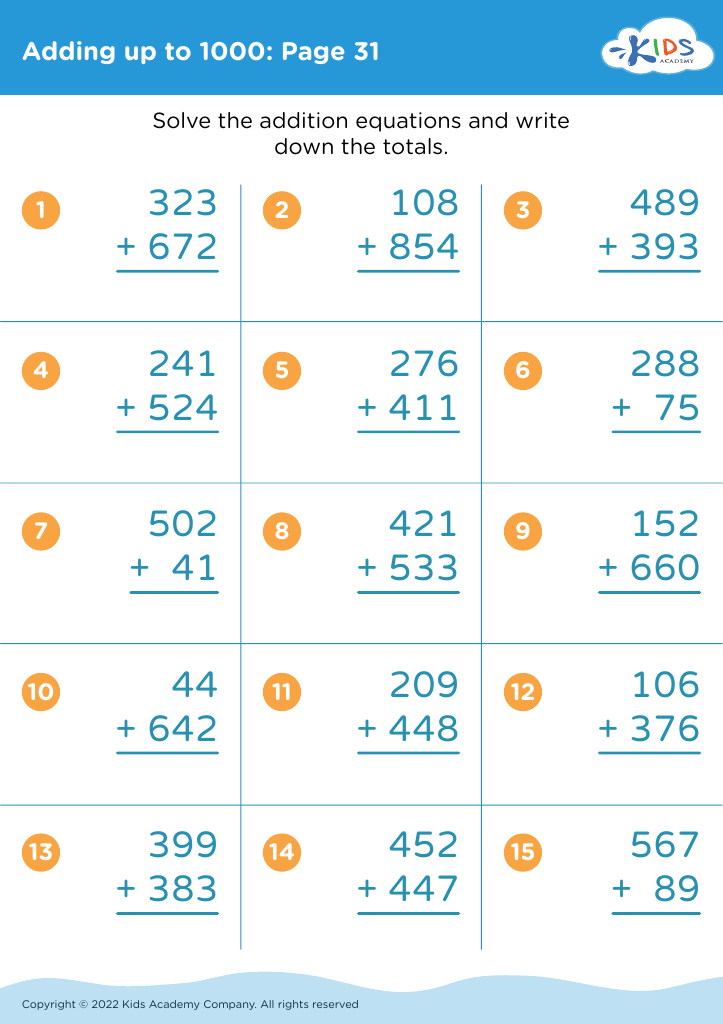
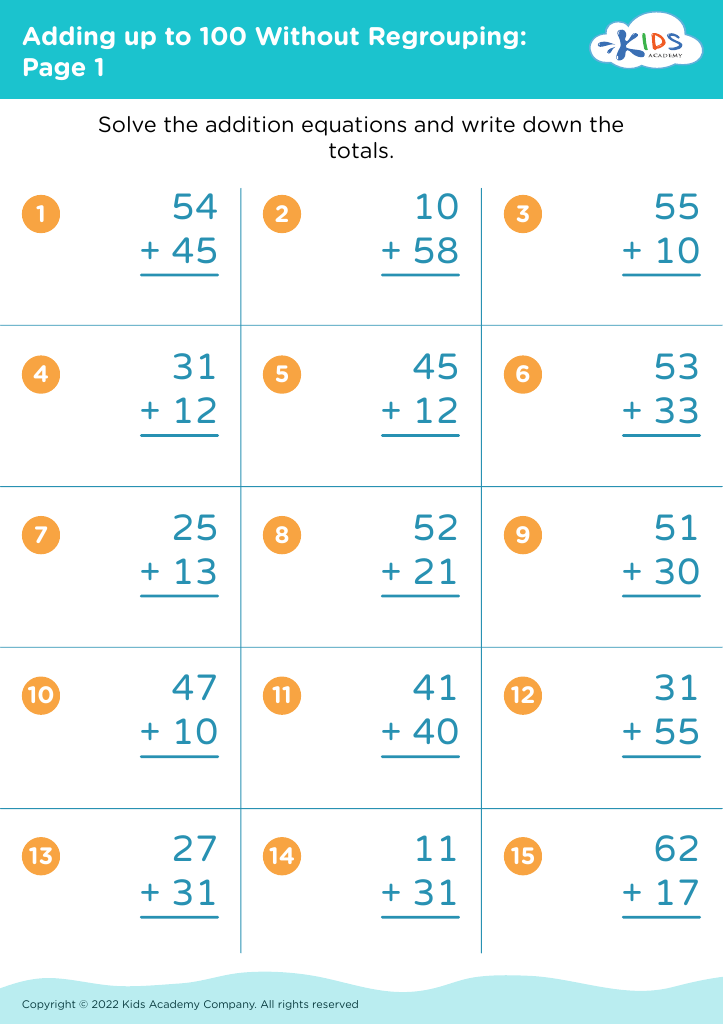
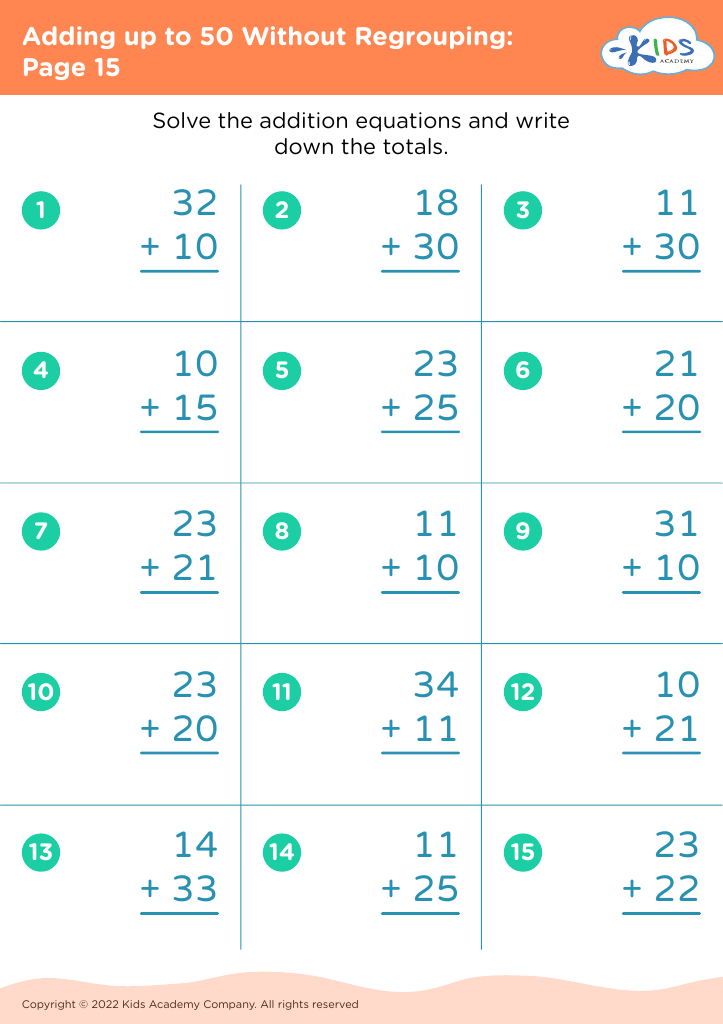



.jpg)



Improving number recognition in children aged 6-7 is crucial for their overall mathematical development and academic success. At this age, students transition from basic counting to more complex mathematical concepts. Mastery of number recognition provides a firm foundation for understanding operations like addition and subtraction, as well as concepts such as place value.
When children can easily recognize numbers, they develop confidence in their math skills, which can positively impact their attitude towards learning. This recognition not only helps in daily classroom activities but also prepares them for future challenges in mathematics. Early proficiency in number recognition aids cognitive development and enhances critical thinking skills, fostering a positive attitude towards problem-solving.
Additionally, strong number recognition skills help students tackle real-world applications, from telling time to understanding financial concepts. For parents and teachers, supporting this developmental stage means creating a strong foundation for lifelong learning. Engaging students in fun activities that promote number recognition, such as games and interactive lessons, keeps them motivated and enhances their early mathematical abilities.
Ultimately, by emphasizing number recognition, parents and teachers help cultivate a generation of confident, capable learners equipped for future academic endeavors and everyday life challenges.








