
Improving analytical thinking Worksheets for Ages 6-7
3 filtered results
Difficulty Level
Grade
Age
-
From - To
Subject
Activity
Standards
Help your child develop crucial problem-solving skills with our "Improving Analytical Thinking Worksheets for Ages 6-7." Designed to enrich young minds, these engaging activities foster critical thinking, logical reasoning, and pattern recognition. Each worksheet captivates children with fun exercises, colorful visuals, and relatable scenarios, encouraging them to analyze information, draw conclusions, and make decisions. Perfect for both at-home education and classroom use, these printable resources seamlessly integrate into your child’s learning routine. Equip your 6 to 7-year-old with the tools to excel in various subjects while nurturing their natural curiosity and cognitive growth with our thoughtfully crafted worksheets.
Favorites
With answer key
Interactive
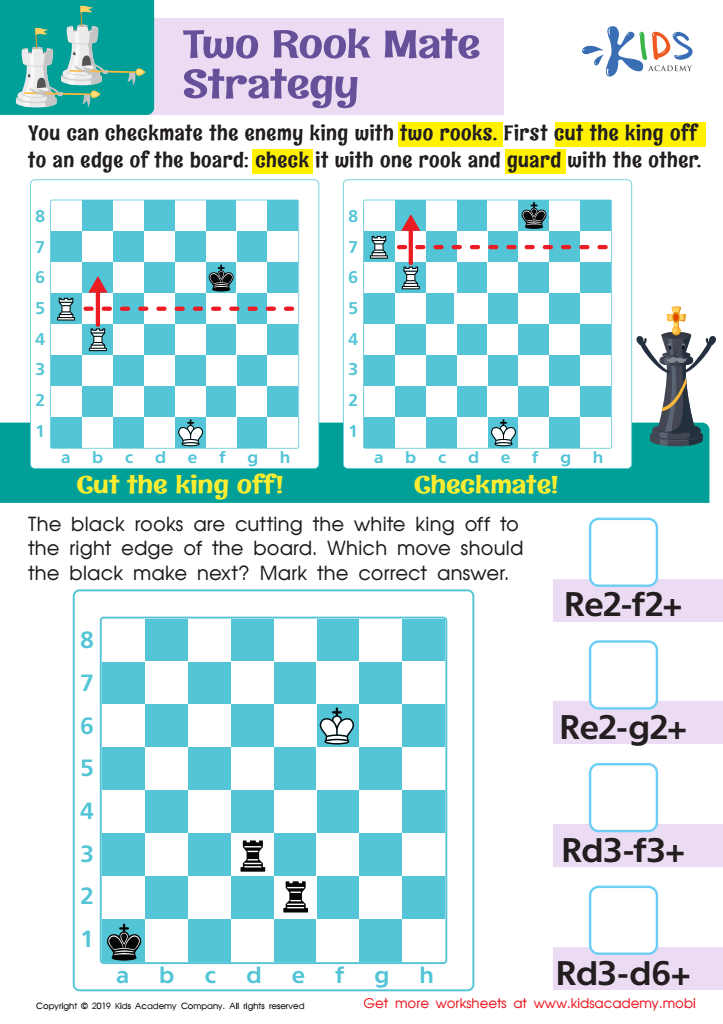
Two Rook Mate Strategy Worksheet
Kids who can play stress gain better reasoning, logic and critical thinking skills. This worksheet can teach kids the Two Rook Mate strategy to checkmate their opposite king. They'll discover how to close in the enemy king and protect with another rook, all the while enjoying a screen-free activity!
 Assign to My Students
Two Rook Mate Strategy Worksheet
Worksheet
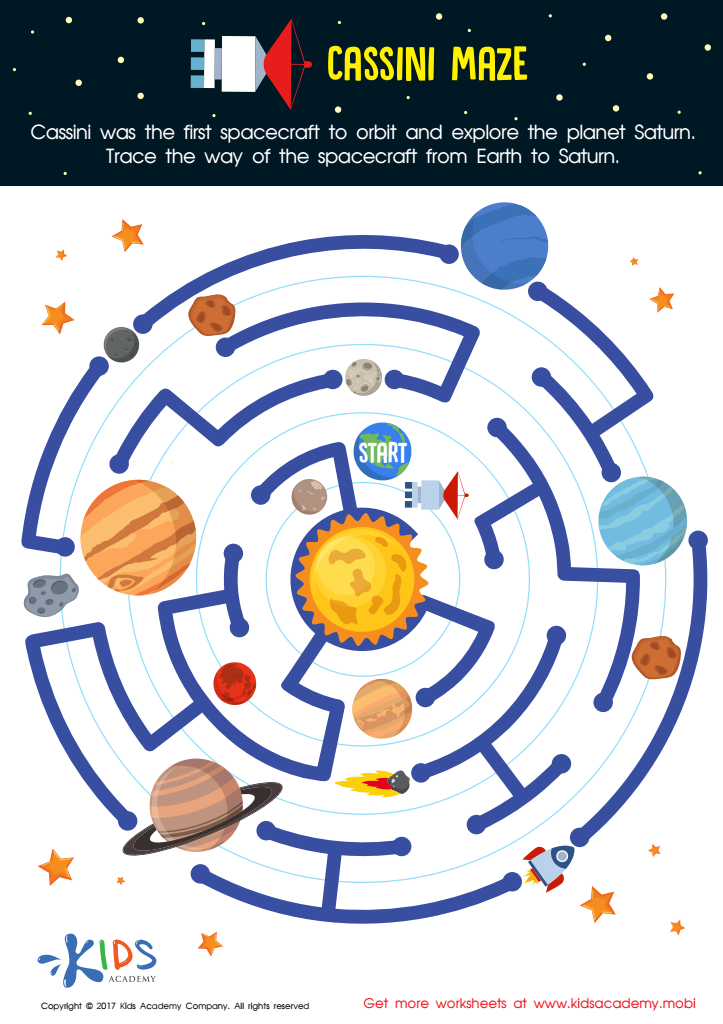
Cassini Printable Worksheet
Solve the Cassini maze and blast off to Saturn! Your child will love learning about the first spacecraft to orbit this beloved planet while navigating the tricky maze to find it.
Cassini Printable Worksheet
Worksheet
Join Kids Academy for Free
Who is primarily going to use this learning content?



.jpg)




Improving analytical thinking for children aged 6-7 is vital for their academic and personal growth. During this developmental stage, children are rapidly expanding their cognitive abilities and laying the foundation for future learning. Analytical thinking helps kids break down complex information, understand patterns, and solve problems effectively. By nurturing this skill early on, children become better equipped to tackle diverse academic subjects, from mathematics to reading comprehension.
Incorporating analytical thinking into the daily lives of young children fosters curiosity and a love for learning. This skill encourages them to ask questions, seek answers, and engage deeply with their environment. Parents and teachers who focus on developing analytical thinking contribute to a child's ability to make informed decisions, cultivate critical reasoning, and enhance creativity.
Moreover, analytical skills are crucial in helping children understand cause-and-effect relationships, which are essential for social interactions and conflict resolution. As they learn to analyze their surroundings and experiences, children gain confidence in their abilities to navigate challenges and adapt to new situations.
Ultimately, prioritizing analytical thinking in early education sets the stage for lifelong learning and success. By investing in this area, parents and teachers play a pivotal role in shaping well-rounded, independent, and capable individuals who can thrive in an ever-changing world.








