Improving mathematical skills Worksheets for Ages 6-7
5 filtered results
-
From - To
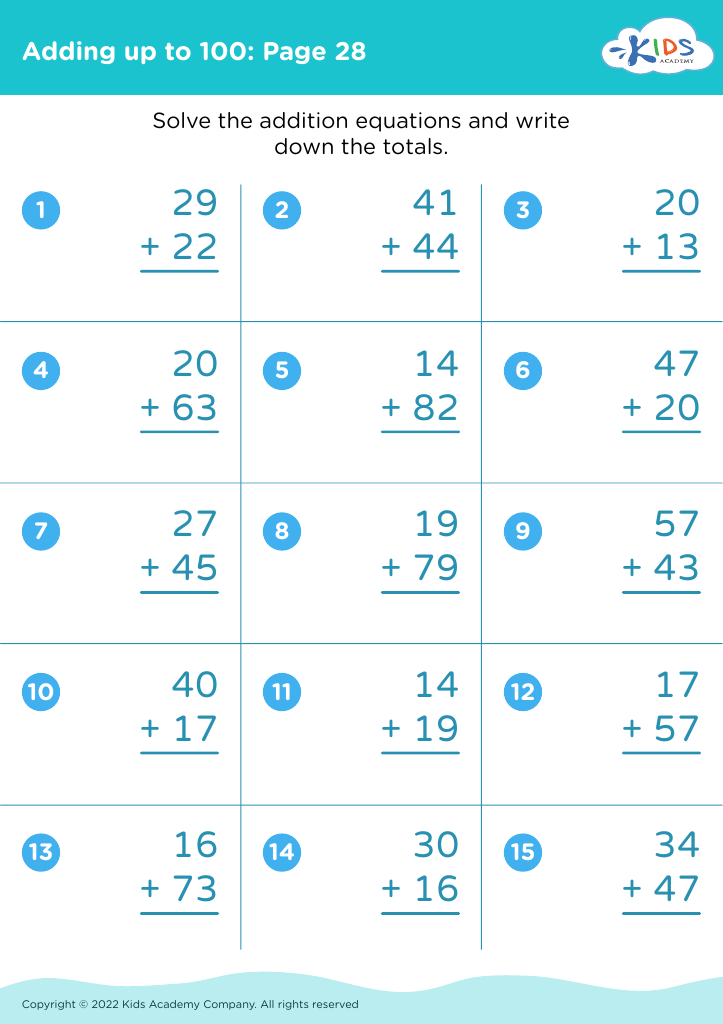
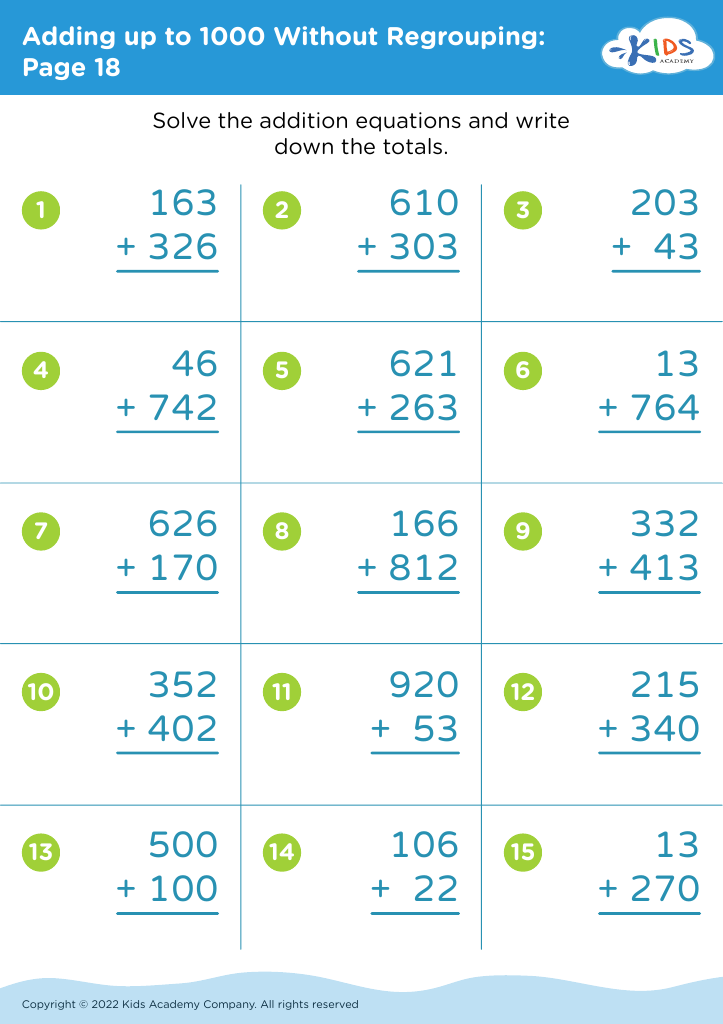
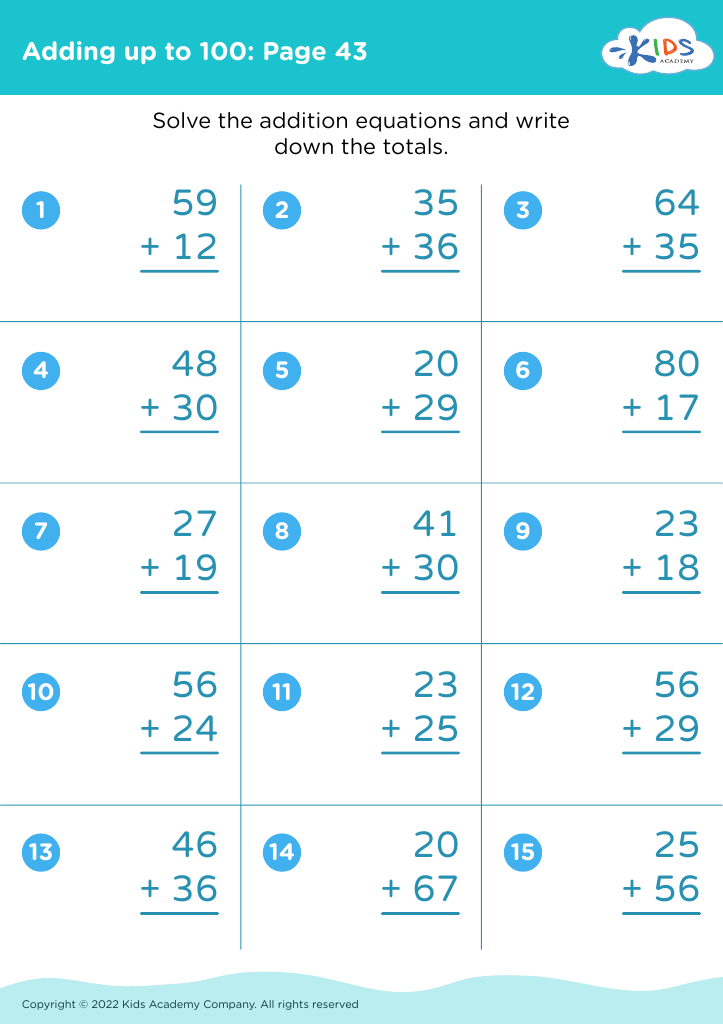
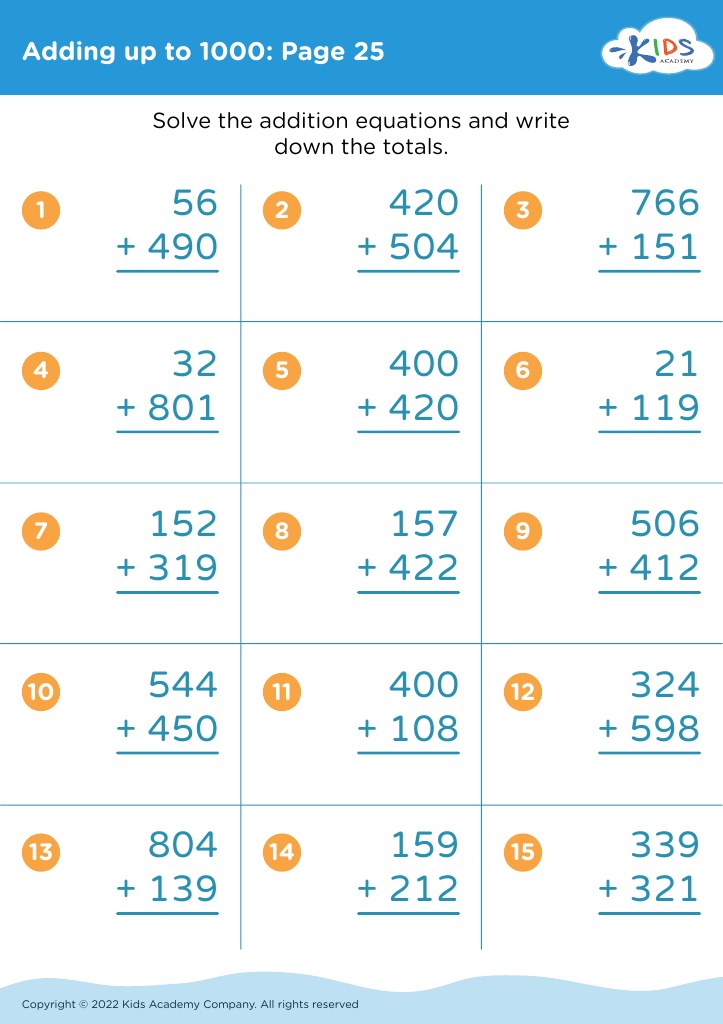
Discover engaging "Improving Mathematical Skills Worksheets" designed specifically for children aged 6-7! Our collection helps young learners build a strong foundation in mathematics through fun and interactive exercises. Each worksheet covers essential concepts such as addition, subtraction, shapes, and number recognition, promoting problem-solving and critical thinking skills. Ideal for classroom activities or home practice, these worksheets encourage children to explore math in a playful way. With vibrant illustrations and age-appropriate challenges, your child will gain confidence and competence in their mathematical abilities. Start fostering a love for learning and math today with our thoughtfully crafted resources!
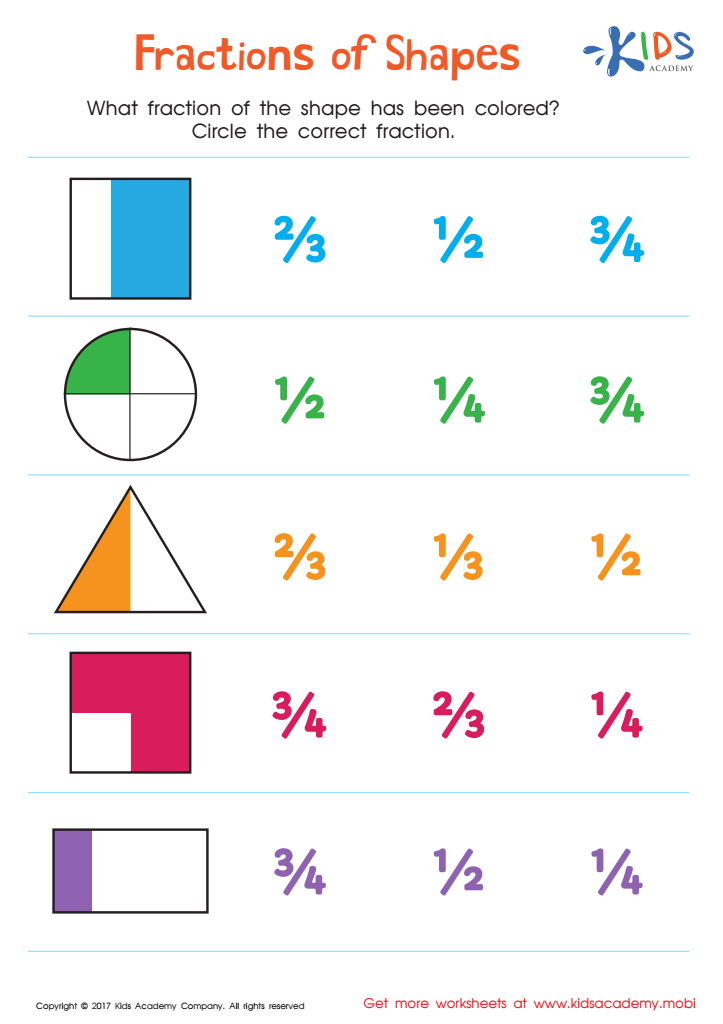
Fractions of Shapes: Math Concept Worksheet
 Assign to My Students







.jpg)
Improving mathematical skills at ages 6-7 is crucial for several reasons. First, this developmental stage serves as a foundation for later, more complex mathematical concepts. Children begin to build number sense, which affects their ability to approach problem-solving, critical thinking, and logical reasoning throughout their academic careers. By nurturing these skills early on, parents and teachers can help instill a love for math, transforming it from a challenging subject into an engaging and understandable discipline.
Additionally, math is essential for everyday life; it nurtures skills employed in shopping, cooking, and budgeting. By developing arithmetic skills, children will be better equipped to handle everyday tasks and real-world challenges. Early mathematical proficiency also builds confidence, as children experience success in learning and applying new concepts rather than facing overwhelming hurdles in later stages of education.
Finally, strong mathematical skills correlate with overall academic success. Studies show that early mathematical competence not only benefits children in math but also enhances literacy and other subject areas. Thus, prioritizing the improvement of mathematical skills for children aged 6-7 can lead to a lifetime of positive educational outcomes, personal empowerment, and experiential success. Parents and teachers play a pivotal role in guiding this critical aspect of early childhood development.








