Increase vocabulary knowledge Worksheets for Ages 6-7
4 filtered results
-
From - To
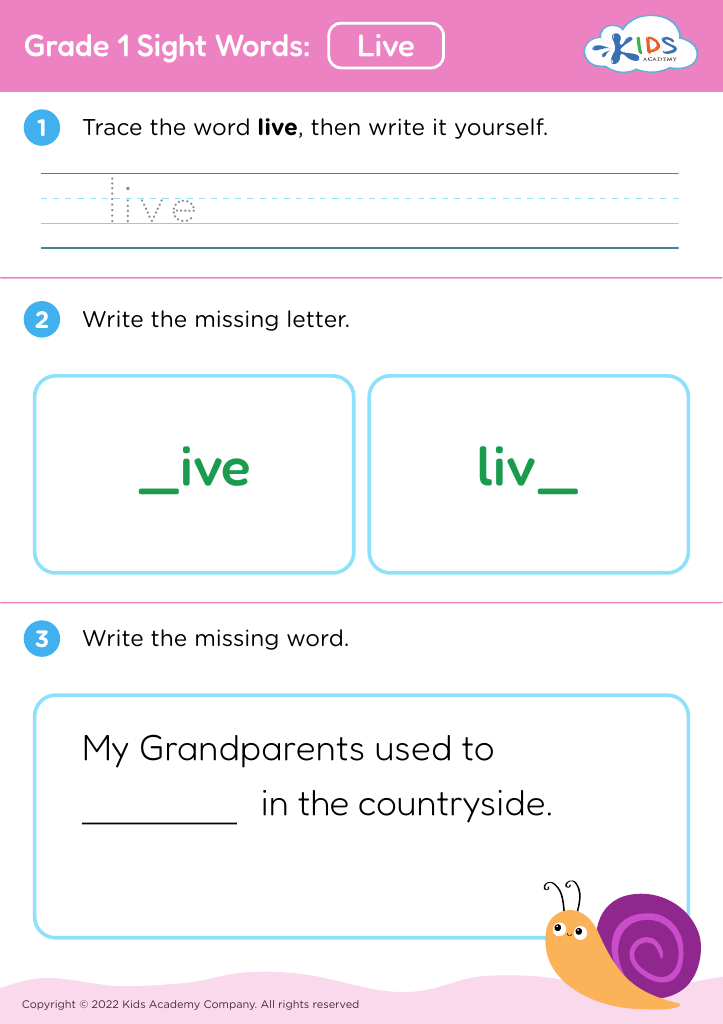
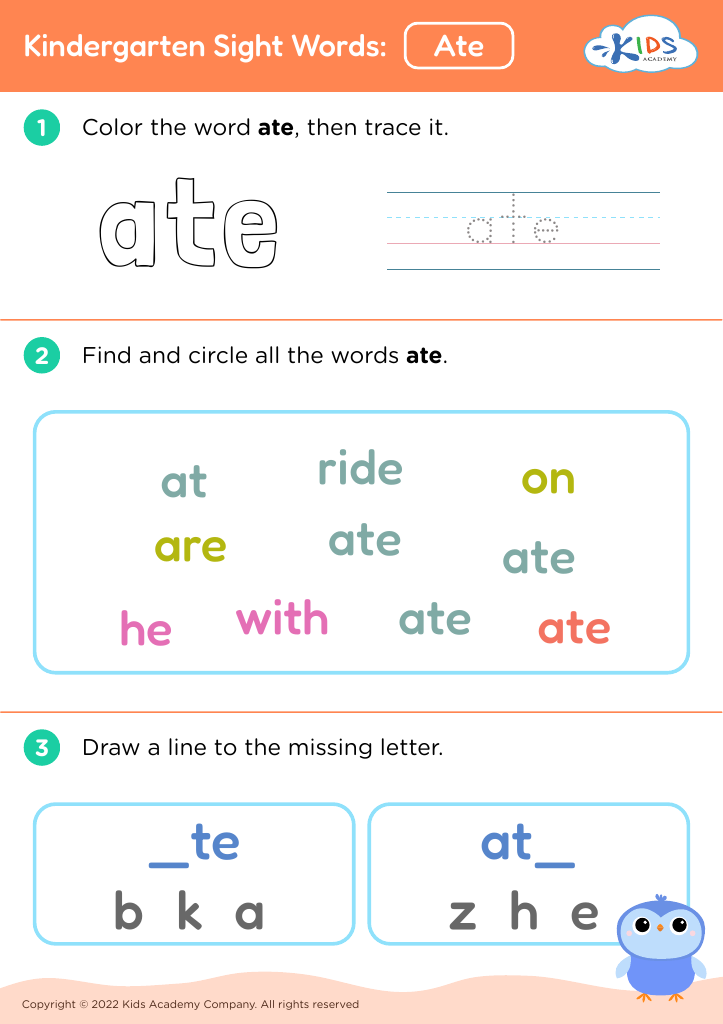
Enhance your child's vocabulary with our engaging "Increase Vocabulary Knowledge Worksheets" designed specifically for ages 6-7. These worksheets feature fun activities that promote language development through interactive exercises, including word matching, fill-in-the-blanks, and picture associations. Our carefully crafted content aligns with age-appropriate learning standards, ensuring that children build essential language skills while having a blast. By exploring new words in relatable contexts, kids will grow their vocabulary confidence and comprehension abilities. Perfect for classroom use or at-home learning, these worksheets are a valuable resource for parents and educators alike. Start expanding your child's vocabulary today!









Enhancing vocabulary knowledge in children ages 6-7 is crucial for their overall development and future success. This formative stage marks a significant period where children embrace language, decipher meanings, and express themselves better. A robust vocabulary aids reading comprehension, as children begin to engage with more complex texts filled with unfamiliar words. The construction of a rich vocabulary can also bolster their writing skills, encouraging clearer and more creative expression.
Moreover, vocabulary knowledge contributes to critical thinking and cognitive development. As children learn new words, they gain the ability to understand and discuss complex concepts and ideas, fostering curiosity and learning.
Socially, a broad vocabulary can help children communicate more effectively with peers and adults, enhancing their confidence and relationships. Conversations become enriched, allowing for deeper engagement in discussions about feelings, experiences, and learning.
Parents and teachers share a vital role in this journey. They can encourage vocabulary development through reading, conversation, and interactive activities that promote learning in fun, engaging ways. By prioritizing vocabulary expansion, adults must recognize the long-term benefits that support academic achievement and holistic growth in children. Investing in their vocabulary now lays a strong foundation for their lifelong learning and success.








