Learning addition Worksheets for Ages 6-7
7 filtered results
-
From - To
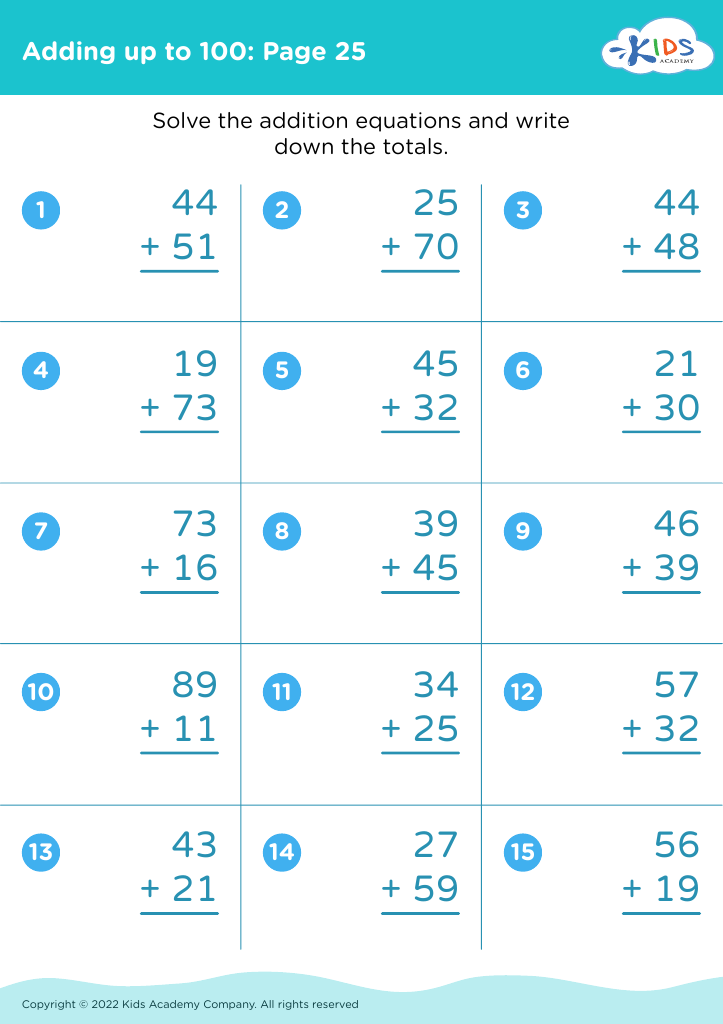
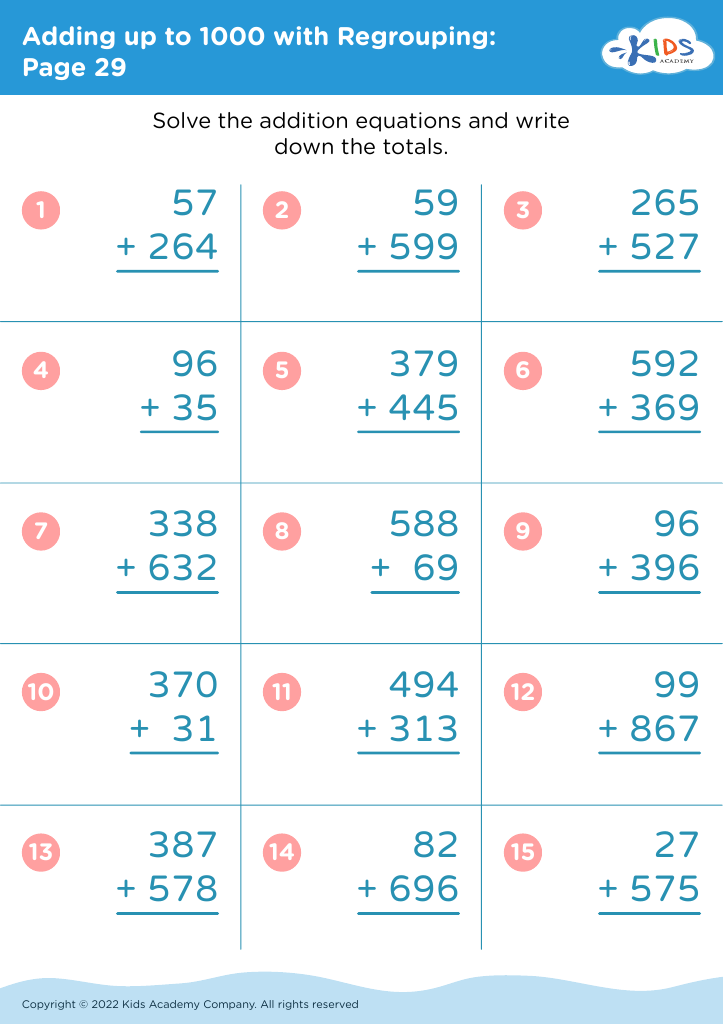
Boost your child’s math skills with our curated collection of Learning Addition Worksheets, perfect for ages 6-7. Designed to make math both fun and educational, these worksheets help young learners grasp addition fundamentals through engaging exercises and colorful visuals. Each worksheet is crafted to reinforce concepts progressively, ensuring children build confidence and proficiency in basic math. Ideal for home or classroom use, these printable resources provide ample practice opportunities to solidify addition skills, set the foundation for future math success, and ignite a love for numbers. Expand your child's learning journey with Kids Academy today!
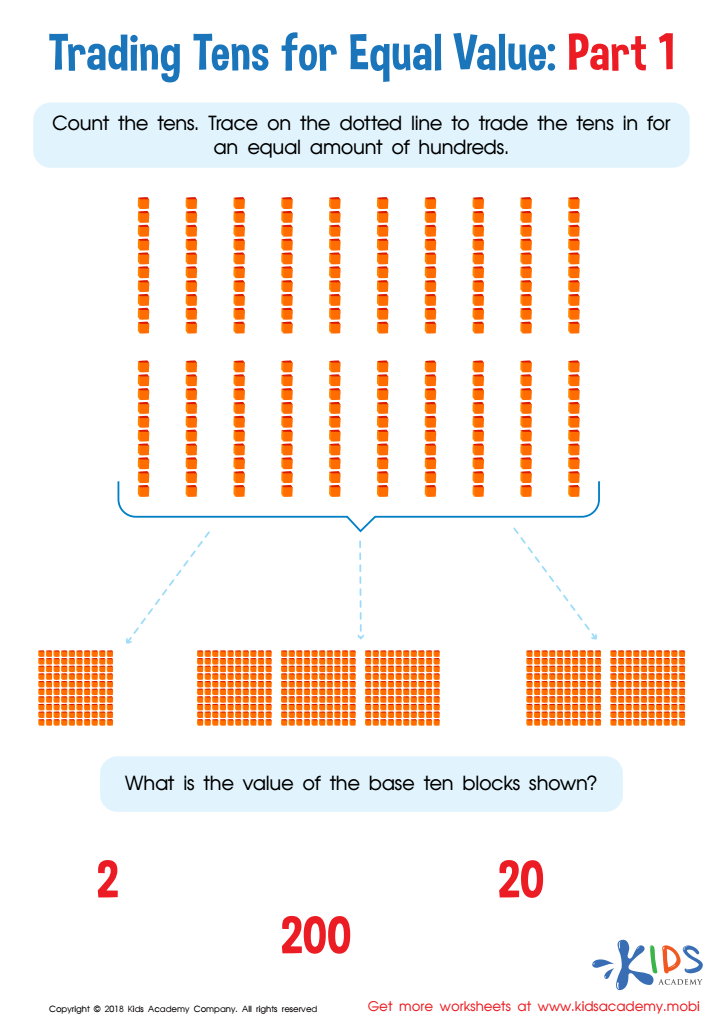
Trading Tens for Equal Value Worksheet: Part 1
 Assign to My Students
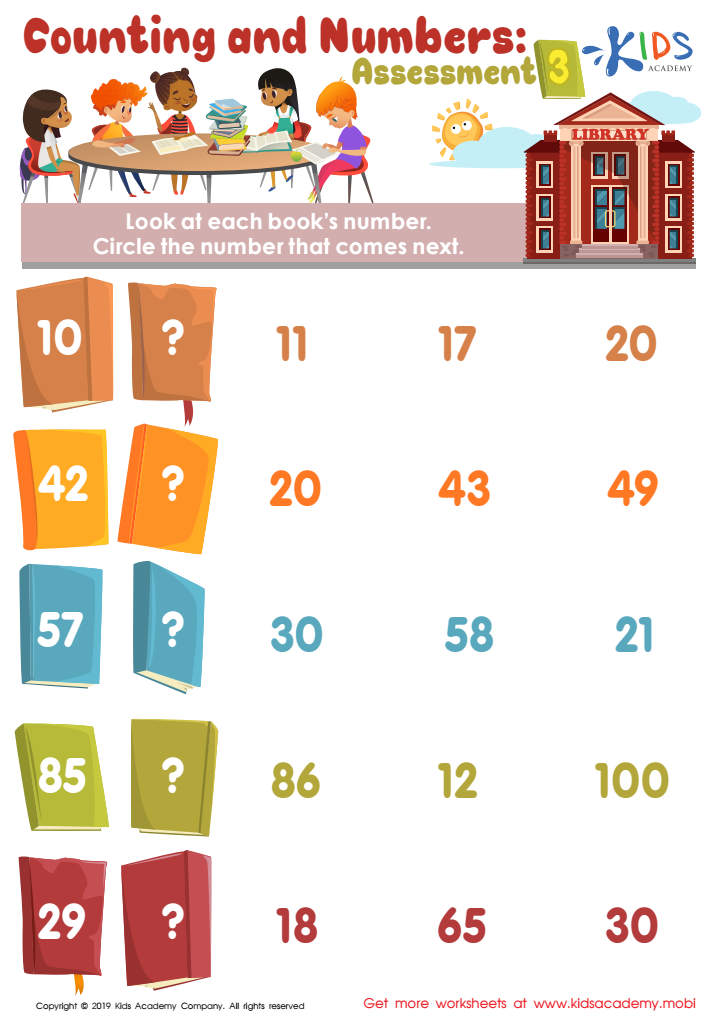
Counting and Numbers: Assessment Worksheet
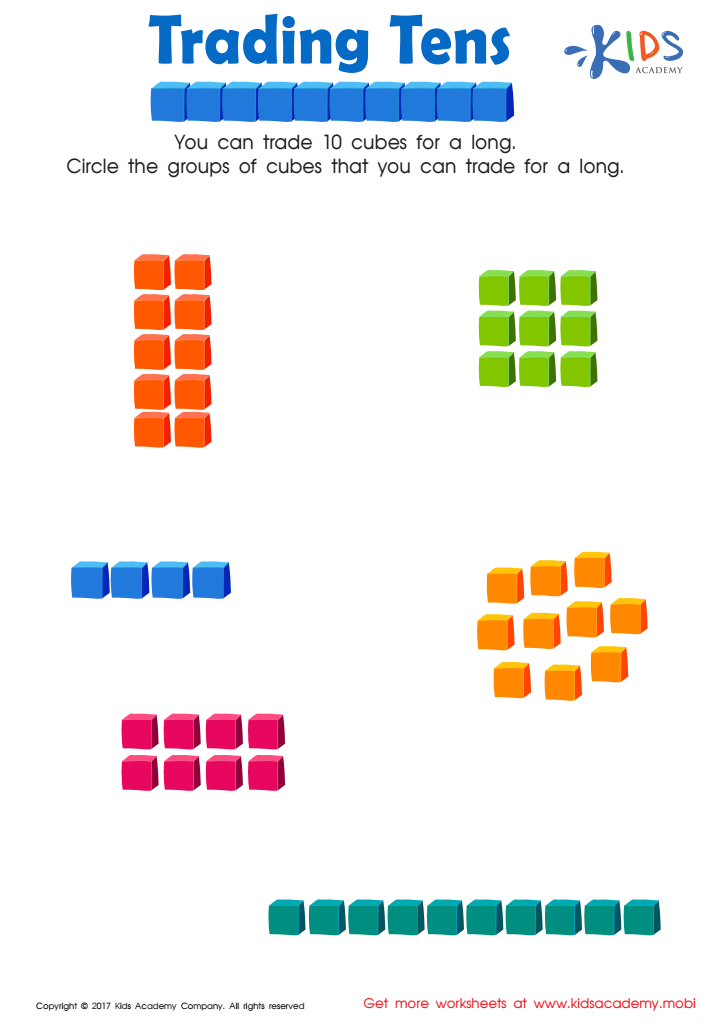
Trading Tens Worksheet
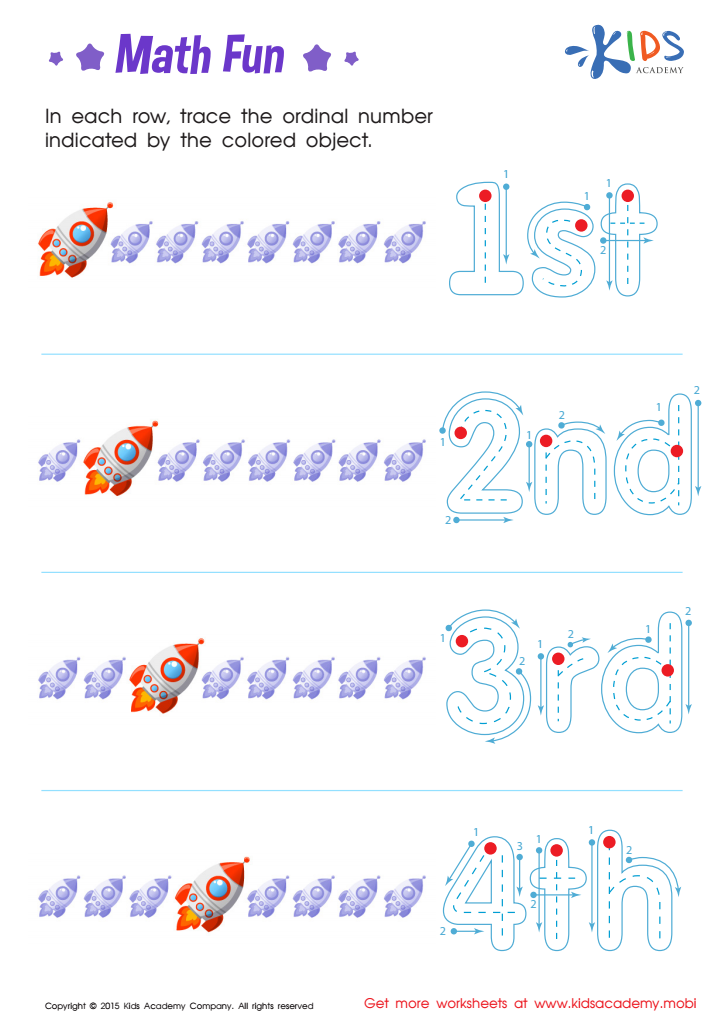
Ordinal Numbers: Math Fun Worksheet







Parents and teachers should pay close attention to learning addition for 6-7-year-olds because it lays the foundational blocks for all future mathematical understanding. At this developmental stage, children begin to appreciate how numbers work together, which is crucial for their cognitive growth. When pupils master basic addition, they develop problem-solving skills that are applicable in everyday life, such as counting money, telling time, and even understanding patterns in nature.
Moreover, addition serves as a gateway to more complex mathematical concepts, like subtraction, multiplication, and division. If a child struggles with addition, it may impact their confidence and willingness to engage with more advanced math later on. This early success can lead to a positive attitude towards school and learning in general.
Beyond academics, learning addition enhances critical thinking and logical reasoning. It contributes to improved memory and attention to detail as students practice recall and mental math exercises. This period is also crucial for developing good study habits and a sense of discipline.
In summary, laying a solid mathematical foundation in early years has long-term educational benefits. Teachers and parents play a vital role by encouraging and providing supportive, engaging learning experiences to ensure children's academic success and foster a lifelong love of learning.








