Logic development Worksheets for Ages 6-7
4 filtered results
-
From - To
Discover the ultimate collection of Logic Development Worksheets for Ages 6-7, designed to sharpen young minds through fun, engaging activities. These worksheets are thoughtfully crafted to enhance critical thinking, problem-solving, and pattern recognition, while also fostering creativity. Ideal for home and classroom use, our printable worksheets help children develop essential cognitive skills. Each exercise is presented with colorful visuals and simple instructions to captivate and retain their interest. Give your child a head start on logical thinking and prepare them for future academic success with our expertly developed resources. Explore our worksheets and watch young minds grow.
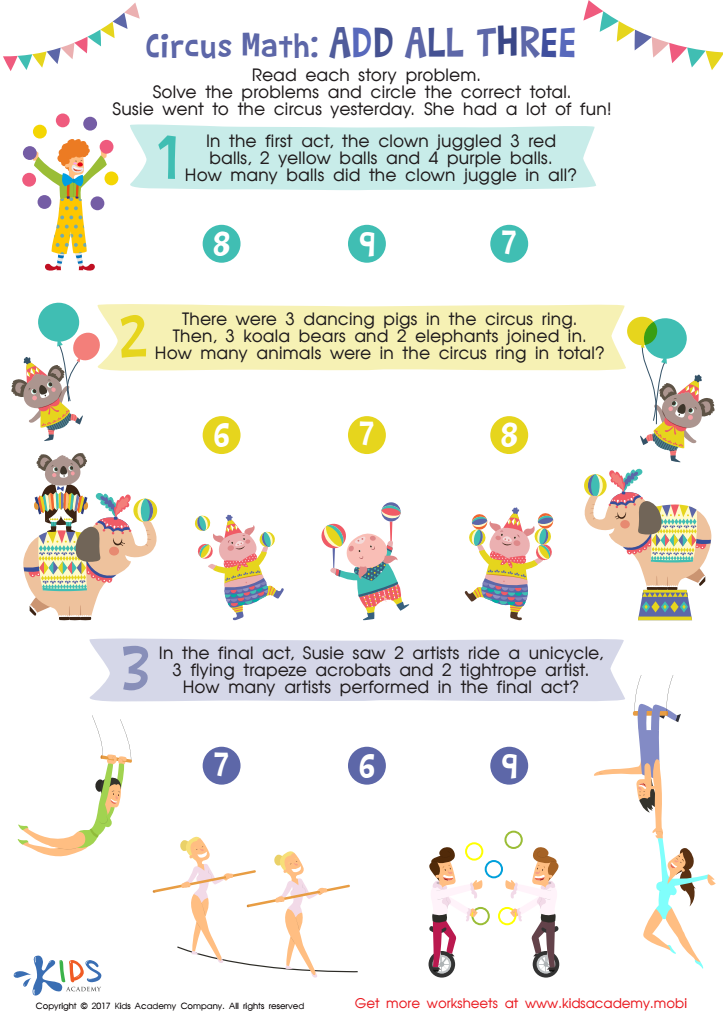
Circus Math Printable
 Assign to My Students
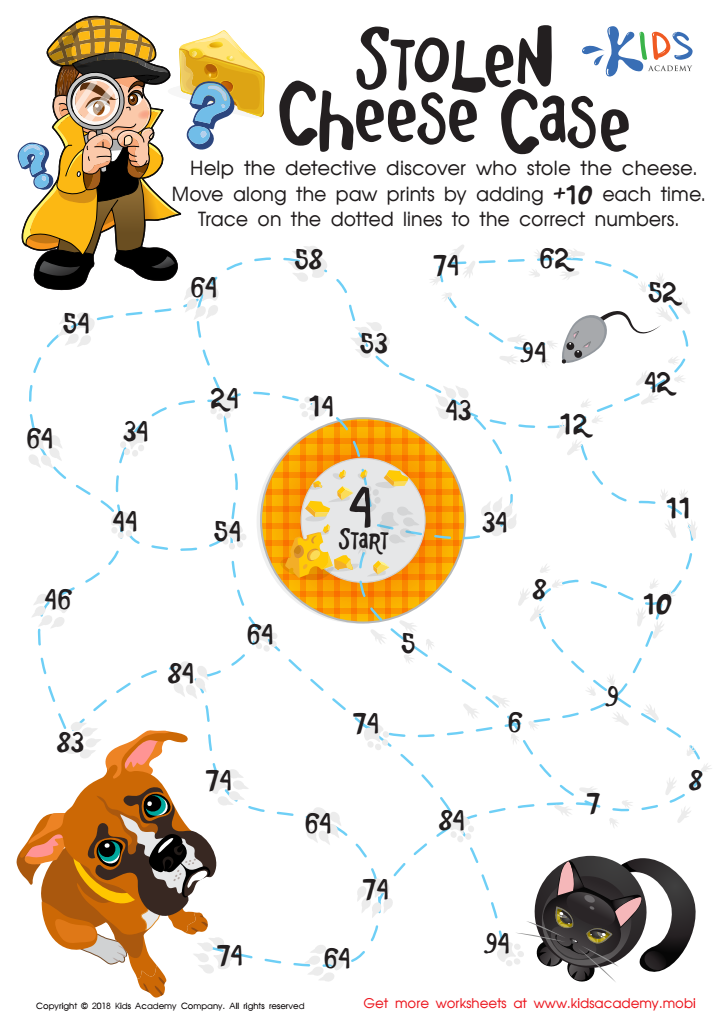
Stolen Cheese Case Maze Worksheet

Tricky Patterns Size Worksheet
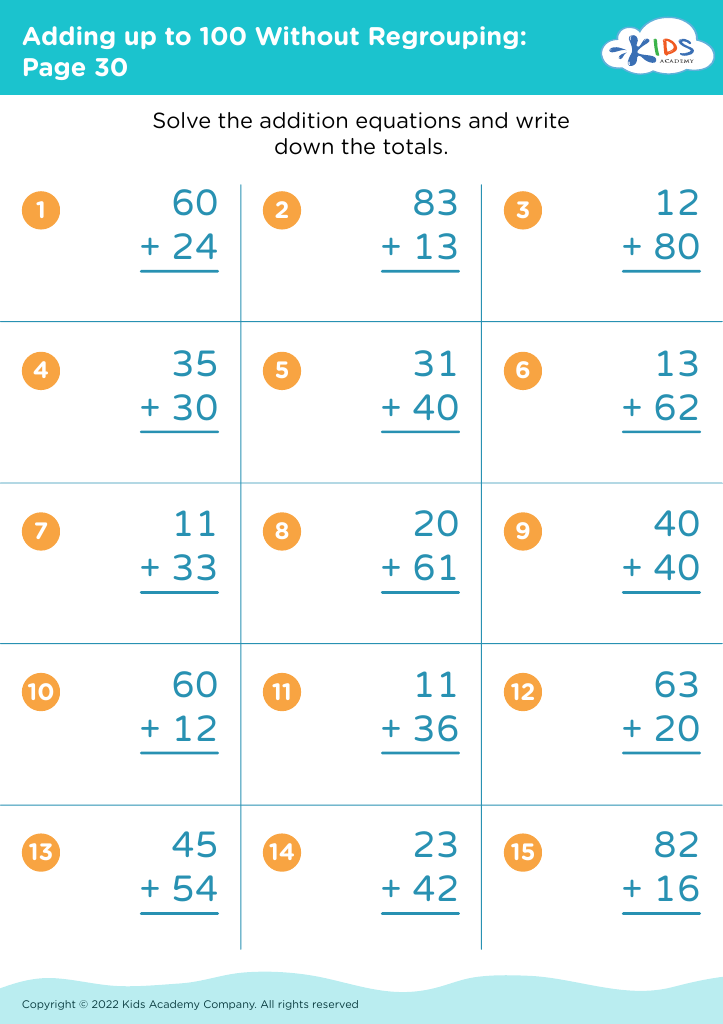








At ages 6-7, children experience critical cognitive development, making it an essential time to focus on logic development. Logical reasoning is foundational for essential skills such as problem-solving, decision-making, and understanding cause-and-effect relationships. At this age, children begin to progress from concrete to more abstract thinking, solving new problems and logically connecting ideas.
For parents and teachers, nurturing logic development can significantly enhance a child's future academic performance. Children who develop strong logical skills early on are often better at subjects like mathematics and science, as these disciplines require systematic thinking and the ability to follow a sequence of steps or understand patterns.
Furthermore, logical thinking also improves reading comprehension. When children are capable of following a storyline and understanding characters' motives, they can better predict outcomes and infer meaning, which deepens their overall understanding and engagement with texts.
Emotionally and socially, logic skills empower children to navigate everyday situations more effectively. They become more adept at resolving disputes with peers, making responsible choices, and understanding the perspectives of others.
Incorporating activities that foster logical thinking, such as puzzles, games, and exploratory discussions, ensures that children build a robust cognitive foundation. Parents and teachers play pivotal roles in this process, guiding children through learning experiences that stimulate logical thought and ultimately set the stage for lifelong critical thinking skills.








