Logical Reasoning Worksheets for Ages 6-7 - Page 2
48 filtered results
-
From - To
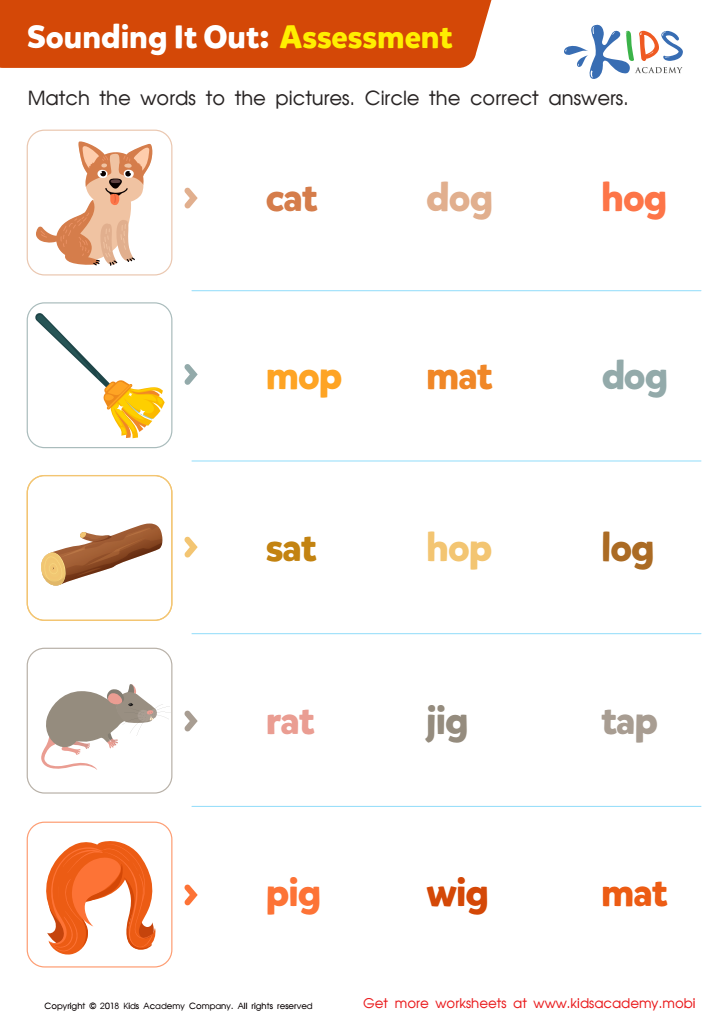
Sounding it Out: Assessment Worksheet
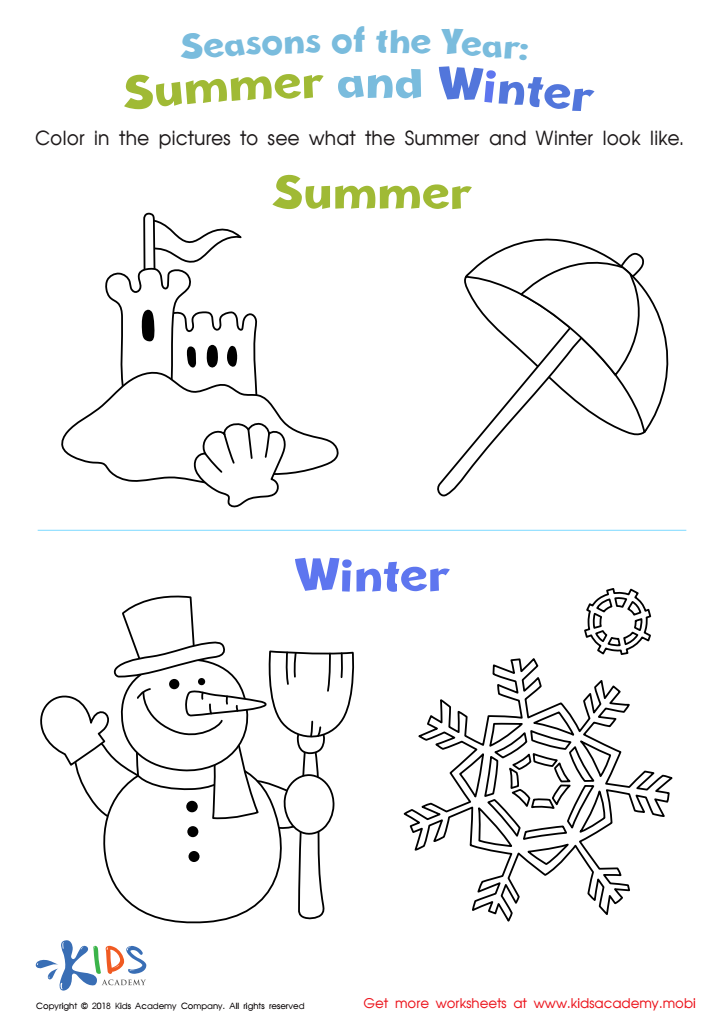
Summer and Winter Worksheet
 Assign to My Students
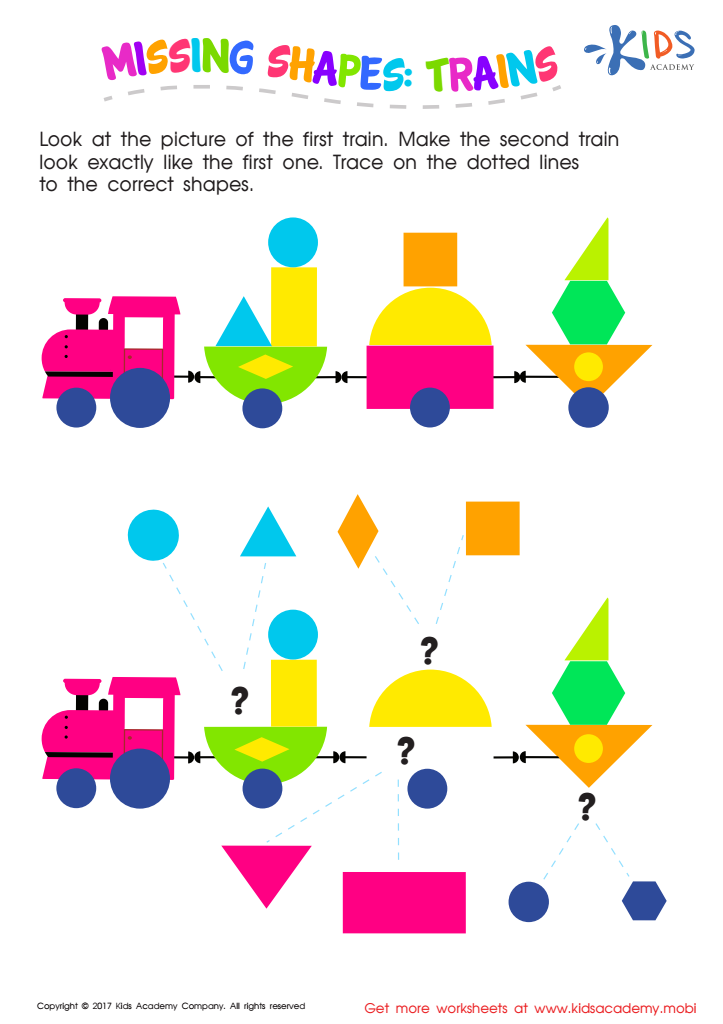
Missing Shapes: Trains Worksheet
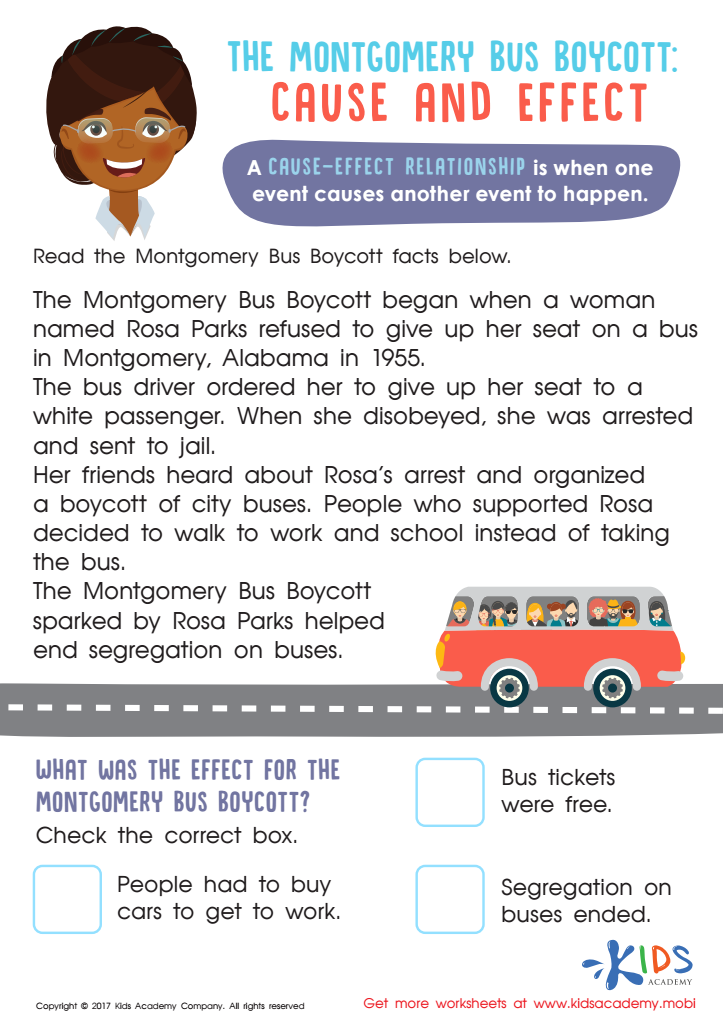
The Montgomery Bus Boycott Cause and Effect Worksheet
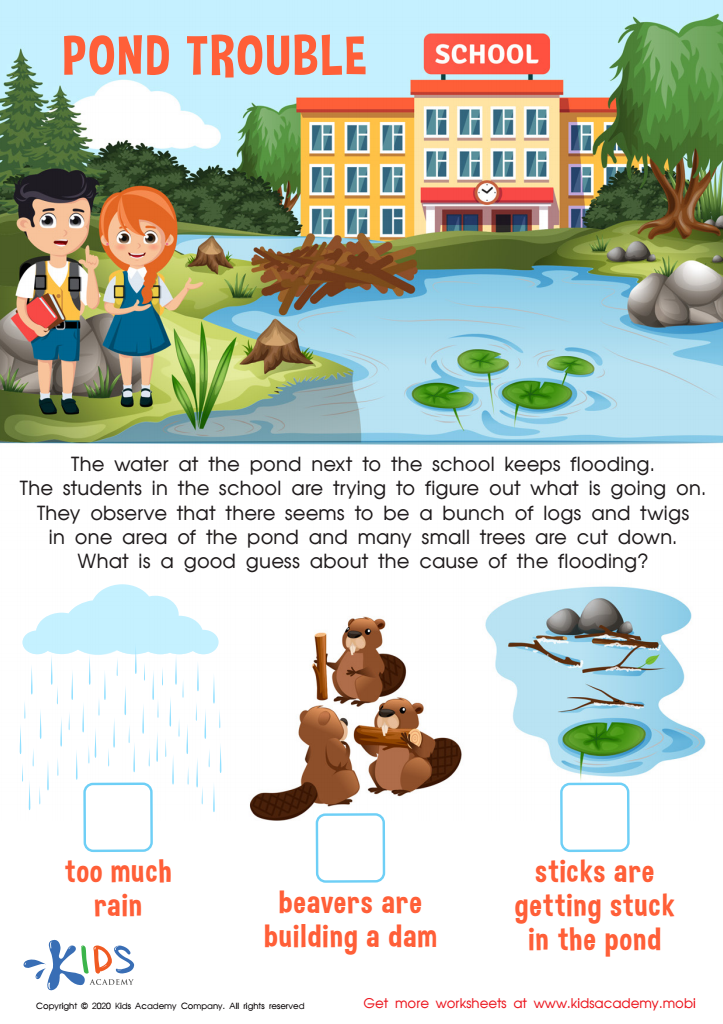
Pond Trouble Worksheet
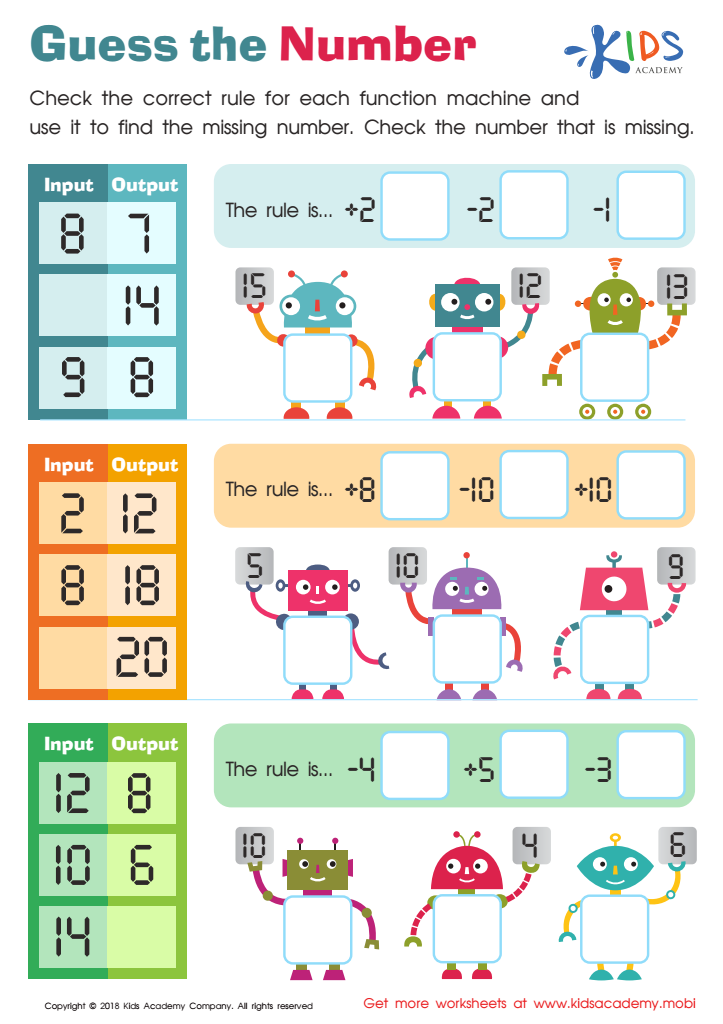
Guess the Number Worksheet
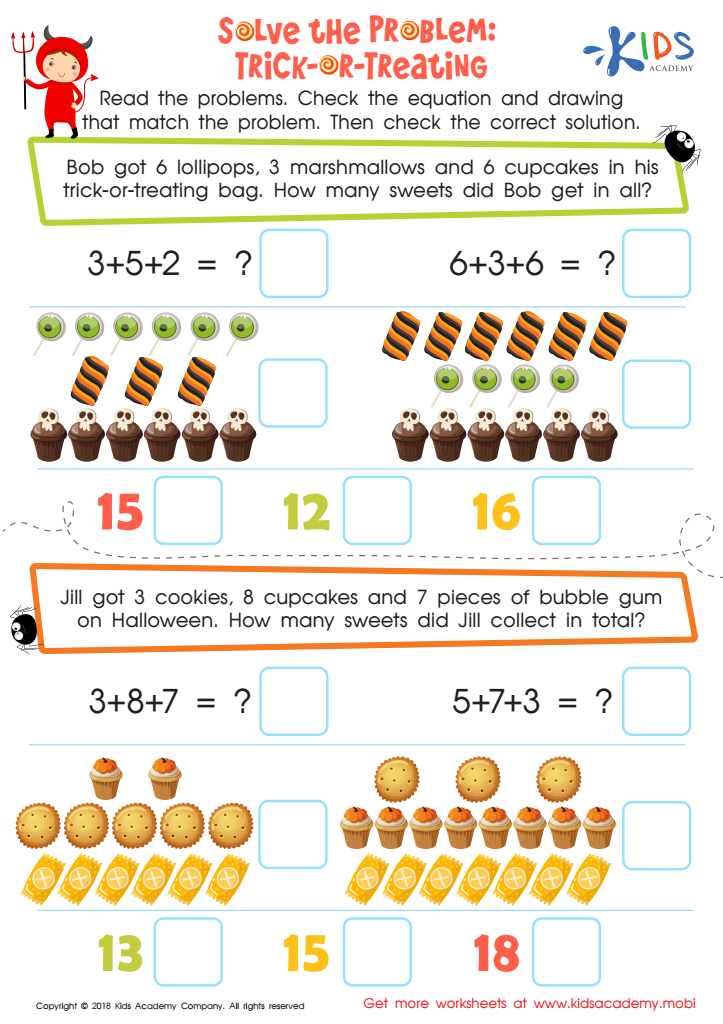
Solve the Problem: Trick–or–treating Worksheet
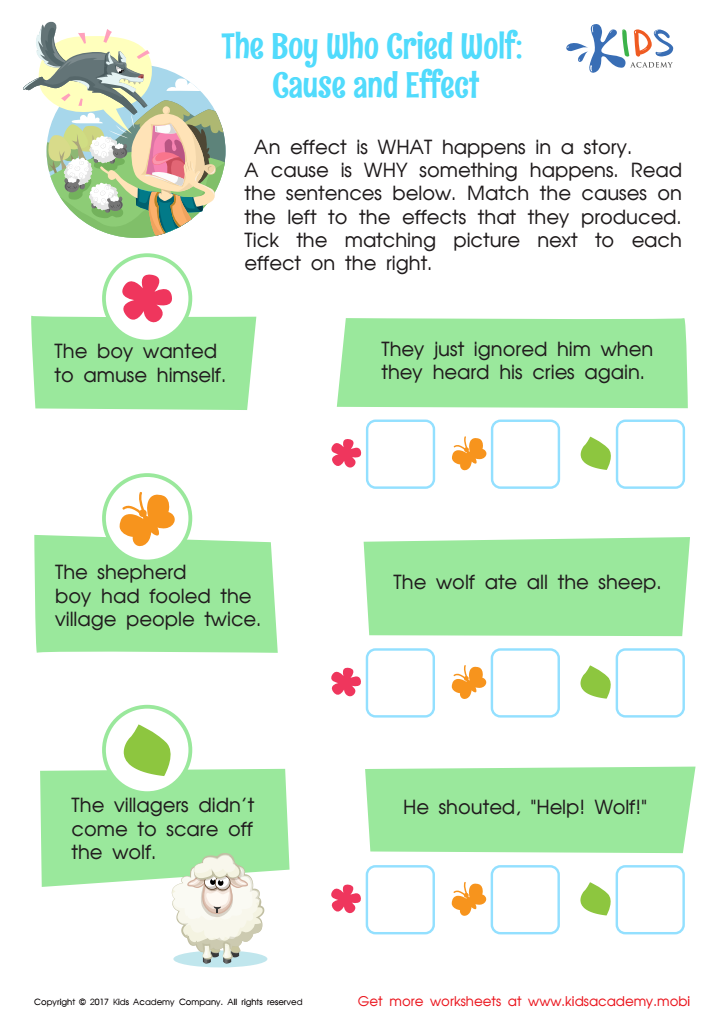
The Boy Who Cried Wolf: Cause and Effect Worksheet
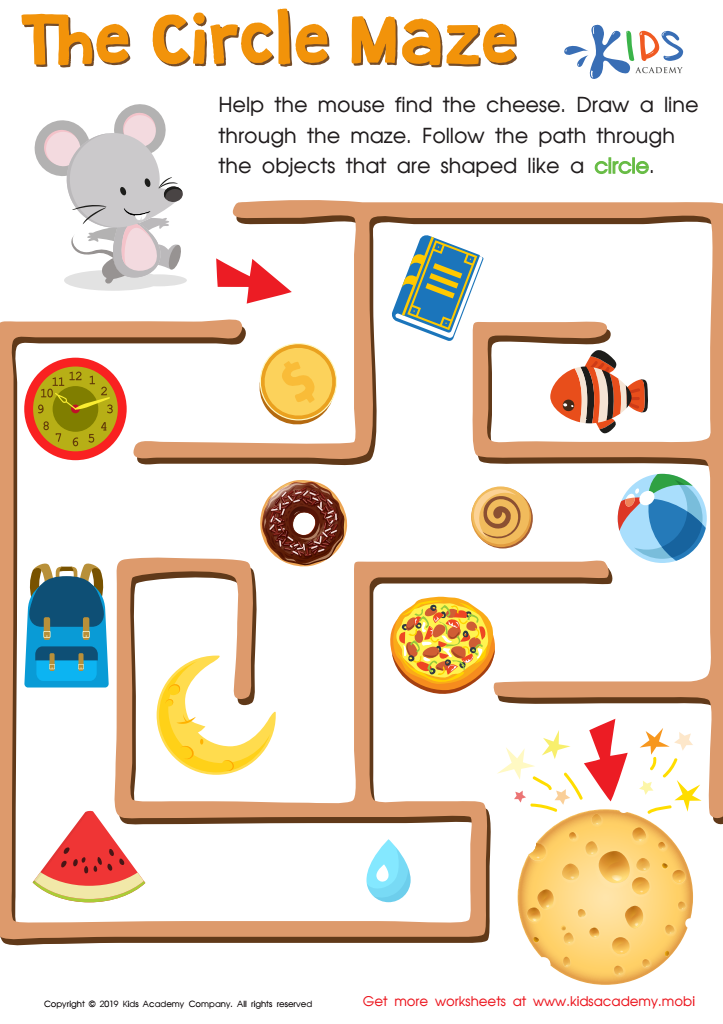
The Circle Maze Worksheet
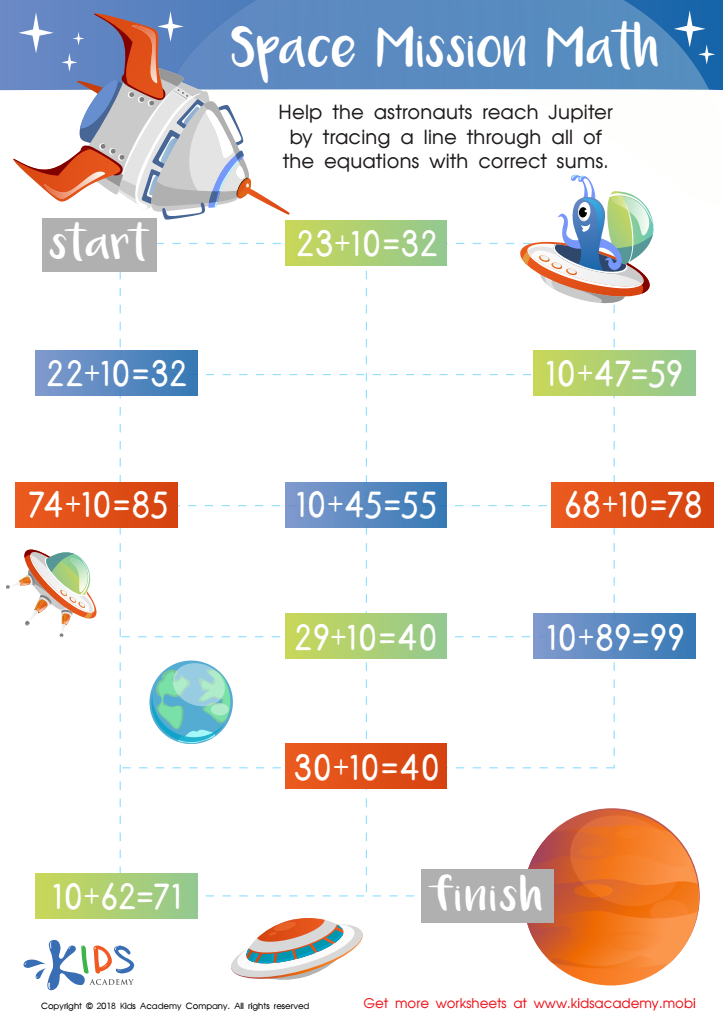
Space Mission Math Worksheet
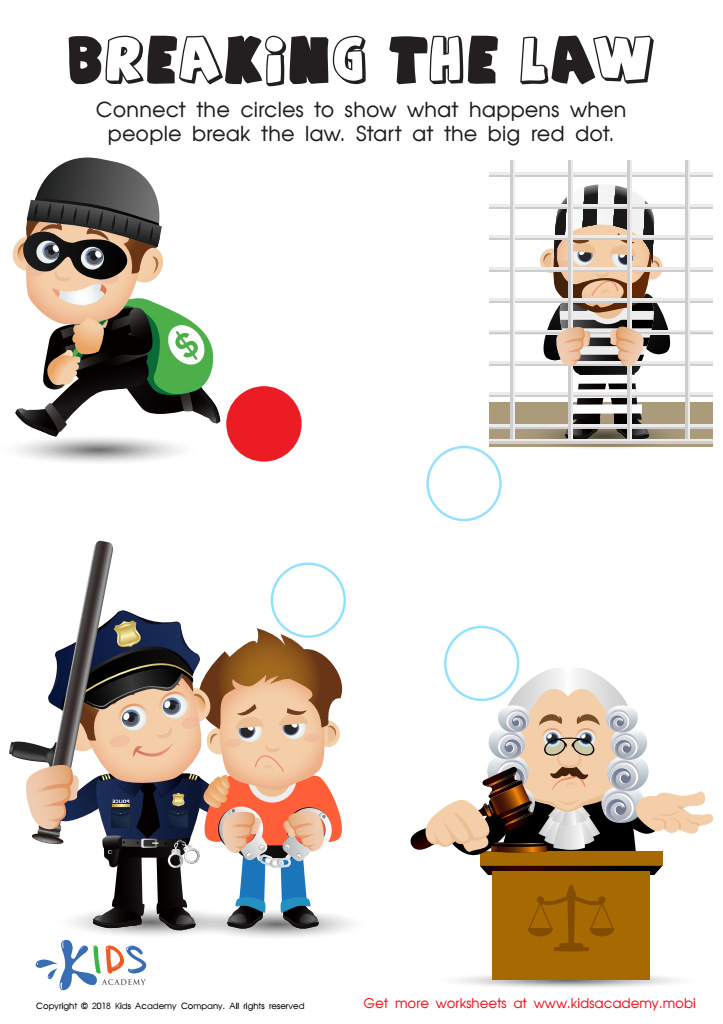
Breaking the Law Worksheet
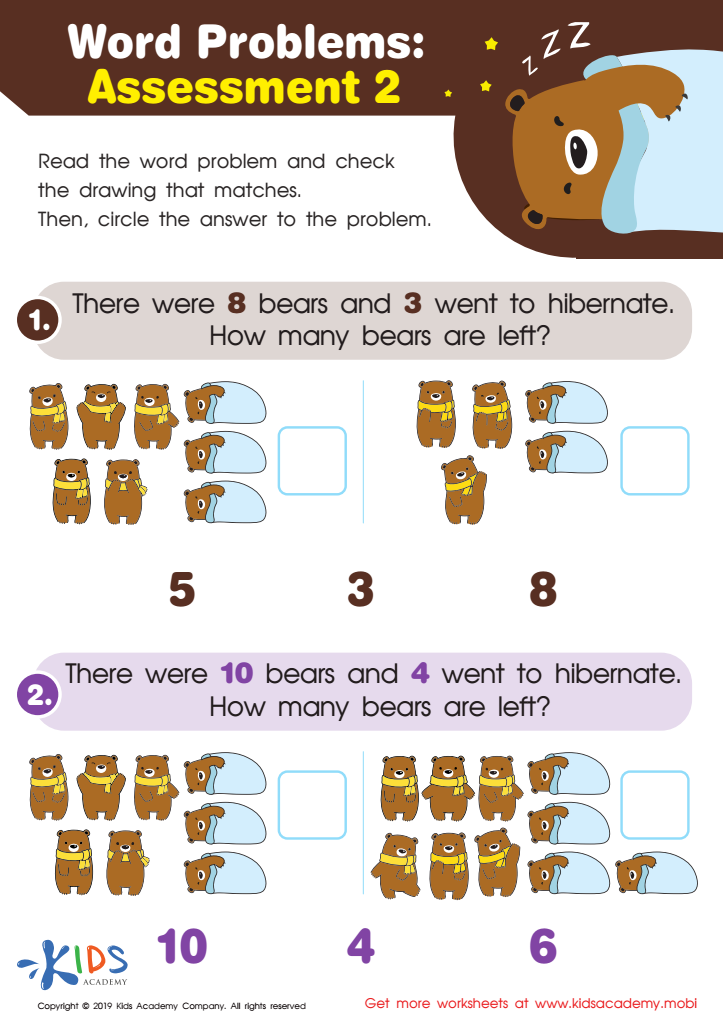
Word Problems: Assessment 2 Worksheet
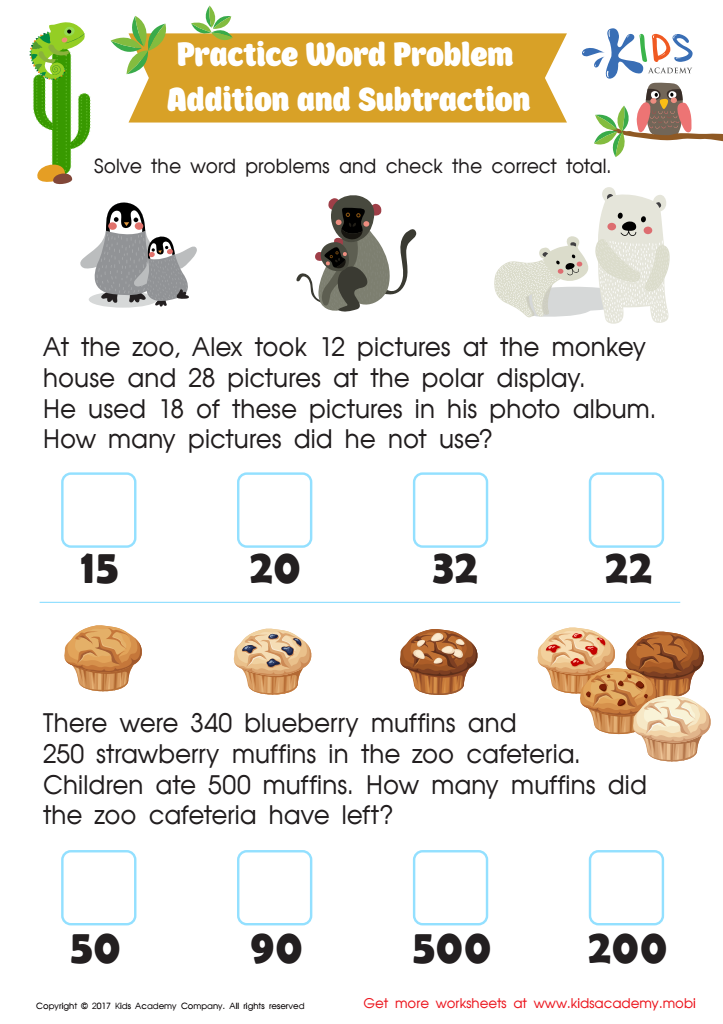
Addition and Subtraction: Word Problems Worksheet
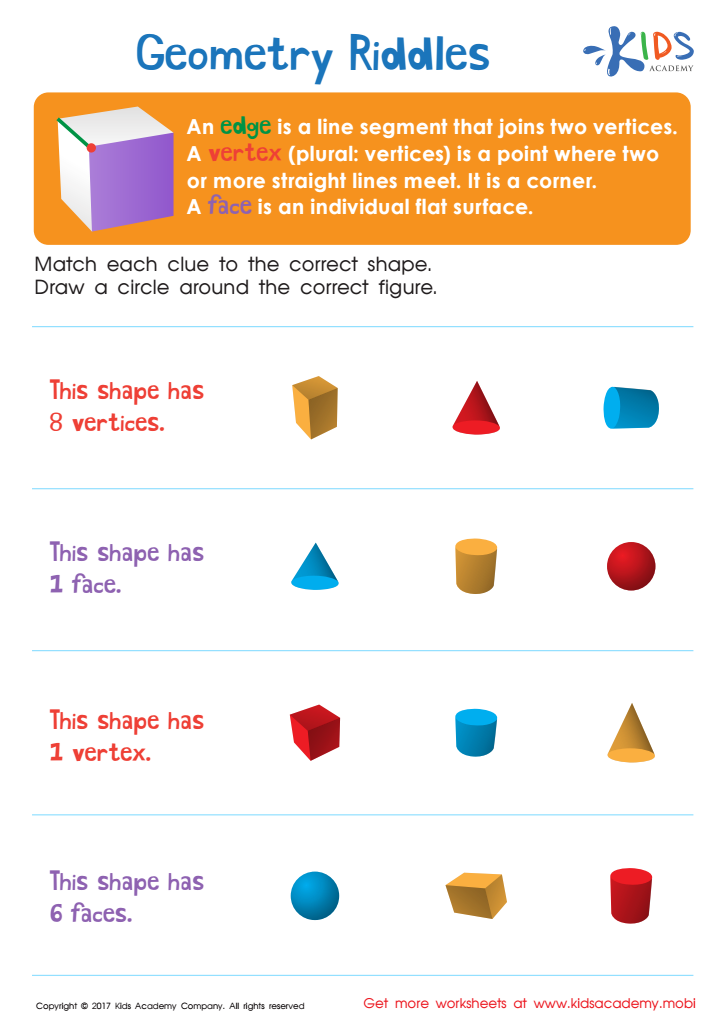
Geometry Riddles Printable

Plants and Sunlight: Part 2 Worksheet
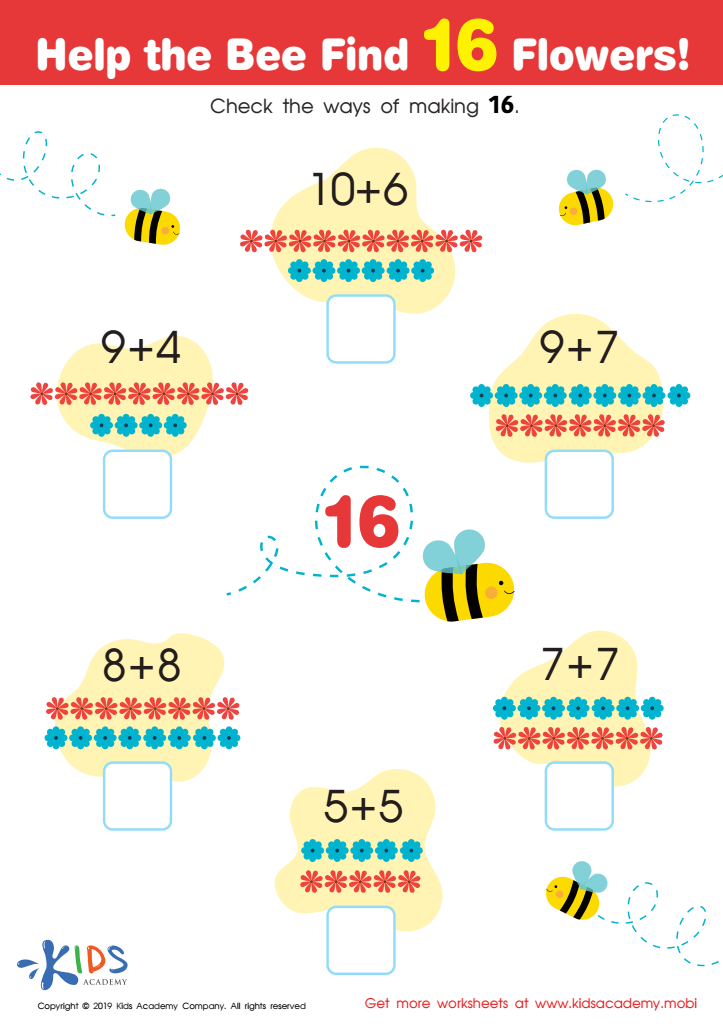
Help the Bee Find 16 Flowers Worksheet
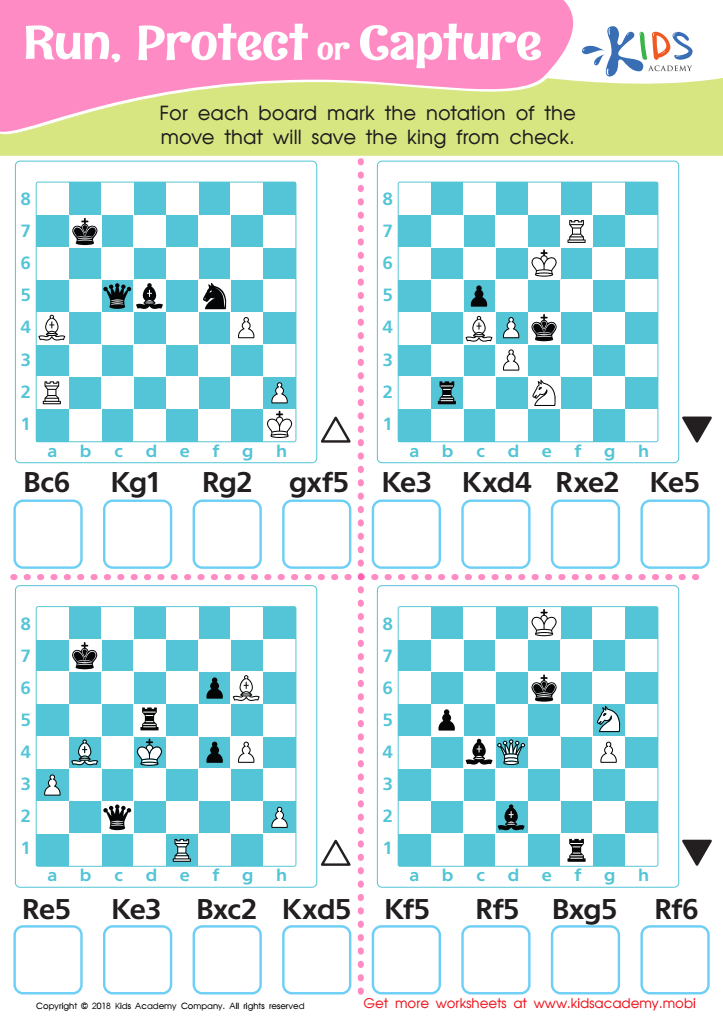
Run, Protect or Capture Worksheet
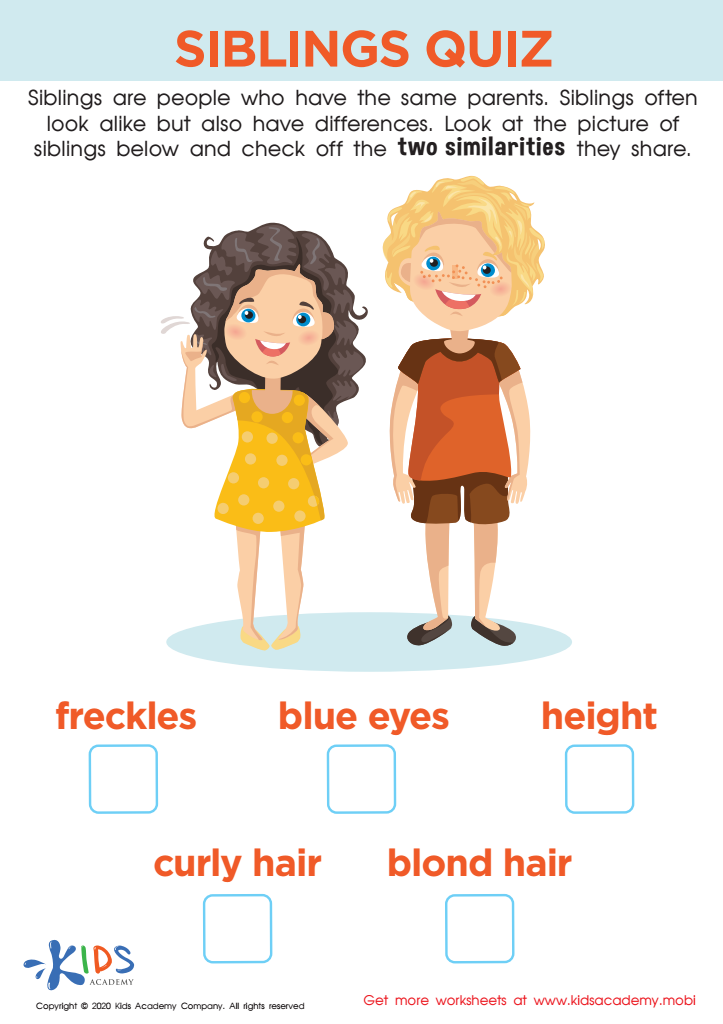
Siblings Quiz Worksheet
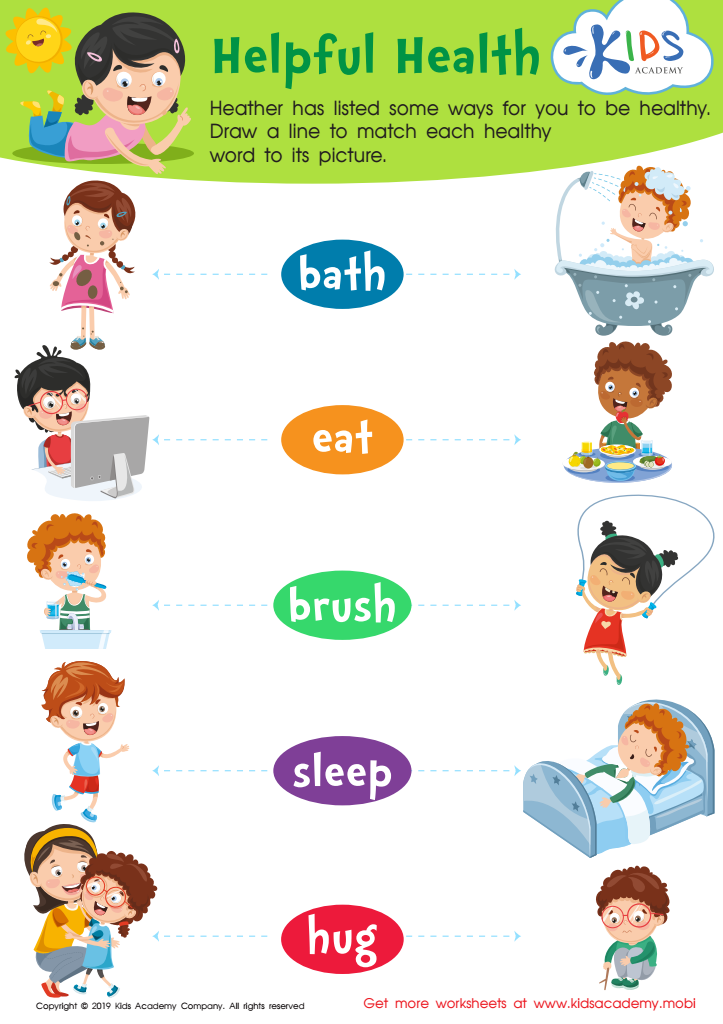
Helpful Health Worksheet
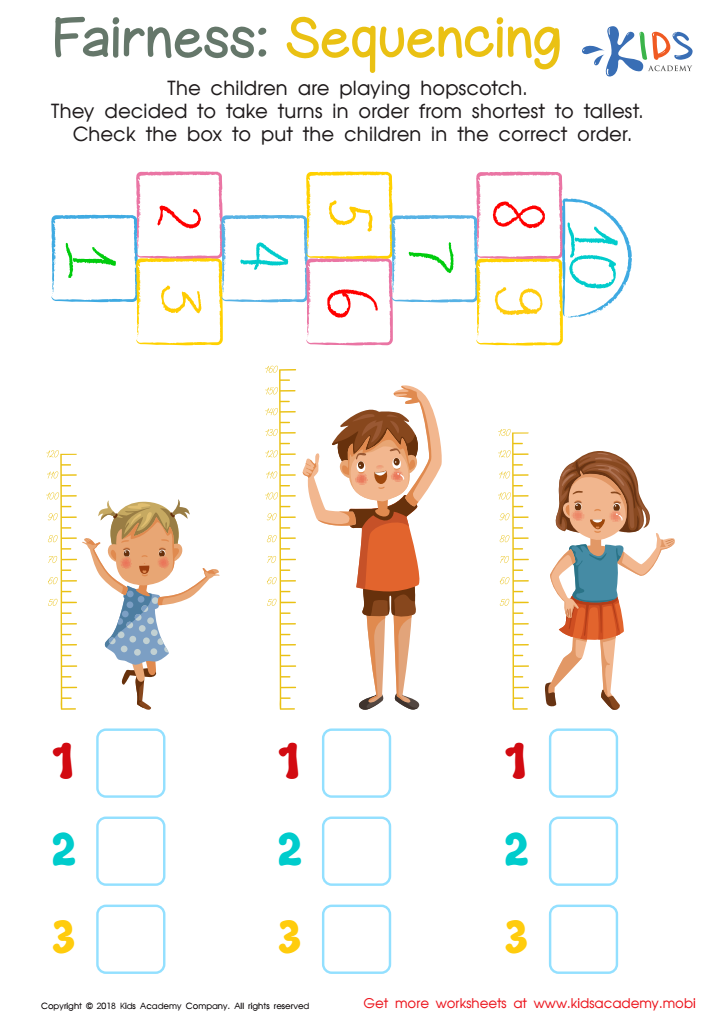
Fairness: Sequencing Worksheet
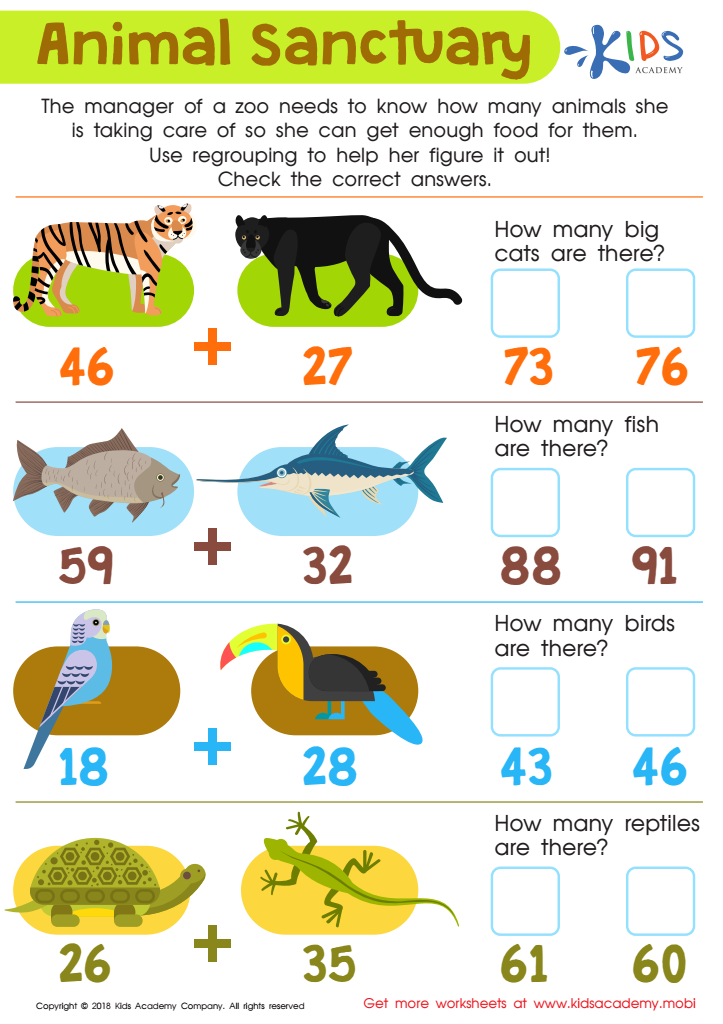
Animal Sanctuary Worksheet
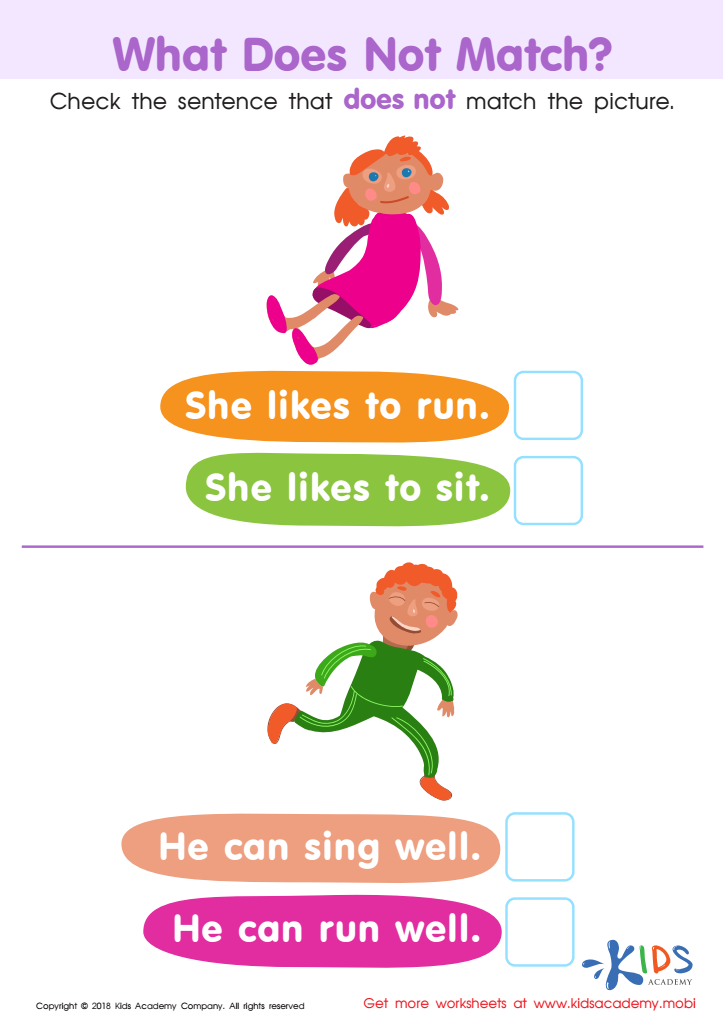
What Does Not Match? Worksheet








Logical reasoning skills are pivotal for children aged 6-7 as they lay the foundation for critical thinking, problem-solving, and decision-making throughout their educational journey and life. During this developmental stage, children are becoming more capable of identifying patterns, making connections, and understanding cause-and-effect relationships. By nurturing these skills, parents and teachers help children develop the ability to analyze situations, evaluate options, and arrive at thoughtful conclusions, which are essential not only in academics but also in everyday life.
Engaging with logical reasoning activities, such as puzzles, games, and thought exercises, fosters a child’s curiosity and encourages them to ask questions. This active participation enhances inquiry skills and boosts confidence in their ability to tackle challenges. Moreover, strong logical reasoning ability is correlated with improved performance in subjects like math and science, as students begin to grasp concepts rather than just memorize facts.
Additionally, developing these skills at a young age prepares children for social interactions, teaching them to understand others' perspectives and to communicate their thoughts effectively. For these reasons, parents and teachers should prioritize logical reasoning in early childhood education, ensuring children are equipped with tools to succeed now and in the future.








